How to Unflood a Carburetor: Expert Tips & Tricks
Are you tired of dealing with a flooded carburetor? You’re not alone.
A flooded carburetor can transform a simple ride into a frustrating ordeal. But here’s the good news: you can fix it yourself with some basic know-how. Imagine the satisfaction of getting your engine purring smoothly again, all on your own.
In this guide, we’ll walk you through the steps to unflood your carburetor quickly and effectively. You’ll learn the tips and tricks that mechanics use, saving you both time and money. Ready to take control and get back on the road? Let’s dive into the details and get your engine running like new.
Identifying A Flooded Carburetor
Experiencing a flooded carburetor can halt your engine’s performance. Recognize it by the strong smell of gasoline and difficulty starting. Simply clear excess fuel by removing the air filter, then crank the engine to resolve the issue.
Identifying a flooded carburetor can save you from a lot of headaches and unnecessary repairs. Picture this: you’re ready for a ride, but your engine refuses to start. You might be dealing with a flooded carburetor, a common issue that can be easily fixed if spotted early. Understanding the signs and causes of flooding will empower you to tackle the problem swiftly.Signs Of Flooding
A flooded carburetor often manifests as a strong smell of gasoline around your vehicle. If you notice the scent, it’s a clear indicator that too much fuel is in the engine. Another telltale sign is difficulty starting the engine, even if the battery is fully charged. You might hear the engine cranking but not catching. Black smoke from the exhaust can also suggest a flooded carburetor. This happens because excess fuel is burning off in the combustion chamber. Pay attention to these signs as they can help you diagnose the issue on the spot.Causes Of Flooding
Understanding what causes a carburetor to flood can help you prevent it from happening again. One common cause is a stuck float, which fails to stop fuel from entering the carburetor bowl. A malfunctioning needle valve can also lead to flooding. If the needle valve doesn’t close properly, it allows more fuel to flow than needed. Consider the role of your choke. If it’s not adjusted correctly, it can cause too much fuel to enter the engine, leading to a flood. Are you keeping up with regular maintenance? Sometimes, simply adjusting the choke or cleaning components can make all the difference. When I first encountered a flooded carburetor, I was baffled by the gasoline smell. It was a learning experience that taught me to pay close attention to these signs. Remember, the quicker you identify the issue, the faster you can get back on the road. Are you ready to tackle your carburetor issues with confidence?Safety Precautions
Ensure the engine is off before starting the process to avoid accidents. Wear gloves and safety goggles to protect from fuel spills. Work in a well-ventilated area to prevent inhaling harmful fumes.
Unflooding a carburetor can be a messy job. It’s crucial to follow safety precautions. These measures protect you and ensure a smooth process. Understanding the risks involved is important. Taking the right steps can prevent accidents.Protective Gear
Always wear protective gear. Safety goggles shield your eyes from fuel splashes. Gloves keep your hands safe from chemicals. A long-sleeved shirt protects your arms. Closed-toe shoes safeguard your feet. This gear minimizes exposure to harmful substances.Ventilation Considerations
Proper ventilation is essential. Work in a well-ventilated area. Ensure windows and doors are open. This reduces inhalation risks from fuel fumes. Avoid working in enclosed spaces. Fresh air flow is critical for your safety.Tools Required
Essentials include a wrench, screwdriver, and rags. Safety goggles and gloves protect you during the process. A carburetor cleaner helps remove residue effectively.
Unflooding a carburetor can be a daunting task, but with the right tools, it becomes much easier. You don’t need a fancy mechanic’s kit to get started. However, having the essential and optional tools can significantly streamline the process. Imagine tackling the problem with confidence, knowing that you have everything you need at your fingertips. Let’s explore the tools you’ll need to efficiently unflood your carburetor.Essential Tools
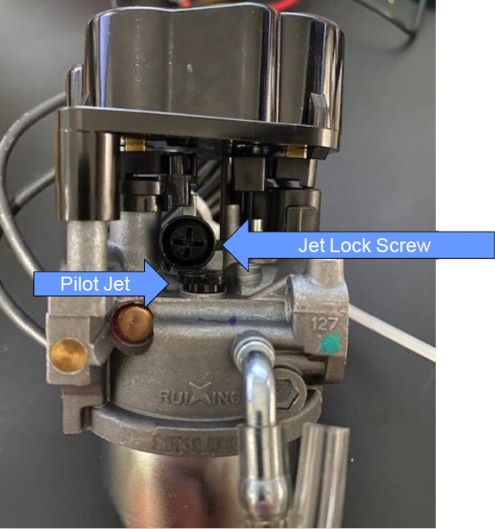
To unflood a carburetor, a few basic tools are indispensable. First, you’ll need a socket set. This will help you remove any parts that are blocking your access to the carburetor. Make sure your set includes both metric and standard sizes. A screwdriver set is also crucial. Carburetors often have screws that need adjusting or removal. A set with various heads, especially Phillips and flathead, ensures you can handle any screw type. Lastly, a clean cloth or paper towels are vital for wiping away excess fuel. Flooding can cause fuel to spill over, so keeping the area clean is necessary to avoid further complications.Optional Tools For Efficiency
While the essential tools are a must-have, a few optional tools can enhance efficiency and ease. A fuel pressure gauge can be incredibly helpful. It allows you to check the fuel pressure, ensuring that flooding isn’t caused by excessive pressure. Another useful tool is a carburetor cleaner spray. This spray can help remove any built-up dirt or debris, ensuring your carburetor functions smoothly once unflooded. Consider having a small mirror. It can help you see into tight spaces, making the process of locating screws or blockages much simpler. Why not equip yourself with these optional tools? They might just save you time and frustration, getting your vehicle up and running faster. Have you ever tried unflooding a carburetor without these tools? If so, you probably faced some challenges that could have been easily avoided. Equipping yourself with both essential and optional tools not only prepares you for success but also gives you the confidence to tackle other potential issues in the future.Step-by-step Unflooding Process
Flooded carburetors can be a frustrating hiccup in your automotive adventures. But don’t worry; getting your carburetor back to normal is easier than you might think. This step-by-step unflooding process will guide you through clearing out the excess fuel, drying the carburetor, and checking the float. Whether you’re a seasoned mechanic or a curious DIYer, these straightforward steps will have your engine purring again in no time.
Removing Excess Fuel
First, you need to clear out the extra fuel that’s causing the flooding. Turn off the engine and let it sit for a few minutes. This gives the fuel time to settle, making it easier to remove.
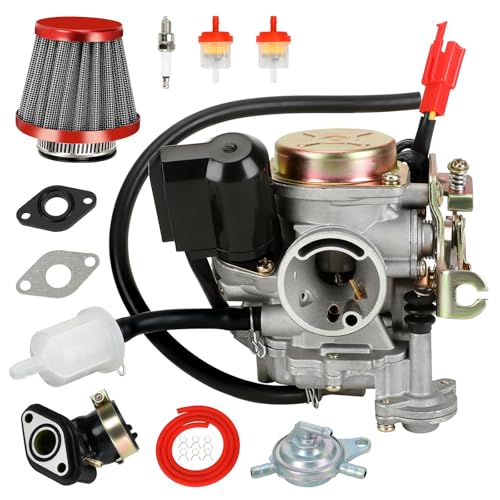
Open the hood and locate your carburetor. If you’re not sure where it is, check your vehicle’s manual. It’s usually near the air filter. Disconnect the fuel line carefully to avoid spillage and let the excess fuel drain out.
Have a container handy to catch the fuel. This prevents mess and helps you dispose of it safely. Once the fuel is drained, reconnect the line tightly.
Drying The Carburetor
After removing the excess fuel, the next step is drying the carburetor. Moisture inside can cause misfires or prevent the engine from starting.
Take a clean, dry cloth or paper towels and gently wipe down the exterior of the carburetor. Be thorough but gentle to avoid damaging any components.
If you have compressed air available, use it to blow out any remaining moisture inside the carburetor. This ensures a thorough dry, especially in hard-to-reach areas.
Checking The Float
The float inside the carburetor regulates the fuel level. If it’s stuck, it may be causing the flooding issue. Carefully remove the carburetor cover to access the float.
Check if the float is moving freely. If it’s stuck, gently adjust it. Sometimes, a slight tap can free it up, but be cautious not to apply excessive force.
Consider this: How often do you check your float condition? Regular inspections can prevent flooding issues in the future. Once adjusted, reassemble the carburetor and start your engine to see if the issue is resolved.
This step-by-step guide empowers you to tackle a flooded carburetor with confidence. Have you ever had an unexpected fix work wonders? Share your carburetor tales in the comments below!
Preventing Future Flooding
Unflooding a carburetor involves simple steps to clear excess fuel. Start by turning off the engine and waiting. Remove the spark plugs to let the gasoline evaporate. Reinstall the plugs and restart the engine.
Preventing future flooding of your carburetor is not just about fixing the problem when it occurs. It’s about taking proactive steps to ensure it doesn’t happen again. Imagine you’re on your way to a weekend getaway, only to find your car sputtering and refusing to start because of a flooded carburetor. With some simple preventive measures, you can keep your vehicle running smoothly and avoid those frustrating moments.Regular Maintenance Tips
Regular maintenance is your best friend when it comes to keeping your carburetor healthy. Check your air filter regularly. A clean air filter ensures that the carburetor gets the right mix of air and fuel. Inspect the carburetor for any signs of wear or damage. Replace worn-out gaskets promptly to prevent fuel leakage. These small steps can make a big difference.Fuel System Checks
Make it a habit to check your fuel system. Look for any leaks in the fuel lines, as these can lead to flooding. Ensure that the fuel pressure is within the recommended range for your vehicle. Consider the quality of fuel you use. Low-quality fuel can cause residues to build up in the carburetor, leading to blockages and flooding. Opt for reputable brands to keep your engine happy. Regularly inspect the fuel pump. A failing fuel pump can over-deliver fuel, causing flooding. Catching these issues early can prevent bigger problems down the road. Have you ever found yourself stranded because of a flooded carburetor? What steps will you take to prevent it from happening again? By being proactive, you can ensure a smooth journey every time you hit the road.Common Mistakes To Avoid
Unflooding a carburetor can be a challenging task if you’re not aware of the common pitfalls. When you’re in a hurry, it’s easy to make mistakes that could worsen the situation. Let’s dive into some frequent missteps and learn how to avoid them, ensuring your carburetor is back to working smoothly.
Overuse Of Starter Fluid
Using too much starter fluid can be tempting, especially when you’re desperate to get your engine running. However, this can lead to more harm than good. A quick spray might seem like the perfect solution, but excessive use can damage the engine. Starter fluid is highly flammable, and overuse can lead to combustion issues.
Consider this: I once thought drowning the carburetor in starter fluid would solve my problem. Instead, it led to backfires and engine damage. Use it sparingly, and only when absolutely necessary. Have you considered the long-term effects on your engine?
Ignoring Fuel Leaks
Fuel leaks are often overlooked, yet they can be a major culprit in carburetor flooding. You might think it’s just a minor drip, but even small leaks can lead to serious problems. They not only waste fuel but also pose safety risks.
Once, during a routine check, I ignored a tiny leak thinking it was insignificant. It wasn’t long before it escalated into a bigger issue, costing me time and money. Always inspect for leaks and address them promptly. Is your carburetor suffering from unnoticed leaks?
Avoiding these common mistakes can save you from frustration and costly repairs. By being mindful and attentive, you can ensure your carburetor is unflooded and ready to power your engine efficiently.
Expert Tips And Tricks
Discover effective methods to unflood a carburetor effortlessly. Turn off the engine and wait a few minutes. Remove excess fuel by pressing the accelerator gently, then start the engine.
Unflooding a carburetor can seem like a daunting task, especially if you’re facing it for the first time. However, with some expert tips and tricks, you can tackle this issue effectively and keep your vehicle running smoothly. Understanding how to improve fuel efficiency and enhance carburetor performance can make all the difference in your car’s operation. Let’s dive into these insightful strategies that will help you get the most out of your vehicle.Improving Fuel Efficiency
Fuel efficiency isn’t just about saving money; it’s about preserving your engine and ensuring optimal performance. One simple way to improve fuel efficiency is to regularly check and clean your carburetor. Dirt and debris can clog the jets, leading to a flooded carburetor. Another tip is to ensure your float level is correctly adjusted. An incorrect float level can cause an overflow, resulting in a flood. Adjusting this can prevent unnecessary fuel wastage and ensure your engine runs smoothly. Consider using high-quality fuel. It’s tempting to save a few bucks, but cheaper fuels can lead to buildup and inefficiency. Investing in quality fuel can prolong the life of your carburetor and enhance fuel efficiency.Enhancing Carburetor Performance
A well-performing carburetor is the heartbeat of your engine. One trick to enhance its performance is to regularly inspect for wear and tear. Loose screws or worn-out gaskets can compromise performance and lead to flooding. Have you ever considered the role of the air filter? A clean air filter ensures the carburetor receives the right air-fuel mixture. Regularly replacing or cleaning the air filter can prevent a flood and improve performance. A personal tip: Listen to your engine. You might notice subtle changes in sound or operation which could indicate carburetor issues. Addressing these early can prevent significant problems later. Lastly, keep your engine tuned. Regular tune-ups can catch potential carburetor issues before they become serious. It’s a proactive way to ensure your vehicle runs at its best. What strategies do you use to keep your carburetor from flooding? Remember, small adjustments can lead to big improvements in performance and efficiency.Frequently Asked Questions
How To Unflood A Carbureted Engine?
Turn off the engine and let it sit for a few minutes. Press the accelerator to the floor and start the engine. Release the pedal once the engine starts. Repeat if necessary to clear excess fuel. Avoid repeated attempts to prevent flooding.
How Long To Wait For A Flooded Carb?
Wait 15 to 20 minutes for a flooded carburetor to clear. This allows excess fuel to evaporate. After waiting, attempt to start the engine without pressing the gas pedal. If issues persist, consider checking for other problems or seek professional help.
How Do I Know If My Carb Is Flooded?
Your carburetor might be flooded if you smell strong gasoline odors, the engine won’t start, or it sputters. Check for gas-soaked spark plugs as another indicator. Let the engine sit for a while to allow the fuel to evaporate before trying to start it again.
How To Start A Carbureted Car That’s Flooded?
Press the gas pedal to the floor and hold it. Crank the engine for 5-10 seconds. Release the pedal and try starting normally. Repeat if necessary.
Conclusion
Fixing a flooded carburetor can seem daunting. But with patience, it’s manageable. Start by removing excess fuel. Ensure the spark plugs are clean and dry. Check the fuel lines for blockages. Don’t forget to inspect the float levels. Regular maintenance prevents future flooding.
Keep your carburetor clean and in good shape. This ensures smooth engine performance. Follow these steps carefully. Your engine will run efficiently once more. Remember, practice makes perfect. Soon, you’ll handle carburetor issues with ease. Happy riding!

Ethan Montgomery is the administrator of carweldhub.com and an expert in the automotive industry. With hands-on experience in welding and a deep understanding of automotive parts and accessories, Ethan brings a wealth of practical knowledge to his work. His passion for the automotive field extends to blog writing and editing, where he shares valuable insights and tips with enthusiasts and professionals alike. Whether you’re looking for detailed technical advice or the latest trends in automotive technology, Ethan’s expertise makes him a trusted resource in the automotive community.