

Is My Car Out of Gas Or Dead Battery: Find Out Fast!
You’re running late for an important appointment, and when you hop into your car, it just won’t start. Panic sets in, and you’re left wondering: is it simply out of gas, or are you dealing with a dead battery?
This is a frustrating situation many drivers face, and it can feel overwhelming trying to figure out the cause on the spot. But don’t worry—understanding the signs can save you time, money, and stress. We’ll dive into the clues that will help you quickly determine whether your car needs a fuel refill or a battery boost, so you can get back on the road without missing a beat.
Let’s unravel this mystery together and empower you with the knowledge to tackle the problem head-on.
Symptoms Of An Empty Gas Tank
Your car may struggle to start or sputter when the gas tank is empty. Dashboard warning lights might flash, and the engine could stall. These symptoms suggest a fuel issue rather than a dead battery.
When your car suddenly stops working, it’s easy to panic and wonder if it’s out of gas or suffering from a dead battery. However, recognizing the symptoms of an empty gas tank can save you time and stress. Understanding these signs can help you avoid getting stranded in an inconvenient location. Let’s delve into some clear indicators that your car might simply need a fill-up.Engine Sputtering
Imagine driving smoothly along the highway when suddenly, your car starts to sputter and jerk. This is a classic sign that you might be running low on gas. The engine isn’t getting the fuel it needs to maintain a steady performance, causing it to stutter. Have you ever experienced your car coughing like it’s clearing its throat? That unsettling sensation often points to an empty gas tank.Warning Lights On Dashboard
Your car’s dashboard is like its communication center. When the fuel gauge drops near empty, a warning light will illuminate to grab your attention. Ignoring this light can lead to an unexpected stop in the middle of nowhere. Do you often overlook these warning signals? Paying attention to them can prevent a lot of trouble and ensure you keep cruising smoothly.Loss Of Power
Feeling your car gradually lose power can be a perplexing experience. As the gas runs out, the engine struggles to maintain speed, and you might find yourself pressing the accelerator with no response. This isn’t just an inconvenience; it’s a clear call for a gas station visit. Has your car ever felt like it’s losing its zest? Keeping an eye on your fuel levels can help maintain your car’s vitality. Recognizing these symptoms can be the difference between a minor inconvenience and a major headache. Have you ever run out of gas unexpectedly? Share your story in the comments and help others learn from your experience.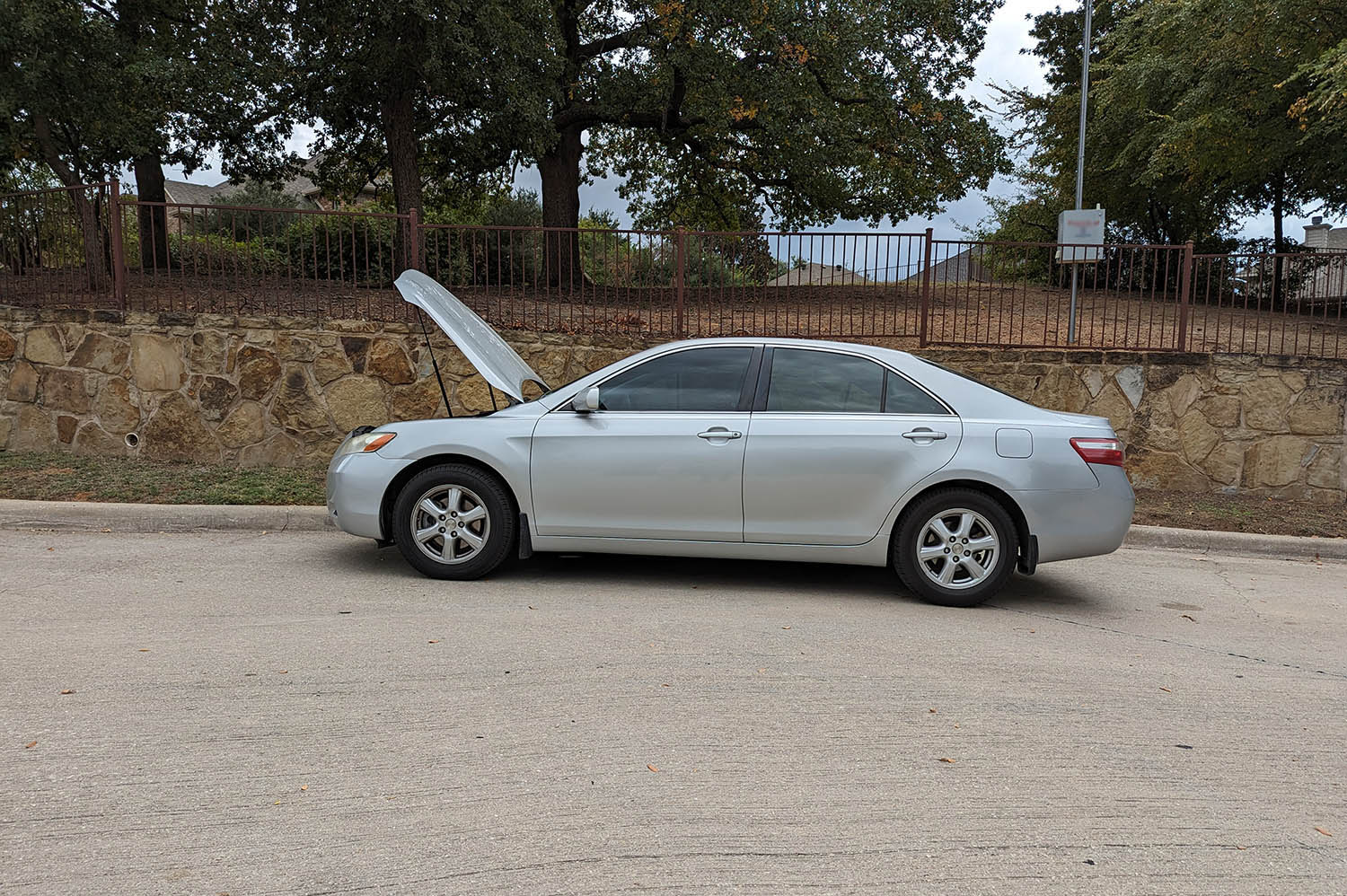
Credit: www.capitalone.com
Signs Of A Dead Battery
When your car won’t start, it can be a real headache. Is it a lack of fuel or a dead battery? Understanding the signs of a dead battery can save you from unnecessary stress. Let’s dive into some telltale signs that your battery might be the culprit.
Clicking Sound When Starting
One of the most common indicators of a dead battery is a clicking sound when you turn the key in the ignition. Instead of the usual engine roar, you hear repetitive clicks. This happens because there’s not enough power to start the engine. Imagine being in a rush to get somewhere and hearing those clicks—it’s frustrating. Next time you hear that, consider checking your battery.
Dim Lights Or Electrical Issues
Have you noticed your car’s headlights looking more like flashlights? Dim lights can be a sign that your battery is weak. You might also experience electrical hiccups like a malfunctioning radio or slow window operation. Picture this: you’re driving at night, and suddenly your lights seem to fade—it’s not a situation you want to be in. A weak battery can cause these issues, so it’s worth checking.
No Response From Ignition
What if you turn the key and hear… nothing? That silence can be deafening. No engine turnover, no clicks, just silence. This usually indicates a completely dead battery. You might have thought your car was simply out of gas, but the silence suggests otherwise. Don’t let this catch you off guard. Keep a battery tester handy or know where to find help.
Have you ever faced any of these situations? What did you do? Knowing these signs can make all the difference in getting back on the road quickly. So, next time your car acts up, remember these clues—they’re your first step to solving the mystery.
Quick Checks For Gas Issues
When your car refuses to start, it’s easy to jump to conclusions. Is it out of gas, or is the battery dead? Before you panic, consider checking for gas issues. These quick checks can save you from unnecessary stress and expenses. You might even find yourself chuckling at how simple the solution can be.
Check Fuel Gauge
Take a glance at your fuel gauge. It’s the first step in troubleshooting gas-related problems. Is the needle pointing towards empty? If yes, it might be time for a refill. You’d be surprised how often a simple oversight leads to the assumption of a dead battery. Keep an eye on that gauge regularly to avoid this common pitfall.
Inspect For Fuel Leaks
Fuel leaks can be sneaky culprits. Walk around your car and look for any wet spots or smells of gasoline. If you notice anything unusual, it could be a leak. Fuel leaks not only stop your car from starting but can also pose serious safety risks. Remember that story your friend told you about finding a puddle under their car? That’s your cue to inspect thoroughly.
Listen For Fuel Pump Noise
Turn the key to the “on” position without starting the engine. Do you hear a faint humming noise from the fuel pump? This sound indicates that your fuel pump is functioning. No noise might mean the pump isn’t working, leading to fuel delivery issues. Listening carefully can often reveal more than any visual check.
These quick checks for gas issues are practical and easy to perform. They help pinpoint the problem and prevent unnecessary battery replacements. Next time your car doesn’t start, ask yourself, “Have I checked the fuel gauge, looked for leaks, and listened for pump noise?” You might solve the mystery faster than you think.

Credit: www.reddit.com
Battery Diagnostics
Car won’t start? Check the fuel gauge. If there’s gas, a dead battery might be the culprit. Battery diagnostics help determine if replacement is needed, ensuring smooth drives and avoiding unexpected breakdowns.
Battery diagnostics can be your lifesaver when your car refuses to start. Knowing whether the issue lies with your battery or the fuel tank can save you time, money, and frustration. Imagine you’re already late for an important meeting, and your car won’t start. Is it out of gas, or is it a dead battery? Let’s dig into some practical steps to help you answer this question efficiently and effectively.Test Battery Voltage
Checking your battery voltage is a crucial first step. A simple multimeter can give you a quick reading. Just set it to DC volts and connect the probes to the battery terminals. A healthy battery should show around 12.6 volts or more when the engine is off. Anything less might indicate that your battery is drained. Have you ever found yourself with a surprisingly low reading? It might be time to consider a replacement or a recharge.Inspect Battery Terminals
Battery terminals can often be the culprit behind a non-starting car. Ensure they are tight and securely connected. Loose terminals can cause intermittent power loss. Simply give them a little shake to test for snugness. Have you noticed any sparks or heard a crackling noise when trying to start your car? This could be a sign of loose terminals. Tightening them might be all you need to get back on the road.Look For Corrosion Or Damage
Corrosion on battery terminals can block the flow of electricity. Take a close look at your terminals; if you see any white or bluish powder, it’s a sign of corrosion. You can clean it using a mix of baking soda and water. Scrub gently with an old toothbrush for best results. Have you ever wondered why your battery seems fine one day and dead the next? Corrosion could be silently eroding your battery’s efficiency. Regular inspections can prevent this sneaky problem. Battery diagnostics don’t have to be complicated. With these actionable insights, you can tackle your car’s starting issues confidently. Next time you’re faced with a no-start situation, ask yourself: could it be the battery?Immediate Solutions
Facing a car that won’t start can be stressful. Whether it’s out of gas or a dead battery, quick solutions are needed. This guide offers practical steps to get you back on the road swiftly.
Refueling Your Car
First, check the fuel gauge. It might be on empty. Locate the nearest gas station. Borrow a fuel canister if needed. Fill it up and refuel your car. Make sure to replace the fuel cap securely. Check if the car starts. If it does, drive to a gas station for a full tank.
Jump-starting The Battery
Check if the battery is the issue. Look for dim lights or no radio. If so, grab jumper cables and a working car. Park the cars close but not touching. Attach the cables to the battery terminals. Red to positive, black to negative. Start the working car first. Then, try starting your car. If it starts, remove cables in reverse order.
Using Emergency Roadside Assistance
If stuck, consider roadside assistance. Check your insurance or car warranty. They may offer this service. Call the service and explain the situation. They often arrive quickly to help. Whether it’s fuel delivery or a jump-start, they’ll assist you. Wait safely in your car or nearby until they arrive.

Credit: adil21.org
Preventive Measures
Have you ever found yourself stranded with a car that won’t start, wondering if it’s out of gas or if the battery is dead? The best way to avoid these situations is by taking preventive measures. Being proactive not only saves you time and money but also keeps you safe on the road. Let’s dive into some practical tips to keep your car running smoothly and avoid those frustrating breakdowns.
Regular Vehicle Maintenance
Regular vehicle maintenance is your first line of defense against unexpected car troubles. Scheduling routine check-ups can help spot potential issues before they become major problems. My car once stalled in the middle of nowhere because I ignored a simple oil change. Trust me, it’s worth the effort to keep up with your maintenance appointments.
During these check-ups, mechanics can check everything from your engine to your brakes. This ensures that your car is in peak condition and prevents surprises. Don’t wait until something breaks; regular maintenance is a small price to pay for peace of mind.
Monitoring Fuel Levels
Running out of fuel is a mistake that happens more often than you might think. Always keep an eye on your fuel gauge. It’s easier to fill up the tank when it’s low rather than when it’s empty.
Make it a habit to refill your tank when it drops to a quarter full. This not only prevents you from getting stranded but also helps maintain your fuel pump. Are you someone who likes to live on the edge? Consider this: a full tank also helps in emergencies and long drives.
Battery Care Tips
Your car’s battery is like its heart, and it needs care to keep it alive. Regularly check for corrosion on the battery terminals. Clean them with a mixture of baking soda and water if you notice any build-up.
If you don’t drive often, the battery might drain faster. Consider investing in a battery maintainer to keep it charged. And don’t forget to test your battery’s voltage periodically. A little attention here can prevent a big headache later on.
Preventive measures may seem tedious at first, but they are the key to a hassle-free driving experience. How often do you find yourself ignoring these small tasks, only to regret it later? Take charge of your vehicle’s health, and enjoy every journey with confidence!
Frequently Asked Questions
Is My Battery Dead Or Am I Out Of Fuel?
Check your dashboard for warning lights indicating battery or fuel issues. Turn the key; if lights dim, it’s likely the battery. If the engine doesn’t crank, inspect fuel levels and connections. Both problems can prevent starting. Ensure regular maintenance to avoid such issues.
Always consult a mechanic for accurate diagnosis.
How Do You Know If Your Car Is Out Of Gas?
Your car might be out of gas if the fuel gauge shows empty or the engine sputters and stalls. Check for warning lights on the dashboard. Difficulty starting or loss of power can also indicate low fuel. Keep an eye on your mileage to avoid running out unexpectedly.
Will A Car Not Start If It’s Out Of Gas?
Yes, a car won’t start if it’s out of gas. The engine requires fuel to ignite and run. Without gasoline, the combustion process can’t occur, leaving the vehicle inoperable. Always ensure your fuel tank is adequately filled to prevent starting issues.
How Do You Know If Your Car Won’t Start Because Of Gas?
Check the fuel gauge for a low reading. Listen for the fuel pump sound when turning the key. If the engine cranks but doesn’t start, it might lack gas. Ensure there’s enough fuel in the tank. If unsure, add gas and try starting the car again.
Conclusion
Deciding between gas issues or a dead battery can be tricky. Check your fuel gauge first. Listen for engine sounds. Silence might mean a dead battery. Try turning on the headlights. Dim lights indicate battery problems. A quick inspection can save time and stress.
Always keep jumper cables handy. Regular car checks prevent these surprises. Both gas and battery need attention. With practice, diagnosing becomes easier. Remember, a little patience goes a long way. Your car needs care. Stay informed and prepared. Safe driving!

Ethan Montgomery is the administrator of carweldhub.com and an expert in the automotive industry. With hands-on experience in welding and a deep understanding of automotive parts and accessories, Ethan brings a wealth of practical knowledge to his work. His passion for the automotive field extends to blog writing and editing, where he shares valuable insights and tips with enthusiasts and professionals alike. Whether you’re looking for detailed technical advice or the latest trends in automotive technology, Ethan’s expertise makes him a trusted resource in the automotive community.


