Should You Report a Car Break-In If Nothing was Stolen?
Imagine this: You walk to your car and notice the window shattered. Panic sets in as you rush to check what’s missing, only to find that nothing seems to be stolen.
Relief washes over you, but a question lingers—should you still report this break-in to the authorities? It’s a dilemma many face, and the answer might not be as straightforward as you think. Your first instinct might be to let it go since nothing was taken.
However, ignoring this incident could lead to unexpected consequences that affect your safety and peace of mind. By reading on, you’ll discover compelling reasons why reporting a car break-in is crucial, even when nothing appears to be missing. Let’s delve into the potential risks and benefits, so you can make an informed decision that protects you and your community.
Legal Implications
Reporting a car break-in, even if nothing was stolen, helps authorities track crime patterns. It aids in increasing neighborhood safety and prevents future incidents. Legal implications may arise if evidence of attempted theft is found, underscoring the importance of reporting the crime.
When your car is broken into, even if nothing is stolen, you might wonder whether it’s worth reporting. Legal implications play a crucial role in this decision. Understanding them can help you make an informed choice.Understanding Local Laws
Local laws vary significantly when it comes to reporting a car break-in. In some areas, you’re required to report any crime, no matter how minor it seems. If you skip this step, you might face penalties or fines.Creating A Police Record
Filing a report creates an official record of the incident. This can be beneficial if there are subsequent break-ins in your neighborhood. It provides law enforcement with data to identify patterns and potentially catch the perpetrator. Your insurance policy might be affected by not reporting a break-in. Some policies require you to report incidents to maintain coverage. Check your policy details to ensure you’re not inadvertently voiding your coverage.Preventing Future Crimes
Reporting even minor incidents contributes to community safety. It alerts the police to potential crime hotspots. This could lead to increased patrols and prevent more serious crimes in the future.Personal Safety And Peace Of Mind
Knowing that the authorities are aware of the incident can give you peace of mind. It’s a step toward ensuring your safety and that of your neighbors. Wouldn’t you feel better knowing you’ve done your part to keep your community safe? Ultimately, it’s your call whether to report a break-in when nothing is stolen. But considering the legal implications can guide you toward a decision that protects you and your community.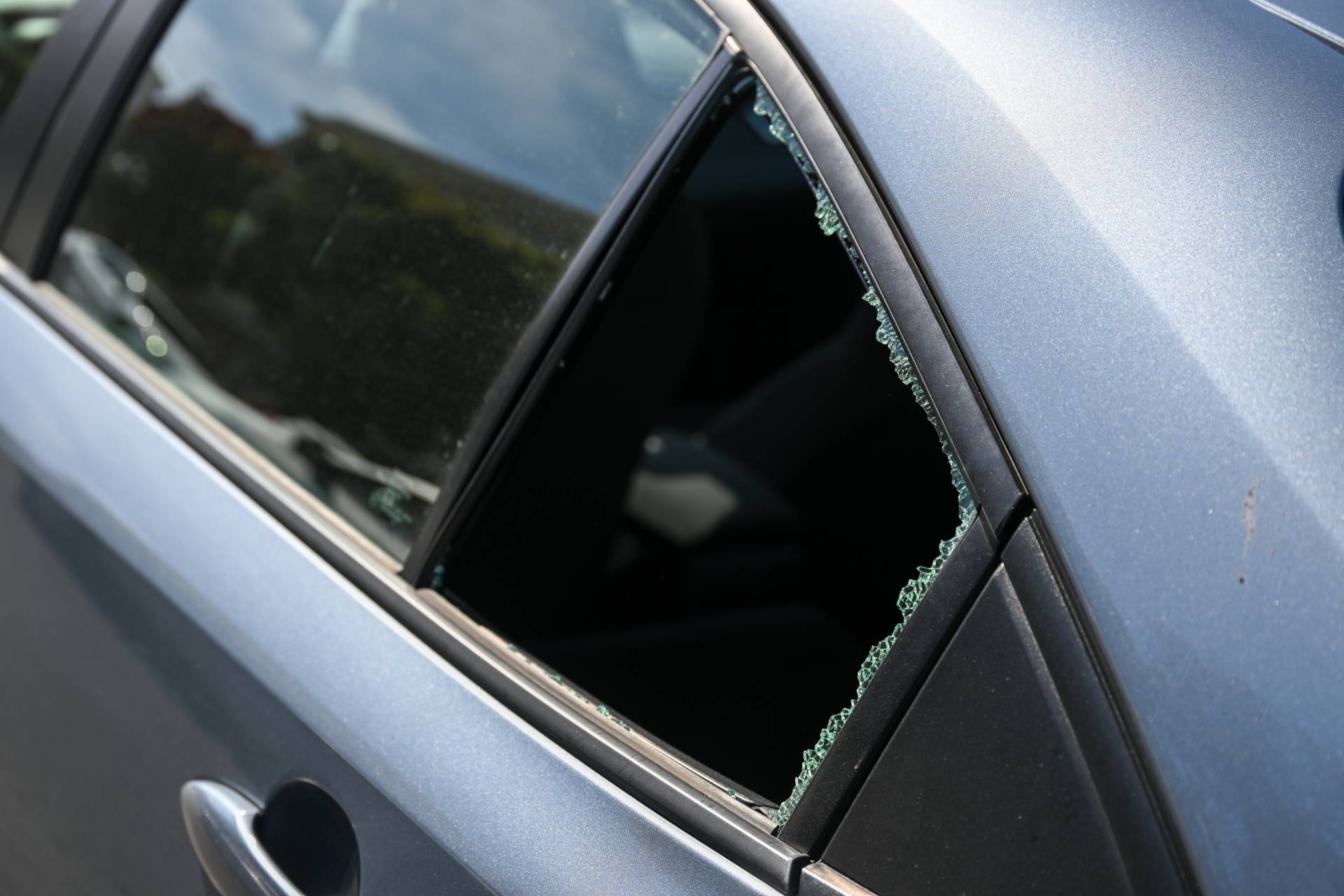
Credit: www.kqed.org
Insurance Considerations
Deciding whether to report a car break-in without theft can be tricky. Reporting may help track crime trends and protect you. Check your insurance policy for coverage details, as it might require documentation of any incidents.
When you discover your car has been broken into, it can be a distressing experience, even if nothing is stolen. Reporting the incident might seem unnecessary if the thief left empty-handed, but understanding the insurance implications is crucial. Your decision can impact your future claims and even your insurance premiums.Does Reporting Affect Your Premium?
You might wonder if notifying your insurance company about a break-in with no theft will cause your premium to skyrocket. Insurers assess risk based on various factors, and a reported break-in can indicate you’re in a high-risk area. Some policies might adjust your premiums accordingly, while others won’t change unless you file a claim. Always review your policy details and speak with your agent to understand how your report might impact your costs.Potential For Future Claims
Imagine your car is broken into again, and this time you suffer significant damage or loss. Having a prior report can support your claim, showcasing a pattern of incidents. It’s like building a case history that demonstrates ongoing risk. This can be particularly helpful if the insurer questions the legitimacy of a new claim. Maintaining a record might ensure smoother processing and validation of future claims.Documentation Helps In Unexpected Ways
Keeping detailed records of every incident, even minor ones, can be surprisingly beneficial. If your car’s window was smashed during the break-in, that’s damage worth noting. Documenting it can validate any related claims for repairs later. Plus, comprehensive records might assist law enforcement in identifying recurring patterns or suspects in your area. You never know when your documentation will come in handy.Think About Deductibles And Coverage
Consider whether your deductible outweighs the cost of any damage incurred. If repairs are minor, paying out of pocket might be smarter, preserving your no-claim bonus. However, if damage escalates in future incidents, having a report might be beneficial. Check if your policy covers damage without theft, as some plans do. Knowing the specifics of your coverage is key to making informed decisions.Evaluate Your Personal Peace Of Mind
Ultimately, how does reporting affect your peace of mind? If you’re worried about another break-in, reporting might give you comfort, knowing you’re proactive in addressing the issue. It might not always be about the financial aspects; sometimes, it’s about feeling secure and protected. Consider your personal priorities and how reporting aligns with them. Is your peace of mind worth the potential impact on your premium?Impact On Crime Statistics
Reporting a car break-in, even if nothing was stolen, influences crime statistics. Accurate data helps law enforcement understand local crime patterns. It contributes to community safety and resource allocation.
Reporting a car break-in, even when nothing is stolen, might seem pointless. But have you ever wondered how it influences crime statistics? These numbers impact police priorities and community safety measures. Your report could be the missing piece in understanding and addressing crime trends.How Your Report Affects Police Resources
When you report a break-in, it signals to law enforcement that your area needs attention. Police allocate resources based on crime data. So, even if nothing was stolen, your report helps them identify patterns and hotspots. This can lead to increased patrols, making your neighborhood safer.Community Awareness And Prevention
Imagine if everyone reported car break-ins. The community would have a clearer picture of local crime issues. With accurate statistics, community meetings can address real concerns. This collective awareness can lead to more effective crime prevention strategies. You play a part in protecting your neighborhood.The Importance Of Accurate Crime Statistics
Accurate crime statistics drive policy changes. If areas show a rise in break-ins, local governments may fund better security measures. Your report contributes to a broader understanding of crime trends, influencing decisions that affect everyone.Personal Responsibility And Civic Duty
Think about the impact of your actions. By reporting, you fulfill a civic duty that supports community safety. Your decision to report sets an example for others. It encourages a culture of vigilance and responsibility. Would you choose to be part of the solution?Potential Consequences Of Not Reporting
Ignoring a break-in could skew crime stats, leading to less attention in your area. If everyone ignores minor incidents, major crimes might go unnoticed. Your report ensures that your community gets the protection it needs.Final Thoughts: Taking Action
Consider the broader impact of your actions. Reporting a break-in, even when nothing is stolen, contributes to a safer community. Wouldn’t you want to live in a neighborhood where everyone works together to improve safety? Your report matters. Take action and be a proactive member of your community.Police Resources And Response
Reporting a car break-in, even if nothing was stolen, helps police track crime patterns. Sharing information ensures better resource allocation and response. Alerting authorities can prevent future incidents and safeguard the community.
When faced with a car break-in, even if nothing is stolen, you might wonder whether it’s worth reporting to the police. Understanding the role of police resources and their response can help you make an informed decision. Reporting such incidents can contribute to community safety and ensure law enforcement is aware of potential threats.Assessing Police Resources
Police departments have finite resources. When you report a car break-in, even if nothing is stolen, it helps them allocate their efforts effectively. Your report might reveal a pattern or trend in a specific area, prompting increased patrol or surveillance. This can prevent future crimes and improve public safety.Response Times And Priorities
Police prioritize emergencies and violent crimes. A car break-in without theft may not seem urgent, but it still matters. Your report ensures the incident is logged. If there’s a surge in similar reports, it can escalate the priority and attention from law enforcement.Community Impact
Imagine your neighborhood feels safe, but there’s a surge in break-ins. Reporting each incident, even minor ones, can change the police’s strategy. Your report could be the tipping point that brings more patrols to your area, enhancing security for everyone.Personal Experience: A Wake-up Call
Once, my car was broken into, and nothing was taken. I hesitated to report it, thinking it was a waste of time. However, after talking to neighbors, I discovered similar incidents had occurred. Reporting helped us get more local patrols, and the break-ins stopped.Why Your Report Matters
You might think a minor incident isn’t worth police time, but every report contributes to a bigger picture. Your case could be the missing piece that helps solve a larger crime pattern. If you hesitate to report, ask yourself: Could this help prevent future incidents in my community? Your action could make a difference.Personal Safety And Security
Reporting a car break-in, even if nothing was stolen, can help authorities track crime patterns. It also assists in increasing police presence in the area. Sharing details may prevent future incidents and ensure community safety.
Personal safety and security are top priorities for everyone. When your car is broken into, it’s not just about the potential loss of items, but also about how secure you feel afterward. Even if nothing was stolen, the incident can leave you feeling vulnerable and anxious.Understanding The Impact On Your Sense Of Safety
Have you ever stepped out to your car and noticed something off, like a window slightly cracked or a door ajar? Even when nothing is missing, these signs can make your heart race. It’s a stark reminder that your personal space was violated. Reporting the incident can help restore a sense of control and security.Helping The Community By Reporting
Your experience, although seemingly minor, could be part of a bigger pattern. Reporting even unsuccessful break-ins gives law enforcement valuable data. This helps them identify trends and potentially catch repeat offenders, making the community safer for everyone.Taking Proactive Steps For Future Safety
After reporting, take time to assess how you can enhance your car’s security. Consider installing a dash cam or upgrading your car’s alarm system. These actions not only deter potential thieves but also give you peace of mind.Evaluating Your Emotional Response
How do you feel about your safety after the incident? It’s normal to feel uneasy or stressed. Talking to friends, family, or a counselor can help process these emotions and reaffirm your sense of security.Engaging With Local Neighborhood Watch Programs
Joining or starting a neighborhood watch can be a proactive way to enhance security. Sharing your experience with others can alert them to potential dangers. Together, communities can create a safer environment by staying informed and vigilant. The decision to report a car break-in, even if nothing was taken, is personal. It’s about reclaiming your sense of security and contributing to the safety of your community. What steps will you take to feel secure again?Community Awareness
Community awareness is a key element in neighborhood safety. Reporting car break-ins, even if nothing was stolen, can enhance this awareness. It helps build a vigilant community, alert to potential threats. This vigilance can deter future crimes and foster a safer environment for everyone.
Understanding The Importance Of Reporting
Reporting a car break-in sends a message to local authorities. It highlights areas where crime is occurring, even without theft. This information is vital for law enforcement. They can increase patrols and monitor high-risk zones. It also helps in gathering data on crime trends.
Building A Stronger Neighborhood Network
Sharing your experience with neighbors strengthens community ties. It encourages others to be more observant and cautious. A strong neighborhood network can effectively reduce crime. When people unite, they can watch out for each other.
Encouraging Preventive Measures
Awareness encourages neighbors to take preventive actions. Installing better lighting or security cameras can deter criminals. Simple measures like locking car doors can make a difference. Community awareness promotes these practical steps.
Fostering A Sense Of Security
Knowing that others are vigilant creates a sense of security. People feel safer when they know their community is watchful. Reporting even minor incidents contributes to this feeling. It shows that everyone plays a part in safety.
Empowering The Community
Community awareness empowers individuals to take action. It reminds them that their actions matter. Reporting a car break-in, even if nothing is stolen, is a powerful step. It helps everyone stay informed and prepared.
Preventive Measures
Car break-ins can be unsettling, even if nothing was stolen. Reporting such incidents is crucial for community safety. Taking preventive measures can reduce the chances of future break-ins. Simple actions can make a big difference.
Securing Your Vehicle
Always lock your car doors and close windows completely. Park in well-lit areas to deter potential thieves. Keep valuables hidden or take them with you. Use steering wheel locks for added security. Regularly check your car’s security system. These steps can discourage break-ins.
Neighborhood Watch Programs
Join or start a neighborhood watch program. This can enhance community safety. Neighbors can look out for each other. Share information about suspicious activities. This creates a safer environment for everyone. Encourage others to participate. Collective effort can prevent crime effectively.

Credit: www.instagram.com
Assessing The Situation
Car break-ins can be unsettling, even if nothing was stolen. You find yourself caught in a dilemma—should you report it or not? Assessing the situation is crucial. It helps you determine the right course of action without unnecessary stress. Let’s break it down to make it simpler.
Evaluating Evidence Of Break-in
Start by checking for signs of a break-in. Are there scratches on the door or broken glass? Sometimes, thieves leave behind subtle clues. Look for items out of place inside your car. They might have rummaged through your glove compartment or console.
Take photos of any damage or oddities. It’s easy to forget these details later. You might think it’s just a minor scratch, but it can be key evidence. Consider talking to neighbors who might have seen something. Was anyone in the area acting suspiciously?
Deciding On Reporting
Now, ask yourself: does reporting the break-in make sense? It’s not just about stolen items. Think about your peace of mind and community safety. Reporting can help police track patterns, even if nothing was taken.
If you hesitate, consider how you’d feel if it happened again. Reporting can deter future incidents. It’s not just about you; it’s about protecting your neighborhood. Have you considered how insurance might view the situation? They often need reports for claims, even for minor damages.
Ultimately, trust your gut. What does your intuition say? Your decision impacts more than just your car; it influences community safety. Would you prefer to take action or let it slide? The choice is yours, and each option has its own benefits.

Credit: www.instagram.com
Frequently Asked Questions
What To Do If Your Car Got Broken Into But Nothing Stolen?
Report the incident to the police immediately for documentation. Check the car for damage and take photos. Secure your vehicle by repairing any broken locks or windows. Inform your insurance company to assess coverage options. Consider installing a security system to prevent future break-ins.
Do I Have To Report A Car Break-in?
Yes, you should report a car break-in. Inform the police and your insurance company immediately. Reporting helps with investigations and claims. It also aids in recovering stolen items and preventing future incidents. Always document the damage and stolen items for accurate reporting.
Should I Report Someone Trying To Break Into My Car?
Yes, report it immediately. Contact local authorities to ensure your safety and help prevent potential theft. Providing details can assist police investigations and contribute to community safety. Always prioritize your safety and act promptly.
How To Tell If Someone Broke Into Your Car?
Check for broken windows or damaged locks. Look for missing items inside the car. Notice any unusual interior disarray or misplaced items. Inspect for forced entry marks around doors or windows. Listen for any alarm history or alerts.
Conclusion
Reporting a car break-in holds value. It helps the police track crimes. Informs your insurance about potential risks. Even without theft, evidence might be crucial. Reporting can prevent future break-ins. It raises awareness in your neighborhood. Helps keep your community safe.
Always prioritize safety and responsibility. Trust your instincts. Sharing information benefits everyone. Stay informed and protect your property. Your actions might safeguard others. Remember, every report contributes to a safer environment. Take action for peace of mind.

Ethan Montgomery is the administrator of carweldhub.com and an expert in the automotive industry. With hands-on experience in welding and a deep understanding of automotive parts and accessories, Ethan brings a wealth of practical knowledge to his work. His passion for the automotive field extends to blog writing and editing, where he shares valuable insights and tips with enthusiasts and professionals alike. Whether you’re looking for detailed technical advice or the latest trends in automotive technology, Ethan’s expertise makes him a trusted resource in the automotive community.