Why is My Car Idling High? Discover Hidden Causes!
You’re sitting at a red light, and suddenly you notice your car’s engine is revving higher than usual. It sounds like it’s racing, even though your foot isn’t on the gas.
This unsettling experience can leave you puzzled and worried about what’s going on under the hood. Why is your car idling high? How does a car even ingest the reefer? Understanding the reasons behind this common issue can help you maintain your vehicle’s health and avoid costly repairs.
We’ll delve into the possible causes of high idling and what you can do to fix it. Stay with us to discover practical solutions that will ease your mind and keep your car running smoothly.
Credit: www.youtube.com
Common Causes
Experiencing high idling in your car can be frustrating. It leads to increased fuel consumption and potential engine damage. Understanding the common causes helps you address the issue promptly.
Faulty Idle Air Control Valve
The Idle Air Control Valve regulates engine speed when idle. If it’s faulty, your car might idle high. Dirt or carbon buildup can cause the valve to malfunction. Cleaning or replacing it often resolves the problem.
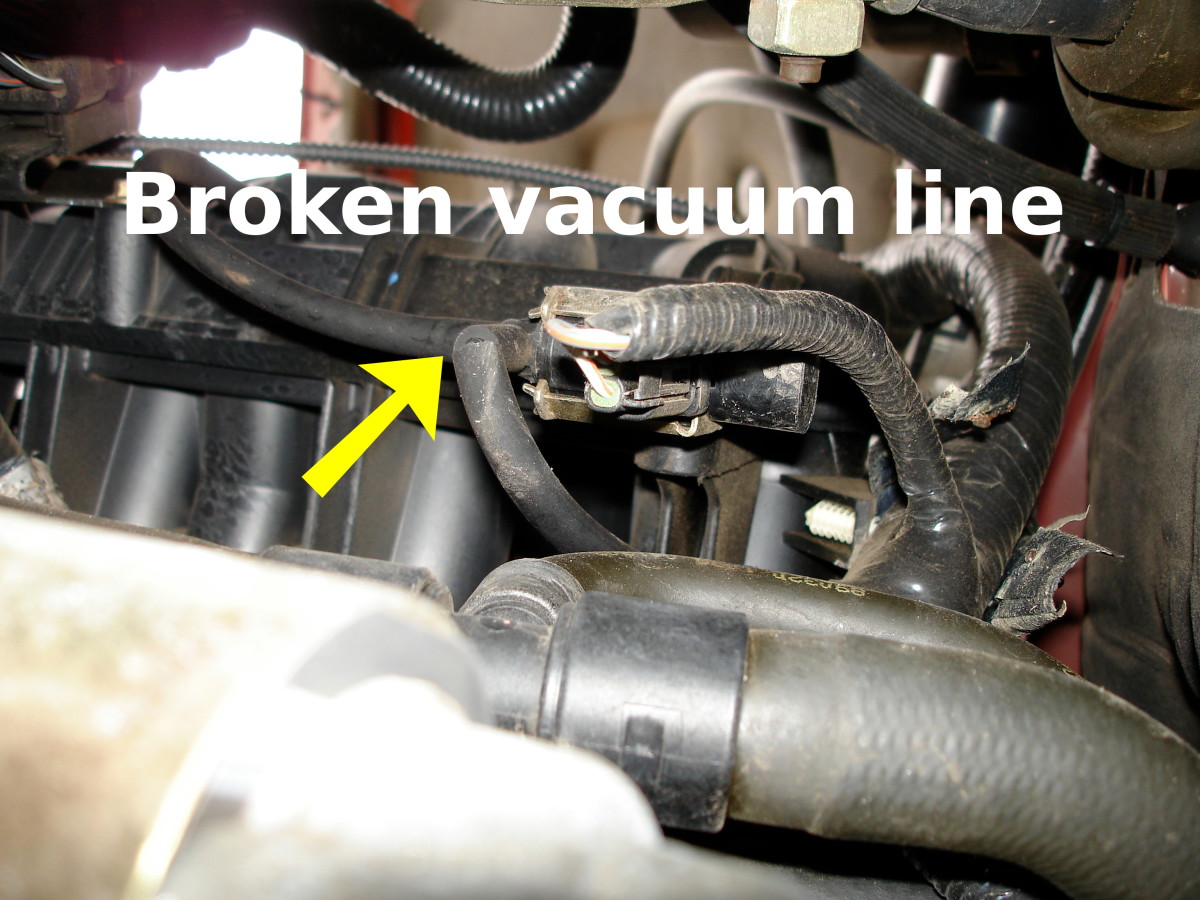
Vacuum Leaks
Vacuum leaks disrupt the air-fuel mixture. This can cause the engine to idle high. Cracks in vacuum hoses are common culprits. Inspect hoses for damage and replace if necessary.
Malfunctioning Mass Airflow Sensor
The Mass Airflow Sensor monitors air entering the engine. A malfunctioning sensor sends incorrect data. This can result in a high idle. Cleaning the sensor or replacing it can fix the issue.
Credit: discover.hubpages.com
Mechanical Issues
High idling in cars can stem from various mechanical issues. Possible causes include a malfunctioning idle air control valve, vacuum leaks, or a faulty throttle position sensor. Addressing these problems promptly ensures smoother engine performance and better fuel efficiency.
Understanding why your car is idling high can be frustrating, but pinpointing the mechanical issues is a great place to start. These problems can often be the culprits behind the unusually high idle. It’s essential to recognize them to prevent further damage and maintain your car’s performance. Let’s explore some common mechanical issues that might be causing your car to idle high.
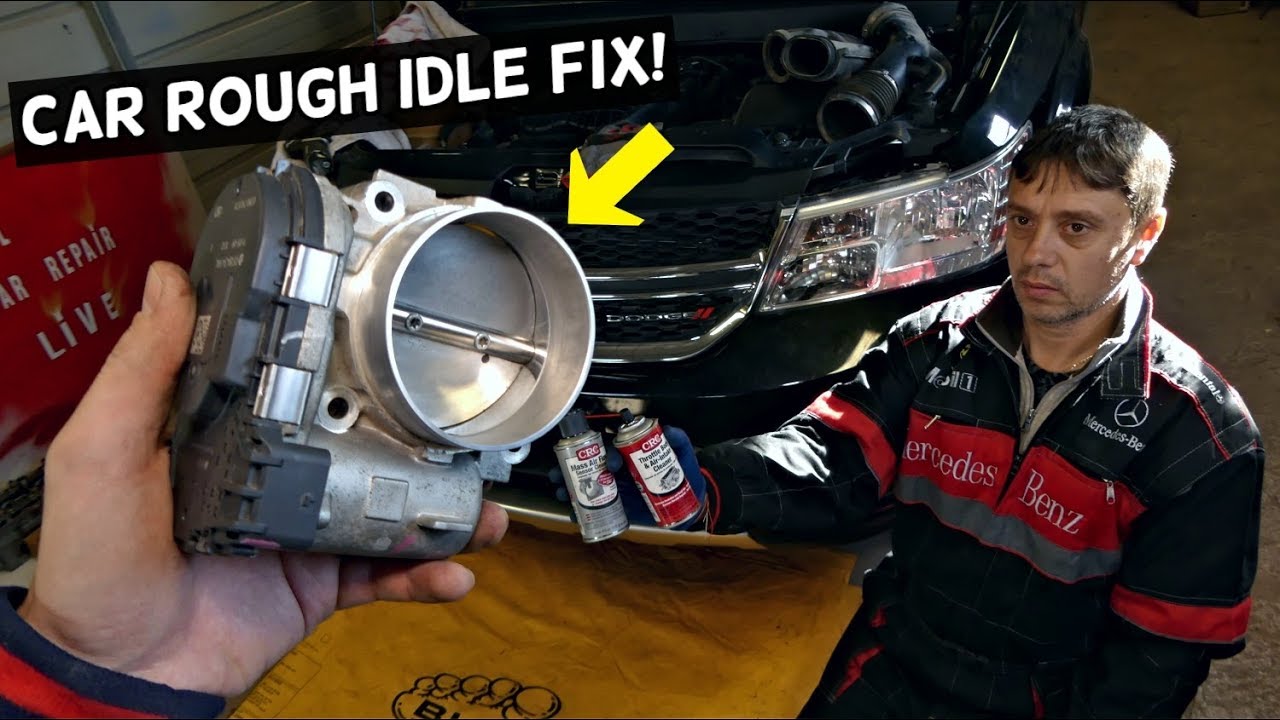
Worn Out Throttle Body
The throttle body is a critical component that regulates the amount of air entering the engine. When it wears out, it can mismanage air intake, causing your car to idle high. Imagine your throttle body as the gatekeeper of air flow. A dirty or malfunctioning throttle body can lead to incorrect readings, resulting in the engine receiving more air than necessary. Have you ever noticed your car revving up at a stoplight? That’s a tell-tale sign of this issue. It’s a simple fix in many cases—cleaning or replacing the throttle body can restore balance. Addressing this can save you from unexpected hiccups on your next road trip.
Sticking Accelerator Cable
A sticking accelerator cable can be another sneaky culprit behind high idling. This cable links your foot pedal to the throttle body, controlling acceleration. If it’s sticking, your car might feel like it’s got a mind of its own, revving up without any input from you. Think about the times you’ve felt your car surge forward unexpectedly. A sticky cable can cause this by failing to return to its resting position. Regular maintenance checks can catch this issue early. Lubricating or replacing the cable can ensure smooth operation and keep your car’s idle in check. Have you ever thought about how this tiny cable can impact your driving experience so significantly? Keeping it in top shape is crucial for those smooth, controlled drives you love. By addressing these mechanical issues, you’ll not only fix the high idling but also enhance your car’s overall performance. What actions will you take to ensure your car stays in peak condition?
Electrical Problems
Electrical problems can be a hidden culprit when your car starts idling high. You might find yourself puzzled, wondering why your once-smooth ride is now behaving unpredictably. Electrical issues affect the brain of your car, influencing various systems. Let’s explore some common electrical problems that could be the reason behind your car’s erratic idling.
Faulty Engine Control Unit
The Engine Control Unit (ECU) is essentially your car’s computer. It processes information from various sensors to manage engine functions. A faulty ECU can misinterpret sensor data, causing your car to idle higher than normal.
Imagine your car is like a robot, and the ECU is its brain. If the brain starts sending mixed signals, you might notice your car revving up unexpectedly. This might seem like a small glitch, but it can lead to bigger issues if not addressed.
Consider checking if your ECU is functioning correctly. A simple diagnostic test at your local auto shop can reveal if this is the root cause. This small step could save you from further complications down the road.
Bad Spark Plugs Or Wires
Spark plugs are vital for igniting the fuel-air mixture in your car’s engine. If they’re worn out or damaged, they might not spark efficiently, leading to high idling.
I once faced this issue on a road trip. The car started idling loudly, and it turned out to be faulty spark plugs. Replacing them was a quick fix, restoring my car’s smooth performance immediately.
Inspect the spark plugs and wires regularly. Look for signs of wear like corrosion or cracks. Replacing them when they show signs of damage not only solves idling issues but also ensures better fuel efficiency and smoother rides.
Have you ever considered how these electrical components might be affecting your car’s performance? Regular checks and timely replacements can prevent unexpected surprises and keep your car in peak condition. Addressing these electrical problems will not only resolve high idling but also ensure a longer life for your vehicle.

Credit: skywondergps.com
Fuel System Concerns
Experiencing your car idling high can be frustrating, especially when you’re unsure of the cause. One critical area you should investigate is the fuel system. A malfunctioning fuel system can lead to numerous issues, including high idling. Let’s dive into some common fuel system concerns that might be affecting your car’s performance.
Dirty Fuel Injectors
Have you ever noticed your car sputtering or hesitating? This could be a sign of dirty fuel injectors. When fuel injectors become clogged, they can disrupt the fuel flow to your engine. This inefficiency can lead to high idling as the engine compensates for the lack of fuel delivery.
Consider this: you’ve been using your car daily for months without a fuel injector cleaning. Accumulated dirt and debris can cause your car to idle erratically. Regular cleaning of the injectors can often resolve these issues, improving your car’s idle speed and overall performance.
Clogged Fuel Filter
A clogged fuel filter can be a silent troublemaker. Its primary job is to ensure that clean fuel reaches the engine. When it’s blocked, your engine might struggle to get the right amount of fuel, leading to high idling.
Imagine driving on a highway, and suddenly your car seems to rev higher than usual. This might be due to a fuel filter that’s seen better days. Replacing a clogged filter is a simple yet crucial maintenance task that can restore your car’s normal idling speed.
Both dirty fuel injectors and clogged fuel filters can affect how smoothly your car runs. Are you noticing signs of high idling? It’s worth checking your fuel system components. Regular maintenance can prevent these issues and keep your car running efficiently. What steps can you take today to ensure your fuel system is in top shape?
Temperature-related Factors
When your car starts idling high, it can be a bit concerning, especially if you don’t know why it’s happening. One of the primary culprits could be temperature-related factors. As we dive into this subject, you’ll learn how various temperature issues can affect your car’s idling speed, potentially saving you from costly repairs. From cold engine conditions to issues with your coolant temperature sensor, understanding these elements can keep your car running smoothly.
Cold Engine Conditions
Imagine it’s a chilly morning, and your car is reluctant to cooperate. You start the engine, and it revs higher than usual. This is because engines naturally idle higher when they’re cold to reach optimal operating temperature faster. To ensure your car performs well, allow it to warm up for a few minutes before driving off. This simple habit can prevent undue stress on the engine and can also extend its lifespan. It’s a small step, but it makes a big difference, especially in winter months.
Defective Coolant Temperature Sensor
Your car’s coolant temperature sensor plays a crucial role in how the engine manages its temperature. A faulty sensor can send incorrect data to the car’s computer, leading to a high idle. This could happen even when your car has warmed up, which can be frustrating. To address this, get the sensor checked if you suspect it’s faulty. It might need a replacement, which is a relatively inexpensive fix compared to the potential damage of ignoring the issue. Have you noticed your car idling high despite normal operating temperatures? It might be worth looking into this often-overlooked component.
Maintaining your car involves understanding how even the smallest components, like the coolant temperature sensor, can impact performance. Always be vigilant and proactive in addressing these issues to ensure a smooth driving experience.
Maintenance Tips
High idling can signal issues with your car. Possible causes include a malfunctioning throttle, vacuum leaks, or a faulty idle air control valve. Regular maintenance and quick fixes can prevent engine damage and keep your car running smoothly.
If you’ve ever found yourself asking, “Why is my car idling high?”, you’re not alone. High idling can be a sign of underlying issues that need attention, but with the right maintenance tips, you can keep your car running smoothly. Taking proactive steps not only keeps your vehicle in top shape but also prevents costly repairs down the line. Here’s how you can stay on top of your car’s health with regular maintenance tips.
Regular Inspections
Make it a habit to inspect your car regularly. A simple monthly check can uncover issues before they turn into big problems. Look under the hood for any loose or worn-out belts. Listen for unusual noises when the engine is running. Check fluid levels, like oil and coolant, to ensure they’re at the correct levels. This helps maintain optimal engine performance. You can also keep an eye on the air filter. A clogged filter can restrict air flow, causing the engine to idle high.
Timely Replacements
Timely replacement of car components is essential. Ignoring worn parts can lead to more severe issues. Replace spark plugs and wires as recommended in your car’s manual. These components play a crucial role in engine performance. Keep an eye on the throttle body. If it’s dirty, it can cause high idling. Cleaning it or replacing it, if necessary, can help. Your car’s oxygen sensor should also be in good condition. A faulty sensor can throw off the air-fuel mixture, affecting idle speed. Have you ever noticed your car idling high after neglecting a simple replacement? It’s amazing how small parts can make a big difference. Taking the time to address these maintenance tips can enhance your driving experience and save you from unexpected headaches. Are you ready to take control of your car’s health? Regular inspections and timely replacements are your best allies.
Frequently Asked Questions
How To Fix A Car That Idles High?
Check for vacuum leaks and repair if necessary. Clean the throttle body and ensure proper connection. Adjust idle speed control valve and inspect the air filter. Replace faulty sensors like the mass airflow sensor. Consult a mechanic if the issue persists.
Regular maintenance prevents high idling problems.
Why Is My Car Idling High When Parked?
Your car might idle high due to issues like a faulty idle control valve, vacuum leaks, or a malfunctioning throttle sensor. A dirty air filter or spark plugs can also be the cause. Consider checking these components and consult a mechanic for accurate diagnosis and repair.
Can High Idle Damage An Engine?
High idle can cause increased engine wear and overheating. Prolonged high idle might damage engine components and reduce efficiency. Regular maintenance and proper engine settings help prevent potential issues. Avoid extended periods of high idle for optimal engine health.
Why Is My Car Revving Too High When Idling?
Your car might rev too high when idling due to a vacuum leak, faulty idle control valve, or throttle issues. Inspect the throttle position sensor and check for clogged air filters. Consult a mechanic for accurate diagnosis and repair. Regular maintenance prevents these problems.
Conclusion
High idling in your car can signal several issues. It might be a dirty air filter or a vacuum leak. Check the throttle body or idle control valve too. These parts can cause problems. Addressing these issues early is crucial.
It helps maintain your car’s performance. Regular maintenance can prevent high idling. This keeps your car running smoothly. Don’t ignore the signs. Seek professional help if needed. Your car will thank you. Keep it in good condition for a longer lifespan.
Understanding your car’s needs ensures a safer drive.

Ethan Montgomery is the administrator of carweldhub.com and an expert in the automotive industry. With hands-on experience in welding and a deep understanding of automotive parts and accessories, Ethan brings a wealth of practical knowledge to his work. His passion for the automotive field extends to blog writing and editing, where he shares valuable insights and tips with enthusiasts and professionals alike. Whether you’re looking for detailed technical advice or the latest trends in automotive technology, Ethan’s expertise makes him a trusted resource in the automotive community.