What 2 Things Do Tires Need for a Race Car: Ultimate Guide
Imagine you’re behind the wheel of a race car, the adrenaline pumping as you prepare for the high-speed thrill of the track. But before you hit the accelerator, there’s something crucial you need to know: your tires.
These often-overlooked components are the unsung heroes of racing, and understanding what they need can make all the difference between finishing first and being left in the dust. We’ll reveal the two essential things your race car tires must have to perform at their best.
Whether you’re a seasoned racer or a curious enthusiast, this knowledge will empower you to make informed choices and optimize your racing experience. Curious to discover the secrets to maximizing tire performance on the track? Keep reading to uncover the details that could revolutionize your race day strategy.
Tire Compound
Tires for race cars need grip and durability. The tire compound determines how well they stick to the track. A good balance ensures speed and safety during races.
When it comes to racing, the tire compound is one of the most critical factors that can determine your success on the track. Imagine a race car zipping around the circuit, its tires gripping the asphalt with precision. That’s the magic of the right tire compound. But what makes it so essential? Let’s dive into the specifics to understand better.Importance Of Rubber Composition
The rubber composition of a tire is like its DNA, fundamentally affecting performance. Different compounds offer varying levels of hardness and softness, which directly influence how the tire behaves. A softer compound provides better grip but might wear out quickly, while a harder one lasts longer but offers less traction. Choosing the right rubber composition is a balancing act. It’s about finding that sweet spot between durability and performance. Your choice can be the difference between overtaking a competitor and slipping behind.Temperature Adaptability
Temperature plays a crucial role in how a tire compound performs. Racing conditions can range from scorching heat to cool evenings, and your tires need to adapt. A compound that’s too hard might not heat up enough to grip well, while one that’s too soft could overheat and degrade quickly. Think of a time you wore the wrong clothes for the weather. Uncomfortable, right? Tires feel the same way. Selecting a compound that maintains optimal performance across temperature variations ensures consistency and reliability during a race.Grip And Traction Enhancement
Grip and traction are the lifeblood of racing tires. The compound determines how well the tire sticks to the track, especially during sharp turns and high-speed maneuvers. An enhanced grip allows for aggressive driving, enabling you to push limits safely. Have you ever tried running on a slippery surface? It’s challenging to maintain control. Similarly, a good tire compound enhances traction, giving you confidence and control on the track. Choosing the right compound can transform your driving experience, providing a competitive edge. In your next race, consider these aspects of tire compounds carefully. They might just be the secret weapon you need for victory. What tire compound will you choose to propel you to the finish line?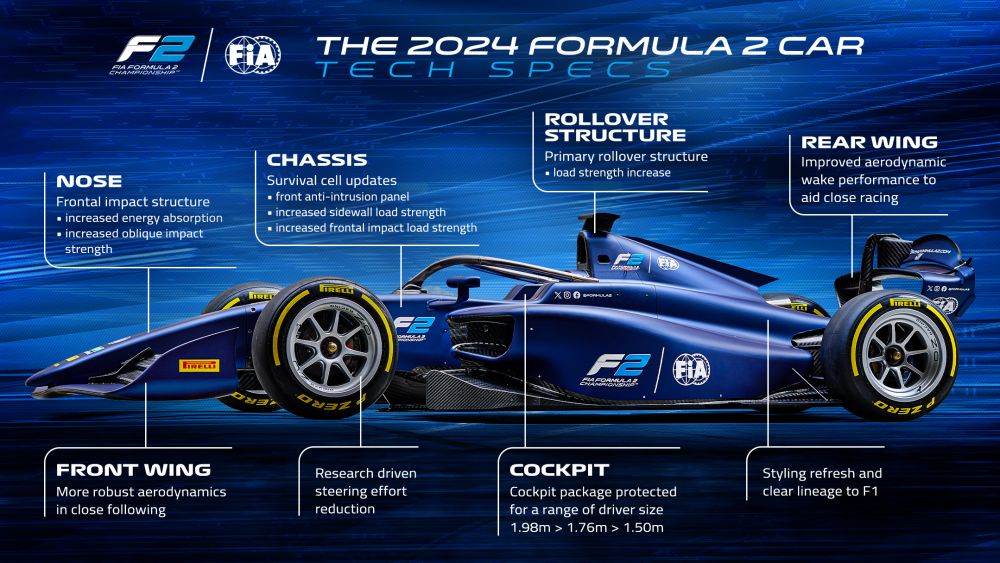
Credit: www.fiaformula2.com
Tire Tread
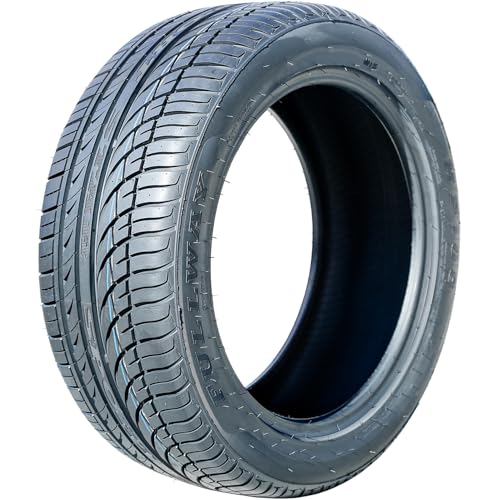
Tires require grip and durability for a race car. Good tire tread ensures excellent traction on the track. Strong materials withstand high speeds and tough conditions.
Tire tread is a crucial element for race car tires. It directly impacts the car’s performance on the track. Understanding the role of tire tread can make a significant difference in your racing experience.Role Of Tread Patterns
Tread patterns are not just for show. They determine how well your tires grip the track. Without the right tread, even the most powerful race car may struggle to maintain traction. Different tracks require different tread patterns. A slick tread might be perfect for a dry track. Meanwhile, a more complex pattern may be needed for wet conditions. Consider your racing style and the typical conditions you face. This helps you choose the optimal tread pattern for your race car.Water Displacement Efficiency
Driving in wet conditions is challenging. Tires with effective water displacement can make it easier. They channel water away quickly, reducing the risk of hydroplaning. Think about the last time you drove in the rain. Did your tires feel secure? If not, it might be time to evaluate their water displacement efficiency. Look for tires designed specifically for wet conditions. The right tread can give you confidence on a rainy track.Wear And Longevity Considerations
Tire wear affects your race car’s performance. Over time, tread can wear down, reducing grip. Regularly checking tire wear can prevent surprises on the track. Consider the longevity of your tire tread. Are you replacing tires more frequently than expected? It might be due to aggressive driving or unsuitable tread. Selecting the right tread can extend your tire’s life. This saves you money and ensures consistent performance. Always weigh the benefits of longer-lasting tread against their initial cost. Are you ready to rethink your tire tread strategy for your race car?Tire Pressure Management
Tire pressure management is crucial in race car performance. Properly managed pressure ensures tires grip the track effectively. It balances speed, stability, and safety during races. Incorrect pressure can lead to poor handling or even tire failure. This section explores the impact of tire pressure on performance, adjusting for track conditions, and tools for monitoring pressure.
Impact On Performance
Tire pressure directly affects a race car’s performance. Low pressure increases tire contact with the track. This boosts grip but can slow the car down. High pressure reduces contact, lowering grip but increasing speed. Finding the right balance is key. It ensures the car handles well and maintains speed. Proper pressure can shave seconds off lap times. This is crucial in competitive racing.
Adjusting For Track Conditions
Track conditions vary and affect tire pressure needs. Wet tracks require different pressure than dry ones. On wet tracks, slightly lower pressure can increase grip. This prevents slipping and sliding. On hot days, pressure may rise naturally. Adjusting pressure ensures optimal performance. Understanding track conditions helps in making these adjustments. It keeps the car safe and competitive.
Tools For Monitoring Pressure
Monitoring tire pressure is essential in racing. Digital pressure gauges provide accurate readings. They are easy to use and reliable. Tire pressure monitoring systems (TPMS) alert drivers to changes. They help maintain the right pressure during races. Regular checks prevent sudden pressure drops or increases. This keeps the car performing at its best.

Credit: www.facebook.com
Aerodynamics And Tire Design
Race car tires are crucial for performance on the track. Two essential aspects are aerodynamics and tire design. These factors ensure speed, stability, and overall effectiveness. Proper tire design affects how air flows around the car. This can impact how fast and stable it moves. Engineers focus on tire design to enhance race car efficiency.
Influence On Speed And Stability
Aerodynamics directly affect a race car’s speed. Tires need to cut through air smoothly. They must minimize air resistance. Less resistance means faster speeds. Stability is also crucial. Proper tire design helps maintain grip. This prevents slipping during high-speed turns. Stability ensures the driver feels in control.
Balancing Downforce
Downforce keeps the car glued to the track. Tires play a role in balancing downforce. They must provide enough grip. Grip keeps the car stable during acceleration. Engineers design tires to optimize downforce. This balance is key for cornering and straight-line speed.
Design Innovations
Innovations in tire design continue to evolve. Engineers experiment with new materials. They test tread patterns for better grip. Each innovation aims to improve performance. Tire design must adapt to different track conditions. These changes can enhance speed and control. Continuous improvement keeps race cars competitive.
Testing And Feedback
Testing and feedback are crucial for optimizing race car tires. You might wonder how these tires are developed to perform at their best. It all comes down to collecting data, collaborating with the team, and continually improving based on feedback. This process ensures that the tires not only meet the demands of the track but also complement the driver’s style and strategy. Let’s dive into how these elements come together.
Data Collection Techniques
Gathering accurate data is the first step in testing race car tires. Sensors on the car measure tire pressure, temperature, and wear during testing. You might be surprised how much insight these simple metrics provide.
Data loggers capture the car’s behavior in various conditions. This helps teams understand how the tires react to different speeds and track surfaces. Have you ever thought about how crucial every small piece of information can be?
Video analysis is also used to observe tire performance visually. Engineers review footage to spot any inconsistencies. This approach helps to correlate what the data suggests with what is physically happening on the track.
Driver And Engineer Collaboration
Effective collaboration between drivers and engineers is vital. Drivers provide firsthand feedback on how the tires feel during a race. Their input can reveal insights that raw data might miss.
Engineers translate this feedback into actionable changes. They adjust tire settings based on the driver’s experience. Have you ever considered how a driver’s intuition can shape technical decisions?
Regular meetings between drivers and engineers ensure everyone is aligned. This communication loop is essential for quick adaptations and improvements. It highlights the importance of teamwork in achieving optimal tire performance.
Iterative Improvement Processes
Improvement in tire performance is an ongoing process. Teams test various tire compounds and structures to find the best fit. You might wonder how often these tires are adjusted and refined.
Feedback from testing sessions leads to incremental changes. These tweaks can make a big difference in race outcomes. Isn’t it fascinating how small adjustments can impact speed and handling?
Continuous testing ensures that tires evolve with the demands of the sport. This iterative process keeps the team ahead of the competition. It shows the relentless pursuit of excellence in racing.
Testing and feedback are more than just technical processes—they’re about teamwork, adaptation, and striving for perfection. As you consider these elements, think about how they apply to challenges in your own life. Are there areas where testing, feedback, and collaboration could lead to improvement?

Credit: www.instagram.com
Frequently Asked Questions
What Do They Put In Race Car Tires?
Race car tires contain specialized rubber compounds for durability and grip. They are filled with nitrogen gas. Nitrogen maintains consistent pressure and temperature during races, enhancing performance. Advanced tread designs ensure optimal traction and control at high speeds. These features are tailored for racing conditions to maximize speed and safety.
What Does Nascar Put In Tires?
NASCAR uses nitrogen to fill their tires. Nitrogen helps maintain tire pressure consistently. It reduces the risk of tire blowouts during high-speed races. This ensures better performance and safety on the track.
How Are Nascar Tires Attached?
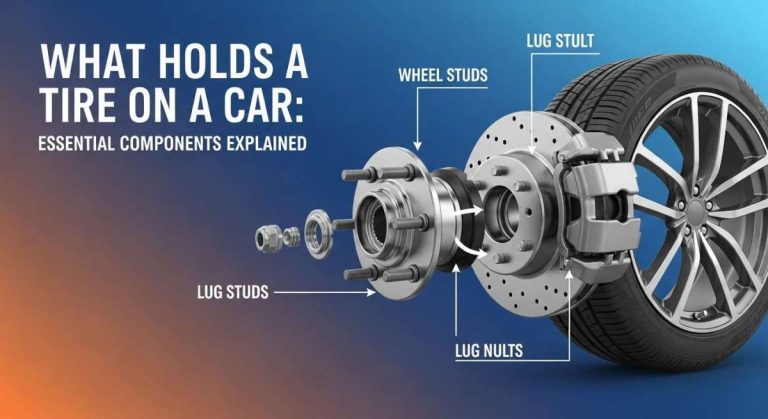
NASCAR tires are attached using five lug nuts. Pit crew members use high-speed impact wrenches to secure them quickly. This ensures the tires are tightly fastened, providing stability and safety during the race. The process is crucial for efficient pit stops and optimal vehicle performance.
What Are Formula 1 Tires Filled With?
Formula 1 tires are filled with nitrogen gas. Nitrogen reduces moisture, minimizing pressure variations. This ensures consistent tire performance during races.
Conclusion
Tires need two main things for a race car. First, excellent grip. This helps the car speed safely around corners. Second, durability. Tires must withstand high speeds and long races. Without these, race cars can’t perform well. Drivers rely on these tire features for victory.
Choosing the right tires is crucial for success. It ensures optimal performance on the track. Proper tires make a significant difference. Racing demands precision and top-quality equipment. Tires are a key part of that. Keep these factors in mind for any race.
They lead to better race outcomes.

Automotive Specialist & Expert Writer
Tyler Kingston is a passionate automotive writer with a wealth of knowledge in all things cars. With years of experience in the automotive industry, Tyler specializes in everything from vehicle maintenance to the latest car technologies and innovations. He is known for his ability to break down complex automotive concepts into easily digestible, engaging content for both novice and experienced car enthusiasts. Whether it’s detailing car repair techniques, reviewing new car models, or diving into the world of auto accessories, Tyler’s articles provide valuable insights to readers. His hands-on experience, combined with a genuine love for cars, allows him to deliver expert advice, tips, and news that keeps readers coming back for more.