What Holds a Tire on a Car: Essential Components Explained
Have you ever stopped to think about what keeps your car’s tires firmly attached as you navigate the roads? It’s something most of us take for granted, yet it’s crucial for your safety and driving experience.
Understanding what holds a tire on a car isn’t just for mechanics—it’s for anyone who drives or rides in a vehicle. Imagine cruising down the highway, confident in your car’s stability, and knowing exactly what keeps your wheels in place.
This knowledge can empower you, giving you peace of mind and enhancing your connection with your vehicle. You’ll uncover the fascinating mechanics behind tire attachment and discover how this knowledge can make you a more informed driver. Stick around to ensure your car remains safe and sound, and to satisfy your curiosity about the unseen elements that contribute to your daily drive.
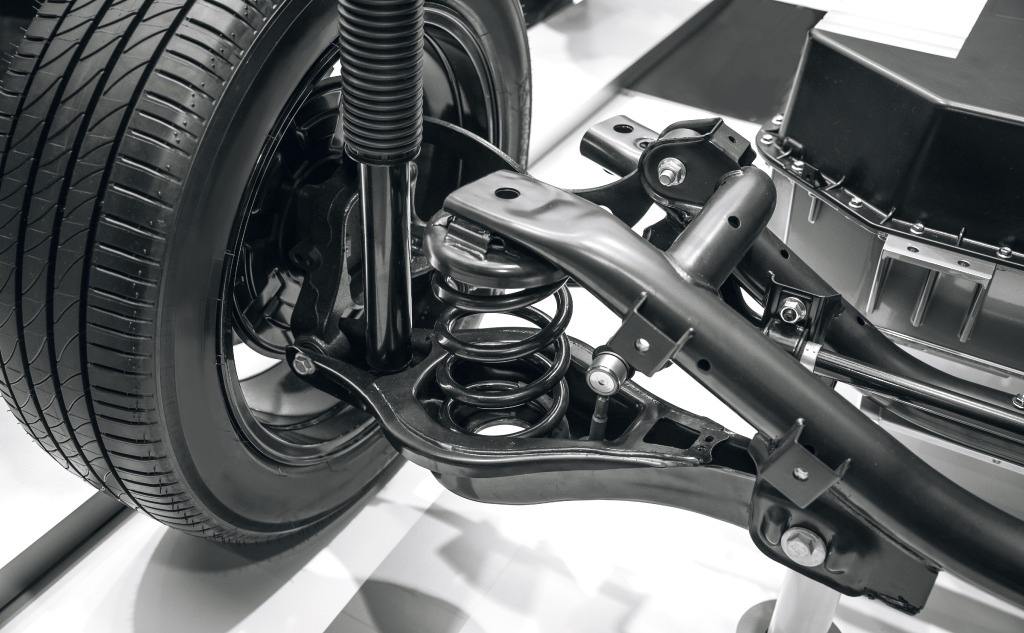
Credit: metamandate.com
Tire Construction Basics
Tires stay on cars due to the rim, bead, and air pressure working together. The rim holds the tire’s shape. The bead, a strong rubber edge, fits tightly on the rim. Air pressure supports the tire against the car’s weight.
Understanding the basics of tire construction is crucial if you ever find yourself needing to replace or repair a tire. Knowing what holds a tire on a car can be empowering and save you from potential pitfalls. Let’s dive into the essential components that make up your tire, which ensures your safety on the road.
Tread And Sidewall
The tread is what meets the road. It provides the grip you need to steer and stop safely. Different patterns in the tread are designed for various weather conditions and driving styles. The sidewall, on the other hand, gives structure to the tire and protects it from impacts. It also contains crucial information like tire size and pressure specifications. Next time you check your tires, take a moment to appreciate how both the tread and sidewall work together to keep you moving smoothly.
Belts And Plies
Beneath the tread lies the belts and plies. These layers are often made of steel and fabric, providing strength and flexibility. They help the tire maintain its shape and withstand the forces from the road. Imagine driving at high speeds without these layers—your tires would likely deform and lose efficiency. Consider how essential these components are the next time you’re cruising down the highway.
Bead And Inner Liner
The bead is what holds the tire snugly on the wheel. It’s made of steel wire coated in rubber, creating a secure seal. This ensures that your tire doesn’t slip off the rim, even when you make sharp turns. The inner liner is like the tire’s skin. It keeps the air inside, maintaining the right pressure for optimal performance. Have you ever wondered why your tires stay inflated? It’s all thanks to the inner liner working quietly in the background. Understanding these components can make you more confident in your driving experiences. So next time you’re at the mechanic or changing a tire, you’ll know exactly what keeps you safe and steady on the road.
The Role Of The Wheel
When you think about what keeps your car rolling smoothly, the wheel plays a crucial role. It’s not just a simple round object; it’s a complex system designed to hold your tire securely while ensuring a comfortable drive. The wheel’s design and components are vital for your car’s performance and safety.
Rim And Hub Connection
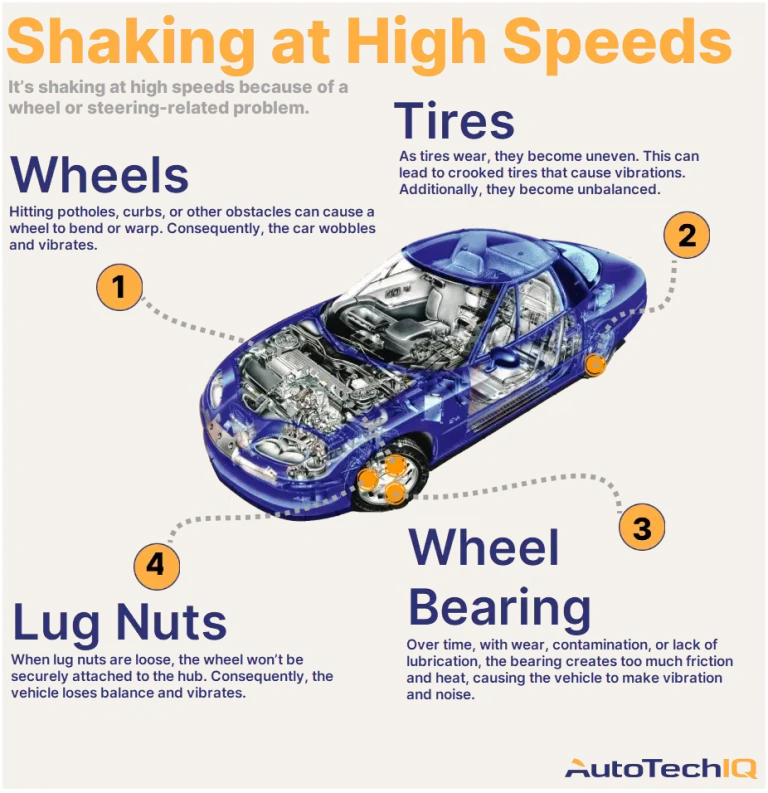
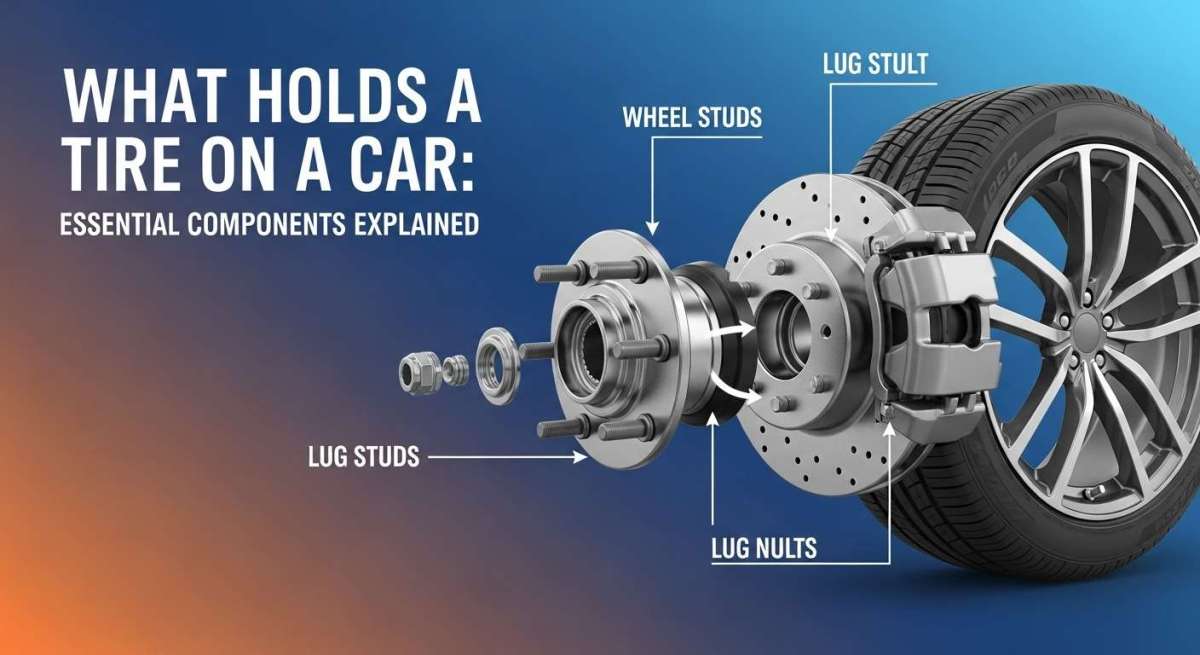
The rim is the outer part of the wheel where the tire is mounted. It connects to the hub, which is the center part attaching the wheel to the car. This connection is essential, as it holds the tire firmly, preventing any wobble. Imagine driving at high speeds and suddenly feeling a shake—an improper rim and hub connection can cause this. Check your wheel regularly to make sure everything is tight and secure.
Have you ever noticed those bolts on your wheel? These lug nuts are crucial for keeping the rim attached to the hub. Tightening them properly can be the difference between a smooth ride and a risky drive. Next time you change a tire, give those lug nuts a second look—your safety depends on them.
Spokes And Wheel Design
Spokes are not just there for looks; they play a significant role in wheel design. They help distribute the weight of the car evenly across the wheel. This ensures the wheel can handle the pressure and force exerted during driving. Ever tried riding a bicycle with missing spokes? It’s not a pleasant experience. Your car wheels work on the same principle.
The design of the wheel, including the number of spokes, affects its strength and flexibility. Manufacturers balance between aesthetics and functionality. Ever wondered why sports cars often have sleek, intricate designs? They are crafted to enhance performance while turning heads.
Thinking about your next drive, consider the role of your car’s wheels. They’re not just round objects but a complex system ensuring safety and performance. Have you checked yours lately? It might be time for a closer look.
Importance Of The Wheel Lug Nuts
Wheel lug nuts play a crucial role in vehicle safety. They secure the wheels to the vehicle. A loose lug nut can lead to dangerous situations. Ensuring proper installation is vital. These small components bear significant responsibility. They keep your drive smooth and safe. Understanding their importance helps maintain vehicle health.
Types Of Lug Nuts
Lug nuts come in various shapes and sizes. Some are conical, others are spherical. Conical nuts have a tapered end. Spherical nuts have a rounded end. Each type fits specific wheel designs. Choosing the right type is essential. It ensures a secure fit. This prevents potential wheel wobble.
Torque Specifications
Torque specifications indicate how tight lug nuts should be. Too loose or too tight can cause issues. A torque wrench helps achieve the correct tightness. Each vehicle model has specific torque requirements. Consult your vehicle’s manual for guidance. Proper torque ensures optimal performance.

Credit: www.reddit.com
Function Of The Valve Stem
The valve stem plays a crucial role in holding a tire on a car. It keeps air inside the tire, maintaining proper pressure. This ensures the tire stays securely attached to the wheel.
The valve stem on a tire might seem like a tiny, insignificant part, yet it plays a crucial role in keeping your car running smoothly. This little component is the gateway for air entering and leaving your tires. Without it, maintaining the right tire pressure would be nearly impossible. Personal experience taught me this when my tire went flat on a highway due to a faulty valve stem. It was a small problem that had a big impact on my journey. So, what exactly does the valve stem do, and why is it essential for your car’s tires?
Inflation And Deflation
The valve stem is responsible for the inflation and deflation of your tire. When you add air, it enters through the valve stem, which is equipped with a small valve mechanism to ensure air doesn’t escape after inflation. This function is critical because proper tire pressure affects your vehicle’s fuel efficiency, tire lifespan, and overall safety. Imagine if you couldn’t adjust the air in your tires. Wouldn’t that be a hassle?
Valve Cap Necessity
You might think the valve cap is just a decorative piece, but it serves an essential purpose. The cap protects the valve stem from dust, dirt, and moisture, which can cause the valve to leak or malfunction. Think of it as a shield. Without it, debris can enter the valve stem, leading to air loss and potential damage. Have you checked if your tire’s valve caps are intact? Ensuring these components are in good condition can save you from unexpected roadside emergencies. It’s a small step that makes a big difference in your driving experience.
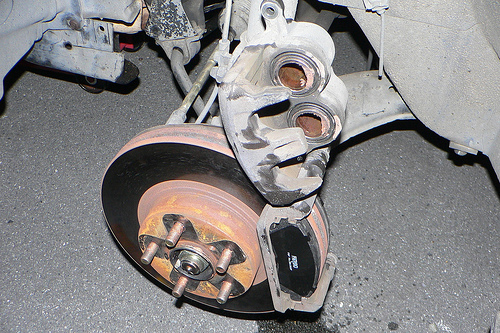
Impact Of The Wheel Bearing
Wheel bearings play a crucial role in car safety. They support and help tires move smoothly. Without them, driving becomes risky and uncomfortable. These small components handle big tasks. Understanding their impact can enhance your vehicle’s performance.
Load Support
Wheel bearings carry the car’s weight. They ensure the tires are stable. This stability helps maintain control on the road. Well-functioning bearings prevent uneven tire wear. Ensuring your bearings are in good condition is vital for safe driving.
Friction Reduction
Wheel bearings reduce friction between the wheel and axle. This reduction allows smooth wheel rotation. Less friction means more fuel efficiency. Properly maintained bearings ensure a quiet ride. They also prevent overheating, which can lead to damage.
Credit: en.wikipedia.org
Tire Pressure Monitoring Systems
Understanding Tire Pressure Monitoring Systems (TPMS) is crucial for anyone looking to maintain their vehicle’s health and safety. These systems are designed to alert you when your tire pressure is too low, preventing potential accidents and enhancing fuel efficiency. Whether you’re a seasoned driver or new to car maintenance, knowing how TPMS works can save you time, money, and stress.
Direct Tpms
Direct TPMS uses sensors inside each tire to measure air pressure accurately. These sensors send real-time data to your car’s dashboard, allowing you to see exactly which tire needs attention. I remember a road trip when my dashboard lit up, indicating low pressure in the rear right tire. I quickly found a nearby service station to fix the issue, saving myself from a potential blowout.
Direct TPMS offers precise readings and immediate alerts. This system is great for those who value accuracy and don’t want to guess which tire is underinflated. However, be mindful that sensor batteries typically last around 5-10 years and may need replacing.
Indirect Tpms
Indirect TPMS, on the other hand, doesn’t measure tire pressure directly. Instead, it uses the car’s anti-lock braking system (ABS) to monitor wheel speed. If one tire is spinning faster than the others, the system assumes it’s underinflated.
This system is often less expensive and easier to maintain. However, it can be less accurate than direct TPMS. You might find yourself recalibrating it after rotating your tires or if you frequently drive with heavy loads.
Have you ever wondered why your car suddenly alerts you about tire pressure on a chilly morning? Temperature changes can affect tire pressure, and TPMS helps you stay ahead of these fluctuations. Whether you opt for direct or indirect TPMS, understanding how these systems work helps you keep your vehicle safe and efficient. So, which system do you think suits your driving habits best?
Balancing And Alignment
Balancing and alignment are crucial for tire performance. They ensure a smooth ride. Proper balancing and alignment reduce tire wear. They help maintain vehicle stability. They also enhance safety. Both processes involve precise adjustments. They keep tires functioning optimally.
Importance Of Wheel Balancing
Wheel balancing is key for a vibration-free ride. It helps distribute weight evenly across the wheel. This minimizes wobbling and ensures smooth travel. Proper balancing extends tire life. It also improves fuel efficiency. Every wheel has heavy spots. Balancing corrects these discrepancies. It ensures the tire spins evenly. This prevents uneven tread wear. It keeps your ride comfortable and safe.
Alignment Adjustments
Alignment adjustments focus on the angles of tires. They ensure tires meet the road at the right angle. Proper alignment prevents drifting or pulling. It also optimizes steering precision. Misaligned wheels cause uneven wear. This impacts tire longevity. Regular alignment checks are essential. They keep your vehicle running smoothly. Adjustments involve toe, camber, and caster angles. Each angle plays a crucial role. They ensure tires function efficiently.
Tire Maintenance Tips
Your car’s tires are crucial for a smooth ride and your safety on the road. Proper maintenance not only prolongs their life but also enhances performance. Imagine driving down the highway when a sudden flat tire interrupts your journey. Regular upkeep can prevent these unwelcome surprises. Here are some practical tips to keep your tires in top shape.
Regular Inspection
Make it a habit to check your tires often. Look for any cuts, cracks, or bulges. These can signal potential issues that need attention before they become bigger problems. How often do you inspect your tires? You might be surprised at what you find if you do it regularly.
Check the tire pressure monthly. Properly inflated tires ensure better fuel efficiency and reduce the risk of a blowout. Use a reliable gauge to measure the pressure, and compare it to the manufacturer’s recommended levels. Have you ever noticed how your car feels different when the tires are underinflated?
Rotation And Replacement
Tires wear unevenly depending on their position on the car. Regular rotation helps them wear evenly, extending their lifespan. Aim to rotate your tires every 5,000 to 8,000 miles. When was the last time you rotated your tires? You might be due for one soon.
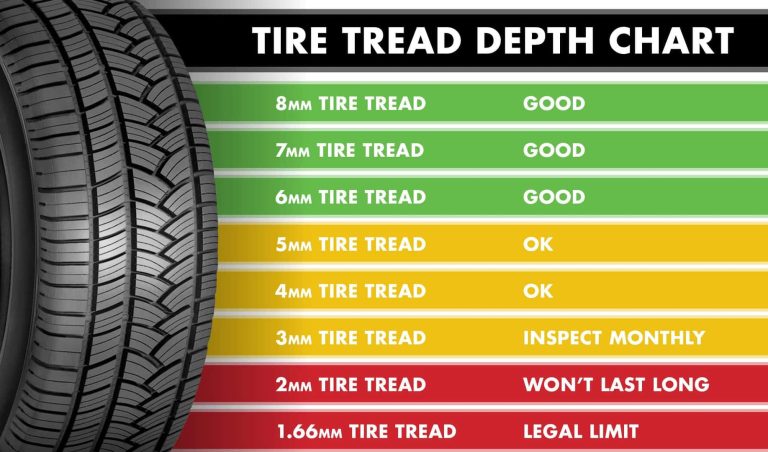
Keep an eye on tread depth. Bald tires are a hazard, especially in wet conditions. Use the penny test: insert a penny into the tread with Lincoln’s head down. If you can see all of his head, it’s time for new tires. How confident are you about your tires’ tread depth right now?
Replace tires that show signs of aging, like cracks or reduced tread. Even if they look okay at a glance, they may not perform well under stress. Consider the story of a friend who thought their tires were fine, only to face a scary skid in the rain. Would you want to risk the same?
By integrating these habits into your routine, you not only ensure your safety but also save money in the long run. Tire maintenance doesn’t have to be complicated, but it does require vigilance. Are you ready to prioritize your tire health starting today?
Frequently Asked Questions
What Holds A Car Tire In Place?
Lug nuts secure the car tire to the wheel hub. The wheel hub assembly and axle provide stability and support. Properly inflated tires maintain the connection and ensure safety. Regular maintenance checks help ensure these components function effectively.
What Keeps A Tire On The Car?
Tires stay on the car due to lug nuts securing them to the wheel hub. Properly inflated tires fit snugly onto the wheel rim. The vehicle’s weight and suspension system keep the tires in contact with the road. Regular maintenance ensures a secure fit, enhancing safety and performance.
What Is The Thing Called That The Tire Sits On?
The part where the tire sits is called the wheel rim. It provides support and structure to the tire. The rim ensures proper tire fitment and helps maintain stability while driving. It is a crucial component of the wheel assembly in vehicles.
What Is The Metal Piece That Holds The Tire?
The metal piece that holds the tire is called a wheel rim. It supports the tire and provides structural integrity. Rims can be made from various materials like steel or aluminum and come in different sizes and styles. Proper maintenance ensures safety and longevity of both tire and rim.
Conclusion
Tires play a crucial role in car safety. Bolts, rims, and hubs secure them firmly. Each component works together, ensuring your tires stay in place. Regular checks and maintenance can prevent mishaps. Tightening lug nuts properly is essential. Always use the correct tools for this task.
A stable tire means a safer ride. So, understanding these basics helps keep your car in top shape. Remember, well-secured tires contribute to a smooth driving experience. Stay informed and drive confidently. Your safety depends on it.

Automotive Specialist & Expert Writer
Tyler Kingston is a passionate automotive writer with a wealth of knowledge in all things cars. With years of experience in the automotive industry, Tyler specializes in everything from vehicle maintenance to the latest car technologies and innovations. He is known for his ability to break down complex automotive concepts into easily digestible, engaging content for both novice and experienced car enthusiasts. Whether it’s detailing car repair techniques, reviewing new car models, or diving into the world of auto accessories, Tyler’s articles provide valuable insights to readers. His hands-on experience, combined with a genuine love for cars, allows him to deliver expert advice, tips, and news that keeps readers coming back for more.