What Did the Bicycle Call His Dad: A Wheel-y Fun Joke
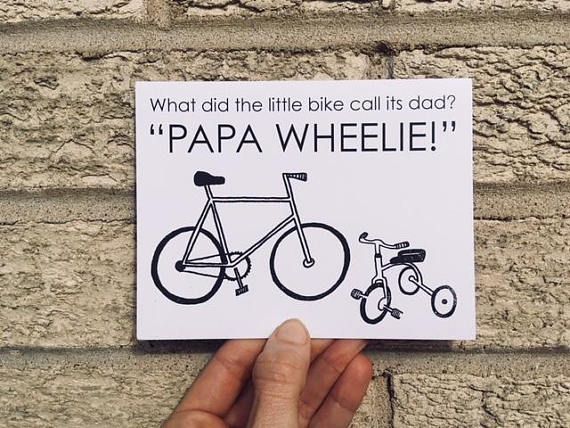
Have you ever stumbled upon a joke so simple yet so clever that it sticks with you for days? “What Did the Bicycle Call His Dad?”
Is one of those delightful brain teasers that brings a smile to your face. But what if this playful question holds more than just a punchline? Imagine uncovering the layers of humor, curiosity, and even the surprising psychology behind why you find this joke so amusing.
You’re about to dive into a world where laughter meets insight, where you discover not just the answer to a joke but a little bit more about how your mind works. Keep reading to find out why this quirky question is a perfect blend of humor and cleverness.
Origins Of Bicycle Jokes
Bicycle jokes often revolve around playfulness and puns, sparking laughter with simplicity. The joke, “What did the bicycle call his dad? Pop-cycle,” cleverly uses wordplay. This humor highlights the pun in ‘pop’ and ‘cycle,’ bringing smiles with its lighthearted twist.
Bicycle jokes have pedaled their way into our hearts, bringing a smile to our faces with their quirky charm. But have you ever stopped to wonder where these jokes originated? The humor found in bicycle jokes often revolves around wordplay, puns, and the everyday experiences of cyclists. They reflect our love for the bicycle, an invention that has become a symbol of freedom and fun.Understanding The Love For Puns
Cycling and humor often go hand-in-hand due to their shared simplicity and universal appeal. Puns are a popular form of humor because they play with language in an unexpected way. When a bicycle calls his dad “Pop-cycle,” it’s not just a clever twist on words; it’s a nod to the playful and carefree spirit of cycling.The Rise Of Bicycle Culture
As bicycles became a household staple, so did the culture surrounding them. With more people cycling, jokes naturally emerged as a way to connect and share experiences. The rise of cycling communities online has only amplified this trend, with jokes being shared and reshaped across the globe. Have you ever shared a bicycle meme or joke on social media? It’s more than a laugh; it’s a connection to a worldwide community.Bicycle Jokes: A Family Affair
Bicycle jokes often draw on family themes, making them relatable to people of all ages. They reflect everyday situations and interactions within families, creating humor that is both accessible and endearing. Imagine a young child asking, “What did the bicycle call his dad?” and the shared laugh that follows. This simple exchange can bring families closer, fostering bonds over shared humor.Crafting Your Own Bicycle Jokes
Why not try crafting your own bicycle joke? Start with a simple setup and think of a funny twist related to cycling. Consider the elements of surprise and familiarity—what would make your friends laugh? Engaging in this creative process not only enhances your appreciation for language but also deepens your connection to cycling culture.Bicycle jokes might seem simple, but they carry a rich history of humor and community. Next time you hear a bicycle joke, think about the shared experiences and connections it represents. What’s your favorite bicycle joke, and why does it resonate with you?

Credit: bikefriday.com
The Humor In Wordplay
Wordplay offers delightful surprises. It twists meaning, creating laughter from everyday words. Puns are a classic example. They use double meanings to tickle the funny bone. Simple jokes can brighten anyone’s day. The bicycle calling his dad is a clever pun. It makes us smile with its unexpected twist.
The Art Of Puns
Puns play with words creatively. They often rely on similar sounds or meanings. This makes them fun and engaging. The bicycle joke uses this skill expertly. It surprises us with its clever connection. Puns are easy to enjoy. They require no complex understanding. Just a love for language.
Why Wordplay Appeals
People love wordplay for its simplicity. It’s fun without being complicated. A good pun sparks a laugh instantly. Wordplay feels fresh and original. It brings humor into everyday life. This simple joke shows the charm of wordplay. It offers joy through clever simplicity.
Wordplay In Daily Life
We encounter wordplay daily. Advertisements, conversations, even books use it. It makes communication lively and engaging. Puns add humor to serious topics. They lighten moods and create connections. This bicycle joke is a great example. It uses humor to engage and entertain.
Why ‘wheel-y’ Is Funny
Ever wondered what makes certain jokes universally funny? Humor often plays on words and their meanings. The joke “What did the bicycle call his dad?” with the punchline “Wheel-y” is a clever play on words. This type of humor is simple yet effective, especially for English learners. It showcases how language can be playful, making it accessible to all.
The word “Wheel-y” sounds like “really,” giving it a twist. It combines the word “wheel,” which is fundamental to bicycles. This pun is funny because it uses a common word in an unexpected way. The humor lies in the similarity in sound. Everyone can appreciate the creativity involved.
Play On Words
Language plays a crucial role in humor. Puns use words with double meanings or similar sounds. “Wheel-y” uses sound similarity, a classic pun technique. This joke is a great example of wordplay in action. It highlights the connection between sounds and meanings.
Easy To Understand
Puns are popular because they are easy to grasp. English learners find “Wheel-y” accessible due to its simplicity. It requires basic understanding of bicycle parts. This makes it enjoyable for a wide audience. Language learners appreciate jokes that bridge cultural gaps.
Universal Appeal
Simple jokes have universal appeal. “Wheel-y” is funny across age groups and cultures. Its humor transcends language barriers. People find joy in humor that doesn’t need deep language skills. This joke invites everyone to enjoy and share a laugh.
Popular Bicycle Jokes
Who doesn’t love a good joke, especially when it’s about something as universally adored as bicycles? Popular bicycle jokes have been making people chuckle for decades, and they continue to evolve with the times. Whether you’re a casual rider or a cycling enthusiast, these jokes offer a delightful escape from the everyday grind. They also serve as a great conversation starter at gatherings or a way to lighten the mood during a long ride. Let’s pedal through some classic and modern bicycle humor!
Classic Bicycle Puns
Classic bicycle puns have a timeless charm. They often rely on wordplay, making you think and laugh at the same time. Remember the days when you first heard, “What did the bicycle call his dad? Pop-cycle!”? It’s a perfect example of how clever language can bring smiles to faces. These jokes are easy to remember and share, making them a staple in cycling circles.
Why do bicycles always find themselves stuck in traffic? Because they can’t stand it! This oldie but goodie captures the essence of why classic puns never go out of style. They connect with your love for cycling and highlight everyday situations with humor.
Modern Cycling Humor
As cycling technology advances, so does the humor surrounding it. Modern cycling jokes often play on contemporary themes, like smart bikes and apps. Imagine this: “Why don’t smart bikes ever get lost? Because they have a great sense of direction!” It’s the kind of humor that speaks directly to today’s tech-savvy riders.
The rise of social media has also influenced modern cycling humor. You might have seen memes like, “If your bike gets stolen, just track it with GPS. Problem solved!” These jokes resonate because they reflect the current trends and issues in cycling culture. They keep the cycling community connected and entertained.
What’s your favorite bicycle joke? Share it with fellow riders on your next group ride and see how many laughs it gets. Whether old or new, bicycle jokes are a reminder of the joy and camaraderie cycling brings. Keep pedaling and keep laughing!
Cultural Impact Of Bicycle Humor
Bicycle humor often brings smiles, connecting people through shared laughter. The playful joke “What Did the Bicycle Call His Dad? ” Invites curiosity. Such jokes highlight cultural creativity, offering light-hearted moments to bond over simple, relatable themes.
Bicycle humor might seem niche at first glance, but its cultural impact is surprisingly broad. From television shows to memes, jokes about bicycles and their riders have found a place in our hearts and minds. It’s a quirky, yet relatable form of humor that often reflects shared experiences of those who love cycling.Understanding Bicycle Humor
Bicycle humor is often light-hearted and universally appealing. It’s a genre that taps into everyday experiences, making it relatable even for those who don’t regularly ride. Imagine the joke “What did the bicycle call his dad?”—it’s playful and draws you in with its simplicity. Humor centered around bicycles often includes puns or witty observations about cycling life. These jokes become a talking point, breaking the ice in social gatherings, and connecting people through shared laughter.Media’s Role In Spreading Bicycle Humor
TV shows like “Portlandia” have showcased bicycle humor, highlighting the quirks and peculiarities of cycling culture. These portrayals often emphasize the passion cyclists have, whether it’s their dedication to biking everywhere or their unique gear. Similarly, bicycle memes flood social media, capturing funny moments like the challenges of uphill rides or the joy of downhill speeds. These memes not only entertain but also foster a sense of community among cycling enthusiasts.Why Bicycle Humor Resonates
Bicycle jokes resonate because they mirror real-life situations. Whether it’s struggling with a flat tire or enjoying the wind on a downhill ride, these experiences are universal among cyclists. Humor is a powerful tool that can make these challenges more bearable and turn them into bonding experiences. It’s intriguing to consider how a simple joke can echo the joys and frustrations that cyclists everywhere face.Creating Your Own Bicycle Humor
You don’t need to be a professional comedian to create bicycle humor. Think about your own cycling experiences. Was there a time you forgot your helmet and felt like you were missing a part of yourself? Use such moments to craft jokes that others can relate to. Share them with friends or online communities and see how they resonate. You might be surprised by how a simple joke can spark laughter and conversation.How Can Bicycle Humor Influence Society?
Bicycle humor has the potential to influence how society perceives cyclists. It can break down stereotypes and show the lighter side of cycling culture. By spreading bicycle jokes, you contribute to a positive image of cycling as a fun and approachable activity. This can encourage more people to take up cycling, benefiting both the environment and public health. Have you ever considered how a joke can change your perspective on cycling or even inspire others to join in? It’s fascinating to see humor’s role in shaping cultural trends and attitudes.
Credit: www.redbubble.com
Creating Your Own Bicycle Jokes
Creating your own bicycle jokes can be fun and rewarding. Bicycles offer a unique theme for humor. Their parts and functions provide endless joke material. Crafting bicycle jokes adds a personal touch. It gives you a chance to share laughs with others. Whether with friends or online, these jokes can brighten anyone’s day.
How To Start With Bicycle Jokes
Start by observing your bicycle. Look at its components like wheels, pedals, and handlebars. Think about how these parts can relate to everyday life. This can spark joke ideas. For example, what could a tire say to a road? Simple observations often lead to the funniest jokes.
Find Inspiration In Bicycle Puns
Puns make excellent bicycle jokes. Play with words that sound similar. For example, “cycle” sounds like “psycho.” Imagine a cycle acting like a crazy person. This wordplay can create hilarious scenarios. Keep a list of bicycle-related terms. Use them as a starting point for puns.
Test Your Jokes On Friends
Share your jokes with friends. Observe their reactions. Laughter indicates a hit. Silence might mean you need to tweak it. Feedback from friends helps improve your joke-telling skills. Over time, you’ll learn what works best. With practice, your jokes will become more refined.
Keep The Jokes Simple And Short
Short jokes are often the funniest. Keep them easy to understand. Avoid complex words or long sentences. A quick punchline is more effective. Simple jokes are easier to remember. They’re also more likely to be shared by others.
The Psychology Behind Puns
Puns have a unique charm that captivates audiences. They often leave us chuckling or groaning. But what makes them so appealing? The psychology behind puns reveals intriguing insights into human cognition and humor. Understanding why we find puns amusing can shed light on their enduring popularity.
The Brain’s Love For Wordplay
The brain craves patterns and connections. Puns offer just that. They exploit multiple meanings of words or similar sounds. This creates a playful challenge for the brain. When we solve this linguistic puzzle, we feel a sense of satisfaction. It’s like solving a mini-riddle.
Surprise And Humor Connection
Puns often surprise us with their twists. This unexpected element is key to humor. Our brains enjoy surprises. They stimulate laughter and positive emotions. The punchline of a pun delivers this jolt of surprise, triggering laughter.
Social Bonding Through Shared Laughter
Laughing together strengthens social bonds. Puns are a shared experience. They bring people together through humor. When we laugh at the same pun, we feel connected. This communal laughter enhances group cohesion.
The Enjoyment Of Linguistic Creativity
People appreciate clever use of language. Puns showcase linguistic creativity. They highlight the flexibility and richness of language. This creative wordplay entertains and educates simultaneously.
Feeling Of Intellectual Accomplishment
Puns offer a mental workout. Deciphering them feels rewarding. It gives us a sense of intellectual accomplishment. We enjoy feeling clever and witty. Puns allow us to experience this intellectual satisfaction.

Credit: www.instagram.com
Sharing The Laughter
In today’s fast-paced world, laughter is a universal language that connects us all, breaking barriers and creating moments of joy. Sharing a joke with family can spark a smile and strengthen bonds. Whether it’s a clever pun or a funny meme, humor has a unique way of bringing people together.
Bicycle Jokes In Social Media
Social media platforms are buzzing with humorous content, and bicycle jokes have found their niche here. People love sharing these jokes because they’re relatable and easy to understand.
Imagine scrolling through your feed and spotting a meme that says, “What did the bicycle call his dad? Pop-cycle!” You’re bound to chuckle and perhaps share it with your friends, spreading the laughter.
Such jokes are not just about amusement; they create engagement. They invite comments, likes, and shares, turning a simple joke into a viral sensation. Have you ever shared a joke on social media and watched it gain traction? It’s an exciting way to see the power of humor unfold.
Family-friendly Fun
Bicycle jokes are perfect for family gatherings or casual evenings at home. They’re clean, straightforward, and guaranteed to make everyone smile. Imagine sitting around the dinner table and asking, “What did the bicycle call his dad?” The room fills with laughter as someone guesses the punchline.
These jokes are a great way to include younger family members. Kids love them because they’re easy to understand and funny. Have you tried telling such jokes to your kids or younger siblings? Their giggles might surprise you.
Sharing jokes can become a family tradition. It’s a simple, yet effective way to lighten the mood and create lasting memories. What joke will you share today to bring laughter into your home?
So, next time you find a joke that tickles your funny bone, don’t keep it to yourself. Share it with your family, friends, or on social media. You never know whose day you might brighten with a simple joke.
Frequently Asked Questions
What Does Father Brown Call His Bicycle?
Father Brown affectionately calls his bicycle “The Flambeau. ” This name is inspired by the character Hercule Flambeau. The bicycle plays a significant role in his crime-solving adventures, providing him mobility and a distinctive identity.
What Did The Bicycle Symbolize In The Giver?
In “The Giver,” the bicycle symbolizes independence and maturity. It represents a child’s transition to greater responsibility and freedom. Children receive bicycles at age nine, marking a significant rite of passage. The bicycle allows exploration and symbolizes the community’s controlled progression toward personal growth.
Who Is Known As The Father Of The Bicycle?
Karl Drais is known as the father of the bicycle. He invented the Laufmaschine in 1817. This early version was a two-wheeled vehicle propelled by the rider’s feet. Drais’s invention laid the foundation for modern bicycles, revolutionizing personal transportation. His contribution remains significant in the history of cycling.
What Was The Bicycle Called?
The bicycle was originally called the “velocipede. ” This term refers to early pedal-powered vehicles. It evolved into the modern bicycle we know today. The name “bicycle” comes from the Latin words “bi” meaning two, and “cycle” meaning wheel, highlighting its two-wheel design.
Conclusion
Bicycles have a unique charm, just like dads do. They both offer support, balance, and guidance. Cycling together can strengthen bonds and create lasting memories. Simple jokes like “pop-cycle” bring smiles and laughter. It’s the small joys that make life special.
Cherish these moments with your dad. Ride, laugh, and enjoy the journey. Share the joke with friends and spread the cheer. Keep pedaling forward with love and humor. After all, laughter is the best companion on the road of life.
So, what did the bicycle call his dad? Pop-cycle! Now, go tell your dad!

Ethan Montgomery is the administrator of carweldhub.com and an expert in the automotive industry. With hands-on experience in welding and a deep understanding of automotive parts and accessories, Ethan brings a wealth of practical knowledge to his work. His passion for the automotive field extends to blog writing and editing, where he shares valuable insights and tips with enthusiasts and professionals alike. Whether you’re looking for detailed technical advice or the latest trends in automotive technology, Ethan’s expertise makes him a trusted resource in the automotive community.