What Does the Wrench Light Mean on a Ford: Essential Guide
Have you ever noticed a wrench-shaped light glowing on your Ford’s dashboard and wondered what it means? That little symbol might seem harmless, but it’s actually trying to tell you something important about your vehicle’s health.
Ignoring it could lead to bigger problems down the road, costing you time and money. You’ll discover exactly what the wrench light means, why it appears, and what steps you should take to keep your Ford running smoothly. Keep reading—understanding this warning could save you from unexpected repairs.

Credit: www.reddit.com
Wrench Light Basics
When you’re cruising down the road in your Ford and suddenly notice a wrench light on your dashboard, it can be unsettling. Understanding what this light means is crucial for maintaining your vehicle’s health and ensuring a smooth driving experience. Let’s dive into the basics of this mysterious light and what you should do when it appears.
What The Wrench Light Indicates
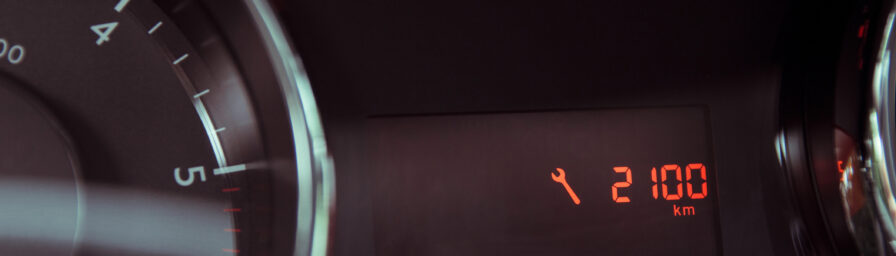
The wrench light on a Ford typically signals a problem with the powertrain or all-wheel-drive system. This light is not about immediate danger but rather alerts you to potential issues that require attention. Imagine it as your car’s way of saying, “Hey, something’s not quite right, let’s check it out.” It’s your cue to be proactive and prevent minor issues from turning into costly repairs.
Common Triggers
Several factors can trigger the wrench light on your dashboard. One common trigger is a fault in the throttle control system, which can affect your car’s acceleration. Another frequent cause is transmission issues, which might lead to unusual shifting or hesitation.
Sometimes, it’s as simple as a software glitch that needs updating. In other cases, it could be due to a sensor malfunction. Think of it this way: just like when your phone acts up and needs a restart, your car might need a quick check to ensure everything is running smoothly.
Have you ever ignored a small issue only to have it escalate into something bigger? Addressing these triggers promptly can save you time and money. Next time that wrench light pops up, consider it an opportunity to give your car the attention it needs.
Credit: jerry.ai
When The Wrench Light Appears
The wrench light on your Ford dashboard is designed to grab your attention. It signals that something needs your immediate or scheduled attention related to the vehicle’s maintenance or mechanical health. Understanding exactly when this light appears can help you decide how urgently you need to act.
During Startup
When you turn the key or press the start button, the wrench light may briefly illuminate as part of a system check. This is normal, and the light usually goes off once the engine starts and the systems confirm everything is okay.
If the wrench light stays on or flashes right after startup, it could mean your vehicle’s computer has detected a maintenance issue. Sometimes, it signals that scheduled maintenance, like an oil change or filter replacement, is overdue. Have you checked your service schedule recently?
While Driving
Seeing the wrench light while driving is more urgent. It means your Ford’s onboard diagnostics have found a problem that could affect performance or safety.
This could range from minor issues, like low fluid levels, to more serious concerns such as transmission trouble. If you notice a change in how your vehicle drives alongside the wrench light, like rough shifting or reduced power, pull over safely and consult your manual or a mechanic.
Ignoring the wrench light during driving can lead to costly repairs or breakdowns. How often do you ignore dashboard warnings before deciding to act?
Maintenance Reminders
The wrench light on your Ford dashboard is more than just a warning—it’s a helpful maintenance reminder designed to keep your vehicle running smoothly. This light pops up to tell you that scheduled service is due or that some routine check is necessary. Ignoring it might not cause immediate problems, but it can lead to bigger issues down the road.
Scheduled Service Alerts
Your Ford uses the wrench light to alert you when it’s time for regular maintenance, such as oil changes, tire rotations, or brake inspections. These alerts are based on mileage or time intervals set by the manufacturer, tailored to your specific model. Paying attention to these signals helps you avoid unexpected breakdowns and keeps your warranty intact.
Think about the last time you delayed a simple oil change. Did you notice a change in engine performance or fuel efficiency? The wrench light helps prevent those moments by reminding you before problems start. It’s like having a built-in service coach that nudges you to care for your car regularly.
Resetting The Light
After completing the recommended maintenance, you’ll need to reset the wrench light so it can track your next service interval. This reset process varies by Ford model but often involves a series of steps using your steering wheel controls or dashboard buttons.
If you’re unsure how to reset the light, your owner’s manual is a good place to start. Many Ford owners have found that a quick online search with their model and year also reveals easy-to-follow guides or videos. Resetting the light correctly ensures you won’t miss future maintenance alerts and keeps your car’s system accurate.
Potential Mechanical Issues
The wrench light on a Ford signals potential mechanical issues. It alerts drivers to problems that need attention. Ignoring this warning can lead to costly repairs or unsafe driving conditions. Understanding what the wrench light means helps you act quickly and protect your vehicle.
Transmission Problems
The wrench light may indicate transmission troubles. Issues such as slipping gears, delayed shifting, or fluid leaks can trigger this warning. Transmission problems reduce driving safety and vehicle performance. Getting a professional inspection is crucial to avoid further damage.
Engine Performance
Engine problems often cause the wrench light to turn on. It may signal misfires, overheating, or sensor failures. Poor engine performance lowers fuel efficiency and can cause breakdowns. Prompt diagnostics help identify and fix these issues early.
Other System Warnings
The wrench light can also point to other system failures. Problems with the braking system, electrical faults, or emission controls may cause the light to appear. Each system plays a vital role in vehicle safety and function. Timely repairs ensure the car runs smoothly and safely.
Diagnosing The Issue
Seeing the wrench light on your Ford’s dashboard can be confusing and a bit worrying. It signals that your vehicle needs attention, but it doesn’t specify exactly what’s wrong. Diagnosing the issue quickly helps you avoid bigger problems and costly repairs.
Using An Obd-ii Scanner
An OBD-II scanner is a handy tool that reads your car’s diagnostic codes. You can buy one or visit an auto parts store where they often offer free scanning. Plug the scanner into your Ford’s OBD port, usually located under the dashboard, and it will display error codes.
These codes provide clues about what triggered the wrench light. For example, a code might point to a sensor failure, low fluid levels, or engine issues. Once you know the code, you can look it up online or in your vehicle’s manual to understand the problem better.
Consulting A Professional
If the codes are unclear or if you don’t feel comfortable troubleshooting the issue yourself, it’s smart to consult a professional mechanic. They have the tools and experience to diagnose complex problems accurately.
Mechanics can also perform a thorough inspection beyond what an OBD-II scanner shows. This can reveal hidden issues like worn-out parts or electrical problems that might cause the wrench light to appear. Have you ever ignored a warning light and ended up with a bigger repair bill? Getting expert advice early can save you time and money.
Preventing The Wrench Light
The wrench light on a Ford signals the need for service or maintenance. Preventing this light from turning on helps keep the vehicle running smoothly. Simple habits and checks can avoid unexpected warnings and costly repairs.
Regular Maintenance Tips
- Change engine oil and filter at recommended intervals.
- Check tire pressure and adjust to the correct level.
- Replace air filters to keep the engine clean.
- Inspect brake pads and rotors regularly for wear.
- Test battery health and clean terminals as needed.
- Flush coolant and transmission fluids on schedule.
- Keep spark plugs clean and replace when worn.
Monitoring Vehicle Health
- Use a scanner to check for diagnostic trouble codes.
- Listen for unusual sounds during engine start or drive.
- Watch for changes in fuel efficiency or performance.
- Look for fluid leaks under the vehicle.
- Pay attention to dashboard alerts and warning lights.
- Schedule professional inspections if any issues arise.
Credit: www.powerstroke.org
Frequently Asked Questions
What Does The Wrench Light Mean On A Ford?
The wrench light on a Ford indicates a scheduled maintenance reminder. It signals that your vehicle needs servicing soon. Ignoring it may affect performance and warranty. Always check your owner’s manual for specific maintenance intervals.
How To Reset The Wrench Light On A Ford?
To reset the wrench light, turn the ignition on without starting the engine. Press the accelerator pedal fully three times within 10 seconds. The light should turn off. If not, consult your Ford manual or a mechanic.
Is The Wrench Light An Urgent Warning?
No, the wrench light is not an urgent warning. It is a maintenance reminder, not a critical alert. However, timely service is important to keep your Ford running smoothly and avoid future issues.
Can I Drive With The Wrench Light On?
Yes, you can drive with the wrench light on. But schedule maintenance soon to prevent potential problems. Delaying service may lead to costly repairs or reduced vehicle efficiency.
Conclusion
The wrench light on a Ford signals a need for vehicle service. It warns about maintenance or possible issues. Ignoring this light can lead to bigger problems. Regular checks keep your car running smoothly. Always address the warning quickly for safety and performance.
Staying aware helps avoid costly repairs later. Keep your Ford in good shape by acting on this alert. Simple steps can save time and money down the road.

Automotive Specialist & Expert Writer
Tyler Kingston is a passionate automotive writer with a wealth of knowledge in all things cars. With years of experience in the automotive industry, Tyler specializes in everything from vehicle maintenance to the latest car technologies and innovations. He is known for his ability to break down complex automotive concepts into easily digestible, engaging content for both novice and experienced car enthusiasts. Whether it’s detailing car repair techniques, reviewing new car models, or diving into the world of auto accessories, Tyler’s articles provide valuable insights to readers. His hands-on experience, combined with a genuine love for cars, allows him to deliver expert advice, tips, and news that keeps readers coming back for more.