What is the Fuel Mix for a Stihl Chainsaw: Essential Guide
Are you ready to rev up your Stihl chainsaw but find yourself puzzled about the right fuel mix? You’re not alone.
Many chainsaw owners struggle with understanding the perfect blend to keep their tools running smoothly. Getting it wrong can lead to engine damage and costly repairs. But fear not, this article is here to guide you through the essential details of the fuel mix for your Stihl chainsaw.
Discover how to achieve peak performance and extend the life of your chainsaw. Dive in and unlock the secrets to mastering the fuel mix like a pro.
Fuel Mix Basics
Stihl chainsaws require a specific fuel mix for optimal performance. This mix consists of unleaded gasoline and 2-stroke engine oil. Mixing them in a 50:1 ratio ensures efficiency and engine longevity.
Fueling your Stihl chainsaw properly ensures smooth operation and extends the life of your machine. Understanding the basics of the fuel mix is crucial. It might sound technical, but it’s a simple process you can master with a bit of guidance.
Understanding The Fuel Ratio
Stihl chainsaws typically require a 50:1 fuel mix ratio. This means 50 parts of gasoline to 1 part of oil. It’s essential to use high-quality two-stroke engine oil for this mix. This ensures your engine remains lubricated and runs efficiently. Are you wondering why this ratio is important? Using too much oil can lead to carbon build-up, while too little can cause engine wear.
Choosing The Right Gasoline
For your chainsaw, use unleaded gasoline with an octane rating of at least 89. Lower octane fuels can cause knocking and damage the engine. High ethanol content can also be harmful. Opt for gasoline with a maximum of 10% ethanol. Have you ever noticed your chainsaw sputtering or losing power? It might be due to poor fuel quality.
Mixing The Fuel And Oil
To mix your fuel, use a clean gas can. First, pour in the oil, followed by the gasoline. Shake the can gently to mix them well. This ensures the oil distributes evenly throughout the gasoline. Are you concerned about spills or incorrect measurements? Consider using a marked container or a fuel mixing bottle.
Storing Your Fuel Mix
Store your mixed fuel in an approved container. Keep it in a cool, dry place away from direct sunlight. Use the mix within 30 days to prevent it from going stale. Did you know that old fuel can cause hard starting and engine damage? Always make fresh fuel mix before long periods of storage. Avoid using automotive oils as they aren’t suitable for two-stroke engines. Never store your chainsaw with fuel in the tank for extended periods. This can lead to gumming and carburetor issues. Have you ever faced starting problems with your chainsaw? It could be due to these avoidable mistakes. By understanding and applying these fuel mix basics, you ensure optimal performance of your Stihl chainsaw. Keep these tips in mind next time you prepare your fuel mix.
Importance Of Proper Mix
Maintaining a Stihl chainsaw requires a precise fuel mix. This mix is crucial for optimal performance. Incorrect ratios can damage the engine. Proper fuel ensures smooth operation. It prolongs the chainsaw’s life.
The Ideal Fuel Ratio
Stihl chainsaws need a specific oil-to-gas ratio. The recommended mix is 50:1. This means 50 parts gas to 1 part oil. Using the right ratio prevents engine wear. It helps achieve peak efficiency.
Avoiding Engine Damage
Incorrect mixes can cause serious issues. Too much oil leads to excess smoke. Too little oil may cause overheating. Both scenarios damage the engine. Sticking to the correct mix avoids costly repairs.
Improving Chainsaw Longevity
Proper fuel mix extends the chainsaw’s life. The right blend lubricates engine parts. This reduces friction. It prevents premature wear. A well-maintained engine lasts longer.
Ensuring Safety
Safety is vital when using chainsaws. A proper mix prevents malfunctions. It reduces the risk of accidents. Reliable performance ensures user safety. Always double-check the fuel ratio before use.
Recommended Fuel Types
Stihl chainsaws require a specific fuel mix for optimal performance. Blend unleaded gasoline with high-quality 2-cycle engine oil at a 50:1 ratio. This mix ensures efficient operation and prolongs engine life.
When you’re fueling up your Stihl chainsaw, choosing the right mix is crucial for optimal performance and longevity. The fuel you use is like the lifeblood of your chainsaw, impacting everything from its power output to its maintenance needs. Using the wrong type of fuel could lead to poor efficiency and even damage the engine. It’s not just about what works—it’s about what works best.
Regular Unleaded Gasoline
For your Stihl chainsaw, regular unleaded gasoline with a minimum octane rating of 89 is recommended. This ensures efficient combustion and prevents engine knocking. Low-octane fuel can cause detonation, which might damage your engine over time. It’s worth noting that while higher octane fuels won’t harm your chainsaw, they don’t provide any added benefit. Stick to the recommended octane to keep things simple.
Ethanol-free Gasoline
Ethanol-free gasoline is highly recommended for Stihl chainsaws. Ethanol can attract moisture, leading to fuel system corrosion and phase separation. This can result in poor engine performance. Have you ever noticed your chainsaw sputtering after a rainy day? Ethanol could be the culprit. Opting for ethanol-free gasoline can help avoid these issues altogether.
Two-stroke Engine Oil
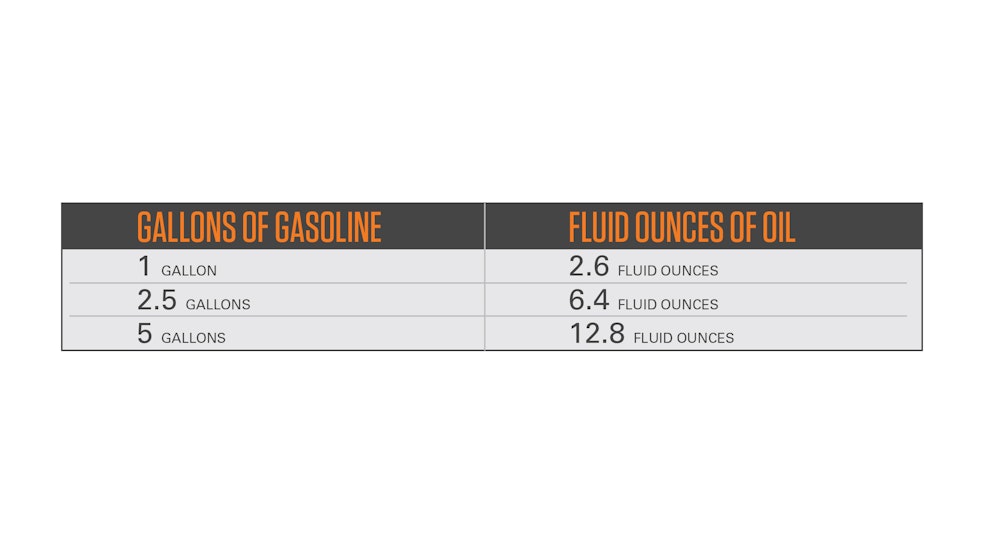
Mixing gasoline with a high-quality two-stroke engine oil is essential. Stihl recommends a 50:1 ratio of gasoline to oil. This means you should add 2.6 ounces of oil to every gallon of gasoline. Using the correct oil is not just about protecting your engine; it can also enhance performance. The right mix ensures proper lubrication and reduces wear and tear, keeping your chainsaw running smoothly.
Pre-mixed Fuel Options
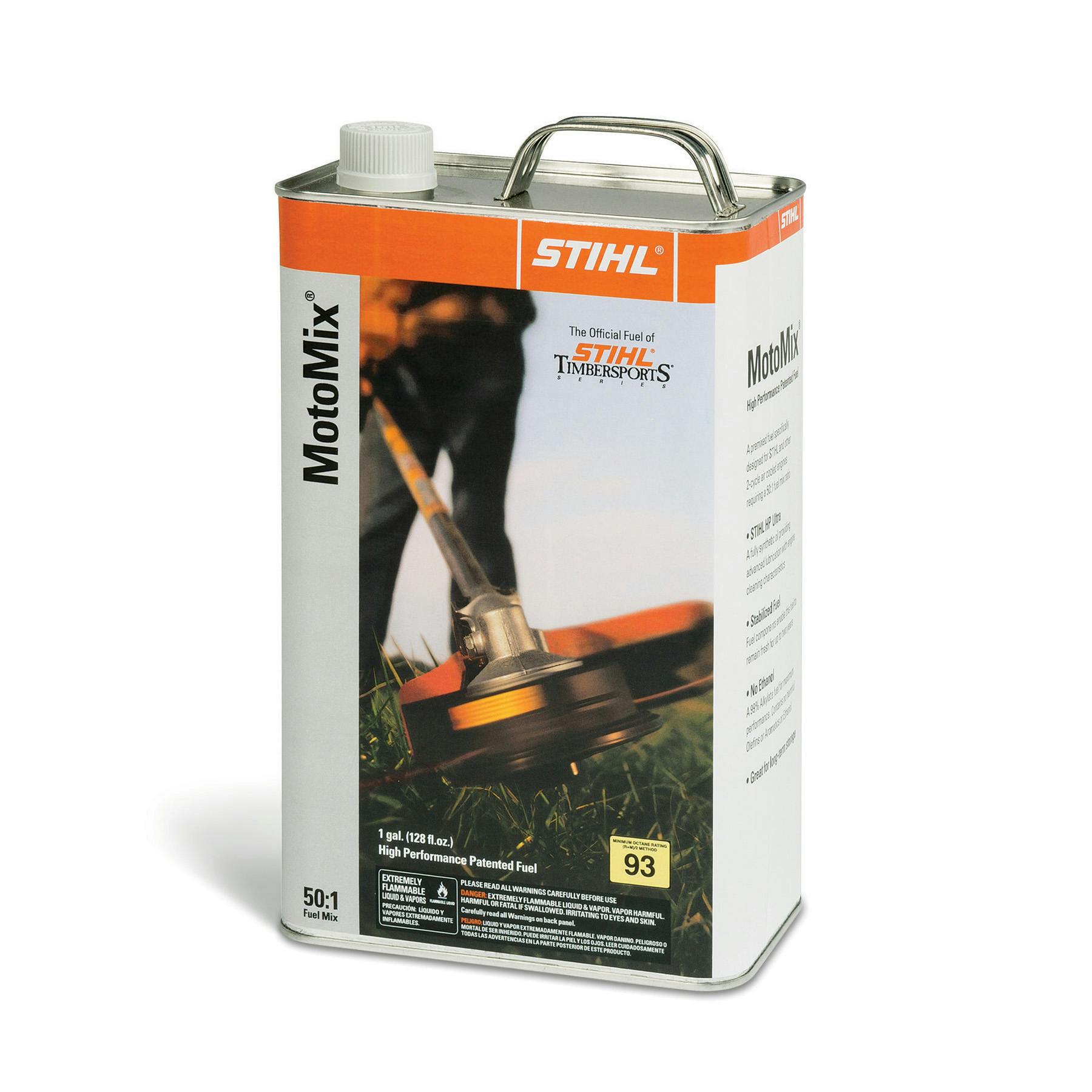
If mixing your own fuel sounds like a hassle, pre-mixed fuel options are available. These are convenient and ensure the right blend every time. Plus, they often come with added stabilizers to keep your fuel fresh. I’ve used these pre-mixed options during busy seasons, and they offer peace of mind—no guessing, no measuring, just pour and go.
Fuel Stability And Storage
Fuel stability is crucial, especially if your chainsaw sits idle for long periods. Stihl recommends using fuel stabilizers to maintain fuel freshness. This prevents gum formation and keeps the engine clean. How often do you find yourself draining old fuel after a few weeks of inactivity? Stabilizers can extend the life of your fuel, saving time and money. Choosing the right fuel mix for your Stihl chainsaw isn’t just about following guidelines; it’s about ensuring the best performance and longevity for your tool. What fuel choices do you make for your chainsaw, and have they made a noticeable difference in its performance?

Credit: www.stihlusa.com
Mixing Ratios
Mixing ratios for a Stihl chainsaw are crucial for its performance. Proper fuel mix ensures the chainsaw runs smoothly and efficiently. Incorrect ratios can cause damage and reduce the lifespan of your equipment. Understanding the correct mixing ratios is essential for maintaining your chainsaw.
Understanding The Fuel Mix Ratio
A Stihl chainsaw requires a specific fuel mix ratio for optimal function. Typically, this is a 50:1 ratio. This means 50 parts gasoline to 1 part oil. This ratio is key to engine lubrication and cleanliness.
Importance Of Using The Right Oil
Using the right oil is essential in achieving the correct mix. Stihl recommends using their branded two-stroke oil. It ensures compatibility and enhances engine performance. Always use high-quality oil to prevent engine wear.
Choosing The Right Gasoline
Choose high-quality gasoline for your chainsaw’s fuel mix. Use unleaded gasoline with a minimum octane rating of 89. Lower octane can lead to engine knocking and damage. Avoid gasoline with ethanol content higher than 10%.
Steps To Mix Fuel Safely
Mixing fuel should be done carefully and safely. First, measure the gasoline and oil accurately. Pour the oil into the gas can first, then add the gasoline. Close the container and shake well. This ensures thorough mixing before use.
Steps To Prepare Fuel Mix
Preparing the fuel mix for a Stihl chainsaw involves combining unleaded gasoline with Stihl 2-stroke engine oil. Use a 50:1 ratio, meaning 50 parts gasoline to 1 part oil, for optimal performance. Always mix in a clean container to prevent contamination.
Preparing the right fuel mix for your Stihl chainsaw is crucial for optimal performance and longevity. You might wonder why it’s so important. Using the correct fuel mix ensures your chainsaw runs smoothly and efficiently, preventing engine damage and unnecessary wear. Let’s dive into the essential steps you need to follow to create the perfect fuel mix for your Stihl chainsaw.
Understanding The Fuel Ratio
Every Stihl chainsaw requires a specific fuel ratio of oil to gasoline. Typically, this is a 50:1 ratio—meaning 50 parts gasoline to 1 part oil. This balance is key. Too much oil can lead to excess smoke and carbon deposits. Too little, and you risk damaging the engine. Always refer to your chainsaw’s manual for precise instructions.
Choosing The Right Oil
Not all oils are created equal. Stihl recommends using their specially formulated 2-stroke engine oil for the best results. This oil is designed to work seamlessly with their chainsaws. Using a different brand can result in subpar performance. Think of it like using premium ingredients in a recipe; it makes a difference!
Gathering Your Materials
Before you start mixing, ensure you have fresh gasoline, the recommended 2-stroke oil, and a clean mixing container. Using old or contaminated gasoline can hinder performance. A dedicated container prevents impurities from entering the mix. Picture this: a friend once used a leftover soda bottle and ended up with sticky residue affecting the chainsaw’s operation.
Mixing The Fuel
Begin by adding gasoline to your container. Then, measure the oil accurately using the manufacturer’s guidelines. Pour the oil into the gasoline. Here’s a tip: gently shake or swirl the container to mix the fuel thoroughly. You don’t want uneven distribution leading to engine hiccups. Have you ever shaken a snow globe to watch the magic unfold? Similarly, a good mix ensures your chainsaw runs smoothly. Once mixed, store the fuel in a cool, dry place away from sunlight. Use fuel within 30 days to maintain potency. Over time, gasoline can degrade, affecting its efficacy. Ever noticed how food tastes better fresh? Fuel is similar. If you can, label your container with the date mixed to keep track.
Final Checks
Before using the chainsaw, inspect the fuel tank for any debris or dirt. A clean tank ensures optimal performance. It’s like checking your car’s oil before a long trip; a small step can prevent big problems. Have you ever skipped this step and regretted it? Avoid that pitfall by ensuring everything is ready for action. By following these steps, you not only ensure the longevity of your chainsaw but also enhance its performance. What insights or tips do you have from your chainsaw experiences? Share your thoughts!
Credit: www.stihlusa.com
Common Mistakes To Avoid
Mixing oil and gasoline incorrectly can harm your Stihl chainsaw. Always use a 50:1 ratio for optimal performance. Avoid using old or incorrect fuel to prevent engine damage.
When working with a Stihl chainsaw, ensuring the correct fuel mix is crucial. However, even seasoned users can slip into common pitfalls. These mistakes might seem minor, but they can significantly impact your chainsaw’s performance and lifespan. Let’s delve into these errors so you can keep your chainsaw running smoothly.
Using The Wrong Fuel Ratio
It’s easy to overlook the importance of the correct fuel ratio. Stihl chainsaws typically require a 50:1 fuel mix, which means 50 parts gasoline to 1 part oil. Using a different ratio can lead to engine damage or reduced efficiency. Double-checking the mix ratio before fueling up can save you a lot of trouble down the line.
Failing To Use Fresh Fuel
Old fuel can wreak havoc on your chainsaw’s engine. Gasoline tends to degrade over time, leading to poor performance. If your chainsaw has been sitting idle for a while, make sure to use fresh fuel. Your chainsaw will thank you for it.
Neglecting To Shake The Fuel Mix
Mixing oil and gasoline is not just a one-time task. Always shake the fuel container before pouring it into your chainsaw. This ensures that the oil and gasoline are properly combined. A well-mixed fuel ensures even lubrication, keeping your engine safe from wear.
Overfilling The Fuel Tank
Overfilling might seem like a good idea to avoid frequent refueling, but it can be risky. It increases the chance of spills, which can not only be wasteful but also dangerous. Stop filling when the fuel reaches the bottom of the filler neck. Your safety and your chainsaw’s health should always be a priority.
Ignoring Fuel Storage Guidelines
Where do you store your fuel? Leaving it in direct sunlight or in a hot environment can degrade its quality. Store your fuel mix in a cool, dry place, and use a sealed container to prevent contamination. This simple step can preserve the integrity of your fuel mix.
Using Incompatible Oil
Not all oils are created equal. Stihl recommends using their own brand of oil for optimal performance. Other oils might not provide the right level of lubrication, leading to potential engine issues. Stick to the recommended oil to ensure your chainsaw runs smoothly. Have you ever made any of these mistakes? Taking a few extra moments to avoid these errors can make all the difference. Your chainsaw’s longevity and performance are worth the effort.
Storage Tips
Proper storage of your Stihl chainsaw’s fuel mix ensures its longevity and performance. Incorrect storage can lead to poor engine performance or damage. Follow these tips to maintain your fuel mix and chainsaw in top condition.
How To Store Fuel Mix Safely
Use a clean, approved container for storing fuel mix. Keep it away from direct sunlight and heat sources. A cool, dark place is ideal. Label your container with the date and contents. This prevents accidental misuse and ensures proper management.
Why Fresh Fuel Mix Matters
Fuel mix degrades over time, affecting engine efficiency. Use fresh fuel mix within 30 days for optimal performance. Old fuel can cause starting issues and engine damage. Always prepare fresh batches as needed.
Checking For Fuel Mix Contamination
Contaminated fuel can harm your chainsaw. Check for water or dirt in the fuel mix. Cloudy appearance or sediment indicates contamination. Discard and replace with a fresh mix if contamination is found.
Dispose Of Old Fuel Mix Responsibly
Old fuel mix should not be poured down drains or on the ground. Contact local waste management for disposal guidelines. Safe disposal protects the environment and complies with regulations.
Credit: www.stihlusa.com
Effects Of Incorrect Fuel Mix
Mixing fuel incorrectly can harm a Stihl chainsaw’s engine. A proper mix of gasoline and oil ensures smooth operation. Using the wrong mix may lead to reduced performance and costly repairs.
Using the correct fuel mix is crucial for the optimal performance of your Stihl chainsaw. An incorrect mix can lead to a variety of issues, affecting both the efficiency and longevity of your tool. Understanding these effects can help you prevent costly repairs and ensure your chainsaw runs smoothly.
Engine Damage
Incorrect fuel mix can cause severe engine damage. Too much oil can lead to excessive smoke and carbon buildup, clogging the exhaust and reducing performance. On the other hand, too little oil increases friction, leading to overheating and potential engine seizure.
Reduced Performance
A chainsaw running on the wrong fuel mix may start to sputter or stall. You might notice that it struggles to cut through wood as efficiently as it should. This not only slows you down but can also be frustrating when you’re in the middle of a big project.
Increased Maintenance Costs
Using an improper fuel mix can lead to frequent breakdowns. This means more visits to the repair shop and higher maintenance costs. Regular checks and repairs can quickly add up, making it an expensive lesson in fuel management.
Environmental Impact
Chainsaws emitting excessive smoke not only harm the environment but can also affect your health. Breathing in the fumes from an incorrect mix can be hazardous. Keeping the fuel mix right ensures a cleaner and safer operation.
Personal Experience: A Costly Mistake
I once used a slightly off fuel mix in my Stihl chainsaw, thinking it wouldn’t matter much. It resulted in a clogged carburetor and a hefty repair bill. That mistake taught me the importance of sticking to the recommended fuel ratios.
How To Avoid These Pitfalls?
Always follow the manufacturer’s guidelines for fuel mix ratios. Use a marked container to measure your oil and fuel accurately. Double-checking your mix before use can save you from unnecessary headaches down the road. What steps will you take to ensure your chainsaw’s fuel mix is spot on? Taking a little extra time now can save you a lot of trouble later.
Maintenance Tips
Understanding the correct fuel mix for a Stihl chainsaw is essential for smooth operation. Mix gasoline and 2-cycle engine oil at a ratio of 50:1. This ensures optimal performance and longevity.
Maintaining your Stihl chainsaw can ensure it runs smoothly and safely, while extending its lifespan. Fuel mix plays a crucial role in this process, affecting performance and wear. Proper maintenance is not just about keeping your chainsaw clean; it’s about understanding the fuel mix and its impact. Let’s dive into some practical maintenance tips.
Check The Fuel Ratio
Always use the recommended fuel mix ratio. Stihl chainsaws typically require a mix of gasoline and 2-stroke engine oil. A common ratio is 50:1, meaning 50 parts gasoline to 1 part oil. Using the wrong mix can cause engine damage. Stick to the recommended ratio for optimal performance.
Use Fresh Fuel
Old fuel can compromise efficiency and damage the engine. Fuel deteriorates over time, losing its potency. Use fresh gasoline and mix only enough for immediate use. If you have leftover fuel from last season, it’s better to dispose of it properly and start fresh.
Store Fuel Properly
Store your fuel mix in a cool, dry place. Keep it in a sealed container to prevent contamination and evaporation. Exposure to heat and sunlight can degrade the fuel quality. Make sure your storage area is well-ventilated.
Regularly Clean The Air Filter
A clean air filter allows your chainsaw to breathe properly. Dust and debris can clog the filter, affecting the fuel mix efficiency. Check the filter regularly and clean it if you notice build-up. A clean filter ensures proper air flow and fuel combustion.
Inspect The Spark Plug
The spark plug ignites the fuel mix. Inspect it for signs of wear or damage. A faulty spark plug can lead to poor fuel combustion. Replace it if necessary to maintain efficient engine performance.
Prevent Fuel Leaks
Fuel leaks can be dangerous and wasteful. Regularly inspect the fuel tank and lines for cracks or damage. Tighten any loose connections to prevent leaks. A secure fuel system keeps your chainsaw running smoothly.
Consider Ethanol-free Fuel
Ethanol in gasoline can attract moisture, leading to corrosion. Consider using ethanol-free fuel to protect your chainsaw’s engine. It may cost a bit more, but it reduces the risk of moisture-related issues. By following these tips, you can ensure your chainsaw performs efficiently and lasts longer. Remember, maintenance is not just about the machine; it’s about ensuring your safety and investment. What steps will you take today to care for your chainsaw?
Frequently Asked Questions
What Is The Best Fuel Mix For A Stihl Chainsaw?
The best fuel mix for a Stihl chainsaw is a 50:1 ratio. Use unleaded gasoline mixed with Stihl two-stroke engine oil. This ensures optimal performance and longevity for your chainsaw. Always use fresh fuel and mix it thoroughly before use to maintain engine efficiency.
Does Stihl Use 50 1 Or 40 1?
STIHL recommends a 50:1 fuel mixture for its two-stroke engines. This ensures optimal performance and engine longevity. Always use high-quality oil and fuel. Check your specific model’s manual for detailed instructions to maintain efficiency and avoid damage. Proper fuel mix is crucial for machine health.
Can I Use 50 1 Instead Of 40 1?
Using 50:1 instead of 40:1 may impact performance. Check manufacturer guidelines for compatibility and potential risks. Always prioritize the recommended ratio for optimal results and safety. Adjustments can affect engine efficiency and longevity. Proper mixture ensures smooth operation and extends equipment lifespan.
Consult an expert if unsure about changes.
Can You Use Any 2-stroke Oil In A Stihl Chainsaw?
Use only high-quality 2-stroke oil designed for air-cooled engines in a Stihl chainsaw. Stihl recommends its own brand for optimal performance. Using the wrong oil can damage the engine and void the warranty. Always follow the manufacturer’s guidelines for the best results.
Conclusion
Understanding the right fuel mix is crucial for your Stihl chainsaw. A proper blend ensures smooth operation and extends the tool’s life. Always use fresh gasoline mixed with quality two-stroke oil. Stick to the recommended ratio for the best performance.
Regularly check and maintain your chainsaw for safety. Consistent care reduces wear and tear. This keeps your chainsaw running efficiently. Remember, a well-maintained chainsaw saves you time and effort. Follow these tips and enjoy a reliable tool for years. Happy cutting!
Are Bicycle Disc Brake Pads Universal: Unraveling the Truth

Ethan Montgomery is the administrator of carweldhub.com and an expert in the automotive industry. With hands-on experience in welding and a deep understanding of automotive parts and accessories, Ethan brings a wealth of practical knowledge to his work. His passion for the automotive field extends to blog writing and editing, where he shares valuable insights and tips with enthusiasts and professionals alike. Whether you’re looking for detailed technical advice or the latest trends in automotive technology, Ethan’s expertise makes him a trusted resource in the automotive community.