What Size Wrench for 3 4 Bolt: Expert Guide to Perfect Fit
Are you struggling to find the right wrench size for a 3/4-inch bolt? Using the wrong tool can strip the bolt or make your job much harder.
Knowing the exact wrench size you need saves you time, effort, and frustration. You’ll discover the perfect wrench size for a 3/4 bolt and get tips to make your work smoother. Keep reading to make sure you always have the right tool in hand when it matters most.
Bolt Size Basics
Understanding bolt sizes is key in any mechanical task. Each bolt size has a corresponding wrench size. This ensures a snug fit and prevents damage. Knowing the right size can save time and effort.
Common Bolt Measurements
Bolt measurements vary based on diameter, thread pitch, and length. Diameter is the width across the bolt’s shaft. Thread pitch measures the distance between threads. Length is the distance from the head to the end of the shaft. Identifying these helps determine the correct wrench size.
Metric Vs Imperial Sizes
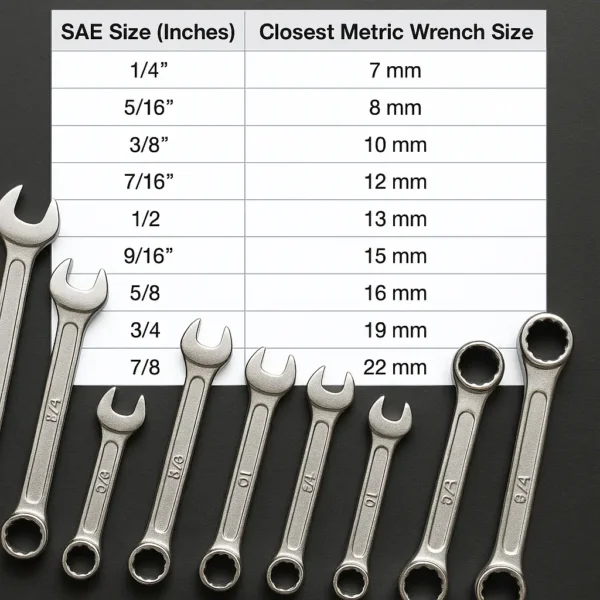
Bolt sizes come in metric and imperial systems. Metric sizes are in millimeters, common in Europe and Asia. Imperial sizes use inches, popular in the USA. A 3/4-inch bolt is an imperial measurement. Understanding both systems is beneficial for global tasks.

Credit: www.amazon.com
Wrench Size Essentials
Choosing the right wrench size is key for working with a 3/4 bolt. Using the correct wrench helps prevent damage to the bolt and makes your work easier. Understanding wrench size essentials saves time and effort. This section explains how wrenches are sized and the standard sizes used for bolts.
How Wrenches Are Sized
Wrenches are measured by the width across their jaws. This width matches the bolt head or nut size. Measurement is usually in inches or millimeters. The size shows the distance between the jaws when open. A properly sized wrench fits snugly on the bolt. It avoids slipping and rounding off the bolt edges.
Standard Wrench Sizes For Bolts
Bolt sizes vary, so wrench sizes also vary. For a 3/4 inch bolt, the correct wrench size is generally larger than the bolt diameter. This is because the wrench fits the bolt head, not the bolt shaft. The common wrench size for a 3/4 inch bolt head is 1 1/8 inches.
| Bolt Size | Typical Wrench Size |
|---|---|
| 1/4 inch | 7/16 inch |
| 3/8 inch | 9/16 inch |
| 1/2 inch | 3/4 inch |
| 3/4 inch | 1 1/8 inch |
| 1 inch | 1 1/2 inch |
Choosing the right wrench size ensures a secure grip on the bolt head. It reduces slipping and wear on tools and fasteners. Always check the wrench size before starting any project.
Choosing The Right Wrench For 3/4 Bolt
Choosing the right wrench for a 3/4 bolt is crucial for a secure fit and efficient work. A wrench that fits well prevents damage to the bolt head and ensures proper torque. Using the wrong size can strip the bolt or make the job harder. Understanding the size and shape of the bolt head helps select the correct wrench.
Matching Bolt Diameter To Wrench Size
Bolt diameter alone does not determine the wrench size. The wrench size depends on the bolt’s head width across the flats. For a 3/4 inch bolt diameter, the wrench size is usually larger than 3/4 inch. This is because the bolt head must be gripped firmly, and the wrench measures the distance across the bolt head flats.
Common wrench sizes for a 3/4 inch bolt are:
- 1 1/8 inch (standard hex bolt)
- 1 1/4 inch (some heavy-duty bolts)
Always check the specific bolt head size before choosing a wrench.
Hex Head Dimensions For 3/4 Bolts
Hex bolts have six flat sides. The distance across these flats is what a wrench fits. For a 3/4 inch bolt, the hex head size usually measures 1 1/8 inches across the flats. This size ensures a proper grip and reduces slipping.
| Bolt Diameter | Typical Hex Head Size |
|---|---|
| 3/4 inch | 1 1/8 inch |
Measure the bolt head if unsure. Using a caliper or ruler can help find the exact size. This ensures the wrench fits perfectly and avoids damage.
Types Of Wrenches Suitable For 3/4 Bolts
Choosing the right wrench for a 3/4 bolt ensures a secure fit and prevents damage. Different wrench types suit various tasks and preferences. Understanding these options helps pick the best tool for your job.
Open-end Wrenches
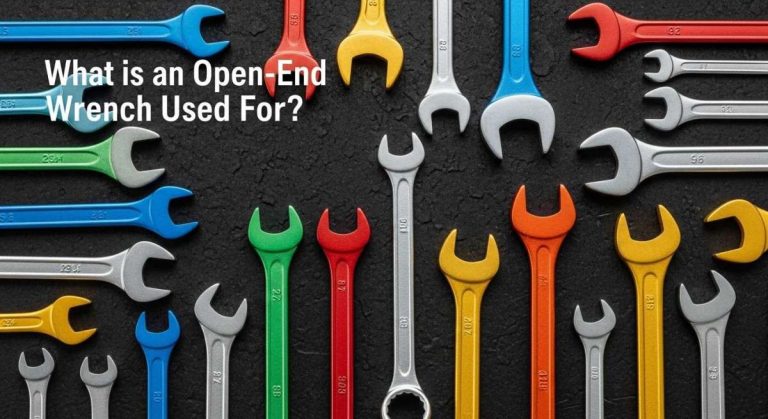
Open-end wrenches have a U-shaped opening. They grip two opposite sides of the bolt head. This design lets you slide the wrench onto the bolt from the side. It works well in tight spaces or where bolts are close together. Open-end wrenches come in fixed sizes, so use one made for 3/4 bolts for a snug fit.
Box-end Wrenches
Box-end wrenches fully encircle the bolt head. This provides excellent grip and reduces slipping. They come in different sizes to match bolt heads exactly. Using a box-end wrench on a 3/4 bolt offers more torque and control. These wrenches protect bolt edges better than open-end types.
Adjustable Wrenches
Adjustable wrenches have a movable jaw to fit many bolt sizes. They are useful if you don’t have a fixed-size wrench for 3/4 bolts. Adjust the jaw until it fits the bolt head tightly. These wrenches are versatile but may slip if not adjusted well. Use them carefully to avoid rounding off bolt corners.
Tips For Ensuring A Perfect Fit
Ensuring a perfect fit for your wrench on a 3/4 bolt is crucial for effective work and tool longevity. A well-fitted wrench prevents damage to both the bolt and your tool. It also saves you time and frustration during your project.
Avoiding Slippage And Damage
Slippage can strip bolt heads or round off edges, making future removal difficult. Always select a wrench size that snugly fits the bolt without forcing it on. If the wrench feels loose, try a different size or a quality adjustable wrench.
Applying too much force with a poorly fitted wrench can damage both the bolt and tool. Imagine tightening a 3/4 bolt with a wrench that’s slightly too large—you’re likely to slip and hurt yourself or the equipment. Take a moment to check the fit before applying pressure.
Checking Wrench Fit Before Use
Before you start, place the wrench on the bolt and wiggle it gently. The wrench should grip the bolt firmly without any play. If it moves side to side, it’s not the right size.
Try turning the wrench slightly; if it slips or feels loose, switch to the next size. Remember, a wrench that fits perfectly feels secure and lets you apply force without hesitation. Have you ever struggled with a bolt because you didn’t verify your tool’s fit? Avoid that hassle by taking this small step.
Common Mistakes To Avoid
Choosing the right wrench size for a 3/4 bolt may seem straightforward, but many overlook common mistakes that can cause damage or frustration. Avoiding these errors can save you time, protect your tools, and ensure your project is done right the first time. Let’s look at two frequent pitfalls that often trip people up.
Using Incorrect Wrench Sizes
Using the wrong wrench size is more common than you might think. If the wrench is too small, it won’t fit properly, causing you to struggle and possibly round off the bolt edges. Too large, and the wrench can slip, making it hard to apply the right torque.
Think about the last time you grabbed a wrench that felt “close enough.” Did it make the job harder? Matching the wrench size exactly to the bolt—typically a 1-1/8 inch wrench for a 3/4 inch bolt—is key. This precision prevents wear on both the bolt and the wrench.
Over-tightening Risks
It’s easy to assume tighter is better, but over-tightening can strip bolt threads or even snap them. I once tightened a 3/4 bolt too much, and the head broke off mid-project. That mistake cost me a new bolt and extra time to fix the damage.
To avoid this, apply steady, controlled force and know the torque specifications for your bolt. If you don’t have a torque wrench, stop once the bolt feels snug and doesn’t move easily. Overdoing it won’t make the connection stronger—it just increases the risk of failure.
Additional Tools For 3/4 Bolts
Handling 3/4 bolts requires more than just the right wrench size. Using the correct additional tools ensures better grip and precision. These tools help avoid damage and make work easier.
Socket Wrenches
Socket wrenches are perfect for tightening or loosening 3/4 bolts quickly. They fit snugly around the bolt head, providing a firm grip. This reduces slipping and rounding off the bolt.
Socket sets come with various sizes, including 3/4-inch sockets. Use a ratchet handle with the socket for faster turning. This setup works well in tight spaces where a regular wrench is hard to use.
Torque Wrenches
Torque wrenches control the exact force applied to a 3/4 bolt. This prevents over-tightening or under-tightening. Both situations can cause mechanical problems later.
Set the torque wrench to the recommended value for your bolt. Then tighten the bolt until the wrench signals the correct torque. This tool is essential for automotive and machinery repairs.

Credit: www.grainger.com

Credit: www.amazon.com
Frequently Asked Questions
What Size Wrench Fits A 3/4 Inch Bolt?
A 3/4 inch bolt typically requires a 1 1/8 inch wrench. This size fits the bolt’s hex head perfectly, ensuring a secure grip and proper torque application.
Can I Use An Adjustable Wrench For A 3/4 Bolt?
Yes, an adjustable wrench can be used for a 3/4 inch bolt. However, a fixed-size wrench offers better grip and reduces the risk of rounding the bolt head.
What Is The Difference Between Sae And Metric Wrench Sizes?
SAE wrenches measure in inches, fitting bolts sized in imperial units. Metric wrenches use millimeters, suitable for bolts with metric measurements. For a 3/4 inch bolt, SAE wrenches are appropriate.
How To Choose The Right Wrench For 3/4 Bolts?
Choose a wrench matching the bolt’s head size, usually 1 1/8 inches for 3/4 bolts. Ensure the wrench fits snugly to avoid slipping or damage during tightening.
Conclusion
A 3/4 inch bolt usually needs a 1 1/8 inch wrench. This size fits the bolt head well and helps you work safely. Using the right wrench prevents damage and makes your task easier. Always check the bolt before starting to avoid mistakes.
Keep your tools organized for quick access. This small step saves time and effort in any project. Choose the correct wrench and get your work done smoothly. Simple tools make a big difference.

Automotive Specialist & Expert Writer
Tyler Kingston is a passionate automotive writer with a wealth of knowledge in all things cars. With years of experience in the automotive industry, Tyler specializes in everything from vehicle maintenance to the latest car technologies and innovations. He is known for his ability to break down complex automotive concepts into easily digestible, engaging content for both novice and experienced car enthusiasts. Whether it’s detailing car repair techniques, reviewing new car models, or diving into the world of auto accessories, Tyler’s articles provide valuable insights to readers. His hands-on experience, combined with a genuine love for cars, allows him to deliver expert advice, tips, and news that keeps readers coming back for more.