What to Put under Tires When Storing Car: Essential Tips
Imagine this: You’ve just tucked your car away for the season, but there’s a lingering worry gnawing at you. What if all that time sitting still causes damage to your tires?
You’re not alone in this concern. Many car owners like you are on the lookout for simple, effective ways to protect their beloved vehicles during storage. Understanding what to put under your car tires can be the difference between preserving tire integrity and dealing with flat spots or unnecessary wear.
This straightforward guide will walk you through the best options to keep your tires in top shape, ensuring peace of mind and readiness for the open road when you’re back behind the wheel.
Credit: www.qualitycarcovers.co.uk
Tire Preservation Techniques
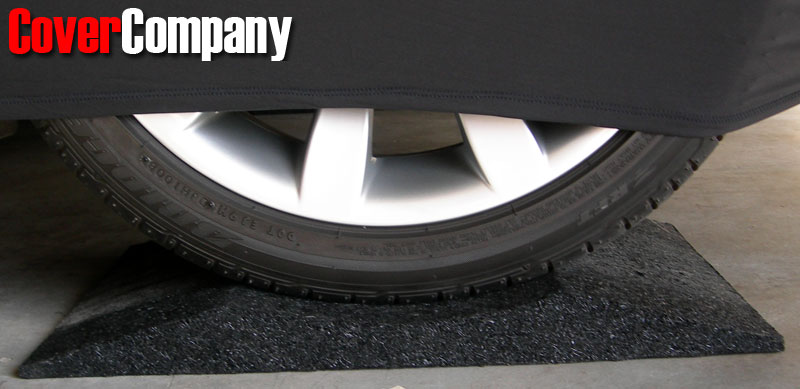
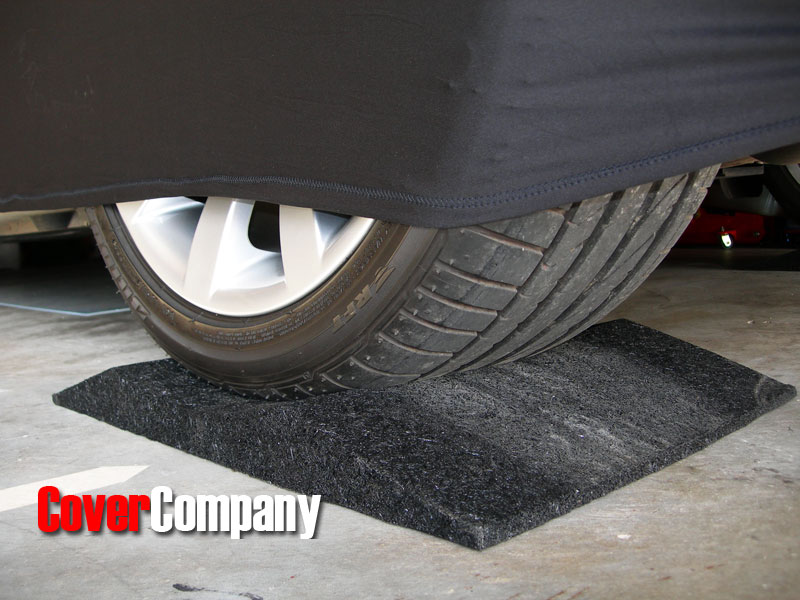
Protecting your car’s tires during storage is essential. Placing wood or rubber mats under tires helps maintain shape and prevent flat spots. These materials provide cushioning and distribute weight evenly, preserving tire integrity.
Tire preservation is crucial when storing your vehicle for an extended period. Many people overlook the simple act of protecting tires, which can lead to issues like flat spots or dry rot. Proper tire care ensures they remain in good condition, saving you from unnecessary expenses and headaches when it’s time to hit the road again.Using Tire Cradles
Tire cradles are specially designed to distribute the weight of the car evenly. They help prevent flat spots, which occur when a car sits too long without moving. Consider using tire cradles if you plan on storing your car for more than a month.Inflating Tires To The Right Pressure
Check the recommended tire pressure for your vehicle. Inflate them slightly above the usual pressure to compensate for any air loss over time. This simple step can prevent flat spots and keep your tires in peak condition.Placing Protective Mats Under Tires
Placing a protective mat or piece of plywood under each tire can shield them from moisture. Moisture can seep up from concrete floors, leading to tire degradation. A protective layer acts as a barrier, safeguarding your tires from potential damage.Rotating Tires Regularly
If possible, rotate your tires every few months while in storage. Moving the car even a few feet can help maintain tire shape. This technique is especially useful if you don’t have access to tire cradles.Cleaning Tires Thoroughly
Before storing your vehicle, clean the tires thoroughly. Remove any dirt, grime, or road salt that could accelerate wear and tear. A clean tire is less likely to develop cracks or dry rot.Using Tire Covers
Tire covers protect against harmful UV rays and other environmental factors. They are particularly useful if you’re storing your car outdoors. Investing in a good set of tire covers can prolong the life of your tires.Checking Tires Periodically
Make it a habit to check your tires periodically, even while in storage. This proactive approach can help you spot issues before they become significant problems. Regular checks ensure your car is ready to go when you need it. Have you ever stored your car and later found tire issues you didn’t expect? Taking these tire preservation techniques seriously can save you from such surprises. With a little effort, you can ensure your car’s tires remain in great shape, ready for the next adventure.Importance Of Proper Tire Support
Proper tire support is crucial when storing your car. Tires can develop flat spots if not supported correctly. Flat spots can damage tires permanently. This affects your vehicle’s performance and safety. Therefore, knowing how to support tires properly is essential.
Importance Of Tire Pressure
Maintaining the right tire pressure is vital. Under-inflation can cause flat spots. Over-inflation can lead to cracks. Check the pressure before storing your car. Use a reliable gauge for accurate readings.
Using Tire Blocks
Tire blocks help distribute weight evenly. They prevent tires from deforming over time. Wooden planks or rubber mats work well. Place them under each tire before storage. This provides stable support and protection.
Benefits Of Jack Stands
Jack stands lift tires off the ground. This reduces pressure on tires. It prevents deformation and flat spots. Use them for long-term storage. Ensure the vehicle is stable on stands.
Rotating Tires Periodically
Rotating tires prevents uneven wear. It ensures all parts of the tire get used. Rotate them every few weeks during storage. This helps maintain tire shape and condition.
Protecting Tires From Moisture
Moisture can damage tires during storage. Use covers to protect them. Covers keep out water and dirt. They also shield tires from sunlight. This prevents rubber from cracking and fading.
Common Materials For Tire Support
Parking your car for a while? Protect tires from damage with common materials like rubber mats, plywood, or foam blocks. These help distribute weight evenly and prevent flat spots.
Storing your car for an extended period requires a bit of preparation to ensure it stays in optimal condition. One crucial aspect is supporting the tires properly. Using the right materials under your tires can help prevent flat spots and maintain tire shape. Let’s explore some common materials you might consider using.Wooden Planks
Wooden planks are a practical option for tire support. They’re sturdy and easily accessible. You might have them lying around in your garage. When I stored my car last winter, I placed wooden planks under each tire. They created a stable surface, reducing pressure points and keeping the tires in good shape. Think about the thickness of the planks. Thicker planks distribute the weight more evenly. Consider cutting the planks to fit the tire width precisely. This will maximize support and minimize tire deformation over time.Rubber Mats
Rubber mats offer excellent cushioning. They prevent direct contact with the cold, hard ground. When I left my car parked for months in a damp garage, rubber mats acted as a barrier against moisture. This simple measure helped keep my tires free from mold and mildew. Look for rubber mats with textured surfaces. They provide better grip and prevent the tires from sliding. If you have some old gym mats, they work perfectly for this purpose. Just cut them to size and place them under each tire.Foam Padding
Foam padding is another fantastic option. It conforms to the shape of your tire, offering customized support. I once used foam padding during a long vacation. Upon return, my tires looked as fresh as the day I left. Foam is lightweight, making it easy to handle and position. Search for high-density foam for better durability. You might find foam padding at hardware stores or online. It’s a small investment that can save you from costly tire replacements. Choosing the right material for tire support is crucial. Have you thought about the long-term impact on your tires if stored poorly? Consider these materials and make an informed decision. Your tires—and your wallet—will thank you later!Avoiding Tire Flat Spots
To prevent tire flat spots during car storage, place tire cradles or foam pads under each tire. These items distribute the vehicle’s weight evenly, reducing pressure on any single point. Properly supporting tires helps maintain their shape and extends their lifespan.
Storing a car for an extended period can be tricky, especially if you want to avoid those annoying tire flat spots. If you’ve ever experienced that strange bumpy ride after taking your car out of storage, you know exactly what I mean. Flat spots happen when tires rest in the same position for too long, and they’re not only frustrating but can also lead to uneven wear or even permanent damage. So, how can you prevent this from happening? Let’s dive into some practical tips.Use Tire Cradles
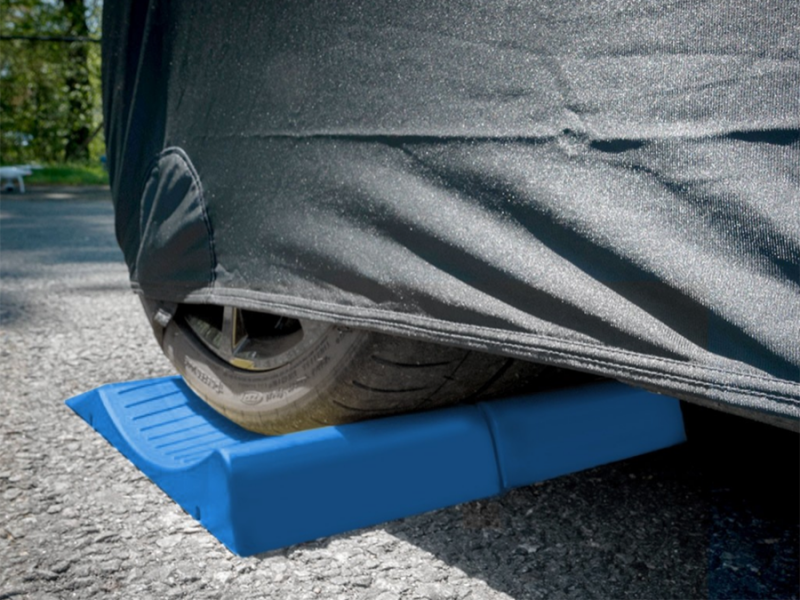
Tire cradles are a fantastic solution to avoid flat spots. These curved platforms cradle your tires, distributing the vehicle’s weight more evenly. By doing so, you prevent the tires from bearing too much pressure on a single point. They’re easy to use and can be a great investment if you store your car frequently.Consider Using Tire Cushions
Tire cushions, often made from foam or rubber, provide a softer surface for your tires to rest on. This helps in reducing the pressure on the contact patch. If you’ve ever used memory foam for your mattress, you understand the concept. It’s all about providing that extra layer of comfort, but for your car.Inflate Your Tires Properly
Proper tire inflation is crucial when storing your car. Make sure to inflate your tires to the recommended pressure, or even slightly above, to help maintain their shape during storage. Under-inflated tires are more susceptible to flat spots, so a quick check with a tire gauge can save you a headache later.Rotate Your Tires Periodically
If possible, rotate your tires every few weeks. This simple action redistributes the weight and prevents any single spot from bearing too much load. Even if your car is stationary, a little movement can do wonders for maintaining tire integrity. Think of it as stretching your legs after sitting for too long.Park On A Soft Surface
Parking on a soft surface, like a carpet or piece of plywood, can help distribute the weight more evenly. Concrete and asphalt can be harsh on tires, especially over long periods. Consider what’s beneath your car as much as what’s inside it. A small adjustment here can make a big difference. Avoiding tire flat spots is all about taking those extra steps to ensure your tires are well cared for during storage. By following these practical tips, you can extend the life of your tires and enjoy a smoother ride. Have you tried any of these methods? What worked best for you?Effects Of Temperature And Humidity
Storing a car involves more than just parking it. The effects of temperature and humidity can be significant. These elements impact tire condition and longevity. Understanding these effects helps in maintaining your car’s tires properly.
How Temperature Affects Tires
Extreme temperatures cause tire pressure changes. Cold temperatures reduce air pressure. This leads to under-inflation. Warm temperatures increase air pressure. This can cause over-inflation. Both conditions affect tire wear and handling. Using tire covers can mitigate these effects.
Humidity’s Impact On Tire Longevity
High humidity leads to moisture accumulation. Moisture can damage the tire’s rubber. It can lead to cracks and deteriorate the material. Low humidity can dry out rubber. This makes tires brittle over time. Keeping tires on protective mats helps prevent damage.
Preventing Damage From Temperature And Humidity
Place insulation pads under tires. These pads protect against ground temperature variations. They help maintain consistent tire pressure. Protecting tires from direct exposure to weather elements is crucial. Covers and mats aid in this protection.
Credit: www.coveritcanada.ca
Preparing Your Storage Area
Protect your car’s tires during storage by placing boards or tire cradles underneath. This prevents flat spots and ensures even weight distribution. Proper support keeps tires in good condition over time.
Preparing your storage area is a crucial step in ensuring your car remains in top condition while it’s tucked away. Whether you’re storing your vehicle for a season or a longer period, creating the right environment can prevent potential damage. Let’s dive into the specifics of what you need to do to get your storage space ready, starting with cleaning and leveling the surface where your car will rest.Cleaning The Surface
Before you park your car, make sure the area is clean. Sweep away dust, debris, and any sharp objects that could puncture your tires. A clean surface will also help prevent rust and corrosion on the undercarriage. Consider using a garage floor mat or tarp for added protection. This extra layer can shield against moisture and grime. It’s a small step that can make a significant difference over time. Think about the last time you found a nail stuck in your tire. You wouldn’t want that to happen while your car is stationary. Ensuring the ground is clean can prevent such unwelcome surprises.Leveling The Ground
Check if the ground where you plan to park your car is level. Uneven surfaces can lead to unnecessary strain on your tires and suspension. Over time, this can cause flat spots or other issues. Use a level tool to gauge the surface. If the ground is uneven, consider adjusting it with a leveling compound or parking on different ground. Even small adjustments can protect your car’s tires and alignment. Have you ever found your car rolling slightly when parked? This could be due to an uneven surface. A level ground ensures your car stays put and reduces stress on the handbrake. By taking the time to clean and level your storage area, you’re not just storing your car—you’re preserving its longevity. How do you plan to prepare your space for optimal storage?Long-term Storage Considerations
Placing wooden planks or rubber mats under car tires helps prevent flat spots during long-term storage. These materials distribute weight evenly, keeping tires in good shape. Simple steps like this ensure your car remains in top condition while stored.
Storing your car for the long term requires careful planning, especially when it comes to protecting your tires. The last thing you want is to retrieve your vehicle only to find flat spots or deteriorated rubber. Taking a few proactive steps can save you from costly repairs and ensure your car is road-ready when you need it again.Checking Tire Pressure
Maintaining proper tire pressure is crucial during storage. Tires naturally lose air over time, which can lead to flat spots if they are left sitting with low pressure. Before storing your car, inflate the tires to the recommended PSI as stated in your vehicle’s manual. Regularly check the pressure during the storage period, especially if you’re storing the car for several months. Consider using a tire pressure monitoring device for real-time updates. Imagine the disappointment of a flat tire when you’re eager to hit the road again.Rotating Tires Periodically
Tires can develop flat spots if they remain in the same position for too long. This can be avoided by rotating the tires periodically while the car is in storage. If possible, take the car for a short drive every few weeks to keep the tires in good condition. Alternatively, you can manually rotate the tires by jacking up the car and repositioning them. It might sound like a chore, but a little effort now can prevent bigger headaches later. Have you ever experienced the frustrating wobble of a flat-spotted tire? It’s a reminder of how important this simple task is. Considering these steps can make all the difference for your car’s tires during long-term storage. It’s about ensuring your vehicle is ready to roll when you are. What steps do you plan to take to protect your tires?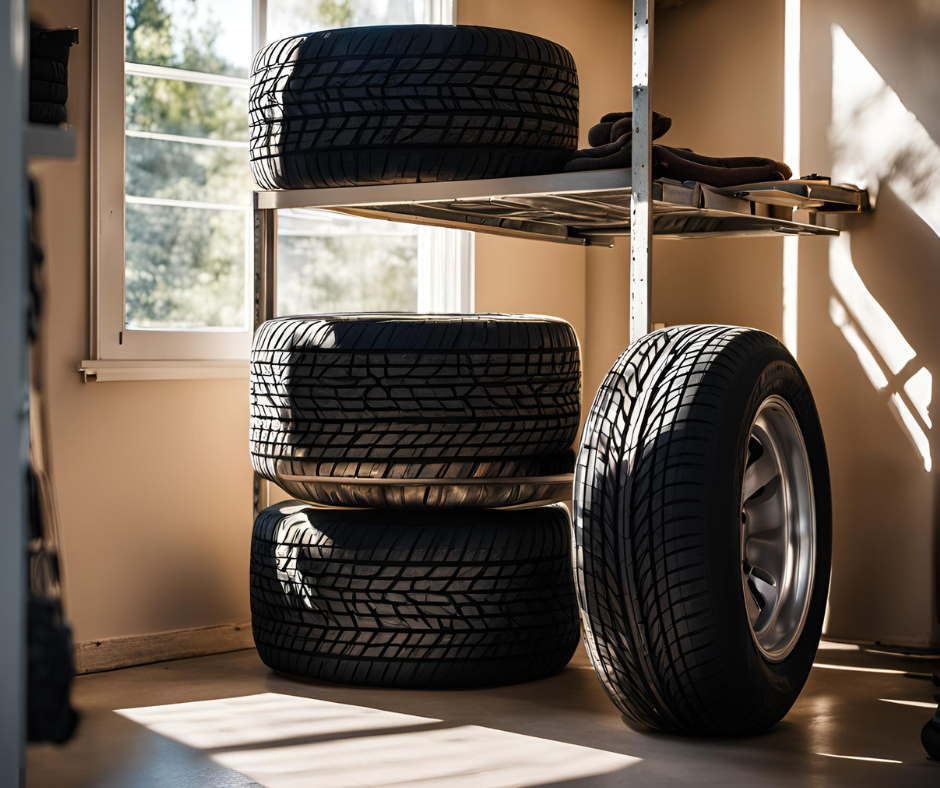
Credit: www.herculestire.com
Frequently Asked Questions
What Do You Put Under Your Tires When Storing?
Place cardboard, plywood, or tire mats under tires during storage. These materials prevent flat spots and moisture damage. Ensure the area is clean and dry for optimal tire preservation. Proper storage extends tire life and maintains performance. Always check tire condition before use after long-term storage.
How Do I Keep My Tires From Dry Rotting In Storage?
Store tires in a cool, dark, and dry place. Use airtight bags to reduce oxygen exposure. Elevate them off the ground to prevent moisture absorption. Rotate periodically to maintain shape. Avoid direct sunlight and extreme temperatures.
What Is The Best Surface To Store Tires On?
Store tires on a clean, cool, and dry surface. Use wooden pallets or tire racks to avoid direct contact with the ground. Ensure the area is free from oil and chemicals. Keep tires away from sunlight to prevent damage. Proper storage extends tire life and maintains performance.
How To Prevent Tire Flat Spots During Storage?
Elevate your car on jack stands to relieve tire pressure. Inflate tires to the recommended PSI. Rotate the tires occasionally. Store the vehicle in a cool, dry place. Use tire cradles or flat spot preventers for extra protection.
Conclusion
Choosing the right support for stored tires protects your car. Avoid flat spots and potential damage. Use materials like wooden planks, foam pads, or tire cradles. These options cushion tires and distribute weight evenly. Check tire pressure regularly. It’s crucial for long-term car health.
Maintaining proper storage conditions extends tire life. Consider the environment—avoid extreme temperatures. Proper care leads to safer driving and reduced expenses. Your car deserves the best support during storage. Invest in quality solutions now for peace of mind later. Keep these tips in mind for tire longevity and smooth rides.

Automotive Specialist & Expert Writer
Tyler Kingston is a passionate automotive writer with a wealth of knowledge in all things cars. With years of experience in the automotive industry, Tyler specializes in everything from vehicle maintenance to the latest car technologies and innovations. He is known for his ability to break down complex automotive concepts into easily digestible, engaging content for both novice and experienced car enthusiasts. Whether it’s detailing car repair techniques, reviewing new car models, or diving into the world of auto accessories, Tyler’s articles provide valuable insights to readers. His hands-on experience, combined with a genuine love for cars, allows him to deliver expert advice, tips, and news that keeps readers coming back for more.