Are Forks on a Bicycle Supposed to Be Lubricated?
Have you ever wondered if those sleek, shiny forks on your bicycle need a little love and lubrication? You’re not alone.
Many cyclists, whether beginners or seasoned pros, ask the same question. The answer isn’t as straightforward as you might think, and knowing whether to lubricate can be the difference between a smooth ride and a bumpy one. Imagine cruising down a hill with the wind in your hair, only to be interrupted by a squeaky, stiff fork.
It’s not just annoying—it can affect your bike’s performance and your overall experience. By the end of this article, you’ll have a clear understanding of why, when, and how to lubricate your bicycle forks, ensuring every ride is as enjoyable as the last. So, are forks on a bicycle supposed to be lubricated? Let’s dive in and find out.

Credit: theraleighbeergarden.com
Understanding Bicycle Forks
Understanding bicycle forks is crucial for any cycling enthusiast. Forks are a vital component that connects the front wheel to the frame. They play a significant role in the bike’s handling and performance. Knowing the different types, materials, and functionalities can enhance your cycling experience.
Types Of Bicycle Forks
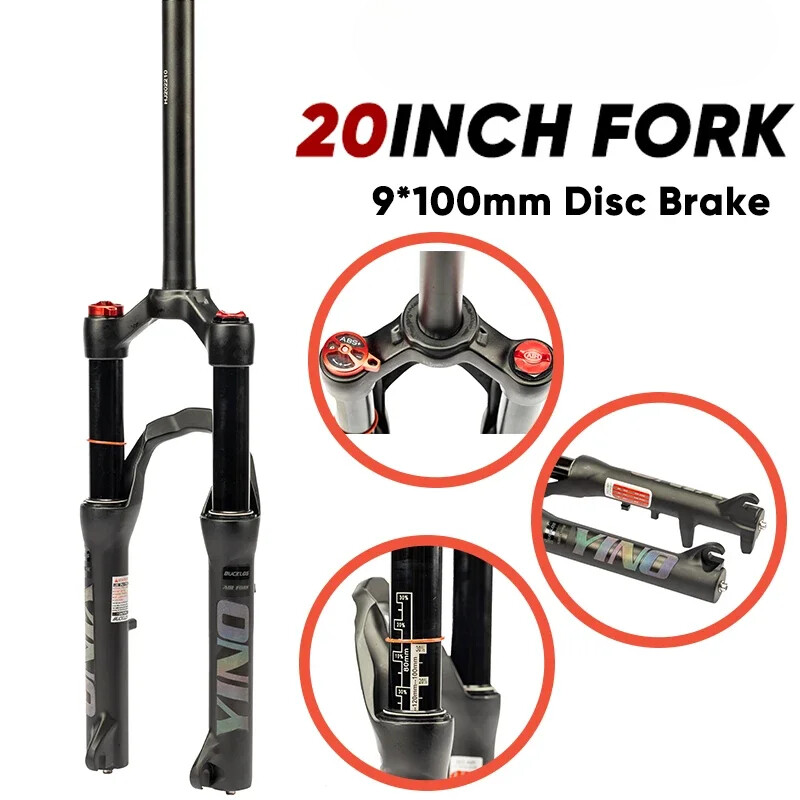
Bicycle forks come in various types. Rigid forks are common in road bikes. They offer a stable ride on smooth surfaces. Suspension forks are found on mountain bikes. They absorb shocks from rough terrains. Each type serves a specific purpose, catering to different cycling needs.
Materials Used In Forks
Forks are made from different materials. Steel forks are durable and strong. They provide a smooth ride but are heavier. Aluminum forks are lightweight and stiff. They offer excellent performance for racers. Carbon fiber forks are the lightest. They enhance speed and agility, ideal for competitive cycling.
Functionality Of Forks In Cycling
Forks impact the bike’s handling and comfort. They determine how the bike responds to turns. Suspension forks improve control on uneven surfaces. Rigid forks maintain speed on flat roads. Proper functionality ensures a smooth and enjoyable ride.
The Role Of Lubrication
Lubrication plays a vital role in maintaining a bike’s performance. It ensures smooth operation and prolongs component life. Neglecting lubrication can lead to wear and tear, impacting ride quality.
Proper lubrication reduces friction between moving parts. This makes pedaling easier and more efficient. It also helps in preventing rust and corrosion, keeping the bike in good condition.
Purpose Of Lubrication In Bike Parts
Lubrication serves several purposes in bike maintenance. It keeps components running smoothly by minimizing friction. This makes the ride more comfortable and less noisy.
Lubrication also protects parts from environmental damage. Dust, dirt, and moisture can harm unprotected metal surfaces. A well-lubricated bike is less prone to damage from these elements.
Commonly Lubricated Components
Many bike parts require regular lubrication. Chains need it to function efficiently and reduce wear. Pedals and bearings are other components that benefit from lubrication.
Derailleurs and brake levers also need attention. These parts move often and can wear out without proper care. Regularly checking and lubricating these areas ensures a smoother ride.
Fork Lubrication: Is It Necessary?
Bicycle forks need regular lubrication to ensure smooth operation and prevent wear. Proper lubrication enhances performance by reducing friction. Neglecting fork lubrication can lead to reduced efficiency and potential damage.
Fork Lubrication: Is It Necessary? You might wonder if lubricating your bicycle’s forks is truly necessary. The short answer is yes, but it comes with some nuances. Understanding why and how to lubricate can make a significant difference in your ride quality and fork longevity.Impact Of Lubrication On Fork Performance
Proper lubrication can enhance the performance of your bike’s forks. It ensures smooth movement, reduces friction, and minimizes wear and tear. A friend of mine once skipped this step and noticed his ride wasn’t as smooth; after a quick lubrication, it was like riding a different bike. Lubrication helps in maintaining the seals and bushings, preventing dust and dirt from causing damage. This small step can lead to better shock absorption and control. Have you ever felt every bump on a trail? A well-lubricated fork can make those bumps feel less jarring.Risks Of Over-lubrication
While lubrication is crucial, overdoing it can cause problems. Excess lubricant can attract dirt and grime, leading to the very issues you’re trying to avoid. It can also lead to a messy ride, with oil leaking onto parts where it shouldn’t be. Using too much lubricant can affect the fork’s damping performance. This can make your ride feel sluggish or even unsafe. It’s all about finding the right balance to keep your bike performing at its best. Have you checked your forks lately? A simple routine check and proper lubrication can extend their life and improve your ride. Always remember, a little care goes a long way.Signs Your Forks Need Attention
Bicycle forks need lubrication for smooth rides. Signs include squeaking noises, stiffness, or visible rust. Regular maintenance ensures optimal performance and safety.
Signs Your Forks Need Attention Proper maintenance of bicycle forks is essential for smooth rides. Knowing when your forks need attention can prevent damage. This section highlights key signs that indicate your forks might need care.Recognizing Wear And Tear
Wear and tear on forks can affect your ride. Scratches or dents are obvious signs. Check for rust on metal parts. Rust weakens the structure. Look for dirt buildup on the seals. Dirt can cause friction. Friction leads to wear. Examine the stanchions for oil residue. Oil might mean worn seals. Worn seals reduce performance.Indicators Of Poor Fork Performance
Forks should glide smoothly. Rough movement suggests issues. Listen for unusual noises. Clicking or squeaking is a warning. Bouncing during rides indicates poor performance. Excessive bounce affects control. Examine fork responsiveness. Slow reaction means potential problems. Pay attention to uneven travel. Uneven travel signals wear or damage. Ignoring these signs can lead to costly repairs. Regular checks can extend the life of your forks. Keep your bike in top shape for safe and enjoyable rides.Lubrication Tips For Bicycle Forks
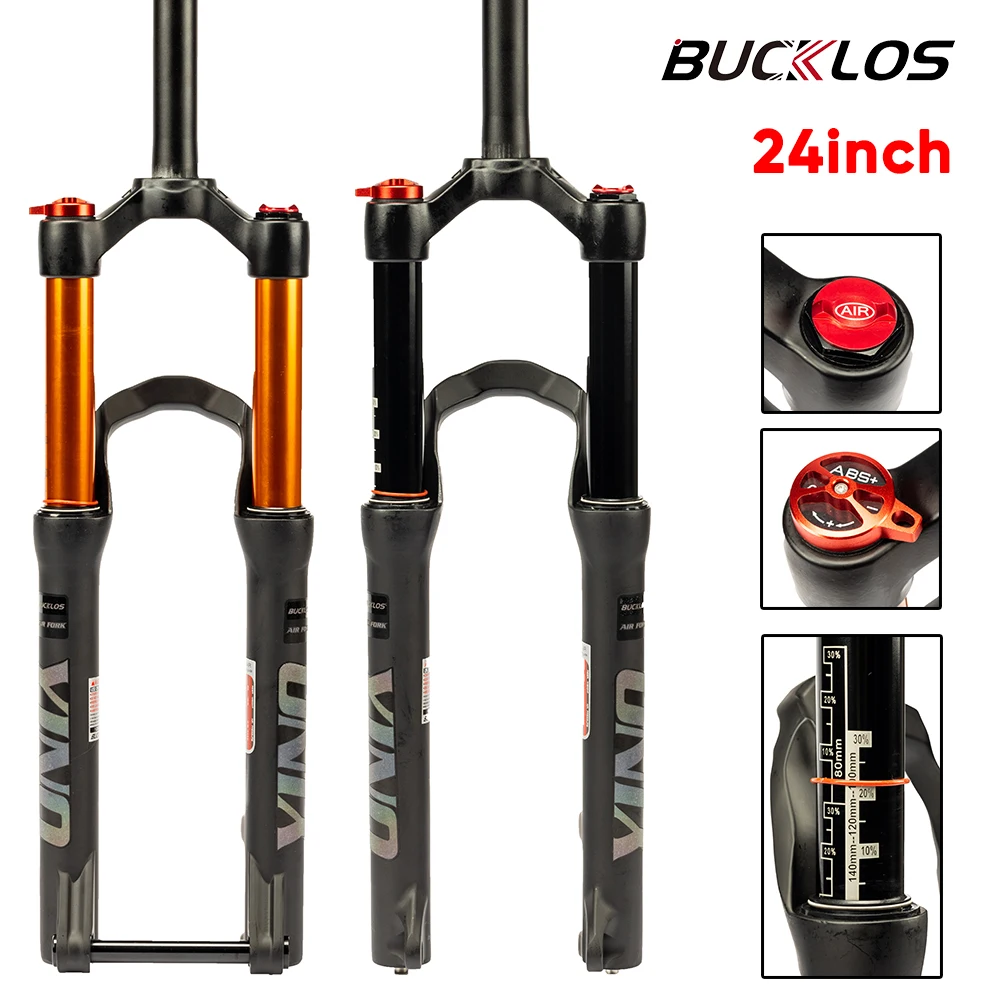
Lubricating your bicycle forks might seem like a trivial task, but it can make a significant difference in your riding experience. Keeping your forks well-lubricated ensures smoother rides, extends the lifespan of your bike, and maintains optimal performance. You don’t have to be a bike mechanic to get this right; just a few simple steps can keep your bike in top shape.
Choosing The Right Lubricant
Not all lubricants are created equal. When picking a lubricant for your bicycle forks, opt for silicone-based or teflon-based lubricants. These types offer excellent resistance to water and dirt. Some riders swear by using light oils, but be cautious as they might attract more grime. A good lubricant reduces friction while protecting against rust. Remember, using the wrong type can cause more harm than good.
Step-by-step Lubrication Guide
Start by cleaning your forks thoroughly. Use a soft cloth to wipe away dirt and debris. Next, apply the lubricant sparingly. A few drops along the fork’s stanchions should suffice. After applying, cycle the suspension to spread the lubricant evenly. Avoid over-lubricating; excess can attract dirt and create a mess. Finally, wipe away any excess lubricant with a clean cloth to prevent buildup.
Frequency Of Lubrication
How often should you lubricate your forks? This largely depends on your riding conditions. If you ride in dusty or wet environments, you might need to lubricate more frequently. A general rule is to check your forks every month. Look for signs of dryness or stiffness. Ask yourself: is my ride as smooth as it used to be? Regular maintenance can prevent bigger issues down the line.
Are you ready to enhance your riding experience? Proper lubrication could be the key. Share your experiences and tips in the comments below. Your insights could help fellow riders maintain their bikes better!
Credit: www.ebay.com
Common Mistakes To Avoid
Bicycle forks should not be lubricated. Applying lubricant can attract dust and dirt, leading to potential damage. Regular cleaning is essential to maintain optimal performance and longevity.
Maintaining your bicycle forks might seem straightforward, but several common mistakes can lead to long-term damage. Lubrication plays a crucial role in ensuring smooth rides and optimal performance. However, without proper knowledge, you might unknowingly cause more harm than good. Let’s explore some pitfalls to watch out for when caring for your bike forks.Using The Wrong Products
Choosing the right lubricant can be tricky. Many riders mistakenly use general-purpose oils, thinking it will suffice. However, not all lubricants are created equal. Forks require specific oils designed for suspension systems. Using improper products can lead to degraded seals and compromised performance. Once, I used a household oil on my bike forks, thinking it would smooth things out. Instead, it attracted dust and grime, causing the forks to stick. Always ensure the product is suitable for bike forks. This simple step can save you from costly repairs.Ignoring Regular Maintenance
It’s easy to overlook regular maintenance, especially when your bike seems to be running fine. But neglecting routine checks can lead to bigger issues down the road. Regular maintenance ensures that small problems don’t escalate into major ones. Consider setting a monthly reminder to check your bike’s forks. A quick inspection can reveal if more lubrication is needed or if there’s an issue. This habit can prolong the life of your bike and keep your rides smooth. Have you ever skipped a maintenance session, only to face a bigger problem later? Addressing minor concerns early on can prevent them from becoming costly headaches. In caring for your bicycle forks, attention to detail and consistency can make all the difference. Embrace these practices and enjoy a better cycling experience.Professional Maintenance Advice
Regular maintenance keeps your bicycle running smoothly. Forks are vital parts that need attention. Proper care ensures optimal performance and safety. Some tasks require a professional’s touch. They bring expertise to tricky maintenance tasks. Understanding when to seek their help is crucial.
When To Seek Professional Help
Notice squeaking or grinding noises from your forks? Time for a professional check. Strange noises can indicate deeper issues. Forks that feel stiff or unresponsive need expert attention. Professionals can diagnose and fix these problems. Regular inspections by experts prevent long-term damage. They ensure your bike remains safe and efficient.
Benefits Of Professional Service
Professional service extends the life of your bicycle. Experts provide thorough cleaning and lubrication. They have access to specialized tools and materials. This ensures your forks function smoothly. Professionals spot potential issues early. Their expertise prevents costly repairs in the future. You’ll enjoy a safer and more comfortable ride.
Enhancing Fork Longevity
Maintaining your bicycle’s forks extends their lifespan and ensures smooth rides. Proper care prevents wear and tear, ensuring performance and safety. Regular maintenance is essential for keeping forks in top condition. Lubrication plays a significant role in fork longevity. It reduces friction, minimizes wear, and protects against rust.
Preventative Measures
Start by cleaning your forks regularly. Dirt and grime can cause damage. Use a soft cloth and mild detergent for cleaning. Avoid harsh chemicals that might corrode. Apply lubricant to moving parts. This keeps them functioning smoothly. Ensure it’s suitable for your fork type. Check the manufacturer’s guidelines for recommendations. Proper storage is vital. Keep your bike indoors, away from moisture and extreme temperatures.
Routine Checks For Optimal Performance
Inspect your forks regularly. Look for signs of wear or damage. Check for loose bolts or screws. Tighten them as needed. Examine the seals for leaks. Replace them if necessary. Test the suspension for smooth movement. If it feels stiff or sticky, lubrication might be needed. Regular checks help catch issues early. They ensure your bike performs at its best.

Credit: www.amazon.com
Frequently Asked Questions
Can I Use Wd-40 On Bike Forks?
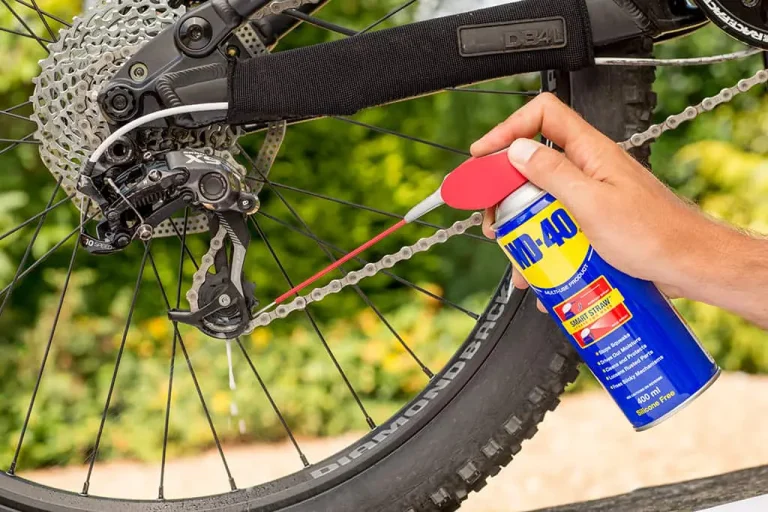
Avoid using WD-40 on bike forks. It can damage seals and attract dirt. Use bike-specific lubricants instead.
Which Parts Of Your Bicycle Need To Be Oiled?
Oil the bicycle chain, derailleur, brake levers, and pivot points. Keep these parts lubricated for smooth operation and reduced wear. Regular maintenance ensures optimal performance and prolongs the bike’s lifespan.
Can You Use Vaseline On Bike Forks?
Vaseline is not recommended for bike forks as it can attract dirt and cause damage. Use silicone-based lubricants for proper maintenance. These keep the forks smooth without harmful buildup. Proper care ensures optimal performance and longevity.
How Do I Know If My Forks Need Servicing?
Check for leaking oil, decreased performance, or unusual noises. Notice any stiffness or lack of smooth movement. Regular maintenance improves safety and ride quality. Inspect for visible damage or wear. Consult your bike manual for specific service intervals.
Conclusion
Lubricating bicycle forks can improve your ride quality. Proper lubrication reduces friction. This leads to smoother rides. It also extends fork lifespan. Regular maintenance ensures safety and performance. Most riders notice the benefits quickly. It’s a simple task with big rewards.
Remember to check your bike’s manual. Follow the guidelines for lubrication. It’s about keeping your bike in top shape. A well-maintained bike means more enjoyable rides. Always prioritize safety and comfort. Keep your bicycle ready for every adventure. Lubricate wisely, and enjoy the road ahead!

Ethan Montgomery is the administrator of carweldhub.com and an expert in the automotive industry. With hands-on experience in welding and a deep understanding of automotive parts and accessories, Ethan brings a wealth of practical knowledge to his work. His passion for the automotive field extends to blog writing and editing, where he shares valuable insights and tips with enthusiasts and professionals alike. Whether you’re looking for detailed technical advice or the latest trends in automotive technology, Ethan’s expertise makes him a trusted resource in the automotive community.