

Where are Kioti Tractors Manufactured: Discover Global Origins
Are you curious about where Kioti tractors are made? If you rely on these powerful machines for your work, knowing their origin can give you confidence in their quality and performance.
Understanding where Kioti tractors are manufactured helps you see the craftsmanship behind every model and why they stand out in the market. Keep reading to discover the exact locations and what makes these tractors trusted by farmers and workers like you worldwide.

Credit: ag-bagfs.com
Kioti Brand History
The Kioti brand has a rich history rooted in innovation and growth. Known for its reliable tractors, Kioti has made a significant mark in the agriculture industry. Let’s explore the journey of this esteemed brand.
Founding And Early Years
Kioti’s journey began in South Korea. Founded in 1947, the company started as Daedong Industrial Company, Ltd. It focused on producing small diesel engines. The founders aimed to support Korea’s growing agricultural needs.
In the early years, the company developed various machinery. This included water pumps and tillers. Their dedication to quality and innovation was evident from the start.
Growth And Expansion
By the 1980s, Kioti expanded its product line. Tractors became a significant focus. The company entered the North American market in 1986. This marked a new chapter in Kioti’s history.
The brand gained popularity quickly. Farmers appreciated the reliability and value of Kioti tractors. This led to further expansion in the international market.
Today, Kioti continues to grow. It remains committed to providing quality machinery to farmers worldwide.
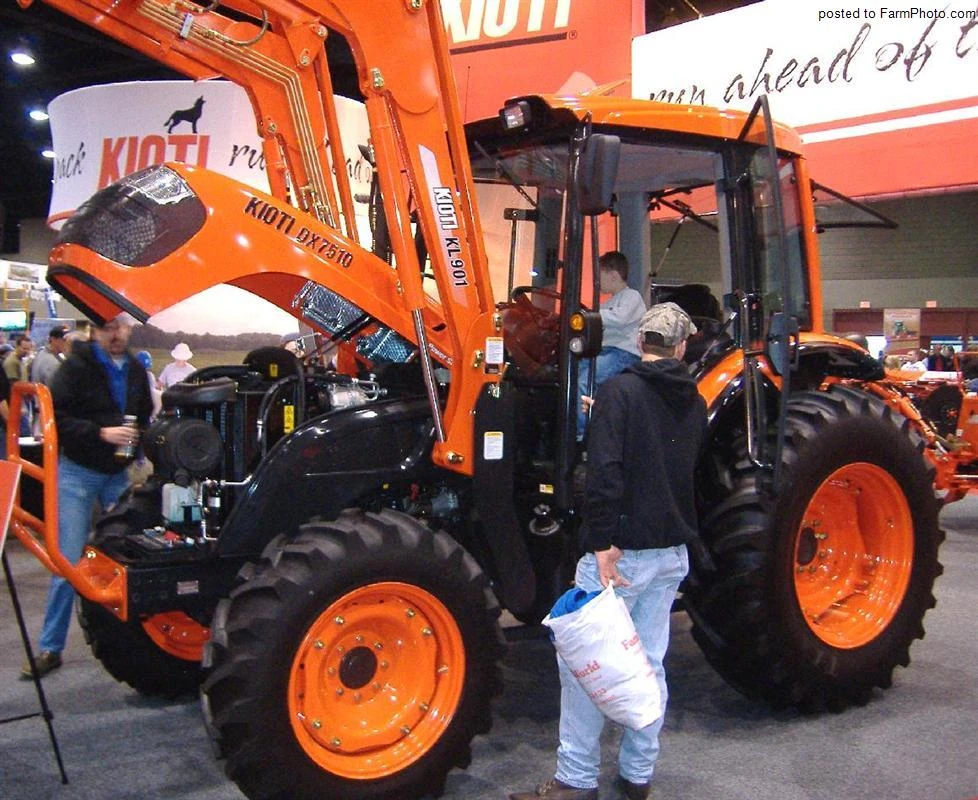
Credit: tractors.fandom.com
Main Manufacturing Locations
Kioti tractors are built in key locations to serve a global market. These sites focus on quality, innovation, and efficiency. Each place has a unique role in the production process. Understanding where Kioti tractors come from helps buyers trust the brand.
South Korea Facilities
South Korea is the original home of Kioti tractors. The main factory is in Gunsan, a city known for its industrial strength. This site handles the design and assembly of many models. Skilled workers and advanced machines combine here. The factory also produces engines and other key parts.
Strict quality controls ensure every tractor meets high standards. The South Korean plant uses modern technology to improve performance. It also focuses on environmental care during production. This facility supports Kioti’s reputation for durable and reliable tractors.
United States Plants
Kioti also manufactures tractors in the United States. The plant in Jefferson, Georgia plays a major role. This location assembles tractors for the North American market. It helps reduce shipping costs and delivery times.
The U.S. factory employs local workers and follows strict safety rules. It adapts models to fit local needs and preferences. This site also works on customer service and support. The presence in the U.S. strengthens Kioti’s reach and responsiveness to buyers.
Global Production Network
Kioti tractors have a broad global production network. This network helps the brand deliver quality machines worldwide. It supports efficient manufacturing and faster distribution. The network also adapts to local needs while keeping global standards.
International Partnerships
Kioti works closely with partners in several countries. These partners share technology and manufacturing expertise. Collaborations improve product quality and innovation. They also help Kioti reach new markets. Partnerships allow access to local knowledge and resources. This strengthens Kioti’s position in the tractor industry.
Regional Assembly Sites
Kioti uses regional assembly sites to build tractors closer to customers. These sites reduce shipping costs and delivery times. They also enable customization based on local farming needs. Assembly locations exist in North America, Asia, and Europe. Each site follows strict quality controls. This ensures all tractors meet Kioti’s high standards.
Quality Control And Standards
Quality control and standards play a crucial role in ensuring that Kioti tractors deliver reliable performance and durability. You want a machine that works smoothly under tough conditions, and that’s exactly what Kioti focuses on during manufacturing. Their attention to detail helps avoid breakdowns and keeps your investment safe over time.
Manufacturing Processes
Kioti tractors are made with a strict set of manufacturing steps designed to catch any issues early. Each component goes through thorough inspections before assembly. This means parts fit perfectly and work as intended without surprises.
During assembly, technicians follow detailed checklists. These lists cover everything from engine tuning to hydraulic system testing. The process also includes real-world tests that mimic the challenges you face on your land.
Have you ever bought equipment that failed shortly after use? Kioti’s process reduces that risk by testing every tractor before it leaves the factory. This hands-on approach guarantees higher quality and fewer repairs for you.
Certifications And Compliance
Kioti tractors meet various industry certifications, showing their commitment to safety and environmental standards. These certifications come from respected organizations that evaluate machinery thoroughly.
Some key certifications include:
- ISO 9001 for quality management systems
- EPA Tier 4 for emissions control
- CE marking for European safety standards
Meeting these standards means Kioti tractors don’t just meet your expectations—they also comply with global regulations. This gives you confidence that your tractor is both safe and eco-friendly.
Impact On Local Economies
The manufacturing of Kioti Tractors plays a significant role in boosting local economies where their factories are located. These facilities not only produce high-quality machinery but also serve as hubs of economic activity and growth. Understanding this impact helps you see how your purchase supports more than just farming efficiency—it fuels community development.
Job Creation
Kioti’s manufacturing plants provide steady employment opportunities for a wide range of workers, from skilled technicians to assembly line staff. This diversity in jobs helps reduce unemployment rates in the local area and builds a reliable workforce.
Think about the ripple effect: when people have steady jobs, they spend more in local shops and services. This creates a cycle of economic vitality that benefits you and your neighbors. Have you ever considered how buying locally made products can support your community’s livelihood?
Community Involvement
Beyond jobs, Kioti invests in the communities around their factories. They often sponsor local events, support educational programs, and contribute to infrastructure improvements. These actions strengthen community bonds and improve quality of life.
When a manufacturer takes an active role in community life, it shows a commitment to more than profits. It encourages you to think about the broader impact of your choices—what if your tractor purchase also helped build better schools or parks in your town?
Future Manufacturing Plans
Kioti Tractors is planning to grow its manufacturing footprint in the coming years. The focus is on expanding capacity and adopting new technologies. These steps aim to meet rising demand and improve product quality.
Expansion Strategies
Kioti plans to increase production facilities in key locations. This includes adding new plants and enlarging existing ones. The goal is to shorten delivery times and serve more markets. Strategic partnerships with local suppliers will support this growth. Investments will focus on efficiency and sustainability in manufacturing.
Technological Innovations
Kioti is integrating smart technologies into its manufacturing processes. Automation and robotics help boost precision and speed. The company is also exploring electric and hybrid tractor production. Using data analytics improves quality control and reduces waste. These innovations make manufacturing cleaner and more cost-effective.

Credit: ag-bagfs.com
Frequently Asked Questions
Where Are Kioti Tractors Primarily Manufactured?
Kioti tractors are primarily manufactured in South Korea. Daedong Corporation, Kioti’s parent company, operates advanced production facilities there. These facilities ensure quality and innovation in compact and utility tractors for global markets.
Does Kioti Have Manufacturing Plants Outside South Korea?
Kioti mainly manufactures tractors in South Korea. However, they have assembly and distribution centers worldwide. This global network supports efficient delivery and service but does not include full manufacturing plants outside Korea.
How Does Kioti Ensure Quality In Their Manufacturing?
Kioti employs modern technology and strict quality control in South Korea. Their manufacturing process involves rigorous testing and inspections. This guarantees durable, reliable tractors that meet international standards for performance and safety.
Are Kioti Tractors Made With Local Or Imported Parts?
Kioti tractors are made using both locally sourced and imported parts. Key components come from trusted suppliers worldwide. This blend ensures high-quality construction and adherence to global industry standards.
Conclusion
Kioti tractors are made mainly in South Korea, where quality and care matter. The company also assembles tractors in the United States to serve local customers better. This mix of global and local production helps keep costs fair and parts available.
Knowing where Kioti tractors are made can help buyers trust the brand’s reliability. Whether for farming or landscaping, these tractors offer solid performance. Choosing Kioti means choosing machines built with skill and attention. Simple and dependable, they fit many needs worldwide.

Automotive Specialist & Expert Mechanic
Noah Brooks is a skilled automotive expert with a passion for both the technical and creative aspects of the automotive world. With years of experience in repairing, restoring, and enhancing vehicles, Noah is known for his deep knowledge of car mechanics, parts, and accessories. His expertise extends to welding, troubleshooting, and offering advice on the latest car technologies and trends. Whether it’s diagnosing complex issues or guiding readers through DIY car repairs, Noah’s blog posts are filled with hands-on insights that appeal to both novice and experienced car enthusiasts. When he’s not writing, Noah is working on his own car projects, continually learning and sharing his automotive passion with the world.


