
Can I Put 20W-50 in Lawn Tractor: Essential Oil Guide
Are you wondering if you can put 20W-50 oil in your lawn tractor? Choosing the right oil is key to keeping your tractor running smoothly and avoiding costly repairs.
Using the wrong oil can affect your engine’s performance and lifespan. You’ll discover when 20W-50 is a good choice for your lawn tractor and when it’s better to go with something else. Keep reading to protect your investment and get the most out of your mower all season long.
Choosing The Right Oil
Choosing the right oil affects your lawn tractor’s performance and engine life. Using 20W-50 oil depends on the tractor’s engine and climate conditions. Thicker oil like 20W-50 suits older engines or hot weather but may not work well in cold temperatures.
Choosing the right oil for your lawn tractor can make a significant difference in its performance and longevity. The oil you choose affects how well the engine operates and can even impact fuel efficiency. But with so many options available, how do you know which one is right for your machine?Oil Viscosity Explained
Understanding oil viscosity is essential in selecting the appropriate oil for your lawn tractor. Viscosity measures the oil’s resistance to flow. Thicker oils, like 20W-50, have higher viscosity, meaning they flow more slowly at low temperatures but remain stable at high temperatures. A personal story comes to mind: I once used a high-viscosity oil in my old lawn tractor during a particularly hot summer. The engine ran smoothly and efficiently, demonstrating that sometimes, thicker oils are a good choice for warmer climates. However, this isn’t a one-size-fits-all solution.Common Oils For Lawn Tractors
Lawn tractors typically require oils within a specific viscosity range to operate efficiently. Common oils include:- 10W-30:A versatile oil suitable for many climates. It’s a popular choice for its balance of performance in both cold and warm temperatures.
- SAE 30:Often recommended for warmer climates and summer use. It provides good protection in high temperatures but may not perform well in the cold.
- 20W-50:Ideal for high-temperature conditions. It’s particularly beneficial if your lawn tractor works in hot environments or under heavy loads.

Credit: discountstarterandalternator.com
About 20w-50 Oil
Understanding the nature of 20W-50 oil is essential before deciding if it fits your lawn tractor’s needs. This oil is known for its thick consistency and strong protective qualities. Knowing what makes it unique can help you make a smarter choice for your equipment’s health.
Viscosity Characteristics
20W-50 oil has a high viscosity, meaning it is thicker than many common oils. The “20W” indicates how the oil flows at cold temperatures, while “50” shows its thickness at high temperatures.
This thickness helps create a strong lubricating film between engine parts. If your tractor runs in conditions where the engine heats up quickly, this oil can protect better against wear.
However, the thicker nature also means it flows slower when cold, potentially causing harder starts in chilly weather. Have you noticed your tractor struggling on cold mornings? The oil’s viscosity might be a factor.
Performance In Various Temperatures
20W-50 performs best in warm to hot environments. It keeps its protective qualities even when the engine reaches high temperatures during long mowing sessions.
In cooler temperatures, this oil can become too thick, increasing engine strain and reducing fuel efficiency. If you live in a region with mild or cold seasons, you might want to reconsider using it year-round.
Think about your typical mowing conditions. Do you operate mainly in summer heat, or do you need reliable performance in early spring or late fall? Matching oil to your climate can save you from costly engine problems.
Compatibility With Lawn Tractors
Choosing the right oil for a lawn tractor is crucial for its performance. Compatibility with the tractor’s engine ensures smooth operation and longer life. Using the wrong oil can cause damage or reduce efficiency.
Manufacturer Recommendations
Always check the owner’s manual first. Manufacturers list the best oil types for their tractors. They consider engine design and operating conditions. Using their recommended oil keeps the warranty valid. It also helps the engine run at its best.
Some manuals specify 10W-30 or 5W-30 oils, common for lawn tractors. Others might allow thicker oils like 20W-50 in hot climates. Ignoring these recommendations risks engine wear or poor fuel economy.
Engine Type Considerations
Engine design affects oil choice. Older engines with higher wear tolerate thicker oils like 20W-50. This oil provides better protection at high temperatures and heavy loads.
Newer engines often need thinner oils for better flow and fuel efficiency. Using 20W-50 in these engines can cause poor lubrication on cold starts. It may increase engine deposits and reduce power.
Check whether your tractor’s engine is air-cooled or liquid-cooled. Air-cooled engines often run hotter and may benefit from thicker oils. Liquid-cooled engines usually require lighter oils to maintain proper flow.
Benefits Of Using 20w-50
Using 20W-50 oil in a lawn tractor offers several key benefits. This oil thickness is ideal for certain engines, especially in warm weather. It provides strong lubrication and helps keep the engine running smoothly. Choosing the right oil protects your tractor and improves performance.
Protection In Hot Climates
20W-50 oil is thicker than many other grades. This thickness helps the oil stay stable at high temperatures. It forms a strong layer between engine parts, reducing wear and tear. The oil prevents the engine from overheating during long use. It also keeps metal surfaces from rubbing directly against each other.
Enhanced Engine Longevity
Thick oil like 20W-50 reduces friction inside the engine. Lower friction means less damage to moving parts. The oil also helps keep the engine clean by preventing sludge buildup. Clean engines last longer and perform better. Using 20W-50 can extend the life of your lawn tractor’s engine significantly.
Potential Drawbacks
Using 20W-50 oil in your lawn tractor might seem like a simple choice, but it comes with some potential drawbacks you should consider. This thicker oil can affect your tractor’s performance, especially in certain conditions. Understanding these downsides will help you decide if 20W-50 is the right oil for your machine.
Cold Weather Challenges
20W-50 oil is quite thick, especially when cold. This means it doesn’t flow as easily at low temperatures, making it harder for your lawn tractor to start on chilly mornings.
You might notice your engine struggling or taking longer to turn over. In extreme cold, this can put extra strain on the battery and starter motor, potentially leading to premature wear.
Have you ever had your tractor stall or hesitate during a cold start? Using a thinner oil might solve that problem more effectively than 20W-50.
Fuel Efficiency Impact
Thicker oil like 20W-50 creates more resistance inside the engine. This means the engine has to work harder to move its parts, which can reduce fuel efficiency.
Over time, this extra effort can lead to higher fuel consumption, costing you more in the long run. It’s something to think about if you use your lawn tractor frequently or for long periods.
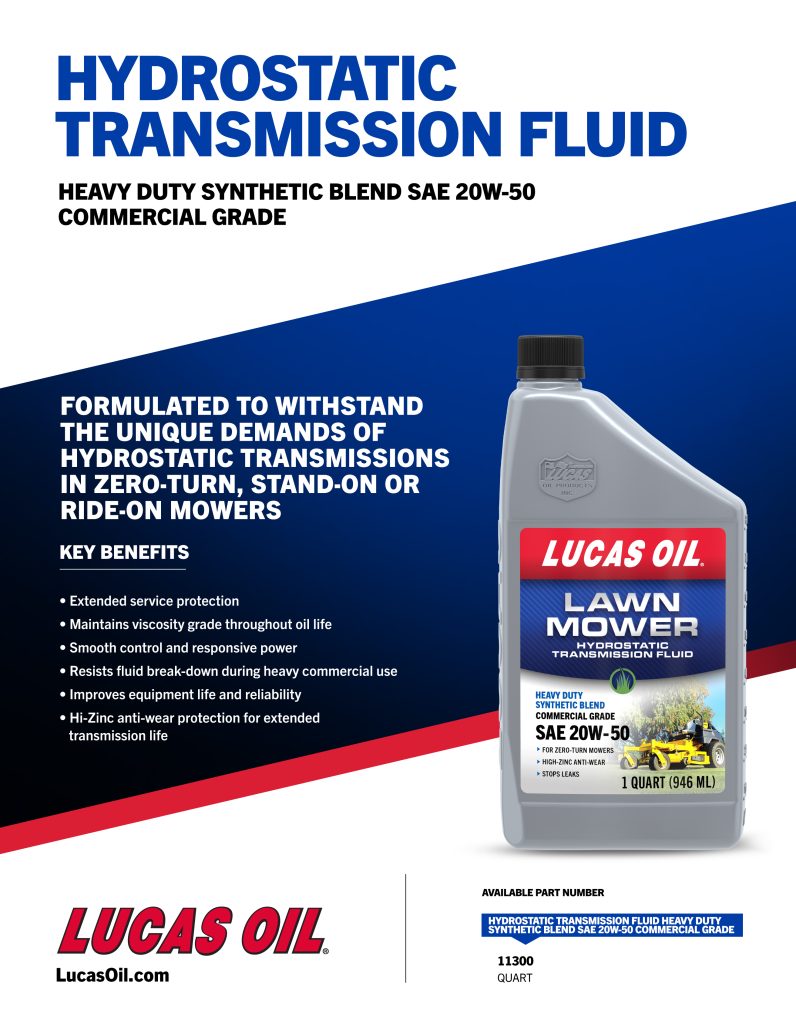
Could a thinner oil help your tractor save on fuel while still protecting the engine? Many users report better mileage with oils designed for lighter viscosity.
Credit: www.lucasoil.com
How To Check Your Lawn Tractor’s Oil Needs
Knowing the right oil for your lawn tractor is key to its performance. Checking your tractor’s oil needs helps avoid engine damage and keeps it running smoothly. This process is simple and starts with understanding what your machine requires.
Checking oil needs involves two main steps: learning from the owner’s manual and getting advice from experts. Both steps ensure you use the best oil type and weight for your tractor.
Reading The Owner’s Manual
The owner’s manual provides exact oil specifications for your lawn tractor. It lists the recommended oil weight based on engine type and temperature range. Manuals often suggest oil change intervals and quantity too.
Look for a section titled “Lubrication” or “Oil Recommendations.” This part explains which oil grades suit your tractor best. Following these guidelines helps protect the engine and maintain warranty coverage.
Consulting Professionals
Talk to local lawn equipment dealers or mechanics about your tractor’s oil needs. They have hands-on experience with different tractor models and climates. Professionals can confirm the best oil grade or suggest alternatives if needed.
They also offer tips on oil changes and oil quality checks. Consulting them prevents costly mistakes and extends your tractor’s engine life.
Best Practices For Oil Change
Changing the oil in your lawn tractor is crucial for keeping the engine running smoothly and extending its lifespan. Using the right oil, such as 20W-50, can make a difference, but only if you follow the best practices for oil changes. Knowing when to change the oil and how to dispose of it properly protects both your machine and the environment.
When To Change Oil
Check your lawn tractor’s manual for the manufacturer’s recommended oil change interval. Typically, you should change the oil after every 50 hours of use or at least once a season. However, if you notice the oil looks dark or gritty, it’s a sign you need to change it sooner.
Keep track of your hours with a log or app. This helps you avoid running your engine on old, dirty oil that can cause damage. Also, consider changing the oil before long storage periods to prevent buildup and corrosion inside the engine.
Proper Disposal Methods
Used oil is hazardous and should never be poured down drains or onto the ground. Instead, collect it in a clean, sealed container right after draining the oil from your tractor. Most auto parts stores and service centers accept used oil for recycling at no charge.
If you’re unsure where to take your used oil, contact your local waste management facility. Proper disposal prevents soil and water pollution, protecting your neighborhood and wildlife. Remember, responsible disposal is part of caring for your tractor and your community.
Credit: www.lucasoil.com
Frequently Asked Questions
Can I Use 20w-50 Oil In My Lawn Tractor?
Yes, 20W-50 oil can be used if your tractor’s manual allows it. It is thicker and suits older engines or hot climates.
Is 20w-50 Better For Lawn Tractors In Summer?
20W-50 oil provides better protection in hot weather. It maintains viscosity and prevents engine wear during high temperatures.
Will 20w-50 Oil Harm A Lawn Tractor Engine?
Using 20W-50 oil in the wrong engine can cause poor lubrication. Always check your tractor’s manual to avoid damage.
How Often Should I Change 20w-50 Oil In Lawn Tractors?
Change 20W-50 oil every 50 hours or once per season. Regular changes keep the engine clean and running smoothly.
Conclusion
Choosing the right oil keeps your lawn tractor running well. Using 20W-50 oil works best in hot weather or older engines. Check your tractor’s manual for the recommended oil type. Using the wrong oil can cause engine problems. Regular oil changes help protect your engine and improve performance.
Remember, simple care saves money and extends your tractor’s life. Keep your mower ready for every season with proper oil use.

Automotive Specialist & Expert Mechanic
Noah Brooks is a skilled automotive expert with a passion for both the technical and creative aspects of the automotive world. With years of experience in repairing, restoring, and enhancing vehicles, Noah is known for his deep knowledge of car mechanics, parts, and accessories. His expertise extends to welding, troubleshooting, and offering advice on the latest car technologies and trends. Whether it’s diagnosing complex issues or guiding readers through DIY car repairs, Noah’s blog posts are filled with hands-on insights that appeal to both novice and experienced car enthusiasts. When he’s not writing, Noah is working on his own car projects, continually learning and sharing his automotive passion with the world.