

Where Are Ls Tractors Made: Discover Their Origin Today
Are you curious about where LS Tractors are made and what sets them apart? Knowing the origin of your tractor can help you understand its quality, reliability, and why so many farmers trust this brand.
If you want to make an informed choice for your farm or land, discovering the roots of LS Tractors is a must. Keep reading to find out exactly where these powerful machines come from and what makes them a smart investment for you.
Ls Tractors Origins
LS Tractors has a rich background that many farming enthusiasts appreciate. The brand is known for its reliable machinery and strong roots. Understanding the origins of LS Tractors helps explain their quality and design philosophy. The story begins with a clear vision to create durable, efficient tractors for farmers worldwide.
Founding History
LS Tractors was established in South Korea. The company started as a small manufacturer focused on industrial machinery. Over time, it expanded into agricultural equipment. The founders aimed to build tractors that balance power and ease of use. Their goal was to support farmers with cost-effective, strong machines.
The brand grew quickly due to its focus on quality and innovation. LS Tractors became part of LS Mtron, a larger industrial group. This connection helped improve technology and production capabilities. The company also invested in research to meet global farming needs.
Initial Manufacturing Locations
The first LS Tractors were produced in South Korea. The main factory is located in Changwon, a city known for heavy industry. This site remains the core manufacturing hub today. It uses advanced machinery to ensure tractor parts are precise and durable.
LS Tractors also started partnerships to expand production. They worked with global suppliers to source materials. This helped maintain high standards and reduce costs. Over the years, the company added facilities in other countries to serve local markets better.
Current Production Sites
Understanding where LS Tractors are currently produced gives you insight into the quality and availability of their products. The company has strategically placed its production sites to ensure efficiency and meet global demand. Let’s look closely at the main factories and the countries that house these important manufacturing hubs.
Main Factories Worldwide
LS Tractors operates several key factories around the world to maintain high production standards. The primary facility is located in South Korea, where the company was originally founded. This factory handles the majority of the assembly and quality checks, ensuring every tractor meets strict performance criteria.
Additionally, LS Tractors has expanded production to other regions to serve international markets more directly. These factories work closely with the main site to adapt models based on local farming needs. This approach helps reduce shipping times and costs, which benefits you as a buyer.
Key Manufacturing Countries
- South Korea:The heart of LS Tractors’ manufacturing, focusing on research, development, and large-scale production.
- United States:A significant assembly plant caters to North American customers, offering tailored features suited for local agriculture.
- India:A growing manufacturing base designed to meet the demands of the Asian market, with an emphasis on affordability and durability.
- Brazil:This facility supports South American farming, producing tractors adapted to diverse terrain and crop types.
Have you ever wondered how production location affects the price and availability of farm equipment near you? Knowing where your tractor is made can help you understand the support and parts availability in your region. This knowledge empowers you to make smarter buying decisions that fit your farming needs perfectly.
Manufacturing Process
LS Tractors are made in South Korea, where high-quality manufacturing standards are followed. Skilled workers use modern machines to build durable and reliable tractors. Every tractor undergoes strict testing before it reaches customers.
The manufacturing process of LS Tractors is a fascinating journey of innovation and precision. These tractors are not just machines; they are products of meticulous craftsmanship. Understanding how they are made can give you a deeper appreciation of their reliability and performance.Assembly Techniques
The assembly of LS Tractors involves a blend of advanced technology and skilled craftsmanship. Each component is carefully integrated to ensure optimal functionality. Robots and skilled workers collaborate seamlessly, ensuring each part fits perfectly. The use of robotics enhances precision, reducing human error. However, human oversight ensures that each tractor meets stringent standards. This balance between technology and human touch is what sets LS Tractors apart.Quality Control Measures
Quality control is at the heart of LS Tractors’ manufacturing process. Each tractor undergoes rigorous testing to ensure durability and efficiency. This includes stress tests and performance assessments under various conditions. Imagine driving a tractor that has been tested for resilience in extreme weather conditions. LS Tractors ensure that what you receive is nothing short of excellence. These stringent quality measures guarantee a product that you can rely on for years to come. Have you ever wondered how such precision and quality are maintained consistently? It’s through a relentless commitment to quality control. Every tractor is a testament to the dedication and high standards upheld at LS Tractors.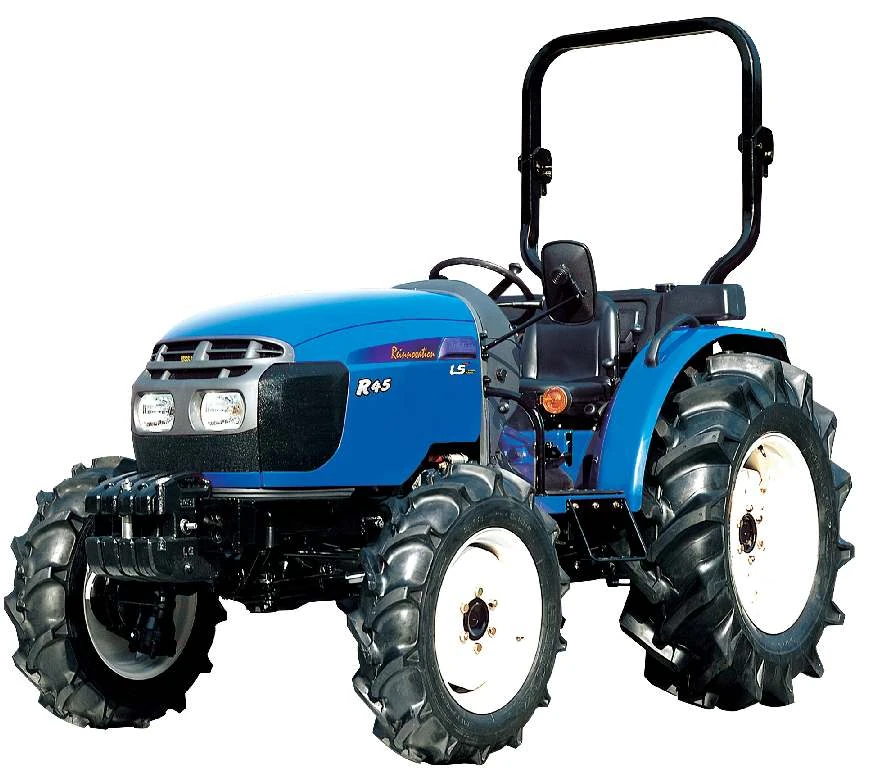
Credit: tractors.fandom.com
Global Supply Chain
The global supply chain for LS Tractors is a complex and well-orchestrated system that ensures quality and efficiency from start to finish. Understanding how parts are sourced and how distribution is handled gives you a clearer picture of why LS Tractors are reliable and widely available. This network connects manufacturers, suppliers, and customers across multiple continents.
Parts Sourcing
LS Tractors relies on a diverse range of suppliers worldwide to gather essential components. Many parts come from South Korea, where LS Mtron, the parent company, has significant manufacturing facilities. However, key components such as engines, hydraulics, and electronics might be sourced from specialized manufacturers in countries like Japan, the USA, and Europe.
By using multiple suppliers, LS Tractors can maintain high standards and avoid production delays. Think about how your own car uses parts from different brands to perform better; LS Tractors works the same way. This strategy also allows for flexibility, so if one supplier faces issues, production can continue smoothly with alternatives.
Distribution Network
The distribution network for LS Tractors spans globally, ensuring tractors reach customers efficiently. LS Mtron operates regional warehouses and partners with dealers strategically located in agricultural hubs. This setup shortens delivery times and provides local support for maintenance and spare parts.
Have you ever waited weeks for a product because it was stuck in transit? LS Tractors’ distribution system minimizes such delays, which is crucial for farmers who depend on timely equipment. Local dealers often provide hands-on service, making it easier for you to get assistance without shipping your tractor back to the factory.
Impact Of Origin On Performance
The origin of LS tractors plays a significant role in their overall performance. Where these machines are made can influence everything from the quality of materials to the precision of assembly. Understanding this impact helps you make better decisions about reliability and long-term value.
Durability Factors
The place of manufacture often determines the durability of a tractor. LS tractors built in facilities with strict quality control tend to last longer and require fewer repairs. For example, factories in South Korea are known for advanced engineering standards, which contribute to robust components and better endurance under heavy use.
Durability also depends on the availability of skilled labor and modern machinery during production. If the factory uses outdated processes, the tractor might have weak points that show up during tough tasks. When you consider buying an LS tractor, ask yourself: Does the origin suggest a strong manufacturing background?
Customer Perceptions
Your perception of a tractor’s quality often ties back to where it was made. Many customers associate tractors from certain countries with reliability and innovation. For instance, South Korean manufacturing often earns praise for balancing affordability with performance, which shapes positive opinions about LS tractors.
However, some buyers worry about parts availability and service support based on the origin. These concerns can affect satisfaction even if the tractor performs well. Think about how the origin influences your confidence in maintenance and resale value before making a choice.
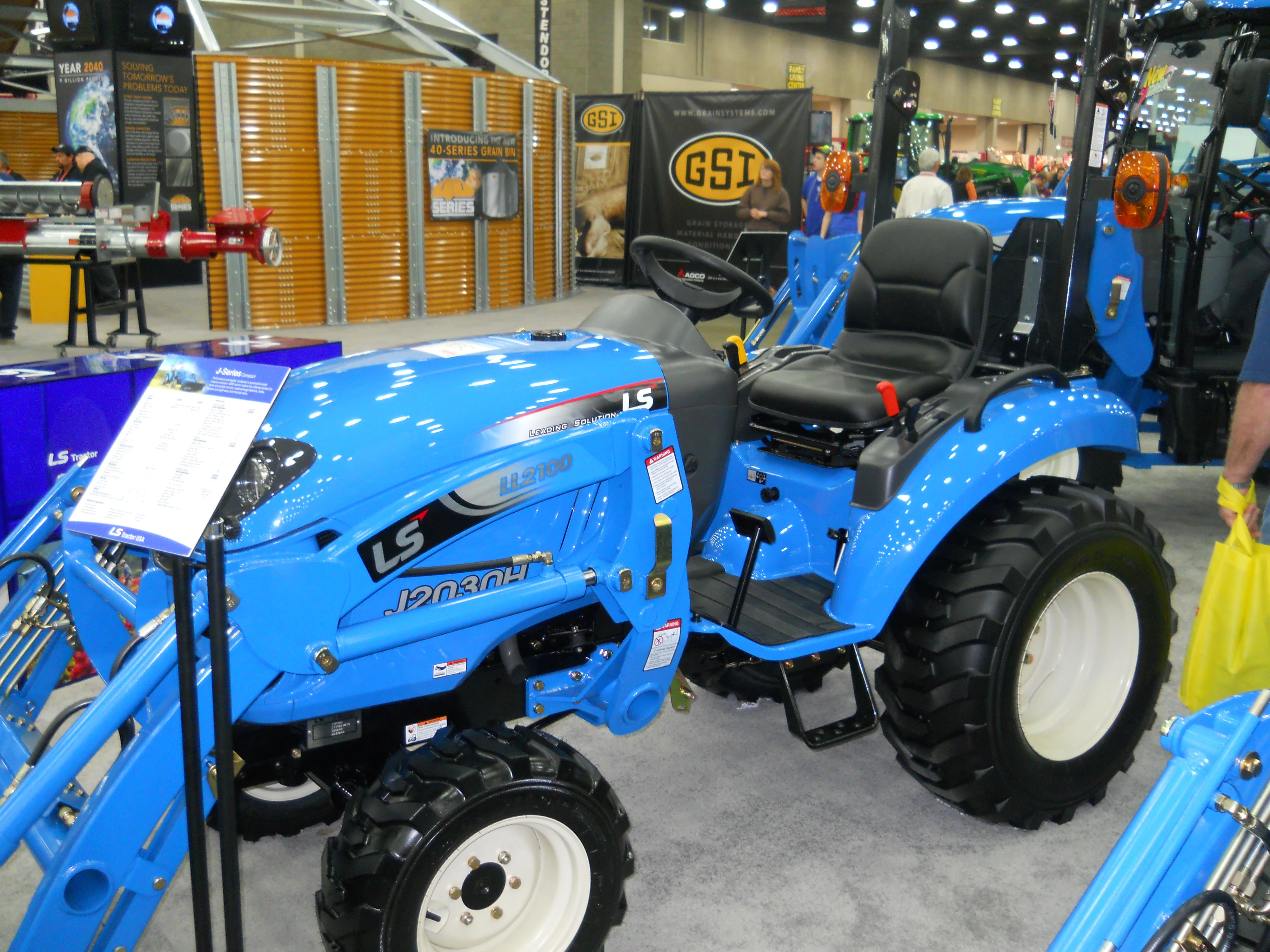
Credit: tractors.fandom.com
Future Manufacturing Plans
LS Tractors is planning to grow its manufacturing operations. The brand aims to meet rising demand and improve product quality. New strategies focus on expanding facilities and adopting new technology. These efforts will help LS Tractors stay competitive in the market. The future looks promising with more efficient and advanced production methods.
Expansion Projects
LS Tractors is investing in larger manufacturing plants. They plan to build new factories in strategic locations. These sites will help reduce delivery times and costs. Expansion also means more jobs in local communities. The company targets increasing production capacity significantly. This growth supports their goal to serve more customers worldwide.
Technological Innovations
LS Tractors is adding modern technology to its manufacturing process. Automation and robotics improve assembly speed and accuracy. Advanced software helps monitor production quality in real-time. These tools reduce errors and waste during manufacturing. The company also tests new eco-friendly materials for tractors. Innovations like these make LS Tractors more efficient and sustainable.
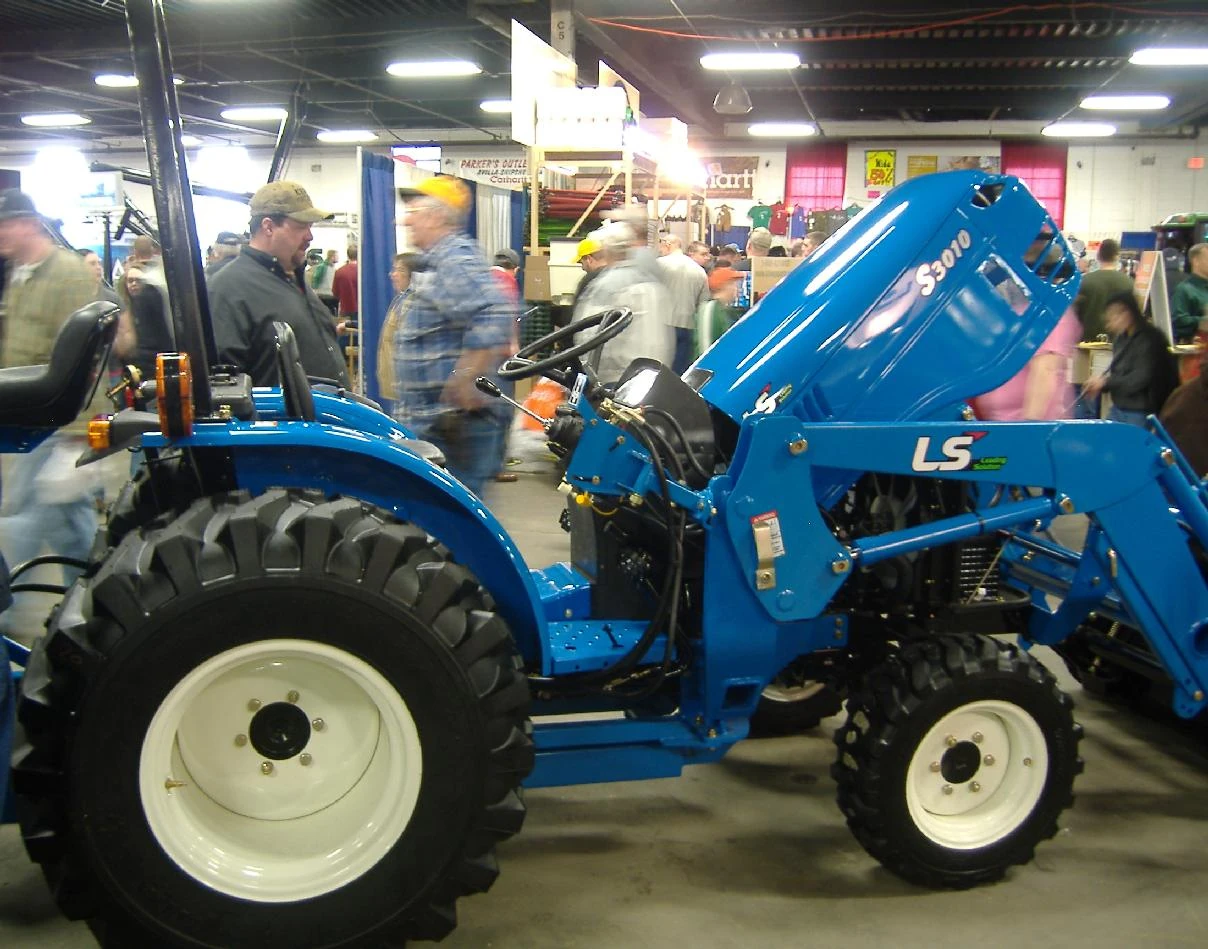
Credit: tractors.fandom.com
Frequently Asked Questions
Where Are Ls Tractors Manufactured?
LS Tractors are primarily made in South Korea. The company has modern facilities there focused on quality and innovation. Some assembly may also occur in the United States to meet local demand.
Who Owns Ls Tractors Brand?
LS Tractors is owned by LS Mtron, a South Korean company. They specialize in agricultural machinery and heavy equipment. LS Mtron emphasizes durable, efficient tractors for global markets.
Are Ls Tractors Built For Global Markets?
Yes, LS Tractors are designed for worldwide use. They meet various international standards for performance and emissions. This makes them popular among farmers in many countries.
What Makes Ls Tractors Reliable?
LS Tractors offer strong engines and advanced technology. They provide ease of use, fuel efficiency, and low maintenance. These features contribute to their reputation for reliability.
Conclusion
Ls Tractors are made in South Korea. The company focuses on quality and durability. These tractors serve farmers worldwide. They combine modern technology with strong design. Many users trust Ls Tractors for their work. Knowing where they come from helps buyers.
It shows the brand’s commitment to excellence. Choosing Ls means getting reliable farming equipment. Simple, tough, and built to last. That is what makes Ls Tractors stand out.

Automotive Specialist & Expert Mechanic
Noah Brooks is a skilled automotive expert with a passion for both the technical and creative aspects of the automotive world. With years of experience in repairing, restoring, and enhancing vehicles, Noah is known for his deep knowledge of car mechanics, parts, and accessories. His expertise extends to welding, troubleshooting, and offering advice on the latest car technologies and trends. Whether it’s diagnosing complex issues or guiding readers through DIY car repairs, Noah’s blog posts are filled with hands-on insights that appeal to both novice and experienced car enthusiasts. When he’s not writing, Noah is working on his own car projects, continually learning and sharing his automotive passion with the world.


