Where are Ball Joints Located on a Car: Essential Guide Revealed
Have you ever wondered what keeps your car’s wheels moving smoothly while you steer? The answer lies in a small but mighty part called the ball joint.
Knowing where ball joints are located on your car isn’t just for mechanics—it can help you understand your vehicle better and spot problems before they become costly. You’ll discover exactly where these crucial components sit and why they matter for your safety and driving comfort.
Keep reading to learn how to protect your car and yourself on the road.

Credit: www.youtube.com
Ball Joint Basics
Understanding the basics of ball joints is essential if you want to grasp how your car’s suspension system works. Ball joints act as crucial pivot points, connecting different parts of the suspension and steering systems. Knowing what they do and the types available can help you spot issues early and maintain your vehicle better.
What Ball Joints Do
Ball joints connect the control arms to the steering knuckles, allowing for smooth movement in multiple directions. This flexibility lets your wheels move up and down while also turning left and right.
Without ball joints, your car would struggle to steer or absorb bumps effectively. They absorb shocks from the road, maintaining stability and control as you drive.
Have you ever felt your steering get loose or noticed uneven tire wear? These can be signs that your ball joints need inspection or replacement.
Types Of Ball Joints
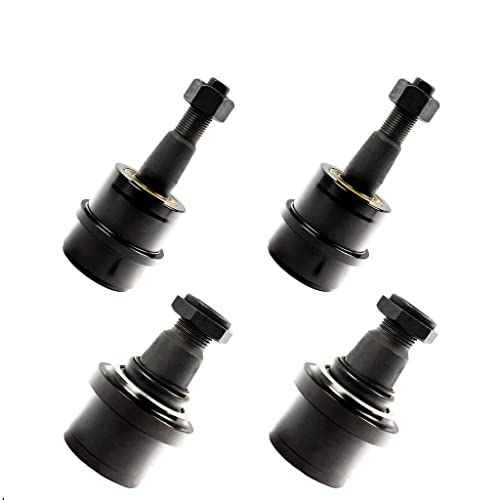
Ball joints generally come in two main types: sealedand serviceable.
- Sealed Ball Joints:These are pre-lubricated and enclosed, meaning they don’t need regular greasing. Most modern cars use sealed ball joints for convenience and reduced maintenance.
- Serviceable Ball Joints:These have grease fittings, allowing you to add lubricant periodically. They tend to last longer if maintained properly, but require more care.
Choosing the right type depends on your vehicle and how you use it. If you often drive on rough roads, knowing your ball joint type helps you plan maintenance better.

Credit: www.import-car.com
Common Ball Joint Locations
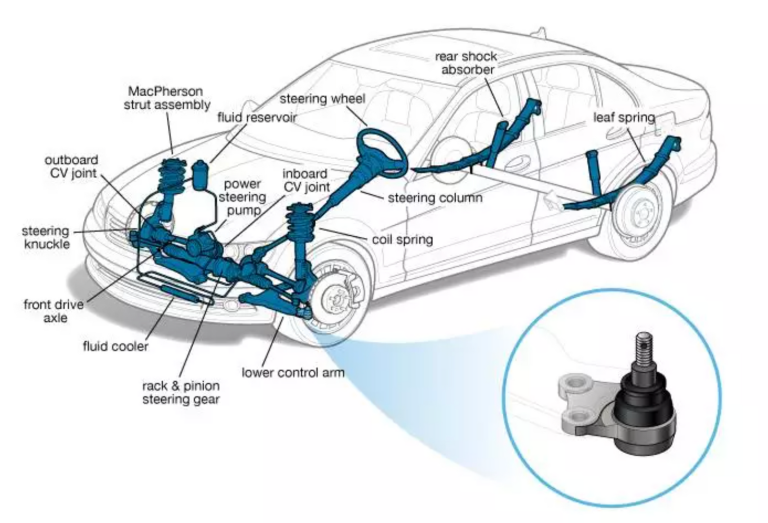
Ball joints are usually found where the car’s wheels connect to the suspension. Common spots include the front lower control arms and sometimes the upper control arms. These joints help the wheels move smoothly while steering and driving.
Understanding the common ball joint locations in your car can be quite enlightening. Ball joints, those small but vital components, play a crucial role in maintaining your vehicle’s stability. Their location affects how your car handles and the overall driving experience. Knowing where they are can also be a lifesaver when troubleshooting suspension issues.Front Suspension Placement
The front suspension is where you’ll find the most commonly discussed ball joints. They are typically located at the front end of the control arm and connect to the steering knuckle. This placement is critical as it allows your front wheels to pivot and turn smoothly. Imagine driving your car and needing to make a sharp turn. The front ball joints facilitate that motion, ensuring your wheels respond accurately to your steering inputs. Without them, maneuvering would become a challenge.Rear Suspension Placement
While often overlooked, the rear suspension also houses ball joints, especially in vehicles with independent rear suspension systems. These are typically found connecting the control arm to the wheel hub or knuckle. Their role, although less discussed, is equally vital in maintaining proper alignment and handling. If you’ve ever felt your car swaying too much on a bumpy road, it might be time to check those rear ball joints. They ensure stability and reduce excessive movement, making your ride smoother. Do you often drive on uneven roads? Understanding this can help you maintain your vehicle better. By knowing where these ball joints are, you’re not just a driver—you’re a more informed and proactive vehicle owner. Keep your car running smoothly by staying informed about these essential components.How To Identify Ball Joints
Identifying ball joints on your car is essential for maintaining safe steering and suspension. These small but crucial parts connect the control arms to the steering knuckles, allowing smooth movement. Knowing how to spot them can help you catch wear early and avoid costly repairs.
Visual Inspection Tips
Start by looking under your car near the front wheels. Ball joints usually sit where the control arms meet the steering knuckles. You’ll notice a round, metal housing with a rubber boot covering it.
Check the rubber boot carefully. If it’s torn, cracked, or leaking grease, the ball joint could be damaged. Dirt and moisture entering through a damaged boot accelerate wear. Keep an eye out for any unusual rust or corrosion around the joint.
Do you hear clunking noises or feel looseness when turning? These signs often mean the ball joint is failing. Visual inspection helps, but don’t rely on it alone; some damage hides beneath the surface.
Using A Jack And Tools
To get a better look, safely jack up the front of your car and place it on sturdy stands. This relieves weight on the suspension and makes the ball joints easier to inspect. Never work under a car supported only by a jack.
Grab a pry bar or a strong screwdriver and gently try to move the tire inward and outward. Excess movement or play at the joint indicates wear. You can also grab the tire at the 12 and 6 o’clock positions and try to rock it; noticeable looseness often points to a worn ball joint.
Using tools to test the ball joint’s tightness gives you a clearer picture than just looking. Have you ever ignored small noises only to find a bigger problem later? This hands-on check can save you from that.
Signs Of Worn Ball Joints
Recognizing the signs of worn ball joints is crucial for your car’s safety and performance. These small but vital components connect your car’s suspension to the wheels, and when they wear out, the impact on your driving experience can be significant. Knowing what to look for helps you catch problems early and avoid costly repairs or dangerous situations.
Noise And Vibration
One of the first signs you might notice is unusual noise coming from the front of your car. You may hear clunking, knocking, or rattling sounds, especially when driving over bumps or making sharp turns. These noises happen because worn ball joints allow extra movement in the suspension, which creates metal-on-metal contact.
Vibrations through the steering wheel or chassis can also signal ball joint wear. If you feel shaking that increases with speed, it’s a red flag. Pay attention to how your car reacts on uneven roads; persistent vibrations often mean the ball joints are failing.
Steering And Handling Issues
Worn ball joints affect how your car steers and handles. You might notice your steering wheel feels loose or less responsive, making it harder to control your vehicle precisely. This can be dangerous, especially during sudden maneuvers or emergency stops.
Another common issue is uneven tire wear. If your tires wear more on one side, it could be because the worn ball joints cause misalignment. This not only shortens tire life but also reduces traction and overall safety. Have you checked your tires lately for uneven wear? It might be time to inspect those ball joints.
Ball Joint Maintenance
Ball joint maintenance keeps your car’s suspension safe and smooth. These parts connect the steering knuckles to the control arms. They allow wheels to move up and down and side to side. Proper care helps avoid costly repairs and unsafe driving conditions.
Lubrication Practices
Many ball joints need regular lubrication to work well. Use a grease gun to apply fresh grease at the fitting. This reduces friction and wear between moving parts. Some ball joints are sealed and do not require grease. Check your car’s manual to know the type used.
Lubricate ball joints every 6,000 to 12,000 miles. Use high-quality grease designed for automotive suspension parts. Avoid over-greasing, which can cause damage or attract dirt. Clean the grease fitting before applying grease to prevent contamination.
Regular Inspection Schedule
Inspect ball joints every oil change or at least twice a year. Look for torn rubber boots, rust, or leaks. Listen for clunking or squeaking noises when turning or going over bumps. Check for excessive play by lifting the wheel and moving it by hand.
Replace ball joints showing signs of wear or damage immediately. Worn ball joints can cause uneven tire wear and poor handling. Regular checks improve vehicle safety and extend suspension life. Keep a maintenance log to track inspection dates and findings.

Credit: www.youtube.com
Replacing Ball Joints
Replacing ball joints is an essential part of maintaining your car’s suspension system. Over time, these components wear out and can affect your vehicle’s handling and safety. Knowing when and how to replace ball joints can save you from costly repairs and keep your driving experience smooth.
When To Replace
Ball joints need replacement when you notice certain warning signs. Pay attention if your steering feels loose or if you hear clunking noises when turning or going over bumps.
Uneven tire wear or a pulling sensation to one side while driving can also indicate worn ball joints. Visual checks might show torn rubber boots or excessive movement when you try to wiggle the joint.
If you ignore these signs, you risk a complete ball joint failure, which can be dangerous. How often do you inspect your suspension for subtle clues?
Diy Vs Professional Service
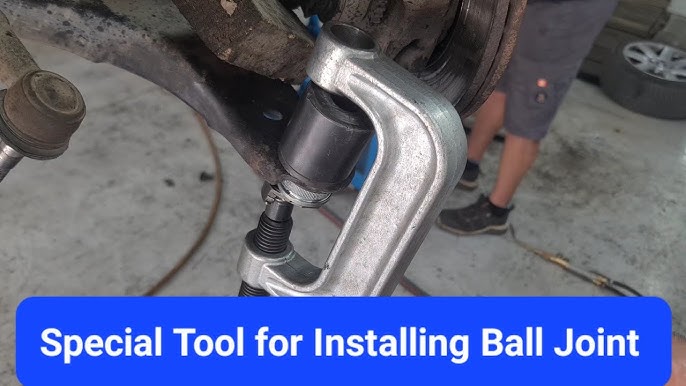
Replacing ball joints yourself can save money, but it requires the right tools and mechanical skills. If you have a press tool, a good jack, and experience with suspension work, this job is doable at home.
However, many drivers find it safer to hire a professional. Mechanics have specialized equipment to press out old joints and install new ones correctly, ensuring safety and proper alignment.
Consider your comfort level with suspension repairs. Would you rather invest in a professional job or tackle the challenge yourself? Either way, prioritizing quality parts is key to lasting results.
Frequently Asked Questions
Where Are Ball Joints Located On A Car Suspension?
Ball joints are located between the control arms and steering knuckles. They connect the wheels to the suspension, allowing smooth movement and steering control. Typically, cars have upper and lower ball joints on the front suspension.
How Can I Find Ball Joints On My Car?
To find ball joints, look near the front wheels. They connect the control arms to the steering knuckles. You may need to lift the car and remove the wheel for a clear view.
Why Are Ball Joints Important In A Car?
Ball joints enable smooth steering and suspension movement. They support the vehicle’s weight and absorb road shocks. Properly functioning ball joints ensure safe handling and tire wear.
Can Worn Ball Joints Affect Car Handling?
Yes, worn ball joints cause loose steering and uneven tire wear. They can make the vehicle unstable and noisy. Timely replacement is crucial for safety and performance.
Conclusion
Ball joints connect the car’s suspension and steering parts. They are usually found near the front wheels. These joints help the wheels move up and down and turn left or right. Keeping ball joints in good shape is important for safe driving.
Worn ball joints can cause noise and poor handling. Regular checks can catch problems early. Knowing their location helps you understand your car better. Stay aware and keep your vehicle running smoothly.

Automotive Specialist & Expert Writer
Tyler Kingston is a passionate automotive writer with a wealth of knowledge in all things cars. With years of experience in the automotive industry, Tyler specializes in everything from vehicle maintenance to the latest car technologies and innovations. He is known for his ability to break down complex automotive concepts into easily digestible, engaging content for both novice and experienced car enthusiasts. Whether it’s detailing car repair techniques, reviewing new car models, or diving into the world of auto accessories, Tyler’s articles provide valuable insights to readers. His hands-on experience, combined with a genuine love for cars, allows him to deliver expert advice, tips, and news that keeps readers coming back for more.