How to Check Steering Ball Joints: Easy Tips for Safe Driving
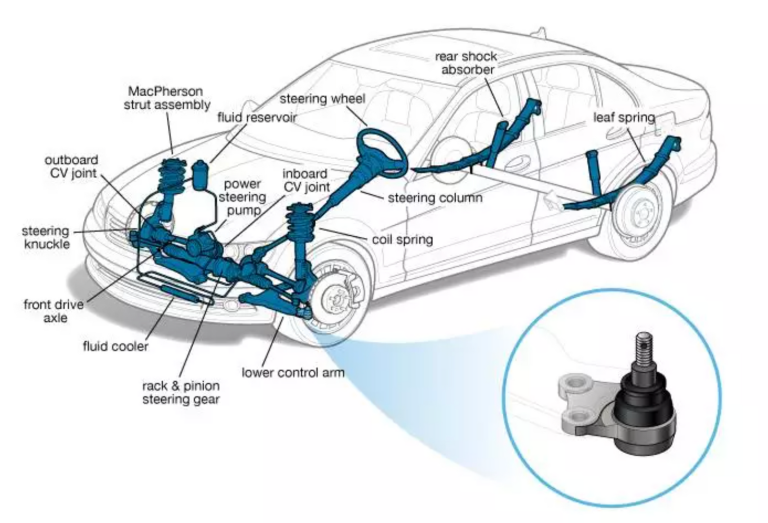
Your car’s steering ball joints are small but mighty parts that keep your wheels turning smoothly and safely. If they wear out or fail, your driving can become dangerous—and repairs can get costly if you wait too long.
But how do you know if your ball joints need checking? You’re about to learn simple, clear steps to inspect them yourself, even if you’re not a car expert. Keep reading, and you’ll save money, avoid surprises, and drive with confidence.
Signs Of Worn Ball Joints
Worn ball joints affect your vehicle’s safety and handling. Early signs help you spot problems before serious damage occurs. Recognizing these signs can save money and prevent accidents.
Unusual Tire Wear
Worn ball joints cause uneven tire wear. Tires may show more wear on one side. This happens because the wheel alignment shifts. Check your tires regularly for strange wear patterns. Uneven wear often signals ball joint trouble.
Steering Wheel Vibration
A vibrating steering wheel can mean bad ball joints. The vibration is noticeable at higher speeds. Loose or worn joints let the wheel shake. This reduces control and causes discomfort. Pay attention if your steering feels rough or shaky.
Clunking Noises
Clunking sounds when turning or going over bumps are a red flag. These noises come from loose ball joints moving inside their sockets. The noise usually gets louder when you drive on rough roads. Listen carefully for any unusual knocking sounds near the front wheels.
Tools Needed For Inspection
A flashlight helps spot wear and tear in tight spaces. A jack lifts the vehicle safely to access ball joints. A pry bar tests for looseness in the steering components.
To effectively inspect your steering ball joints, having the right tools on hand is crucial. This task might seem intimidating if you’re new to car maintenance, but with the proper tools, it can be straightforward and even rewarding. Let’s dive into the essential tools you’ll need for a successful inspection.
Jack And Jack Stands
Before you can even start examining the ball joints, you need to lift the vehicle safely. A hydraulic jack provides the strength and stability to lift the car. However, never rely solely on the jack to hold the vehicle up. Use jack stands to ensure safety. These stands are crucial as they provide a stable base, allowing you to work underneath the car without worry.
Pry Bar Or Large Screwdriver
Once the car is securely lifted, you’ll need a pry bar or a large screwdriver to check for any play in the ball joints. This tool helps you apply leverage and test the joint’s firmness. By gently prying around the joint, you can detect any unusual movement or looseness. Ever tried using a screwdriver to open a paint can? It’s a similar concept, but here, you’re testing the joint’s stability.
Flashlight
A flashlight might seem basic, but it’s invaluable for this task. Steering components are often hidden in shadowy parts of the vehicle. A bright flashlight helps you see clearly, ensuring you don’t miss any signs of wear or damage. Imagine trying to read a book in the dark—impossible, right? The same goes for inspecting your car’s underbelly without adequate lighting. Having these tools not only prepares you for the task but also instills confidence. Are you ready to get hands-on and ensure your vehicle’s safety?
Preparing Your Vehicle
Preparing your vehicle properly is key to checking steering ball joints safely and accurately. Taking the right steps ensures the car stays stable and you can easily access the parts you need to inspect. This preparation also helps prevent accidents and damage during the inspection process.
Park On A Level Surface
Choose a flat, even area to park your vehicle. This prevents the car from rolling or shifting while you work. A level surface keeps the suspension components in their normal position. Avoid sloped or uneven ground to maintain stability during the check.
Engage Parking Brake
Set the parking brake firmly before starting any inspection. This adds an extra layer of security to keep the vehicle from moving. The parking brake holds the wheels in place and reduces the risk of accidents. Make sure it is fully engaged and tested by gently rocking the car.
Lift The Front End Safely
Use a reliable jack to lift the front end of your vehicle. Position the jack under the manufacturer’s recommended lift points. Raise the vehicle just enough to access the wheel and steering components. Secure the car with jack stands placed under sturdy frame parts. Never rely on the jack alone to hold the vehicle up.

Credit: www.youtube.com
Visual Inspection Steps
Visual inspection is a crucial part of checking your steering ball joints. It helps you spot early signs of wear or damage before they lead to bigger problems. Taking a close look can save you time and money on costly repairs later.
Check For Torn Boots
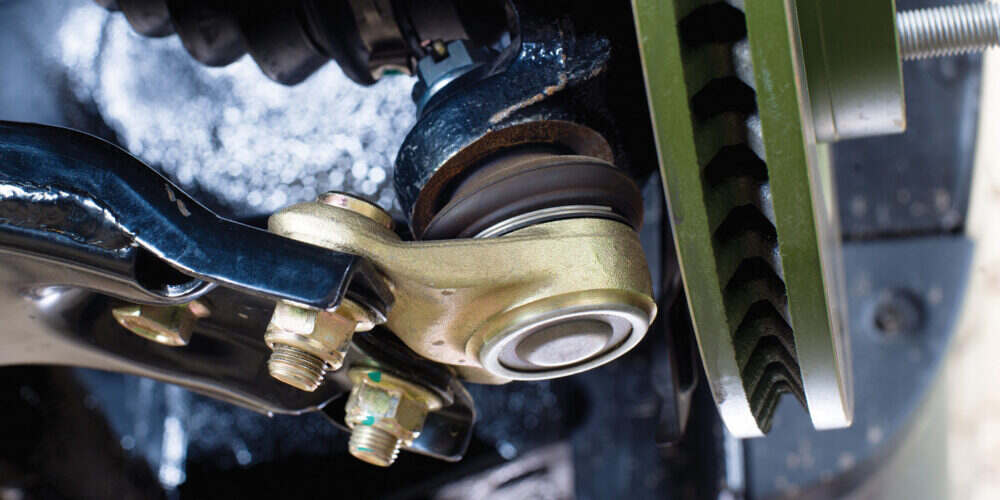
The rubber boots around the ball joints protect them from dirt and moisture. If you see any cracks or tears, it’s a red flag. Torn boots let contaminants in, which can cause the ball joint to wear out quickly.
Use a flashlight to get a clear view. If the boot looks brittle or damaged, it’s time to replace it. Don’t ignore even small tears—they can turn into bigger problems fast.
Look For Rust And Corrosion
Rust on the ball joint or surrounding metal parts indicates moisture exposure. This can weaken the joint and affect steering performance. Run your fingers along the joint to feel for rough or flaky spots.
Surface rust might not be alarming, but deep corrosion needs immediate attention. Have you noticed your steering feeling less smooth or responsive? Rust might be the hidden cause.
Inspect For Grease Leakage
Grease keeps the ball joint lubricated and functioning smoothly. Look for any grease oozing out or dried grease buildup around the joint. Leakage often means the boot is compromised or the joint is failing.
Grease stains on nearby suspension parts are also a warning sign. If you spot grease outside the boot, consider having a professional check it out. Your steering’s health depends on proper lubrication.
Physical Testing Techniques
Physical testing techniques help identify worn or damaged steering ball joints. These tests allow you to feel and see any unwanted movement. Simple tools and careful observation reveal if ball joints need replacement. Perform these tests safely with the car on a stable surface.
Check For Play Using Pry Bar
Place a pry bar between the control arm and the steering knuckle near the ball joint. Gently lift or push the pry bar to check for any movement. Excessive play or a loose feel indicates wear. No movement means the ball joint is likely in good condition. Repeat on both sides for accuracy.
Wheel Movement Test
Grab the tire at the 12 and 6 o’clock positions. Try to rock the wheel back and forth. Movement or clunking sounds suggest ball joint wear. The wheel should feel solid and steady. Test both front wheels to compare results. This test works best with the car lifted safely.
Steering Wheel Shake Test
Drive the vehicle at a low speed on a smooth road. Turn the steering wheel slowly from side to side. Notice any shaking or vibrations in the steering wheel. Shaking can point to loose or damaged ball joints. This test helps detect problems during actual driving conditions.
Credit: www.counterman.com
When To Replace Ball Joints
Knowing when to replace your steering ball joints can save you from costly repairs and keep your driving safe. These components wear out over time, but the timing of replacement depends on several key factors. Let’s break down how to spot the right moment to change them.
Damage Severity
Not all ball joint wear looks the same. Minor wear might only cause slight looseness, but severe damage can lead to noticeable clunking noises or uneven tire wear.
If you notice any visible cracks, corrosion, or excessive play in the joint, it’s a sign that replacement is urgent. Ignoring these signs can lead to complete joint failure.
Think about the last time you felt unusual vibrations or heard knocking sounds while turning. These could be your ball joints warning you before things get worse.
Impact On Driving Safety
Steering ball joints affect how well you control your vehicle. Worn ball joints can cause your wheels to wobble or misalign, increasing the risk of accidents.
Have you ever felt your steering wheel shake unexpectedly? This might be caused by loose ball joints, which can reduce your vehicle’s stability, especially during sharp turns or sudden stops.
Replacing ball joints on time isn’t just about maintenance; it’s about protecting yourself and everyone on the road.
Recommended Replacement Intervals
Ball joint lifespan varies by vehicle type and driving conditions. Typically, they last between 70,000 to 150,000 miles, but rough roads or heavy use can shorten this.
Check your vehicle’s manual for manufacturer recommendations, but also trust your observations. If you drive on gravel roads or in harsh climates, consider more frequent inspections.
Regular checkups during oil changes or tire rotations can help catch ball joint issues early. Have you marked your calendar for these checks yet?
Maintenance Tips For Longevity
Proper care of steering ball joints extends their lifespan and improves vehicle safety. Regular maintenance reduces wear and prevents costly repairs. Follow these simple tips to keep your steering system in top shape.
Regular Greasing
Grease the ball joints often to reduce friction. Use the right type of grease recommended by the manufacturer. Proper lubrication keeps the joints moving smoothly and prevents rust buildup.
Avoiding Rough Terrain
Drive carefully on rough roads to protect the ball joints. Sharp bumps and potholes cause extra stress. Slow down and steer gently to reduce damage and wear.
Routine Inspections
Check the ball joints regularly for signs of wear or damage. Look for looseness, cracks, or unusual noises. Early detection helps fix problems before they get worse.

Credit: www.reddit.com
Frequently Asked Questions
How Do I Know If Steering Ball Joints Are Bad?
You may notice clunking noises, uneven tire wear, or loose steering. These signs often indicate worn ball joints needing inspection or replacement.
What Tools Are Needed To Check Steering Ball Joints?
You typically need a jack, jack stands, a pry bar, and a flashlight to inspect ball joints safely and clearly.
How Often Should Steering Ball Joints Be Checked?
It’s best to check ball joints every 12,000 miles or during routine vehicle maintenance for optimal safety.
Can I Check Ball Joints Without Removing Wheels?
Yes, you can check for play by lifting the vehicle and using a pry bar to test joint movement.
Conclusion
Checking your steering ball joints helps keep your car safe to drive. Regular checks catch problems early before they get worse. Use simple tools and follow steps carefully to spot wear or damage. Pay attention to unusual noises or loose steering feel.
Fixing or replacing bad ball joints saves money and stress later. Stay alert and inspect often for smooth and safe driving. Your car will thank you with better handling and control. Keep these tips in mind for easier car care.

Automotive Specialist & Expert Writer
Tyler Kingston is a passionate automotive writer with a wealth of knowledge in all things cars. With years of experience in the automotive industry, Tyler specializes in everything from vehicle maintenance to the latest car technologies and innovations. He is known for his ability to break down complex automotive concepts into easily digestible, engaging content for both novice and experienced car enthusiasts. Whether it’s detailing car repair techniques, reviewing new car models, or diving into the world of auto accessories, Tyler’s articles provide valuable insights to readers. His hands-on experience, combined with a genuine love for cars, allows him to deliver expert advice, tips, and news that keeps readers coming back for more.