How to Reset Car Ecu Without Disconnecting Battery: Easy Steps
Are you tired of dealing with car issues that always seem to pop up at the worst times? If your vehicle has been acting up, you might be wondering if there’s a simple solution to get things running smoothly again.
What if I told you that resetting your car’s ECU could be the answer, and you don’t even need to disconnect the battery? Yes, it’s possible. This method can save you time, hassle, and even a trip to the mechanic.
Imagine solving your car’s performance problems with just a few straightforward steps. Intrigued? Keep reading, because we’re about to dive into the easy and effective way to reset your car’s ECU without the fuss of disconnecting the battery. Your car’s optimal performance is just a few minutes away.
Credit: www.solopcms.com
Importance Of Ecu Reset
The Engine Control Unit (ECU) is vital for your car’s performance. It manages engine functions and optimizes fuel efficiency. Over time, the ECU collects data from sensors. This data can sometimes become outdated or incorrect.
Resetting the ECU can help restore optimal performance. It clears old data and allows the ECU to relearn. This can enhance the driving experience and fix minor issues.
Why Resetting The Ecu Matters
Resetting the ECU can solve common issues. Problems like rough idling or poor fuel economy. It helps the engine run smoothly. Regular resets can prolong engine life. It’s a simple way to maintain your car.
Improving Fuel Efficiency
After an ECU reset, the car might use fuel more efficiently. The ECU adjusts to current driving conditions. This can lead to better fuel economy. Saving money on gas over time.
Enhancing Engine Performance
ECU reset can improve engine response. It can make acceleration smoother. The reset allows the engine to adapt. This can result in a more enjoyable driving experience.
Fixing Minor Electrical Glitches
An ECU reset can fix small electrical problems. Issues like erratic dashboard lights or sensor errors. These glitches can often be cleared with a reset. Making your car electronics function better.
Preparing For Modifications
If you modify your car, reset the ECU. It helps the car adjust to changes. Ensures new parts work efficiently. A reset helps integrate modifications seamlessly.

Credit: www.youtube.com
Common Reasons For Ecu Reset
Resetting a car’s ECU without disconnecting the battery often addresses performance issues and error codes. This method can recalibrate the system, improving vehicle efficiency and resolving minor electronic glitches. Understanding these common reasons helps maintain smooth vehicle operation.
Resetting your car’s ECU (Engine Control Unit) can solve a variety of issues without the need to disconnect the battery. Understanding why you might need to reset your ECU is crucial for maintaining your vehicle’s performance. Whether it’s to clear error codes or optimize your engine’s efficiency, knowing the reasons behind an ECU reset can empower you to take action. Let’s dive into some common scenarios where an ECU reset might be necessary.Faulty Sensor Readings
Sometimes, sensors in your car can send incorrect data to the ECU. This might happen due to dirt or wear and tear. Resetting the ECU can help recalibrate these sensors. This ensures accurate readings and smooth performance. Have you ever wondered why your car suddenly starts acting up after a rainy day? Sensor errors might be the culprit.Improving Fuel Efficiency
Your car’s ECU controls fuel injection and ignition timing. Over time, it might store outdated data affecting fuel efficiency. An ECU reset can help remove this old data. This allows your car to relearn optimal settings for better mileage. Imagine saving money on fuel just by performing a simple reset.Resolving Software Glitches
Like computers, ECUs can experience software glitches. These glitches can lead to unexpected issues like stalling or poor acceleration. Resetting the ECU can clear these glitches and restore normal operation. Have you ever had your car stall in the middle of traffic? A reset might be the quick fix you need.Aftermarket Modifications
If you’ve added new parts to your car, such as a cold air intake or exhaust system, your ECU may need a reset. This helps the ECU adjust to the new modifications. Without a reset, the ECU might not optimize the new parts effectively. Have you added a new exhaust but didn’t notice a performance boost? Resetting the ECU could be the key.Clearing Error Codes
Error codes can be annoying and sometimes misleading. They might persist even after you’ve fixed the underlying issue. Resetting the ECU can erase these codes, giving you a clean slate. Ever had the check engine light stay on despite fixing the problem? Resetting the ECU can turn off that persistent light. By understanding these common reasons, you can tackle ECU-related issues confidently. Next time your car misbehaves, consider whether an ECU reset might be the solution you need.Preparation Before Resetting
Resetting your car’s ECU (Engine Control Unit) can be a straightforward task, but preparation is key to ensuring a smooth process. Before diving into the reset, it’s important to gather the necessary tools and materials, and prioritize safety. This preparation not only streamlines the reset but also safeguards both you and your vehicle. So, let’s get started with the essentials.
Tools And Materials Needed
First things first: gather your tools. You’ll need an OBD-II scanner, which is vital for accessing your car’s ECU without disconnecting the battery. It’s a handy device that plugs into the diagnostic port of your car.
A laptop or smartphone with the scanner’s app is essential for interacting with the ECU through the scanner. Make sure your device is fully charged to avoid interruptions.
Keep a notebook and pen nearby. Jotting down any error codes that pop up can be incredibly helpful for tracking issues later.
Safety Precautions
Your safety is paramount. Ensure your car is parked on a flat surface to prevent any accidental movement. Always engage the parking brake.
Wearing gloves can protect your hands from any sharp edges or hot surfaces. It might seem trivial, but it’s a simple step that can prevent cuts or burns.
Remember to ventilate your work area. If you’re working in a garage, open the doors or windows to avoid inhaling exhaust fumes.
Are you ready to reset your car’s ECU? Taking these preparatory steps seriously can save you from potential headaches down the road. What tools do you find indispensable when working on your car? Share your insights in the comments below!
Step-by-step Ecu Reset Guide
The ECU, or Engine Control Unit, is vital to your car’s performance. It manages engine functions, fuel efficiency, and emissions. Resetting the ECU can solve minor issues without needing a mechanic. This guide will show you how to reset the ECU without disconnecting the battery. Follow these steps to ensure a smooth reset process.
Using The Ignition Key
Begin by inserting the key into the ignition. Turn the key to the ‘On’ position. Do not start the engine. Leave the key in this position for 10 seconds. This allows the ECU to reset. Turn the key back to the ‘Off’ position. Remove the key from the ignition.
Applying The Accelerator Pedal Technique
Press the accelerator pedal to the floor. Hold it down for 5 seconds. Release the pedal completely. This action resets the ECU. Make sure the car is in a safe and stationary position. Repeat the process if needed.
Utilizing Obd-ii Scanner
Locate the OBD-II port in your vehicle. Connect the OBD-II scanner to the port. Follow the scanner instructions to reset the ECU. Most scanners will have a reset or clear code option. Use this feature to complete the process. This method is effective for modern cars.
Post-reset Actions
Resetting a car’s ECU can improve its performance. After this, taking specific actions ensures optimal results. Follow these steps to maintain your vehicle’s health. Pay attention to performance changes and address any issues promptly. This will help maintain efficiency and prevent future problems.
Monitoring Vehicle Performance
Observe your car’s performance closely. Drive at different speeds and conditions. Note any unusual sounds or behaviors. These can indicate issues needing attention. Use a diagnostic tool if needed. It helps identify hidden problems. Keep records of any changes. This helps track improvements or setbacks. A consistent check keeps your car running smoothly.
Addressing Persistent Issues
If issues persist, take action. They may require professional help. A mechanic can provide a detailed analysis. Sometimes, simple solutions work. Check for loose wires or sensors. Ensure they are secure and functioning. Ignoring problems can lead to bigger issues. Regular maintenance and prompt repairs save time and money.

Credit: urbsgarage.com
Benefits Of Non-disconnection Methods
Resetting a car’s ECU without disconnecting the battery offers convenience and safety. This method avoids potential electrical issues and preserves settings, ensuring a smoother reset process. It saves time and maintains vehicle data integrity, making it a practical choice for drivers.
Resetting your car’s ECU (Engine Control Unit) without disconnecting the battery can be a game-changer. This method offers several advantages that can simplify your life and potentially save you from future headaches. By avoiding battery disconnection, you maintain your vehicle’s settings and avoid the hassle of recalibrating everything from your radio stations to your clock. But why stop there? Let’s dive deeper into the benefits of this non-disconnection method.1. Preserve System Settings
Keeping your car’s ECU intact without disconnecting the battery ensures that all your system settings remain as you like them. Have you ever lost your favorite radio stations or the correct time on your clock after disconnecting the battery? By using a non-disconnection method, you sidestep these annoyances.2. Avoid Unnecessary Resets
Disconnecting the battery often leads to a complete reset of various systems. This can mean your car needs time to ‘re-learn’ your driving habits, which can affect performance temporarily. Why go through the hassle when you can reset the ECU without losing this valuable information?3. Reduce Risk Of Errors
Sometimes, disconnecting the battery can lead to unexpected errors or malfunctions. A friend of mine once struggled with a malfunctioning anti-theft system because of a simple battery disconnect. With non-disconnection methods, you minimize such risks.4. Save Time And Effort
Time is precious. Resetting the ECU without disconnecting the battery can be quicker and more efficient. There’s no need to fumble with battery terminals or worry about sparks. Instead, you can focus on getting your car back on the road swiftly.5. Maintain Battery Health
Frequent disconnections can wear out battery terminals and connectors over time. By avoiding this, you help prolong the health of your battery. Have you ever experienced a loose battery terminal that causes intermittent power issues? A non-disconnection method can help you prevent this. Wouldn’t you agree that maintaining your car’s settings without the hassle of a complete reset seems appealing? Why not give non-disconnection methods a try and experience these benefits firsthand?Potential Risks And Considerations
Resetting a car’s ECU without disconnecting the battery poses risks like data loss and system errors. Ensure professional guidance to avoid unintended consequences. Careful handling is crucial to maintain vehicle functionality.
Resetting your car’s ECU without disconnecting the battery might seem like a convenient task, but it’s crucial to understand the potential risks and considerations involved. The electronic control unit (ECU) is the brain of your vehicle, managing everything from fuel injection to ignition timing. Messing with it improperly could lead to unexpected problems. Let’s explore what you need to keep in mind before proceeding with this task.Warranty Concerns
Resetting your ECU might void your car’s warranty. Manufacturers often have strict guidelines on what you can and cannot do with your vehicle’s electronics. Before attempting any reset, check your warranty terms. Is it worth the risk to save a trip to the dealership?Unintended Software Issues
Your car’s software might react unpredictably to an ECU reset. Some users have experienced glitches or loss of essential settings. Imagine losing your saved radio stations or having your climate control settings revert to factory defaults. Consider if you’re prepared to deal with these inconveniences.Impact On Performance
Resetting the ECU can temporarily alter your car’s performance. Your vehicle might run less efficiently while it relearns your driving habits. It could mean a drop in fuel efficiency or different throttle response. Are you ready to drive cautiously while your car adjusts?Potential Diagnostic Challenges
An ECU reset can clear diagnostic trouble codes (DTCs). While this might seem beneficial, it could also erase important data that can help diagnose issues. If you’re experiencing problems, a reset might complicate troubleshooting. Think about whether you need a mechanic’s input before proceeding.Risk Of Data Loss
Resetting the ECU could lead to data loss. This might include settings related to comfort features or even critical data for advanced driver-assistance systems. Losing this data might not just be an inconvenience—it could affect safety features. Are you willing to take that chance?Steps To Mitigate Risks
If you decide to proceed, take precautions to reduce risks. Document your car’s current settings. Use a diagnostic tool to save essential data. These steps can help you restore your car to its original state if something goes wrong. Is your toolkit ready for the job?Consulting A Professional
Sometimes, the best option is to consult a professional. A trained technician can reset the ECU with minimal risk. They have the tools and knowledge to address any issues that arise. Are you open to seeking expert help to ensure your vehicle’s safety and reliability? By considering these factors, you can make a more informed decision. What will you prioritize: convenience or peace of mind?When To Seek Professional Help
Consider seeking professional help if your car shows persistent issues after attempting an ECU reset. Experts can diagnose complex problems that might be beyond basic troubleshooting. This ensures your vehicle runs smoothly and safely.
Resetting your car’s ECU can be a straightforward task, but there are moments when professional help is not just recommended—it’s essential. Understanding when to call in the experts can save you from costly mistakes. Here’s what you should watch out for.Unusual Warning Lights
If your dashboard lights start behaving erratically after a reset, it might be time to consult a professional. While some lights can be reset easily, persistent warning lights could indicate deeper issues. These might not be visible without specialized diagnostic tools.Engine Performance Issues
Post-reset, if your car’s engine starts misbehaving, it’s a sign you need expert intervention. Perhaps it hesitates, stalls, or isn’t running smoothly. You might feel vibrations or hear odd noises. These symptoms can be tricky, and a professional mechanic can diagnose and fix them efficiently.Failure To Reset
Sometimes, despite your best efforts, the ECU doesn’t reset as expected. You might find your car still acting up, or the reset process just doesn’t seem to work. In these cases, there might be underlying issues that need attention. A mechanic can perform a more thorough reset or identify problems that need fixing.Complex Vehicle Systems
Modern vehicles are equipped with advanced electronics and features. If your car has complex systems, resetting the ECU might affect interconnected components. Professionals have the expertise to handle these intricate systems without causing further issues.Safety Concerns
Have you ever tried a DIY project and suddenly thought, “This might not be safe”? If you’re unsure about the reset process or suspect it might impact your car’s safety features, reach out for help. Safety should always be your top priority. When you find yourself in a situation where things seem beyond your control, ask yourself: Is risking further damage worth it? Seeking professional help might be the smarter, safer choice.Frequently Asked Questions
How Do I Reset My Ecu Manually?
To manually reset your ECU, disconnect the car battery for 15 minutes. Reconnect it, start the engine, and idle for 5 minutes. Ensure all accessories are off during this process. This resets the ECU, clearing error codes and restoring factory settings.
Always consult your vehicle’s manual before proceeding.
How To Clear Codes Without Disconnecting The Battery?
Use an OBD-II scanner to clear codes without disconnecting the battery. Connect the scanner, read codes, then select “clear” or “erase. ” Ensure the vehicle is turned off when connecting the scanner. This method is efficient and safe for resetting codes in most vehicles.
Does Unplugging The Battery Reset The Ecm?
Unplugging the battery may reset the ECM temporarily. It can clear error codes and reset learning settings. However, it won’t fix underlying issues. Always consult a professional for accurate diagnosis and solutions.
Does Touching Battery Cables Together Reset The Car Computer?
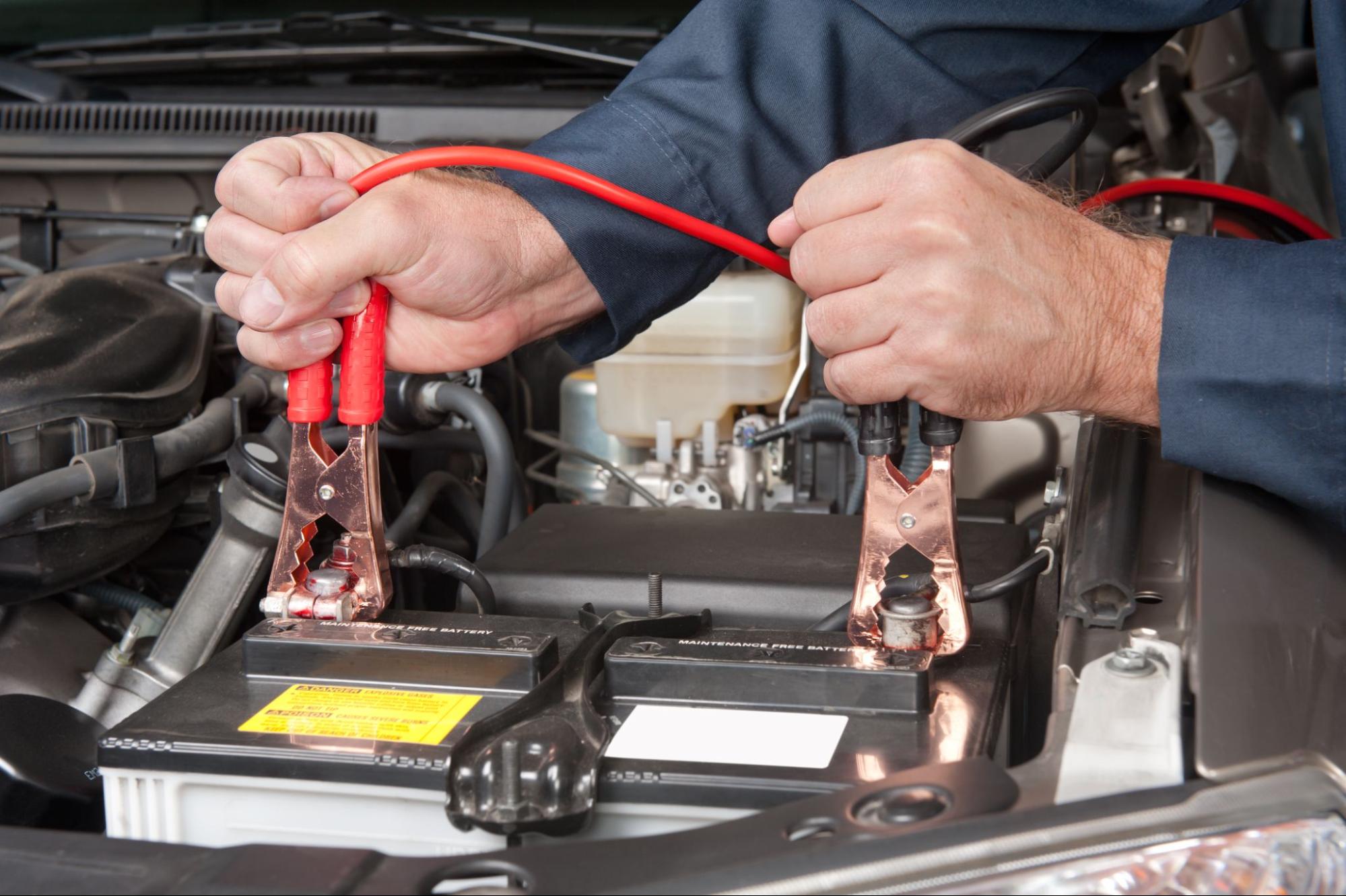
Touching battery cables together can reset the car computer. Disconnect the battery, wait, then touch cables briefly. This drains residual power, clearing memory and resetting settings. Always consult your vehicle’s manual or a professional mechanic before attempting this method to ensure safety and effectiveness.
Conclusion
Resetting your car’s ECU is straightforward without battery disconnection. Follow the steps carefully for effective results. This method saves time and keeps settings intact. No need for technical skills or tools. Always ensure the car is off before starting. This prevents any electrical issues.
If unsure, consult a professional. Regular ECU resets can improve car performance. Use this technique responsibly for optimal benefits. Remember, patience and precision are key. Happy driving!

Ethan Montgomery is the administrator of carweldhub.com and an expert in the automotive industry. With hands-on experience in welding and a deep understanding of automotive parts and accessories, Ethan brings a wealth of practical knowledge to his work. His passion for the automotive field extends to blog writing and editing, where he shares valuable insights and tips with enthusiasts and professionals alike. Whether you’re looking for detailed technical advice or the latest trends in automotive technology, Ethan’s expertise makes him a trusted resource in the automotive community.