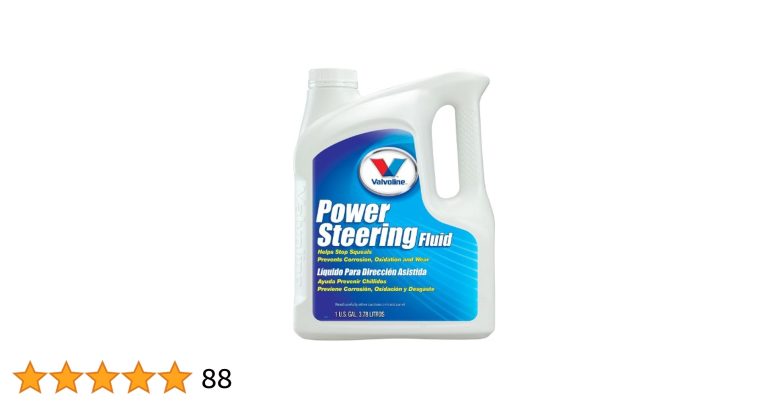
Are Power Steering Fluid And Transmission Fluid the Same?
Have you ever wondered if power steering fluid and transmission fluid are the same? It’s a common question that can save you from costly mistakes when maintaining your car.
Using the wrong fluid can damage your vehicle and lead to expensive repairs. You’ll discover the key differences between these two fluids, why each one matters, and how to know which one your car actually needs. Keep reading to protect your ride and keep it running smoothly.
Power Steering Fluid Basics
Power steering fluid is an essential part of many vehicles. It helps drivers steer the car with less effort. Without this fluid, turning the wheel would be very hard, especially at low speeds. Understanding power steering fluid basics helps in maintaining your vehicle properly and avoiding costly repairs.
Role In Vehicle Operation
Power steering fluid transfers force in the steering system. It works inside the power steering pump and the steering gear. This fluid creates pressure that helps move the wheels smoothly. It also lubricates the moving parts to reduce wear and tear. Proper fluid levels ensure safe and easy steering control.
Types Of Power Steering Fluid
Not all power steering fluids are the same. Different vehicles need different types based on their design and manufacturer recommendations.
- Mineral-based fluids: Common in older vehicles and some light trucks.
- Synthetic fluids: Offer better performance and last longer.
- Automatic transmission fluid (ATF): Used in some power steering systems but not all.
Always check the owner’s manual to choose the correct fluid type. Using the wrong fluid can cause damage to the steering system.
Transmission Fluid Essentials
Transmission fluid plays a vital role in your vehicle’s performance. It ensures smooth gear shifts and protects the transmission system. Understanding its essentials can keep your vehicle running efficiently.
Functions In Transmission System
Transmission fluid serves multiple functions in a transmission system. It lubricates moving parts, reducing wear and tear. It also cools the system by dissipating heat. The fluid cleans by transporting debris to the filter. Additionally, it helps in transmitting hydraulic power, ensuring smooth gear changes.
Common Types Of Transmission Fluid
Different vehicles require specific transmission fluids. Here are some common types:
- Automatic Transmission Fluid (ATF): Common in automatic vehicles. It provides lubrication and hydraulic power.
- Manual Transmission Fluid: Used in manual gearboxes. It’s usually thicker than ATF.
- Continuously Variable Transmission Fluid (CVT): Designed for CVT systems. It ensures proper belt and pulley function.
- Dexron/Mercon: Used in many American vehicles. It’s a type of ATF with specific additives.
Choosing the right fluid type is crucial. Always consult your vehicle’s manual for recommendations.
Key Differences Between Fluids
Understanding the key differences between power steering fluid and transmission fluid is crucial for maintaining your vehicle’s health. These fluids might seem similar, but they serve distinct purposes and have unique properties. Let’s break down how they differ in chemical composition, viscosity, and compatibility with your vehicle systems.
Chemical Composition
Power steering fluid is typically a hydraulic fluid designed to transfer pressure within the steering system. It often contains additives that reduce wear and protect seals from damage.
Transmission fluid, on the other hand, is formulated to lubricate gears, cool the transmission, and act as a hydraulic fluid. It usually contains detergents and friction modifiers to help smooth gear shifts and prevent corrosion.
Using the wrong fluid can cause chemical reactions that harm your vehicle’s components. Have you ever wondered why a simple fluid swap can lead to expensive repairs?
Viscosity And Performance
Viscosity refers to the thickness and flow of the fluid. Power steering fluid generally has a lower viscosity to allow quick pressure transfer for responsive steering.
Transmission fluid is thicker and engineered to maintain stability under high heat and pressure inside the transmission system.
Imagine pouring honey into a water hose—it just won’t flow correctly. That’s how improper viscosity affects system performance.
Compatibility With Vehicle Systems
Each fluid is designed specifically for its system’s materials and operating conditions. Power steering fluid works best with rubber seals and metal parts in the steering assembly.
Transmission fluid must be compatible with the metal alloys and friction materials inside the transmission.
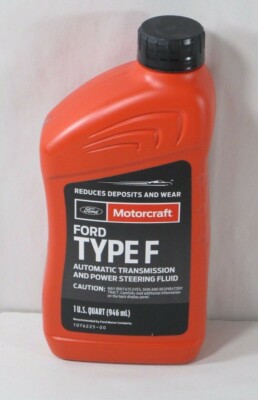
Mixing fluids can cause seal swelling or shrinkage, leading to leaks or failure. Do you know what fluid your car’s manual recommends? Checking this can save you from costly mistakes.
Credit: www.ebay.com
Risks Of Mixing Fluids
Mixing power steering fluid and transmission fluid can cause serious problems. Both fluids have different formulas and purposes. Using the wrong fluid may damage car parts and reduce system performance. It is important to understand the risks before adding any fluid to your vehicle.
Potential Damage To Power Steering
Power steering fluid is designed to lubricate and help the steering system work smoothly. Transmission fluid has different additives and thickness. Using transmission fluid in power steering can cause:
- Reduced lubrication, leading to worn-out parts
- Increased noise from the steering pump
- Overheating and failure of the power steering pump
- Leaking seals and hoses due to incompatible fluid
These issues can make steering difficult and unsafe. Repair costs may rise if the problem is ignored.
Transmission System Consequences
Transmission fluid keeps the transmission cool and helps gears shift smoothly. Power steering fluid does not have the same heat resistance or friction properties. Mixing these fluids can result in:
- Poor gear shifting and slipping
- Overheating and damage to transmission parts
- Clogged filters and fluid passages
- Increased wear on transmission seals
Such damage can lead to costly repairs and reduced vehicle lifespan. Always use the correct fluid to protect the transmission system.
How To Choose The Right Fluid
Choosing the right fluid for your vehicle is crucial for smooth operation and longevity. Different fluids serve different purposes, so using the correct one prevents damage. Understanding how to select the proper fluid helps maintain your car’s performance and safety.
Consulting Vehicle Manual
Your vehicle manual provides specific fluid recommendations. Check the manual to find the exact type of fluid needed. The manual lists fluid specifications, brands, and capacity. Following these guidelines ensures compatibility and protects your vehicle’s systems. Manuals often include warnings about using wrong fluids.
Signs Fluid Replacement Is Needed
Watch for signs that fluid replacement is necessary. Dark or dirty fluid indicates contamination. Strange noises or difficulty steering can signal power steering fluid issues. Transmission slipping or rough shifting often means transmission fluid needs change. Regular checks help spot problems before they worsen.

Credit: www.reddit.com
Maintaining Fluid Health
Maintaining the health of your vehicle’s fluids is essential to keep everything running smoothly. Both power steering fluid and transmission fluid play critical roles, but they require different care. Knowing how to check and when to replace these fluids can save you from costly repairs and improve your driving experience.
Checking Fluid Levels
Regularly checking your fluid levels is a simple step that can prevent bigger problems. For power steering fluid, locate the reservoir under your hood and check the level against the marked indicators. Transmission fluid usually has a dipstick; make sure the engine is warm and running when you check it.
Look for any discoloration or a burnt smell in the fluids. Clear, reddish transmission fluid is healthy, while dark or cloudy fluid signals it’s time for attention. Similarly, power steering fluid should be clean and free of debris.
When To Flush And Replace
Flushing and replacing your fluids at the right time keeps your systems efficient and responsive. Most manufacturers recommend changing power steering fluid every 50,000 miles, but if you notice stiffness in steering, do it sooner. Transmission fluid might need replacement between 30,000 to 60,000 miles, depending on your driving habits and vehicle model.
Ignoring fluid changes can cause leaks, overheating, or even system failure. Have a mechanic inspect your fluids during regular service visits and follow their advice on flushing schedules. Do you remember the last time you checked your fluid levels? Taking a moment now can save you trouble later.

Credit: www.reddit.com
Frequently Asked Questions
Are Power Steering Fluid And Transmission Fluid Interchangeable?
No, power steering fluid and transmission fluid are not interchangeable. Each fluid serves different functions and has unique chemical properties. Using the wrong fluid can damage components and impair vehicle performance. Always use the fluid recommended by your vehicle manufacturer.
What Is The Main Difference Between These Two Fluids?
Power steering fluid lubricates the steering system, while transmission fluid lubricates the transmission gears. Transmission fluid also acts as a coolant and hydraulic fluid. Their formulations differ to meet these specific needs and ensure proper functioning.
Can Using Wrong Fluid Harm My Vehicle?
Yes, using the wrong fluid can cause leaks, wear, and system failure. Power steering systems and transmissions require specific fluids to operate smoothly. Incorrect fluid may lead to costly repairs and decreased vehicle reliability.
How Often Should These Fluids Be Changed?
Power steering fluid should be checked regularly and changed every 50,000 miles or per manufacturer guidelines. Transmission fluid change intervals vary widely, often between 30,000 to 60,000 miles. Regular maintenance ensures system health and prevents issues.
Conclusion
Power steering fluid and transmission fluid are not the same. Each fluid has a specific role in your vehicle. Using the wrong fluid can cause damage. Always check your car’s manual before adding fluid. Proper maintenance keeps your vehicle running smoothly.
Remember, fluids are not interchangeable. Take care of your car, and it will take care of you. Simple steps prevent costly repairs down the road. Stay informed and handle your fluids with care. Your car will thank you.

Automotive Specialist & Expert Writer
Tyler Kingston is a passionate automotive writer with a wealth of knowledge in all things cars. With years of experience in the automotive industry, Tyler specializes in everything from vehicle maintenance to the latest car technologies and innovations. He is known for his ability to break down complex automotive concepts into easily digestible, engaging content for both novice and experienced car enthusiasts. Whether it’s detailing car repair techniques, reviewing new car models, or diving into the world of auto accessories, Tyler’s articles provide valuable insights to readers. His hands-on experience, combined with a genuine love for cars, allows him to deliver expert advice, tips, and news that keeps readers coming back for more.