How to Wheelie on a Snowmobile: Guide for Thrill Seekers
Have you ever wanted to master the thrilling move of doing a wheelie on your snowmobile? It’s an exciting skill that grabs attention and boosts your confidence on the snow.
But getting it right takes more than just luck—you need the right technique, timing, and a bit of practice. In this guide, you’ll discover simple steps that make learning this cool trick easier and safer. Ready to impress your friends and take your riding to the next level?
Keep reading, and you’ll be popping wheelies like a pro in no time.
Gear And Safety Tips
Wearing a helmet and protective gear is essential for safety while learning wheelies on a snowmobile. Make sure the snowmobile is in good condition and practice in open, safe areas to avoid accidents.
When learning to wheelie on a snowmobile, gear and safety are crucial. Proper preparation ensures a safe and enjoyable experience. Below, we delve into essential equipment and preparation tips.Essential Safety Equipment
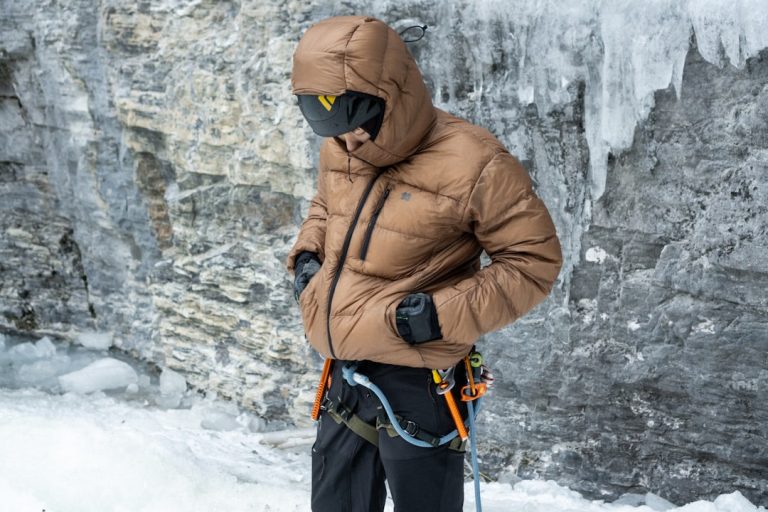
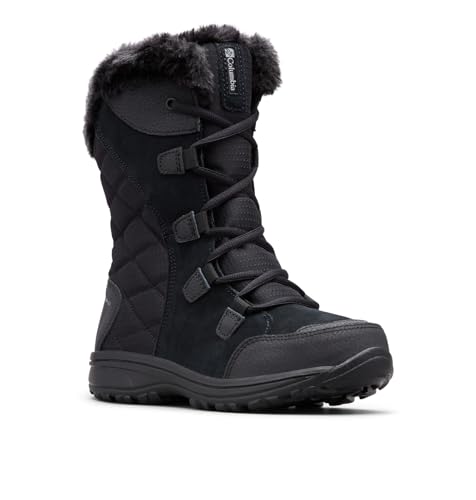
Wearing the right safety gear is vital. Start with a quality helmet. It protects your head from potential impacts. Goggles shield your eyes from snow and wind. Dress in layers to stay warm. Cold weather gear helps maintain body temperature. Gloves provide grip and warmth, essential for control. Boots should be sturdy and waterproof. They offer protection and support.Choosing The Right Snowmobile
Not all snowmobiles are ideal for wheelies. Choose one with a strong, stable frame. Lightweight models often handle better. Ensure it has sufficient power. A powerful engine aids in lifting the front end. Check the suspension system. It should support your weight during a wheelie. Proper balance is essential for control.Preparing Your Snowmobile
Before attempting a wheelie, prepare your snowmobile. Check the fuel levels. Running out mid-ride can be dangerous. Inspect the brakes for responsiveness. They help maintain control. Adjust the suspension to your preference. Proper settings enhance stability. Ensure the track is in good condition. It provides the necessary traction. Tighten any loose bolts or parts. Secure attachments prevent accidents.
Credit: www.msn.com
Basic Wheelie Techniques
Performing a wheelie on a snowmobile requires solid basic techniques. These techniques help you lift the front of your snowmobile safely. They build confidence and control during the ride.
Focus on body positioning, throttle control, and balancing. Each part plays a key role in a smooth wheelie. Practice these steps in a safe, open area before trying more advanced moves.
Body Positioning
Shift your weight toward the rear of the snowmobile. Keep your knees bent for better shock absorption. Lean back slightly to help raise the front end.
Hold the handlebars firmly but not too tight. Keep your arms relaxed to absorb any sudden movements. Your head should stay up, looking forward.
Throttle Control
Apply the throttle smoothly and steadily. Avoid sudden bursts of power that can make you lose control. Start slow to get a feel for the lift.
Adjust the throttle to keep the front end in the air without flipping over. Small throttle changes help maintain the wheelie. Practice controlling the speed while keeping balance.
Balancing On The Snowmobile
Use your body weight to balance the snowmobile in the wheelie position. Slightly shift your weight forward or backward to stay steady. Keep your feet firmly on the footrests.
Look straight ahead to maintain focus. Use small handlebar adjustments to keep the front end from dropping or rising too much. Balance takes practice but improves with time.
Advanced Wheelie Moves
Mastering advanced wheelie moves on a snowmobile pushes your riding skills beyond the basics. These techniques require precise control, sharp awareness of your machine’s balance, and a keen sense of timing. By focusing on subtle shifts in your body and using the environment smartly, you can extend your wheelies and make them smoother and more impressive.
Shifting Weight For Longer Wheelies
Extending your wheelie starts with your body weight. Leaning back too far can cause you to flip over, while leaning forward too soon ends the wheelie abruptly. Find the sweet spot by moving your weight gradually and feeling how the snowmobile responds.
Try small adjustments, like shifting your hips backward while keeping your upper body steady. This subtle change keeps the front end up longer without losing control. Have you noticed how a slight lean backward can make the difference between a few seconds and a long, controlled wheelie?
Using Terrain To Your Advantage
Terrain plays a huge role in how you perform wheelies. Launching off a gentle rise or bump gives your snowmobile natural lift, making it easier to pop the front end up. Look for smooth slopes or small hills that can assist your takeoff.
Don’t underestimate the power of the snow’s texture either. Firmer snow provides better traction for your tracks, which helps maintain momentum. Have you ever thought about how different snow conditions affect your wheelie control?
Controlling The Snowmobile In Mid-air
Once airborne, your focus shifts to balance and throttle control. Keep your hands firm but flexible on the handlebars to steer minor corrections. Too much throttle can pitch you backward, while too little makes you drop the front end too soon.
Use your body as a counterweight by slightly leaning forward or backward to stabilize the snowmobile. This fine-tuning helps you land smoothly and keeps the ride flowing. What small adjustments do you notice make the biggest impact while in mid-air?
Credit: www.dootalk.com
Common Mistakes To Avoid
Mastering a snowmobile wheelie is thrilling, but many beginners fall into common traps that can spoil the fun or even cause injury. Avoiding these mistakes will help you build confidence and control faster. Let’s dig into the pitfalls you should watch out for.
Overthrottling
Pushing the throttle too hard is a classic blunder. It might feel like the quickest way to pop the front end up, but it often results in losing control or flipping backward. Instead, apply the throttle smoothly and steadily—think of it as gently coaxing the snowmobile into the wheelie rather than forcing it.
I learned this the hard way during my first attempts. I opened the throttle too fast and ended up face-first in the snow. That taught me to respect the machine’s power and pace myself better.
Poor Body Alignment
Your body position is crucial. Leaning too far forward or backward can throw off your balance and make the wheelie unstable. Keep your weight centered and your knees slightly bent to absorb shifts in motion.
Ask yourself: Are you using your whole body to balance or just your arms? Engaging your core and legs helps maintain stability far more than gripping the handlebars tightly.
Ignoring Safety Precautions
Skipping safety gear or attempting wheelies in unsafe environments is risky. Always wear a helmet, gloves, and protective clothing. Perform wheelies on open, flat snowfields away from obstacles and other riders.
One near-miss taught me never to underestimate the importance of a clear area. Even a small bump or hidden ice patch can end a wheelie attempt badly. Are you putting safety first before testing your skills?
Practice Drills For Mastery
Mastering a snowmobile wheelie takes more than just raw courage. It requires focused practice drills that build your control, balance, and timing. These exercises help you gain confidence while keeping safety a priority, turning a tricky stunt into an achievable skill.
Start On Flat Terrain
Begin your wheelie practice on flat, open ground. This setup reduces unexpected obstacles and gives you space to correct mistakes without risking a tumble.
Focus on finding the right throttle control and body position here. Getting comfortable lifting the ski without worrying about hills lets you build muscle memory step by step.
Incremental Height Training
Don’t jump straight into high wheelies. Gradually increase the height as you feel more balanced.
Try holding the ski up for just a second longer each time. This slow progression helps your muscles adjust and prevents overexertion.
Ask yourself: Can you maintain control if the ski rises higher than expected? Practicing this builds your reaction skills.
Timing Your Wheelie Release
Knowing when to lower the ski safely is just as important as lifting it. Practice releasing the throttle smoothly to bring the ski down without jolting.
Watch your snowmobile’s response closely—too quick a release can cause a sudden drop, while too slow might stall your momentum.
Try timing your release with small bursts of throttle and observe how the snowmobile behaves. This practice helps you perfect the balance between power and control.

Credit: www.youtube.com
Troubleshooting And Repairs
Troubleshooting and repairs play a crucial role in mastering wheelies on a snowmobile. Mechanical issues can quickly turn a fun stunt into a frustrating experience. Knowing how to identify problems and make quick adjustments helps keep your ride smooth and your wheelies controlled.
Handling Mechanical Issues
Mechanical problems often show up as unusual noises, loss of power, or unstable handling during wheelies. Check the throttle response first; a sticky throttle can ruin your timing. Look over the drive belt for signs of wear or slipping, as this directly affects your power delivery.
If your snowmobile feels unbalanced, inspect the chassis and frame for any cracks or bends. Loose bolts on the handlebars or suspension can also cause instability, so tighten them regularly. Have you noticed a delay when pulling the clutch? That’s a sign it might need adjustment or replacement.
Adjusting Suspension For Wheelies
Suspension settings can make or break your ability to perform wheelies smoothly. Softer rear suspension helps absorb the shock when the front lifts, but too soft can make the ride sloppy. Adjust the preload and damping based on your weight and riding style to find the sweet spot.
Try raising the rear shocks slightly to get more lift and control. If your front end drops too quickly after the wheelie, increasing front suspension stiffness can help maintain balance. Do you experiment with small changes before hitting the snow? This trial and error helps you understand your snowmobile’s limits better.
Maintaining Your Snowmobile Post-ride
After a day of wheelies, maintenance keeps your snowmobile ready for the next session. Clean off snow and ice buildup to prevent corrosion and mechanical failures. Check the track and skis for damage—any cracks or dents can affect your control next time out.
Lubricate moving parts like the suspension and throttle cables to avoid stiffness. Don’t forget to inspect the engine oil and coolant levels; overheating is a common issue after aggressive riding. How often do you give your snowmobile a thorough check after riding? Regular care can save you from costly repairs down the road.
Frequently Asked Questions
How Do I Start A Wheelie On A Snowmobile?
Begin by gaining moderate speed on a flat surface. Then, shift your weight to the back while pulling the handlebars up gently. Balance the throttle to keep the front skis lifted without flipping over.
What Safety Gear Is Essential For Snowmobile Wheelies?
Always wear a DOT-approved helmet, gloves, and goggles. Use protective clothing like a snowmobile suit and boots. Consider chest and back protectors to reduce injury risks during wheelie attempts.
Can Beginners Learn To Wheelie On A Snowmobile Safely?
Yes, beginners can learn safely with proper guidance. Start slowly in an open, obstacle-free area. Practice weight shifting and throttle control before attempting full wheelies. Always prioritize safety and use protective gear.
What Common Mistakes Should I Avoid When Wheelie Riding?
Avoid abrupt throttle bursts that flip the snowmobile backward. Don’t lean too far back or forward. Avoid uneven terrain or icy patches. These mistakes can cause loss of control or accidents.
Conclusion
Practicing wheelies on a snowmobile takes time and patience. Always start slow and stay safe. Find a flat, open area with soft snow. Keep your balance and control your throttle carefully. Wear proper gear to protect yourself. Remember, every rider learns at their own pace.
Enjoy the process and have fun riding. Your skills will improve with practice and focus. Stay calm and confident as you ride. Safety and control come first every time.

Automotive Specialist & Expert Writer
Tyler Kingston is a passionate automotive writer with a wealth of knowledge in all things cars. With years of experience in the automotive industry, Tyler specializes in everything from vehicle maintenance to the latest car technologies and innovations. He is known for his ability to break down complex automotive concepts into easily digestible, engaging content for both novice and experienced car enthusiasts. Whether it’s detailing car repair techniques, reviewing new car models, or diving into the world of auto accessories, Tyler’s articles provide valuable insights to readers. His hands-on experience, combined with a genuine love for cars, allows him to deliver expert advice, tips, and news that keeps readers coming back for more.