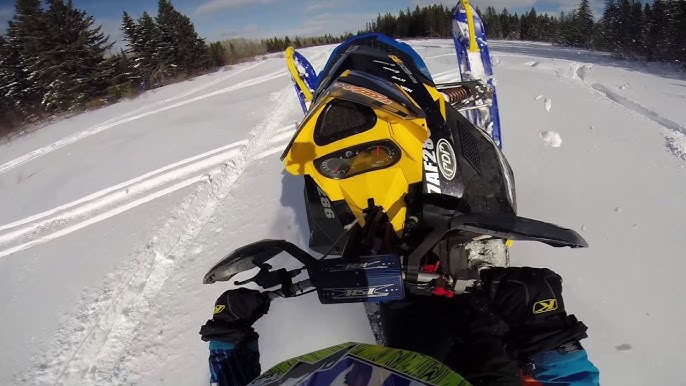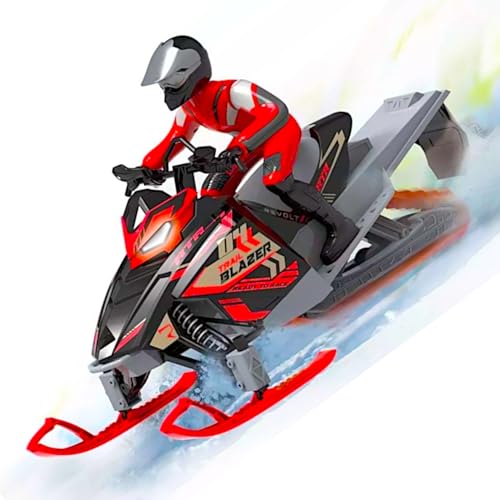
How Do You Start a Snowmobile: Easy Steps for Quick Riding
Have you ever stood next to a snowmobile, ready to ride, but felt unsure about how to start it? Getting your snowmobile up and running can seem tricky at first.
But once you know the simple steps, you’ll feel confident and in control. In this guide, you’ll discover exactly how to start your snowmobile quickly and safely. Keep reading, and you’ll be ready to hit the snow without hesitation.
Credit: www.polaris.com
Prepare Your Gear
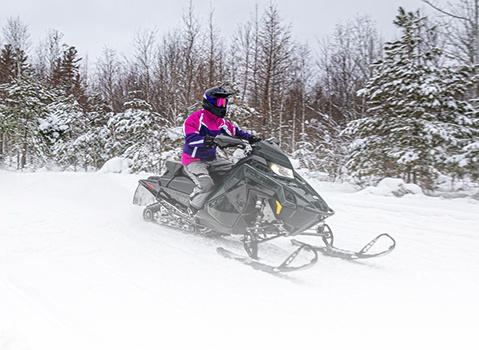
Check your snowmobile’s fuel and oil levels before starting. Wear warm clothes and safety gear to stay protected and comfortable. Ensure the throttle and brakes work smoothly for a safe ride.
Preparing your gear is crucial for a successful snowmobile ride. Proper attire and safety equipment ensure a comfortable and secure experience. Dressing appropriately and wearing the right safety gear enhances your adventure.Dress For Cold Weather
Cold weather demands special clothing. Layering is the key. Start with a moisture-wicking base layer. This keeps sweat away from your skin. Next, add an insulating middle layer. Fleece or wool works best here. Lastly, wear a waterproof outer layer. This protects against snow and wind. Wear thermal socks for warm feet. Choose insulated gloves for hand protection. A warm hat under your helmet is essential. Don’t forget a neck gaiter or balaclava. It shields your face from icy winds.Wear Safety Equipment
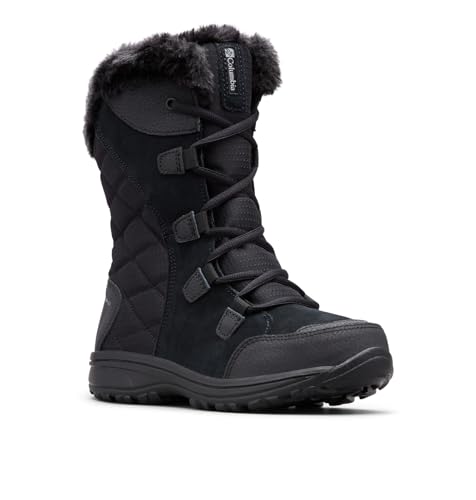
Safety gear is a must on a snowmobile. A helmet is non-negotiable. It protects your head in case of falls. Choose one with good ventilation. Wear goggles or a face shield. These protect your eyes from snow and sun glare. Boots with strong grip prevent slipping. They also keep your feet dry and warm. Consider a chest protector for added safety. Reflective clothing or patches enhance visibility. This is important in low-light conditions. Always carry a whistle. It can signal for help if needed.Credit: www.dootalk.com
Inspect The Snowmobile
Before you fire up your snowmobile, a thorough inspection is key. Skipping this step can lead to unexpected breakdowns or unsafe rides. Taking just a few minutes to check your machine can save you from trouble on the trail and make your experience smoother.
Check Fuel And Oil Levels
Start by ensuring your snowmobile has enough fuel and oil. Running out of fuel in freezing weather isn’t just inconvenient—it can be dangerous. Also, low oil levels can damage the engine, leading to costly repairs.
Look for any leaks around the fuel tank or oil reservoir. If you spot any, address them before starting. Remember, cold temperatures can thicken fluids, so make sure you use the right type for winter conditions.
Examine The Track And Suspension
Take a close look at the track for any tears, missing lugs, or excessive wear. A damaged track can cause poor traction or even get stuck in deep snow. Run your hand along the suspension to feel for stiffness or broken components.
Try to move the suspension arms to check for smooth movement. If something feels off, it’s better to fix it now than risk failure mid-ride. Have you ever been stranded because of a broken suspension? This simple check helps avoid that scenario.
Test The Lights And Controls
Before you take off, make sure all lights and controls work properly. Headlights and brake lights increase your visibility, especially in low-light conditions. Switch on the throttle and brake to confirm they respond correctly.
If your snowmobile has a reverse gear or a choke, test those as well. Faulty controls can make handling dangerous or difficult. Think about how much easier your ride will be if everything responds just as it should.
Start The Engine
Starting the engine is the first important step to get your snowmobile ready. This process wakes up the machine and prepares it for the ride ahead. Knowing how to start it safely and correctly keeps the engine healthy and helps avoid problems. Follow these simple actions to start the engine smoothly.
Turn On The Ignition
Locate the ignition switch on your snowmobile’s dashboard. Insert the key and turn it to the “on” position. This action powers up the electrical system and gets the engine ready. Check that all indicator lights on the dashboard come on, showing the machine is active.
Engage The Choke
The choke helps the engine start in cold weather. Find the choke lever or button near the handlebars or ignition area. Move the choke to the “on” position. This allows more fuel into the engine, making it easier to start when cold. Remember to turn off the choke after the engine warms up.
Press The Start Button Or Pull The Cord
Most snowmobiles have an electric start button. Press it firmly and hold until the engine turns over. Some models use a pull cord instead. Pull the cord quickly and smoothly to start the engine. Avoid fast or jerky pulls to prevent damage. Once the engine starts, release the button or cord gently.
Get Ready To Ride
Getting ready to ride a snowmobile is an exciting moment. It requires focus and safety checks. Proper preparation makes your ride smooth and safe. Follow simple steps to prepare your snowmobile before starting it.
Release The Brake
Before starting, make sure the brake is released. The brake keeps the snowmobile from moving. Pull the brake lever and hold it. Then, press the brake lock to keep it released. This step ensures the snowmobile can move freely once started.
Shift Into Gear
Next, shift the snowmobile into the correct gear. Most snowmobiles have a neutral, forward, and reverse gear. Put the gear in neutral to start the engine safely. After the engine runs smoothly, shift into forward gear to begin riding.
Position Your Hands And Feet
Place your hands firmly on the handlebars. Your fingers should cover the throttle and brake controls. Keep your feet on the running boards for balance. This position helps you control the snowmobile easily and stay safe on the trail.
Ride Safely
Riding a snowmobile is exciting but demands careful attention. Safety protects you and others on the trail. Always stay alert and follow simple rules to enjoy the ride without trouble.
Maintain A Steady Speed
Keep your speed steady to control the snowmobile well. Sudden changes can cause loss of balance. Slow down on icy or rough patches. A steady pace helps you react quickly to dangers.
Watch For Obstacles
Look ahead to spot trees, rocks, or holes. Snow can hide obstacles, so stay focused. Avoid riding too close to other riders. Scan the trail often to prevent accidents.
Use Proper Turning Techniques
Lean into turns while keeping your body balanced. Use the handlebars gently to guide the snowmobile. Avoid sharp, fast turns that can cause slips. Practice smooth turns for safer control.
Credit: www.dootalk.com
Frequently Asked Questions
How Do You Start A Snowmobile Safely?
To start a snowmobile safely, ensure it’s on a flat surface. Engage the brake, turn the key, and press the start button. Always wear safety gear and check for any obstacles before riding.
What Steps Are Essential Before Starting A Snowmobile?
Check fuel levels, inspect the throttle and brake, and ensure the kill switch is off. Wear proper gear and verify the track is clear. These steps ensure a smooth and safe start.
Why Won’t My Snowmobile Start?
Common reasons include a dead battery, empty fuel tank, or faulty spark plug. Check these components first. Also, ensure the safety switch is engaged and the engine kill switch is off.
How Long Should You Warm Up A Snowmobile?
Warm up your snowmobile for about 3 to 5 minutes. This helps the engine reach optimal operating temperature and ensures smooth performance, especially in cold weather.
Conclusion
Starting a snowmobile is easier than it seems. Follow the simple steps carefully. Check the fuel and battery before you begin. Use the throttle and ignition as shown. Always stay safe and wear proper gear. Practice in a safe area first.
Soon, you will feel more confident riding. Enjoy the fresh air and winter fun. Keep your snowmobile well-maintained for best results. Ready to ride? Just start and go!

Automotive Specialist & Expert Writer
Tyler Kingston is a passionate automotive writer with a wealth of knowledge in all things cars. With years of experience in the automotive industry, Tyler specializes in everything from vehicle maintenance to the latest car technologies and innovations. He is known for his ability to break down complex automotive concepts into easily digestible, engaging content for both novice and experienced car enthusiasts. Whether it’s detailing car repair techniques, reviewing new car models, or diving into the world of auto accessories, Tyler’s articles provide valuable insights to readers. His hands-on experience, combined with a genuine love for cars, allows him to deliver expert advice, tips, and news that keeps readers coming back for more.