
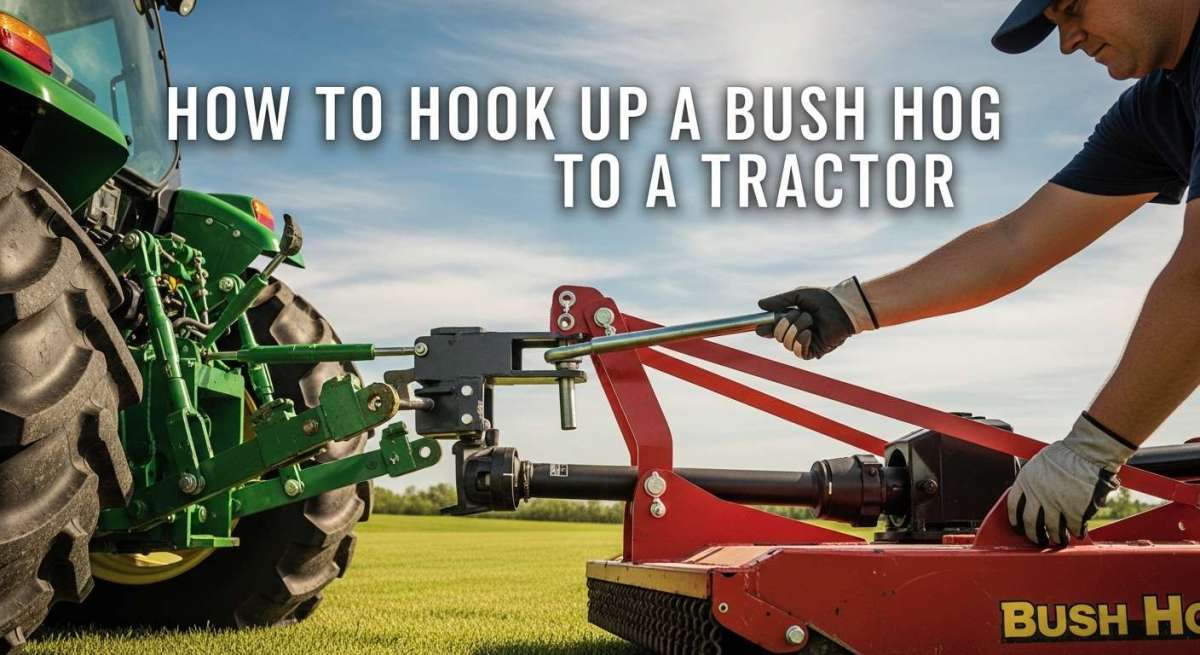
How to Hook Up a Bush Hog to a Tractor: Step-by-Step Guide
If you’ve ever wondered how to hook up a Bush Hog to your tractor, you’re in the right place. Connecting this powerful piece of equipment might seem tricky at first, but once you know the steps, it’s quick and simple.
Getting it right means you’ll save time, avoid damage, and get your work done smoothly. Keep reading, and you’ll learn exactly what to do—no guesswork, no frustration—just clear instructions that make the job easy.
Preparing Your Tractor
Check the tractor’s hitch and make sure it is clean and free of debris. Lower the three-point hitch to the correct height for easy attachment. Ensure all hydraulic and power connections are ready before hooking up the bush hog.
Preparing your tractor is a crucial step when you’re gearing up to hook up a bush hog. Ensuring that your tractor is ready not only enhances performance but also prioritizes safety. Whether you’re a seasoned farmer or a novice, taking the time to prepare your tractor can prevent mishaps and keep your equipment in top shape.
Check Tractor Compatibility
Before anything else, verify that your tractor can handle the bush hog’s requirements. Consider the horsepower and hitch category to ensure they align with the bush hog specifications. Neglecting this step could result in inefficient operation or even damage to your equipment.
Inspect Hydraulic And Pto Systems
Check your tractor’s hydraulic and PTO systems to ensure they are in good working condition. Look for leaks in the hydraulic lines and test the PTO shaft for smooth operation. This inspection can save you from unexpected breakdowns when you’re out in the field.
Gather Necessary Tools And Safety Gear
Having the right tools and safety gear on hand can make the hookup process seamless. Gather items like wrenches, gloves, and protective eyewear. This preparation not only speeds up the process but also keeps you safe from potential hazards. Taking the time to prepare your tractor can make the difference between a smooth operation and a frustrating ordeal. Have you ever faced challenges because of skipped preparations? Share your experiences and insights in the comments below!

Credit: www.youtube.com
Positioning The Bush Hog
Positioning the Bush Hog correctly is key to a safe and easy hookup. This step prepares the equipment and tractor for a smooth connection. Proper alignment saves time and prevents damage.
Take your time to set the Bush Hog in the right place before moving the tractor closer. Clear space around the area to avoid obstacles and hazards. Secure the work zone to keep everyone safe during the process.
Clear The Area
Remove all debris, rocks, and tools near the Bush Hog. Check the ground for uneven spots or holes. Clear space gives you room to work and move safely. It also protects the equipment from damage.
Align The Bush Hog With Tractor
Position the Bush Hog so its hitch points face the tractor’s hitch. Line up the tractor straight with the Bush Hog. Use the tractor’s mirrors or a spotter to guide you. Proper alignment helps attach the Bush Hog quickly and securely.
Secure The Work Space
Mark the area with cones or signs if possible. Keep children and pets away from the work zone. Ensure the tractor is turned off while adjusting the Bush Hog. Safety comes first to prevent accidents during hookup.
Connecting The Three-point Hitch
Connecting the three-point hitch is a vital step to attach the bush hog safely and securely. This hitch system links the tractor and the bush hog for stable operation. Proper connection ensures smooth work and prevents equipment damage. Follow clear steps to connect the hitch parts correctly.
Attach Lower Lift Arms
Start by aligning the lower lift arms of the tractor with the bush hog’s hitch points. Slide the lift arms onto the hitch pins. Secure each pin with a locking clip or cotter pin. Make sure the arms move freely without too much play. This connection supports the main weight of the bush hog.
Secure Top Link
Connect the top link of the tractor to the upper hitch point on the bush hog. Adjust the length of the top link to fit snugly between the tractor and the bush hog. Insert the pin and fasten it with a clip to lock the link in place. The top link controls the angle and tilt of the bush hog.
Adjust Hitch Settings
Check the alignment of the bush hog after attaching all hitch points. Adjust the height of the lift arms to level the bush hog. Use the tractor’s hydraulic controls to raise and lower the bush hog smoothly. Tighten or loosen the top link to correct the cutting angle. Proper hitch settings improve cutting performance and safety.

Credit: www.youtube.com
Hooking Up The Pto Shaft
Hooking up the PTO (Power Take-Off) shaft is a critical part of connecting your Bush Hog to the tractor. This shaft transfers power from the tractor to the mower, so making sure it’s attached correctly is essential for safe and efficient operation. Let’s break down how to handle this connection properly.
Match Pto Shaft And Tractor Spline
First, check that the PTO shaft fits the tractor’s spline correctly. The spline is the grooved part on both the shaft and the tractor’s PTO output. If the grooves don’t line up, the shaft won’t slide on smoothly.
Look closely at the number of splines and their shape on both ends. Using the wrong size can cause damage or prevent proper power transfer. If you find they don’t match, don’t force it—double-check your equipment or consult your manual.
Slide And Lock Pto Shaft
Once you confirm the spline match, slide the PTO shaft onto the tractor’s PTO stub. You should feel it slide on with some resistance but not be forced. Most PTO shafts have a locking mechanism—usually a spring-loaded pin or collar.
After sliding it fully onto the tractor’s spline, engage the lock to secure the shaft. You can test this by gently pulling on the shaft; it shouldn’t come off if locked properly. Missing this step can lead to the shaft disengaging during operation, which is dangerous.
Check For Proper Engagement
Before starting the tractor, check that the PTO shaft turns freely and is firmly connected. Rotate the shaft by hand to ensure there’s no unusual binding or looseness. Any wobbling or noise at this stage could mean a poor connection.
Also, verify that the PTO shield is in place and intact. This guard protects you from moving parts, and skipping this safety measure is a risk you don’t want to take. Do you really want to stop work halfway because of an avoidable issue?
Attaching Hydraulic Lines
Attaching hydraulic lines is a crucial part of hooking up your Bush Hog to a tractor. These lines control the movement and power of the equipment, so proper connection ensures smooth operation and safety. Handling hydraulic lines might seem tricky at first, but with attention to detail, you can get it right every time.
Identify Hydraulic Ports
Start by locating the hydraulic ports on both your tractor and Bush Hog. These ports are usually color-coded or labeled to match, making identification easier. Look for clean, undamaged ports to prevent dirt from entering the hydraulic system.
Pay close attention to the type of connections—some tractors use quick couplers while others have threaded fittings. Knowing which type you have helps avoid forcing a connection, which can damage parts or cause leaks. Have you checked the manual for your specific model? It often provides clear diagrams that save time and guesswork.
Connect Hydraulic Hoses
Once you’ve identified the correct ports, connect the hydraulic hoses securely. Align the hose ends carefully before pushing or threading them on to avoid cross-threading or leaks. Tighten fittings just enough to hold firmly—over-tightening can crack connectors.
Use a clean rag to wipe the hose ends before attaching them, preventing debris from contaminating the system. If your tractor uses quick couplers, you should hear a click when they lock in place. This feedback confirms a proper connection and peace of mind.
Test Hydraulic Functionality
After connecting the hoses, test the hydraulic system before using the Bush Hog in the field. Start your tractor and slowly activate the hydraulic controls to check if the Bush Hog moves as expected. Listen for any unusual noises and watch for leaks at the connection points.
If you notice sluggish response or fluid dripping, stop immediately to inspect the connections or hoses. Hydraulic issues can lead to equipment damage or safety hazards if ignored. Have you ever skipped this step only to regret it later? Testing now saves time and trouble down the road.
Final Safety Checks
Final safety checks are crucial before operating a bush hog attached to a tractor. They ensure smooth function and prevent accidents. Take time to carefully review every part. Safety means protecting yourself and your equipment.
Inspect All Connections
Check every connection point between the bush hog and tractor. Look at the hitch pins, chains, and PTO shaft. Make sure pins are secure and locked in place. Chains should be tight without slack. The PTO shaft must be properly attached and guarded.
Test Bush Hog Movement
Start the tractor and slowly raise the bush hog. Watch for smooth lifting and lowering. Move the bush hog side to side to check the linkages. Listen for unusual noises or resistance. Stop and fix any problems before use.
Review Safety Precautions
- Wear protective gear like gloves and safety glasses
- Keep bystanders away from the working area
- Ensure the tractor is on stable, level ground
- Never leave the tractor running unattended
- Read the operator’s manual for specific safety tips
Operating Tips For Efficiency
Operating a Bush Hog efficiently saves you time and reduces wear on your tractor and equipment. Paying attention to how you manage speed, navigate different terrains, and care for your machinery after use can make a big difference. Let’s look at some practical tips that can help you get the most out of your Bush Hog.
Optimal Speed Settings
Maintaining the right speed is crucial. Too fast, and you risk uneven cutting or damaging the blades. Too slow, and you waste fuel and time.
A good rule of thumb is to keep your tractor’s speed between 4 to 6 miles per hour, but adjust based on the thickness of the grass or brush. If you notice the Bush Hog struggling or leaving patches, slow down. Have you ever pushed your equipment too hard and ended up with extra work? It’s worth listening to your machine’s feedback.
Terrain Navigation
Different terrains require different approaches. On flat, open fields, you can maintain a steady speed and straight lines. On hilly or uneven ground, reduce speed and be cautious with your turns to avoid tipping or damaging the tractor.
- Always mow uphill or downhill, not side to side, to maintain balance.
- Watch for hidden obstacles like rocks or stumps that could damage blades.
- Adjust the height of the mower deck to avoid scalping the ground on rough terrain.
Have you checked your path for hazards before starting? Taking a few minutes to walk the area can save you headaches later.
Maintenance After Use
Regular maintenance keeps your Bush Hog running smoothly. After each session, clean off grass clippings and debris to prevent rust and buildup.
Check the blades for dullness or damage and sharpen or replace them as needed. Don’t forget to inspect the gearboxes and lubricate the moving parts according to your owner’s manual.
Have you ever skipped cleaning and later found your equipment clogged? A quick cleanup now avoids costly repairs later.
Credit: www.greentractortalk.com
Frequently Asked Questions
How Do I Safely Attach A Bush Hog To A Tractor?
To safely attach a Bush Hog, align it with the tractor’s hitch. Secure the pins and use proper locking mechanisms. Always check the PTO shaft connection and ensure all safety shields are in place before operating.
What Tractor Size Is Needed For A Bush Hog?
A tractor with at least 20-30 horsepower is typically required. Check the Bush Hog’s specifications for exact tractor size recommendations. Using the right tractor size ensures efficient and safe mowing performance.
How To Connect The Pto Shaft To The Bush Hog?
Slide the PTO shaft onto the tractor’s PTO stub shaft. Ensure it locks securely with a pin or collar. Check for smooth rotation and no excessive play before starting the tractor.
What Safety Checks Are Necessary Before Using A Bush Hog?
Inspect all hitch pins, PTO connections, and safety guards. Check for loose parts, worn blades, and proper lubrication. Always wear protective gear and follow the manufacturer’s safety guidelines.
Conclusion
Hooking up a bush hog to your tractor is easier than it seems. Follow the steps carefully and take your time. Double-check all connections before starting work. Safety matters most during this process. A properly hooked bush hog will help you maintain your land well.
Practice makes perfect. Soon, you will do it quickly and confidently. Keep your equipment in good shape for best results. Enjoy the ease of mowing rough areas with your tractor.

Automotive Specialist & Expert Mechanic
Noah Brooks is a skilled automotive expert with a passion for both the technical and creative aspects of the automotive world. With years of experience in repairing, restoring, and enhancing vehicles, Noah is known for his deep knowledge of car mechanics, parts, and accessories. His expertise extends to welding, troubleshooting, and offering advice on the latest car technologies and trends. Whether it’s diagnosing complex issues or guiding readers through DIY car repairs, Noah’s blog posts are filled with hands-on insights that appeal to both novice and experienced car enthusiasts. When he’s not writing, Noah is working on his own car projects, continually learning and sharing his automotive passion with the world.


