
What Does Pto Stand for on a Tractor: Ultimate Guide Explained
Have you ever come across the letters “PTO” on a tractor and wondered what they mean? Understanding what PTO stands for can unlock a whole new level of knowing how your tractor works.
Whether you’re new to farming or just curious about your equipment, getting to grips with PTO will help you use your tractor more effectively. Keep reading, and you’ll discover why PTO is key to making your tractor do much more than just drive around.
Credit: www.agproud.com
Pto Meaning
PTO on a tractor stands for Power Take-Off. It transfers engine power to operate tools like mowers or balers. This feature helps tractors run various equipment efficiently.
Understanding the term “PTO” is crucial for anyone involved with tractors and farm machinery. This term might seem like just another piece of industry jargon, but it plays a vital role in the functioning of agricultural equipment. Let’s break down the meaning and importance of PTO in the context of tractors.What Pto Stands For
PTO stands for “Power Take-Off.” It refers to the mechanism that allows the transfer of power from a tractor’s engine to an attached implement or machine. This functionality is essential for operating various farm tools like mowers, balers, or tillers. Imagine needing to manually power each implement on your farm. PTO saves you from this burden by using the tractor’s engine to provide the necessary power. This not only saves time but also enhances efficiency in farm operations.Basic Function Of Pto
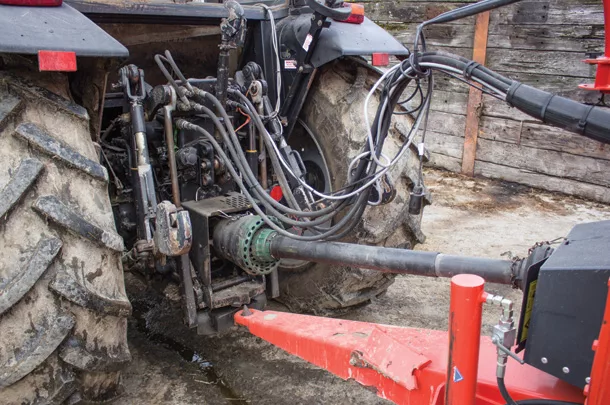
The basic function of a PTO is to harness the engine’s power and direct it to other equipment. This is done through a rotating shaft known as the PTO shaft. When engaged, the PTO shaft spins, transferring energy to the implement attached at the back of the tractor. Consider the simplicity it brings to tasks such as plowing or mowing. By using the tractor’s power, you can perform these tasks more effectively and with less physical strain. Have you ever wondered how you could increase productivity on your farm? Understanding and utilizing the PTO system efficiently might just be the answer. By mastering the PTO, you’re not just operating machinery—you’re optimizing your farm’s potential. So, next time you’re in the field, think about the power at your fingertips and how it’s driving your success.Pto Components
The PTO, or Power Take-Off, is a crucial feature on any tractor, allowing you to transfer engine power to attached equipment. Understanding its components helps you maintain it better and use it more efficiently. Let’s break down the main parts that make the PTO work and the different types of PTO shafts you might encounter.
Main Parts Involved
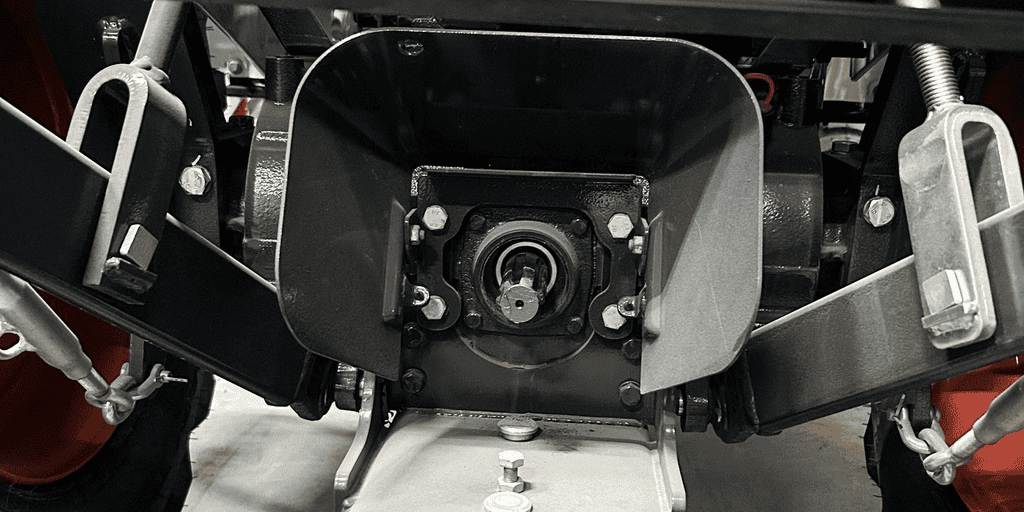
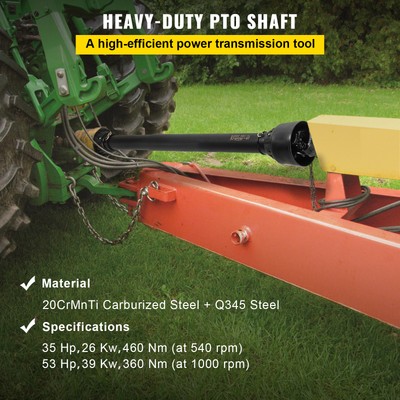
The PTO system consists of several key components that work together to transfer power smoothly. The PTO shaft itself connects the tractor to the implement, turning the engine’s power into useful work.
- PTO Shaft:This is the rotating part that transfers power from the tractor to the implement.
- PTO Yoke:It connects the PTO shaft to the tractor’s gearbox or transmission.
- Slip Clutch:A safety feature that prevents damage by slipping if the implement hits an obstruction.
- PTO Guard:A protective cover to keep you safe from the spinning shaft.
Each component plays a role in ensuring the PTO operates safely and efficiently. If one part fails, the whole system could stop working or become dangerous.
Types Of Pto Shafts
Not all PTO shafts are the same; they come in different sizes and styles depending on the tractor and implement. Knowing which type you have helps you pick the right attachments and avoid damage.
- 540 RPM Shaft:The most common type, running at 540 revolutions per minute, suitable for many standard implements.
- 1000 RPM Shaft:Runs faster and is used for high-power equipment that needs more speed.
- 2-Speed PTO Shaft:Offers both 540 and 1000 RPM settings, giving you flexibility for different tasks.
- Independent PTO Shaft:Can be engaged or disengaged separately from the tractor’s movement, giving you more control.
Have you checked which PTO shaft your tractor uses? Matching the shaft correctly prevents wear and tear and keeps your equipment running smoothly. Understanding these parts not only improves safety but also extends the life of your tractor and attachments.
How Pto Works
The Power Take-Off (PTO) is a key feature of a tractor. It allows power from the engine to run different tools and machines. Understanding how the PTO works helps you use your tractor better and safer. The PTO transfers power efficiently through a simple but effective system. It also lets you start and stop the power flow as needed.
Power Transfer Process
The PTO takes power from the tractor’s engine. This power moves through a shaft inside the tractor. The shaft spins at a set speed. The spinning shaft connects to the tool or machine you want to use.
The power flow turns the machine’s parts. This action makes the tool work. The tractor engine controls the power level. It adjusts the speed and strength of the PTO output.
Engaging And Disengaging Pto
The PTO system includes a control to start or stop the power transfer. This control is called the PTO clutch. To engage the PTO, you press or pull the clutch. This connects the engine power to the shaft.
To stop the PTO, release the clutch. This breaks the power flow. The tool or machine stops working. Engaging and disengaging the PTO safely prevents damage and keeps you safe.
Credit: www.ebay.ca
Common Pto Uses
The Power Take-Off (PTO) on a tractor is a key feature that transfers power from the engine to other machines. It allows tractors to perform many tasks beyond just pulling. This section explores the common uses of PTO in various settings.
Agricultural Implements
PTO powers many farm tools. It runs mowers, balers, and tillers. These tools help farmers cut grass, gather hay, and prepare soil. PTO also drives seeders and sprayers. These machines plant seeds and apply fertilizers or pesticides efficiently.
Farmers rely on PTO for tasks like:
- Operating hay balers to bundle hay
- Powering rotary tillers to loosen soil
- Running sprayers to protect crops
- Driving mowers for cutting grass and weeds
Industrial Applications
PTO is useful beyond farming. It powers industrial equipment such as generators and water pumps. Construction sites use PTO to run cement mixers and air compressors. These machines need reliable power to operate efficiently.
Common industrial uses include:
- Running portable generators for electricity
- Powering water pumps for irrigation or drainage
- Operating concrete mixers on site
- Driving air compressors for tools and machinery
Safety Tips For Pto
Operating a tractor’s PTO (Power Take-Off) can be dangerous without the right safety measures. The PTO shaft spins fast and can catch loose clothing or limbs. Understanding safety tips reduces risks and prevents serious injuries. Below are crucial safety guidelines for working with PTOs on tractors.
Avoiding Accidents
- Keep all guards and shields in place around the PTO shaft.
- Never wear loose clothing or jewelry near the PTO.
- Stay clear of the rotating shaft while the PTO is engaged.
- Turn off the tractor and remove the key before working near the PTO.
- Teach all workers about the dangers and safe use of PTOs.
- Use proper lighting and visibility when operating at night or in poor conditions.
Proper Maintenance
- Regularly inspect the PTO shaft and guards for damage or wear.
- Lubricate the PTO shaft as recommended by the tractor manufacturer.
- Replace any broken or missing safety shields immediately.
- Check the connection points to ensure the PTO is securely attached.
- Keep the tractor and PTO clean to avoid debris getting caught.
- Schedule routine professional inspections to catch hidden issues early.

Credit: en.wikipedia.org
Choosing The Right Pto
Choosing the right PTO for your tractor is key to safe and efficient operation. The PTO transfers power from the tractor to the attached equipment. Selecting the proper PTO ensures the equipment works correctly without damage. It also helps maintain tractor performance and extends the life of your tools.
Matching Pto To Tractor Size
Tractors come in different sizes and power ratings. The PTO must match the tractor’s power output to avoid mechanical problems. Small tractors usually have 540 RPM PTO shafts. Larger tractors might have 1000 RPM PTOs. Check your tractor’s manual for the correct PTO speed and size.
Using a PTO that fits your tractor’s size improves fuel efficiency. It also prevents PTO shaft slippage and wear. A properly matched PTO reduces stress on the tractor’s engine and transmission.
Selecting Compatible Attachments
PTO attachments vary widely, from mowers to tillers and balers. Each attachment has specific PTO shaft requirements. Check the attachment’s PTO speed and shaft size before connecting. Attachments designed for 540 RPM PTOs will not work well with 1000 RPM PTOs.
Look for attachments with matching shaft designs and connection types. Universal joints and safety guards are important for secure attachment. Proper compatibility reduces the risk of accidents and equipment failure.
Frequently Asked Questions
What Does Pto Stand For On A Tractor?
PTO stands for Power Take-Off. It transfers engine power to attachments and implements. This allows tractors to run equipment like mowers, balers, and pumps efficiently.
How Does Pto Work On A Tractor?
PTO transfers rotational power from the tractor’s engine to external tools. It uses a shaft to connect and drive implements. This mechanism enables the tractor to power various farming equipment.
Why Is Pto Important For Tractors?
PTO increases tractor versatility by powering multiple implements. It helps perform tasks such as mowing, tilling, and baling. This feature boosts productivity and efficiency on farms.
What Are Common Pto Speeds On Tractors?
Standard PTO speeds are 540 and 1000 RPM. These speeds match the requirements of different implements. Choosing the correct speed ensures optimal performance and equipment safety.
Conclusion
PTO on a tractor means Power Take-Off. It helps tractors run other machines like mowers or balers. Knowing what PTO does makes farm work easier and faster. This simple part connects power from the tractor to tools. Using PTO safely keeps you and your equipment protected.
Now, you understand why PTO is important on tractors. It plays a big role in farming and land care. Keep this in mind next time you see a tractor.

Automotive Specialist & Expert Mechanic
Noah Brooks is a skilled automotive expert with a passion for both the technical and creative aspects of the automotive world. With years of experience in repairing, restoring, and enhancing vehicles, Noah is known for his deep knowledge of car mechanics, parts, and accessories. His expertise extends to welding, troubleshooting, and offering advice on the latest car technologies and trends. Whether it’s diagnosing complex issues or guiding readers through DIY car repairs, Noah’s blog posts are filled with hands-on insights that appeal to both novice and experienced car enthusiasts. When he’s not writing, Noah is working on his own car projects, continually learning and sharing his automotive passion with the world.


