How Long Does a Well Pump Last: Ultimate Guide to Longevity
You rely on your well pump every day, but have you ever wondered how long it will actually last? Knowing the lifespan of your well pump can save you from unexpected breakdowns and costly repairs.
Imagine the frustration of suddenly losing water flow when you need it most. You’ll discover the key factors that affect your well pump’s life and learn simple tips to keep it running smoothly for years. Keep reading to protect your home and avoid surprises.

Credit: brucemackay.com
Lifespan Of A Well Pump
The lifespan of a well pump depends on many factors. It is important to understand how long you can expect your pump to work. This helps in planning maintenance and replacement costs. Well pumps are built to last but they do wear out over time.
Knowing the average duration and what affects their longevity can save you trouble. It also helps keep your water supply steady and reliable.
Average Duration
Most well pumps last between 8 to 15 years. Some can work longer with good care. The type of pump affects its lifespan. Submersible pumps often last longer than jet pumps.
Regular use and operating conditions play a big role. Pumps that run constantly may wear out faster. Pumps used only occasionally tend to last longer.
Factors Influencing Longevity
- Water Quality:Hard water or sand can damage parts quickly.
- Maintenance:Regular checks and repairs extend pump life.
- Installation:Proper setup avoids early breakdowns.
- Usage:Frequent on/off cycles can cause wear.
- Electrical Supply:Stable power prevents motor damage.
- Pump Size:A pump too small for the job works harder and wears out fast.
Types Of Well Pumps
Well pumps come in different types, each designed for specific water needs and well depths. Choosing the right pump affects its lifespan and performance. Understanding the main types helps you decide which one fits your situation best.
Submersible Pumps
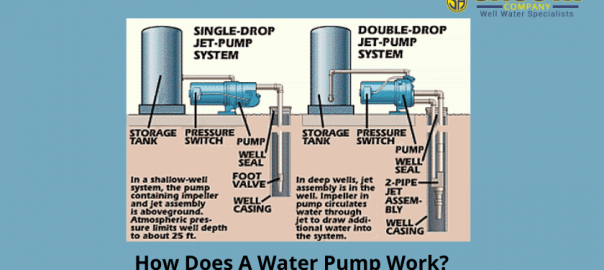
Submersible pumps sit underwater inside the well. They push water up from deep wells. These pumps are quiet and energy-efficient. They last longer because they stay cool in water. They work well for deep and large wells.
Jet Pumps
Jet pumps are above ground and pull water up using suction. They suit shallow wells or wells with low water levels. Jet pumps are easier to maintain but may wear out faster. They are common in residential areas with shallow wells.
Hand Pumps
Hand pumps operate manually without electricity. They are simple and reliable for emergency use or remote areas. Hand pumps last a long time with proper care. They work best for small water needs and shallow wells.
Signs Of Wear And Tear
Recognizing the signs of wear and tear on a well pump helps prevent sudden failure. These signs indicate the pump may need maintenance or replacement soon. Acting early can save money and avoid water supply problems.
Reduced Water Pressure
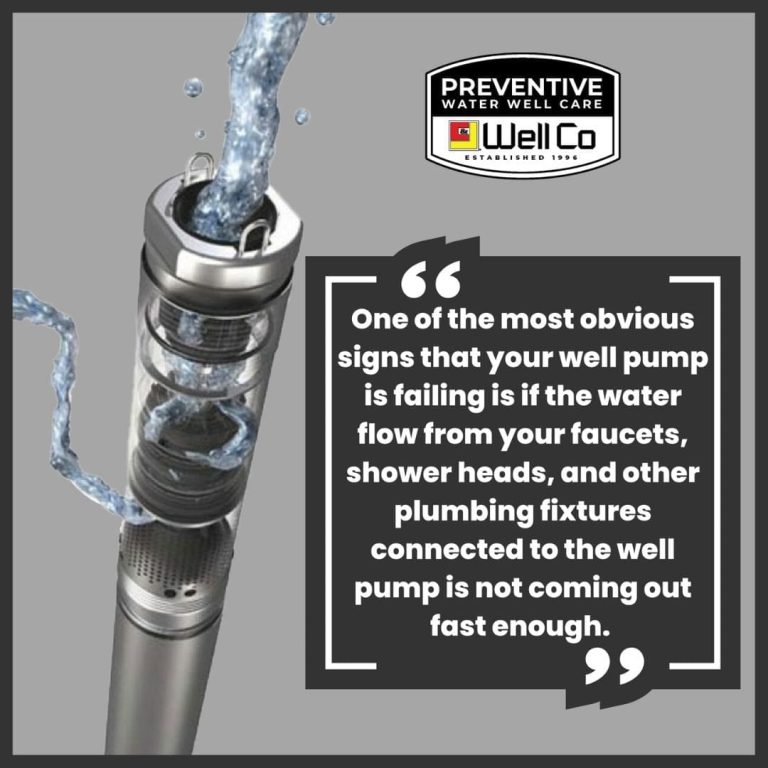
Lower water pressure is a common sign of pump wear. It means the pump is struggling to push water efficiently. Clogged pipes or worn parts inside the pump often cause this issue. Water flow that feels weak or inconsistent should not be ignored.
Unusual Noises
Strange sounds like grinding, rattling, or squealing come from a pump in trouble. These noises suggest worn bearings or loose components. Ignoring these sounds can lead to bigger damage. Quiet operation is key for a healthy pump.
Frequent Cycling
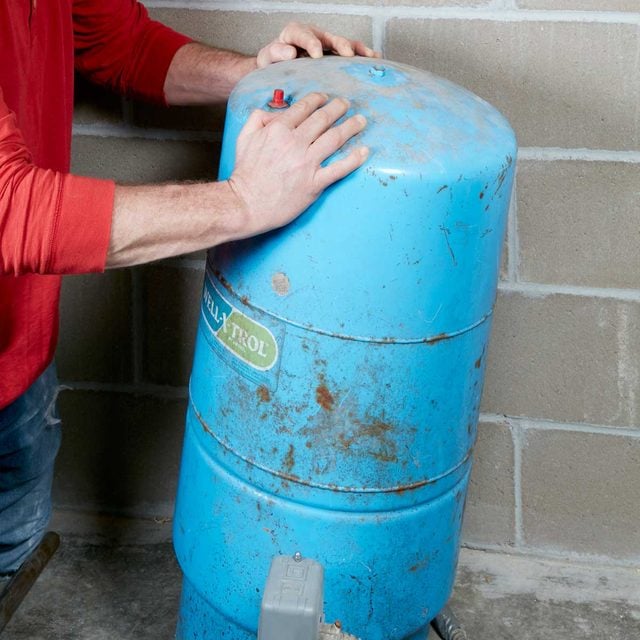
Frequent on-off cycling means the pump turns on and off too often. This can happen if the pressure tank is failing or the pump is worn out. Rapid cycling stresses the pump, reducing its lifespan. Watch for constant starts and stops during normal use.
Credit: www.familyhandyman.com
Maintenance Tips For Longevity
Maintaining your well pump regularly is key to extending its life and avoiding costly repairs. Simple actions you take today can save you from unexpected breakdowns tomorrow. Let’s look at practical ways to keep your well pump running smoothly for years to come.
Regular Inspections
Check your well pump system at least twice a year. Look for leaks, unusual noises, or changes in water pressure. Catching small problems early prevents bigger failures later.
Keep an eye on the pressure switch and tank. Make sure the pressure gauge reads correctly and that the tank is not waterlogged. These small details can signal if the system is working as it should.
Cleaning And Servicing
Remove debris and sediment buildup around your pump and wellhead regularly. Sediment can clog parts and reduce efficiency. Cleaning helps maintain strong water flow and reduces wear.
Consider hiring a professional to service the pump every few years. They can lubricate moving parts, check electrical connections, and replace worn components. This kind of care keeps your pump healthy and reliable.
Protecting From Freezing
Cold weather can cause serious damage to your well pump. Insulate exposed pipes and the pump itself to prevent freezing. Use heat tape or foam covers where necessary.
Have you checked your system during a cold snap? Even a short freeze can cause cracks or burst pipes. Protecting your pump from cold weather is an easy step that can save you from expensive repairs.
When To Replace Your Well Pump
Well pumps usually last about 10 to 15 years, depending on use and maintenance. Signs of wear or reduced water flow mean it might be time to replace the pump. Regular checks help avoid sudden breakdowns and costly repairs.
When to Replace Your Well Pump Determining the right time to replace your well pump can save you from unexpected breakdowns and costly repairs. It’s not just about the age of the pump but also how well it’s performing and the technological advancements available. Recognizing the signs of a failing pump ensures you have a reliable water supply without interruptions.Cost Of Repairs Vs Replacement
Assessing whether to repair or replace your well pump often comes down to cost. Frequent repairs can add up quickly, potentially surpassing the price of a new pump. If you find yourself calling the repairman every few months, it might be more economical to invest in a replacement. Consider the age of your pump, too. A pump nearing the end of its lifespan will likely require more maintenance. This could mean it’s time to weigh the benefits of a new, more efficient model.Performance Decline
A noticeable drop in water pressure can be a telltale sign of a declining pump. If showers are less than satisfying or appliances aren’t functioning optimally, your pump might be struggling. Strange noises or air sputtering from faucets are also red flags. These issues suggest that the pump’s components are wearing out, indicating it’s time to consider a replacement.Technological Upgrades
Newer well pumps come with technological advancements that offer better efficiency and performance. Upgraded models can provide energy savings, reducing your utility bills over time. You might also find features that enhance water quality or offer smart monitoring capabilities. If your pump is outdated, upgrading could mean a more sustainable and convenient water system for your home. Are you ready to make the switch? Reflect on your current pump’s performance and potential savings with a new model. Taking the plunge could lead to long-term benefits for both your home and your wallet.
Credit: eddypump.com
Extending Pump Life With Proper Usage
Proper usage plays a crucial role in extending the life of your well pump. Simple adjustments in how you operate and maintain your pump can prevent common issues that lead to early failure. Paying attention to specific factors can save you money and hassle down the road.
Avoiding Dry Runs
A dry run happens when your pump runs without water. This can cause overheating and damage internal components fast. Installing a water-level sensor or automatic shutoff switch can stop this from happening.
Have you ever checked your water source before turning the pump on? Making it a habit to verify the water level can protect your pump from unnecessary wear.
Managing Pump Cycles
Pumps that turn on and off too frequently wear out faster. Short cycling strains the motor and reduces its lifespan. You can manage cycles by installing a pressure tank or adjusting the pressure settings.
Think about how often your pump activates daily. Would reducing cycles by even a few saves you expensive repairs later?
Water Quality Considerations
Water with high sediment or mineral content can clog or corrode your pump parts. Using filters or softeners helps keep the water clean and your pump running smoothly. Regularly inspect and clean the pump to avoid buildup that limits efficiency.
Do you know the quality of your well water? Testing it can reveal issues that affect pump health and guide you in choosing the right treatment system.
Frequently Asked Questions
How Long Does A Typical Well Pump Last?
A well pump usually lasts 8 to 15 years with proper maintenance. Factors like water quality and usage affect its lifespan.
What Affects The Lifespan Of A Well Pump?
Pump quality, water quality, installation, and regular maintenance greatly impact its durability and performance over time.
When Should I Replace My Well Pump?
Replace your well pump if water pressure drops, noises increase, or repairs become frequent and costly.
How Can I Extend My Well Pump’s Life?
Regular inspections, cleaning, and timely repairs can significantly prolong your well pump’s operational life.
Conclusion
A well pump can last 8 to 15 years on average. Regular care helps it work longer and better. Watch for signs of wear or strange noises. Fix problems early to avoid bigger costs later. Quality parts and proper installation also matter.
Remember, a well-maintained pump saves money and stress. Check your pump often to keep water flowing. Simple steps make a big difference in pump life.

Colin Radner is an automotive enthusiast with a deep passion for cars and welding. With over five years of hands-on experience in welding, Colin brings a unique perspective to the automotive world. His expertise in welding, combined with his love for all things car-related, allows him to write insightful and informative blog posts that resonate with automotive lovers and DIY mechanics alike. When he’s not writing, you can find him working on car repairs, restoring vintage models, or exploring the latest trends in the automotive industry. Colin’s dedication to the craft and his ability to break down complex topics makes him a trusted voice in the automotive blogosphere.