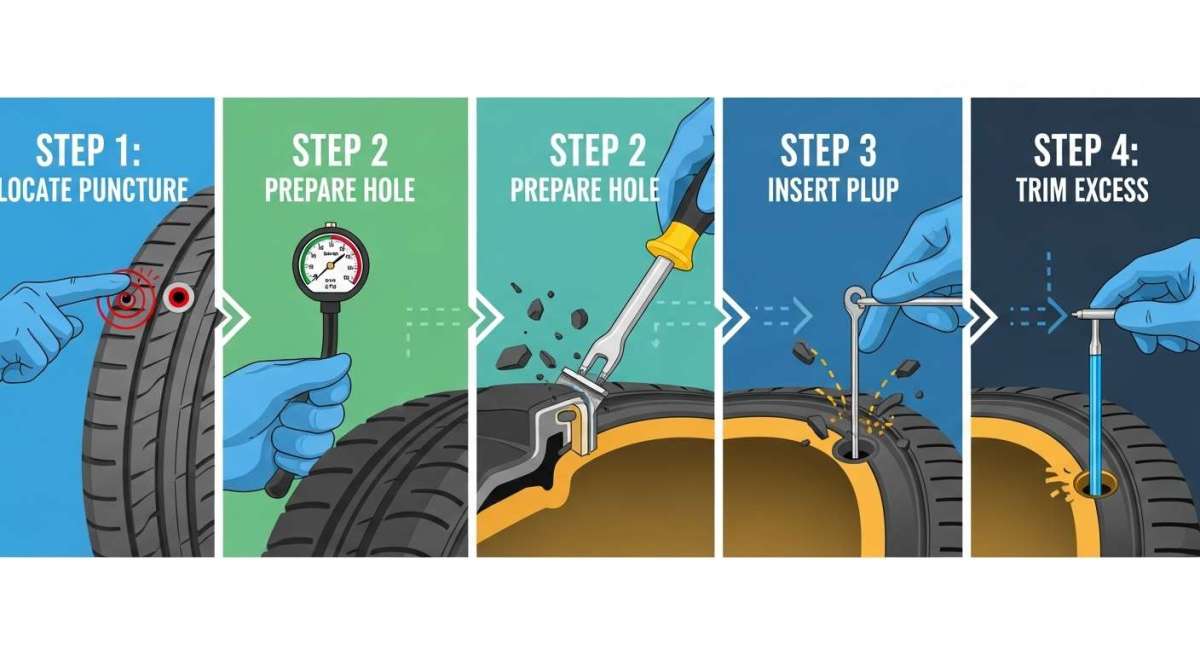
How Do You Plug a Car Tire: Quick and Easy Guide
Ever found yourself stranded with a flat tire and wondered how you could fix it yourself? You’re not alone.
Knowing how to plug a car tire can be a lifesaver, especially when you’re miles away from the nearest auto shop. Imagine the peace of mind you’ll have knowing you can handle this common car issue swiftly, saving both time and money.
Not only does this skill empower you on the road, but it also allows you to stay calm in situations that might otherwise be stressful. You’ll discover the step-by-step process of plugging a tire, ensuring you can keep your journey on track without a hitch. Ready to become a tire-fixing pro? Let’s dive in!

Credit: www.youtube.com
Tools And Materials Needed
To plug a car tire, gather a tire repair kit, a jack, and pliers. Ensure you have a tire gauge and lubricant. These tools and materials help fix the puncture efficiently.
When you’re on the road and encounter a flat tire, knowing how to plug it can save you both time and money. But before diving into the repair, it’s essential to have the right tools and materials at your fingertips. Being prepared not only ensures a smoother process but also boosts your confidence in handling unexpected tire troubles.
Essential Tools
To plug a car tire, you’ll need some essential tools. Start with a tire plug kit. This typically includes a rasp tool, an insertion tool, and a few rubber plugs. Having a tire pressure gauge is crucial. It helps you ensure the tire is inflated to the correct pressure after the repair. A portable air compressor or a foot pump is handy for reinflating the tire. It’s a lifesaver, especially when you’re far from a service station.
Additional Supplies
Beyond the basic tools, a few additional supplies can make the repair process smoother. Work gloves protect your hands from grime and any sharp objects embedded in the tire. Keep a pair of pliers nearby. They are useful for pulling out the offending object, whether it’s a nail, screw, or shard of glass. Having a small piece of chalk can help you mark the puncture site. This ensures you don’t lose track of the spot once you start the repair process. Lastly, consider having a flashlight in your toolkit. A flat tire rarely happens in ideal lighting conditions, and a flashlight ensures you can see what you’re doing, whether it’s day or night.
Now, imagine being stranded on a desolate highway with a flat tire. Wouldn’t it be reassuring to know that you have everything you need to get back on the road quickly? By preparing these tools and materials, you’re not just ready for a tire mishap; you’re ready to tackle it with confidence. Are there any other tools or supplies you think would be handy in such situations? Your feedback could help fellow readers who might face the same dilemma.
Locating The Puncture
Identifying the puncture is crucial for tire repair. Listen for hissing sounds or look for embedded objects. Mark the spot with chalk to ensure accurate plugging.
Locating the puncture in your car tire is the first crucial step before you can fix it. It’s like finding the source of a leak in a boat—essential to keep everything afloat. Think of it as a detective job; you want to pinpoint exactly where the problem lies. Once you’ve found the puncture, you’ll be on your way to getting your tire back in top shape. But how do you go about spotting that elusive hole? Let’s dive into some practical techniques.
Visual Inspection
Start with a simple visual inspection. It’s amazing how much can be discovered just by looking closely. Begin by examining the tire’s surface for anything unusual. Look for nails, screws, or sharp objects embedded in the rubber. These are common culprits behind punctures. Don’t forget to check the sidewalls. These areas can be vulnerable too, especially if you’ve had a close encounter with a curb. If you see any cuts or abrasions, they might be the source of your troubles. Sometimes, the puncture is not immediately visible; you might need to rotate the tire slowly to catch a glimpse of the damage.
Using Soapy Water
If your visual inspection doesn’t reveal anything, soapy water is your next best friend. Mix a little dish soap with water in a spray bottle. Spray this solution generously over the tire, especially around the tread and sidewalls. Watch closely for bubbles. These bubbles will form at the puncture site as air escapes, giving away the location of the leak. It’s a simple yet effective trick. And if you’ve ever had a flat tire on a cold, rainy day, you’ll know how valuable this method can be. Why rely solely on sight when a little chemistry can solve your problem? Isn’t it fascinating how a common household item can help you in a sticky situation? Remember, identifying the puncture is half the battle. Once you know where the issue is, you’re well on your way to fixing it. So, next time your tire feels a bit deflated, don’t panic—grab some soapy water and get to work!
Preparing The Tire
Start by ensuring the car is on a flat surface. Then, locate the puncture by listening for hissing. Clean the area around the hole thoroughly. This prepares the tire for plugging, ensuring a tight seal and safe driving.
Preparing the tire is a crucial step in ensuring a successful tire repair. It involves some straightforward yet essential actions to get the tire ready for plugging. Whether you’re a seasoned mechanic or a first-time DIYer, understanding these steps can make the process smooth and effective. Let’s dive into the details with a focus on removing the tire and cleaning the area.
Removing The Tire
Before you can plug the tire, you need to remove it from the car. This might seem daunting, but it’s straightforward with the right tools. Start by loosening the lug nuts while the tire is still on the ground. Use a wrench to make this job easier. Once loosened, jack up the car and fully remove the lug nuts. Remember to keep them in a safe place so they don’t roll away. With the lug nuts off, gently remove the tire from the hub. If it’s stuck, a little wiggle should do the trick. Set the tire flat on a stable surface, ready for the next step.
Cleaning The Area
Once the tire is off, it’s time to clean the area around the puncture. This ensures that the plug will adhere properly and create a lasting seal. Locate the puncture first. You might need a little water to see where the air bubbles out. Remove any debris or sharp objects from the puncture site using pliers if necessary. It’s essential that the area is clean and smooth. Use a tire cleaning solution or simple soap and water. Scrub the area gently, making sure all dirt and grime are gone. A clean surface can make all the difference in the effectiveness of the tire plug. Have you ever cleaned a tire and found something unexpected? That little discovery might save you from another puncture down the road. By preparing the tire correctly, you’re setting yourself up for a successful repair. Are you ready to move on to the next step?
Plugging The Tire
Fixing a punctured tire involves inserting a rubber plug into the hole. Start by locating and cleaning the puncture site. Use a tire plug kit to insert the plug, ensuring it seals the hole completely.
Plugging a tire is a quick fix for a puncture. It helps you get back on the road fast. This process is simple and requires just a few tools. First, you need a tire plug kit. Then, follow the steps to insert and secure the plug. By doing this, you ensure the tire holds air until a permanent repair is possible.
Inserting The Plug
Start by finding the puncture. Remove any objects causing the damage. Use a tire reamer to clean the hole. This tool makes the hole smooth for the plug. Next, take a plug from the kit. Thread it through the eye of the plug insertion tool. Push the plug into the hole using firm pressure. Leave a bit of the plug sticking out. This helps in securing the plug later.
Securing The Plug
Once the plug is inserted, pull out the tool carefully. The plug should stay in the tire. Trim the excess plug material with a knife. This prevents it from catching on anything. Check the plug’s seal by spraying soapy water on the area. Look for bubbles. If no bubbles form, the plug is secure. Inflate the tire to the correct pressure. This ensures the plug stays in place. Finally, monitor the tire pressure regularly. This helps catch any slow leaks early.
Reinstalling The Tire
Reinstalling a tire is crucial after plugging a hole. Proper steps ensure safety on the road. This guide helps you navigate the process easily.
Mounting The Tire
Begin by aligning the tire with the wheel hub. Lift the tire gently to avoid straining your back. Secure it with the lug nuts, tightening them in a crisscross pattern. This prevents uneven pressure and ensures a snug fit. Use a wrench to make sure the nuts are tight. Check the tire for any wobble or misalignment.
Checking For Leaks
Once the tire is mounted, inspect for leaks. Apply soapy water around the plug area. Look for bubbles which indicate air escaping. If bubbles appear, the plug may need adjustment. Repeat the process until no bubbles are visible. Ensure the tire maintains correct air pressure. A pressure gauge helps confirm this. Regular checks prevent future issues.

Credit: knowhow.napaonline.com
Safety Tips
Plugging a car tire involves inserting a plug into the puncture. Start by removing the object causing the hole. Use a tire plug kit to insert the plug, ensuring it fills the gap securely. After plugging, check tire pressure to confirm it’s safe to drive.
Plugging a car tire isn’t just about getting back on the road quickly; it’s about ensuring your safety and that of others. Safety should be your top priority every step of the way. This guide will walk you through essential safety tips to keep in mind when plugging a tire. Whether it’s your first time or you’re a seasoned pro, these tips are crucial.
Ensuring Proper Inflation
Proper tire inflation is not just a suggestion—it’s a necessity for safe driving. An under-inflated tire can lead to poor fuel efficiency and increased wear. Over-inflation, on the other hand, might cause a blowout. Consider investing in a reliable tire pressure gauge. A quick check before hitting the road can save you from potential accidents. Remember, the correct tire pressure is often listed on a sticker inside the driver’s door, not on the tire itself.
Monitoring Tire Condition
Regularly inspect your tires for any signs of damage or unusual wear. Even a small puncture can lead to bigger problems if left unattended. Look for cracks, bulges, or embedded objects in the tread. If you notice uneven wear, it might be time for a tire rotation or alignment. A simple visual inspection can prevent unwanted surprises on the road. Think about this: When was the last time you really looked at your tires? It could be the difference between a smooth ride and a roadside emergency. By keeping these safety tips in mind, you ensure not only a safer drive but also extend the life of your tires. What other safety measures do you consider essential when it comes to tire care?
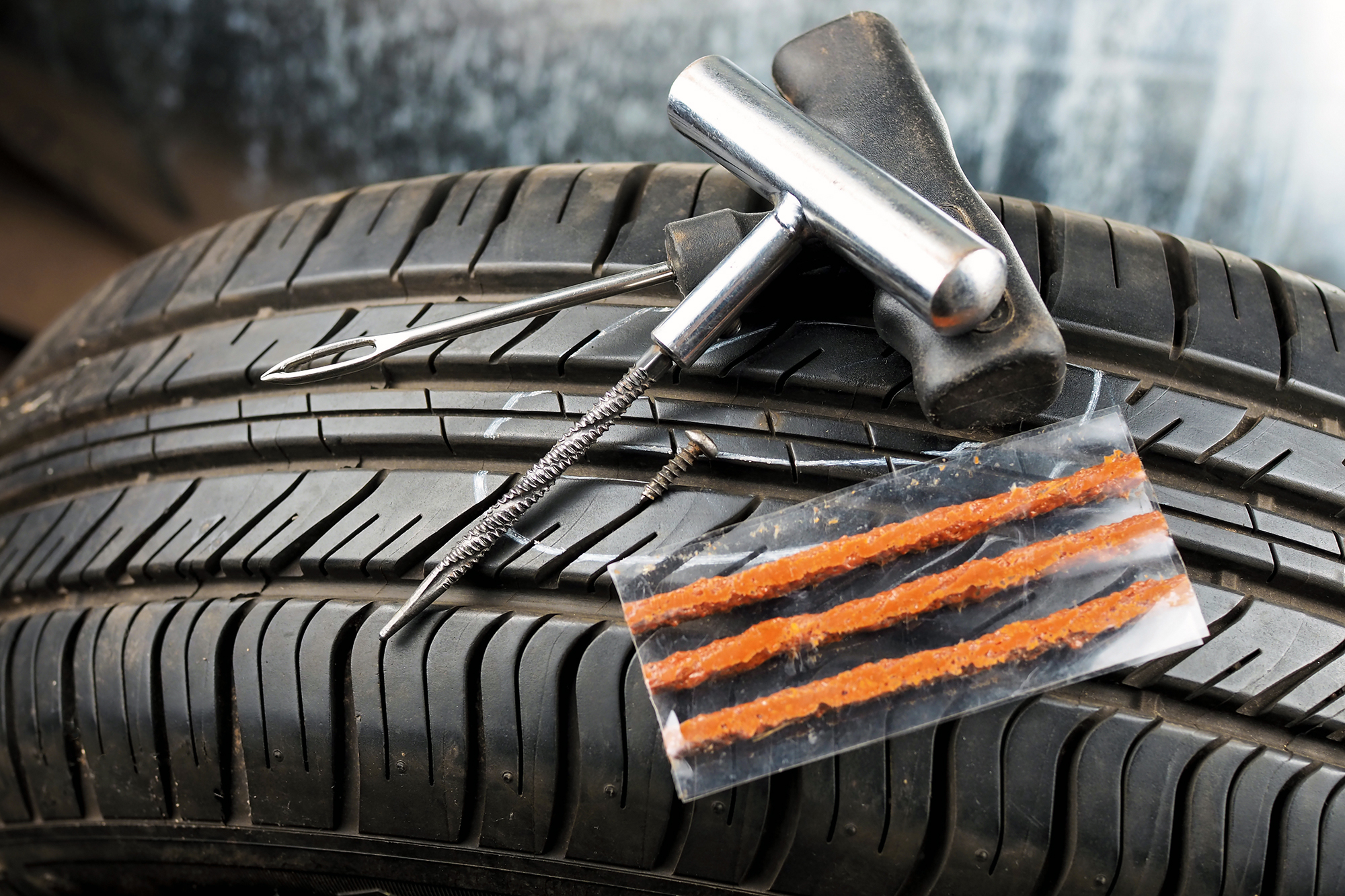
Credit: www.ebay.com
Frequently Asked Questions
How Long Can You Drive On A Tire With A Plug-in It?
You can drive on a plugged tire for around 8,000 miles. It’s a temporary fix, so replace it soon. Regularly check for leaks to ensure safety.
How To Plug A Tire Yourself?
First, locate the puncture and remove any debris. Use a reaming tool to clean and enlarge the hole. Insert a rubber plug using a plugging tool. Trim excess plug and ensure a snug fit. Inflate the tire to recommended pressure and check for leaks.
Is Tire Plugging Illegal?
Tire plugging is generally legal in most places. Check local regulations for specific rules. Proper repairs should follow safety standards. Always consult a professional for tire repairs to ensure safety and compliance.
Is It Better To Plug Or Patch A Tire?
Patching a tire is generally more reliable than plugging. Patches cover a larger area and offer better durability. Plugs are quicker but suited for small punctures. Always consult a professional for the best repair method. Regularly check your tire for safety and performance.
Conclusion
Plugging a car tire is a straightforward task. It saves time and money. First, gather the necessary tools. Then, find the puncture and clean it. Insert the plug with care. Ensure it’s secure and trimmed. Always check the tire’s air pressure afterward.
Drive cautiously to test the repair. This DIY fix can extend your tire’s life. Knowing this skill is handy. It boosts your confidence on the road. Regular tire checks help avoid future issues. Stay prepared and enjoy safe driving.

Automotive Specialist & Expert Writer
Tyler Kingston is a passionate automotive writer with a wealth of knowledge in all things cars. With years of experience in the automotive industry, Tyler specializes in everything from vehicle maintenance to the latest car technologies and innovations. He is known for his ability to break down complex automotive concepts into easily digestible, engaging content for both novice and experienced car enthusiasts. Whether it’s detailing car repair techniques, reviewing new car models, or diving into the world of auto accessories, Tyler’s articles provide valuable insights to readers. His hands-on experience, combined with a genuine love for cars, allows him to deliver expert advice, tips, and news that keeps readers coming back for more.