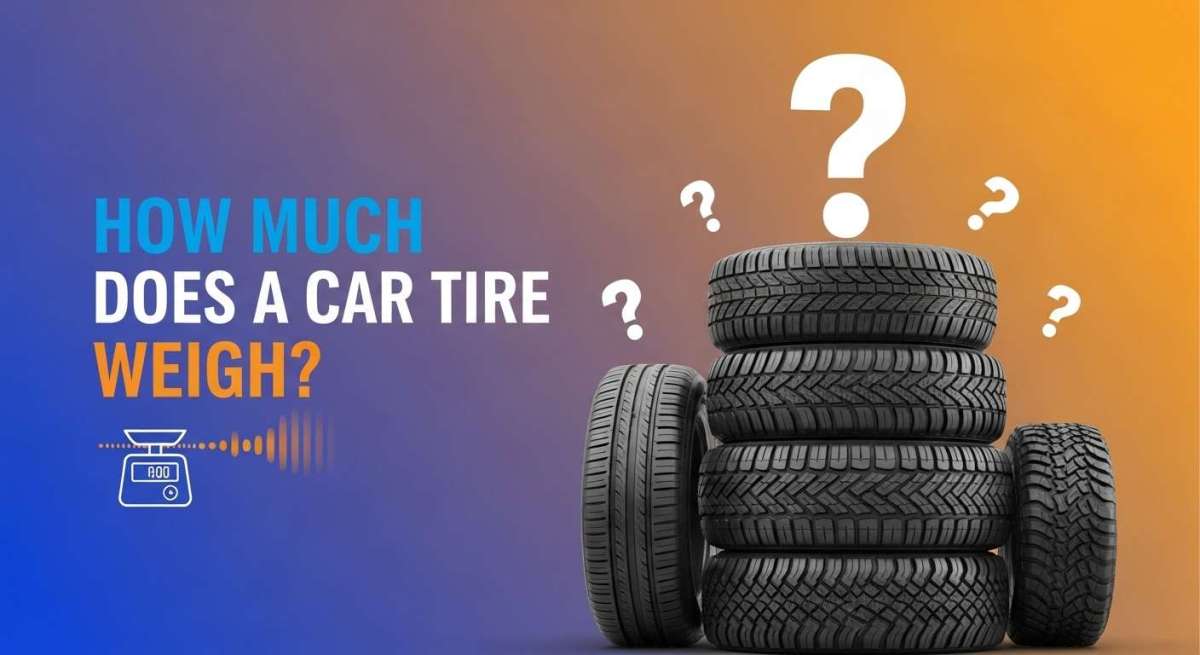
How Much Does a Car Tire Weigh: Discover the Facts
Ever wondered about the weight of a car tire? It might seem like a trivial detail, but understanding how much a car tire weighs can unlock a world of insights into your vehicle’s performance, fuel efficiency, and even safety.
Imagine having the power to make informed decisions about your car’s handling and maintenance just by knowing this one simple fact. Sounds intriguing, right? You might be surprised to learn how much variation there is in tire weights and how this could affect your driving experience.
Whether you’re a car enthusiast, a curious driver, or someone simply looking to replace a tire, discovering the weight of your car tire can be more enlightening than you think. Dive into this article, and you’ll find out not only how much a car tire weighs, but also why it matters to you and your vehicle’s overall performance. Stay with us to unravel these fascinating details.
Credit: www.byways.org
Factors Influencing Tire Weight
Car tire weight varies due to different factors like size, material, and design. Larger tires generally weigh more, while advanced materials can reduce weight. Tread patterns and sidewall thickness also play a role in determining tire weight.
Understanding the weight of a car tire can be surprising. You might think it’s just rubber and air, but there’s more to it. Various factors contribute to how much a tire actually weighs.
1. Tire Size
Tire size is a major factor. Larger tires naturally weigh more because they have more material. If you’ve ever switched from a compact to an SUV, you know the difference is noticeable when lifting them.
2. Construction Material
The materials used in tire construction significantly affect weight. Tires made with heavier compounds or reinforced with steel belts are denser. For instance, performance tires might use lighter materials to enhance speed and agility.
3. Tread Design
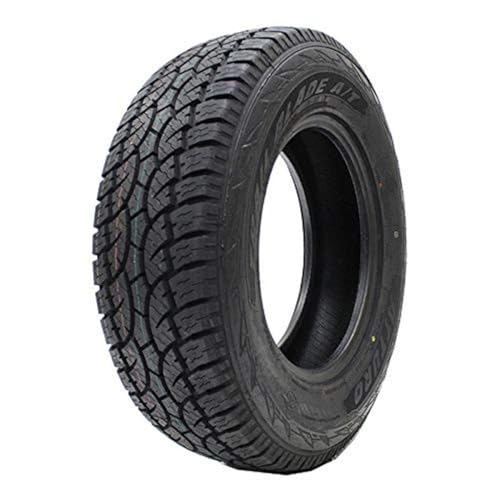
Tread design isn’t just about looks or grip. Intricate tread patterns can add weight due to increased rubber usage. Off-road tires often have deep, aggressive treads which make them heavier.
4. Intended Use
Different tires are built for different purposes. A racing tire is designed for speed and is lighter compared to a durable, all-terrain tire. Consider what you need from a tire; it could mean a trade-off between weight and functionality.
5. Brand And Model
Not all tires from different brands weigh the same, even if they’re the same size. Some brands prioritize lightweight designs for fuel efficiency. Check the specifications; you might find a lighter option that suits your needs.
6. Additional Features
Added features like puncture-resistant layers or noise-reduction technology can increase weight. These features are beneficial but come at the cost of extra grams. Weigh the pros and cons—literally. Have you ever thought about why the weight of a tire matters? It affects your car’s performance, fuel efficiency, and even how easy it is to change a flat. Next time you shop for tires, consider these factors carefully. Understanding them can lead to better choices for your vehicle and driving experience.
Types Of Car Tires
Understanding the types of car tires can help gauge their weight. Each type serves different needs, impacting its size and mass. Knowing the types aids in selecting the right tire for your vehicle and lifestyle. Let’s explore some common types.
Passenger Car Tires
Passenger car tires are designed for everyday driving. They offer a balance between comfort and durability. Their weight varies based on size and material. Typically, they weigh around 20-22 pounds.
Suv And Truck Tires
SUV and truck tires are heavier due to their robust build. They are designed for tougher terrains and larger vehicles. These tires can weigh between 30-50 pounds. Their reinforced structure supports higher loads.
Performance Tires
Performance tires are crafted for speed enthusiasts. They provide better grip and handling. These tires weigh slightly more than passenger tires. Expect them to weigh around 22-30 pounds. Their specialized design enhances driving dynamics.
Material Composition
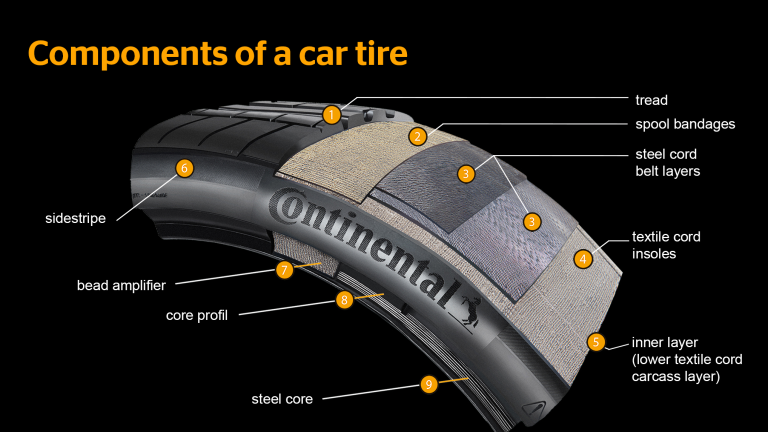
Understanding car tire weight involves knowing its material composition. Tires aren’t just rubber. They are complex structures. Each component adds to the overall weight. These materials ensure durability and performance. Let’s break down the main components.
Rubber Compounds
The outer layer of a tire is made from rubber compounds. These compounds provide grip and traction. Natural and synthetic rubber are used. They balance flexibility and strength. This layer is crucial for safety and performance.
Steel Belts And Reinforcements
Inside the tire, steel belts add strength. These belts are essential for stability. They help maintain the tire’s shape. Steel belts also improve puncture resistance. Reinforcements ensure tires handle road stress. They contribute significantly to tire weight.
Credit: www.mavericktruckclub.com
Tire Size And Dimensions
Tire size and dimensions play a crucial role in determining a tire’s weight. Understanding these factors helps in choosing the right tire for your vehicle. It affects the car’s performance, fuel efficiency, and safety. Let’s explore the elements that influence tire size and dimensions.
Diameter
The diameter of a tire significantly impacts its weight. Larger diameters often mean heavier tires. This measurement is from one side of the tire to the other. It’s measured through the center. Choosing the right diameter is essential for a good fit. It ensures optimal performance and safety.
Width
Width is another key factor in tire weight. Wider tires generally weigh more. They offer better grip and stability on the road. This is the distance across the tire’s tread. It affects how the car handles different driving conditions. Make sure to select the right width for your driving needs.
Aspect Ratio
The aspect ratio of a tire also influences its weight. It is the height of the tire’s sidewall. Expressed as a percentage of the tire’s width. A lower aspect ratio often means a sportier feel. It can result in a heavier tire. Knowing the aspect ratio helps in maintaining balance and comfort.
Weight Comparison
Understanding tire weight is crucial. It affects vehicle performance significantly. Tires range from lightweight to heavyweight. Each type serves different purposes. Their weight impacts handling, fuel efficiency, and ride comfort.
Lightweight Vs. Heavyweight Tires
Lightweight tires typically weigh less. They enhance fuel efficiency. These tires are ideal for daily commuting. They offer smoother rides and better handling. Heavyweight tires weigh more. They provide durability and stability. Suited for off-road adventures. They withstand rough terrains and heavy loads.
Impact On Vehicle Performance
Tire weight affects vehicle dynamics. Lightweight tires improve agility. They reduce rolling resistance. This leads to better gas mileage. Heavyweight tires offer superior traction. They handle tough conditions well. More weight can mean slower acceleration. It impacts fuel consumption negatively.
Importance Of Tire Weight
Tire weight is crucial for vehicle performance and fuel efficiency. Most car tires weigh between 20 to 30 pounds. Understanding tire weight helps in making informed choices for better handling and safety.
The weight of your car tires might not be the first thing on your mind when considering vehicle performance, but it plays a crucial role in various aspects of driving. Tire weight affects everything from how much fuel you use to how stable your car feels on the road. Understanding the importance of tire weight can help you make informed decisions, whether you’re buying new tires or aiming to enhance your car’s performance.
Fuel Efficiency
Have you ever noticed how a fully loaded car consumes more gas? Similarly, heavier tires require more energy to roll, affecting your vehicle’s fuel efficiency. Choosing lighter tires can reduce the load on your engine, saving you money at the pump over time. Consider this: a reduction in tire weight by just a few pounds can lead to noticeable fuel savings. It’s a simple switch that can make your daily commute more economical. Wouldn’t you prefer spending less on fuel and more on your next road trip?
Handling And Stability
Tire weight also impacts how your car handles, especially during turns and quick maneuvers. Lighter tires generally improve your car’s agility, making it more responsive to steering inputs. This can be particularly beneficial during emergency situations where every second counts. On the flip side, heavier tires can enhance stability, especially at high speeds or on rough terrain. Think about those long highway drives or off-road adventures. You want a tire weight that matches your driving style and needs. What’s more important to you: nimble handling or rock-solid stability? The balance between fuel efficiency and handling is a delicate one. Your choice of tire weight can tip the scales in your favor, offering a personalized driving experience. So next time you’re in the market for tires, consider how their weight will affect your daily drive.
Choosing The Right Tire
Understanding the weight of a car tire helps in choosing the right one. Tire weight varies by type and size, usually ranging from 15 to 80 pounds. This information ensures better vehicle performance and fuel efficiency.
Choosing the right tire for your car involves more than just picking the correct size. Weight plays a crucial role in determining how your vehicle performs on the road. It’s not just about how much a tire weighs; it’s about finding the perfect balance between weight and performance to suit your driving needs.
Balancing Weight And Performance
A heavier tire can provide more grip, especially in wet or slippery conditions. However, it can also affect fuel efficiency and handling. Lighter tires, on the other hand, might improve speed and fuel economy but could compromise on durability and traction. Consider the type of driving you do most often. If you frequently drive on highways, you might prioritize lighter tires for better mileage. City driving might benefit from slightly heavier tires that offer more control and stability.
Considerations For Different Vehicles
Different vehicles require different tire weights. A compact car won’t need the same tire weight as an SUV or a truck. The purpose of your vehicle should guide your tire choice, ensuring safety and efficiency. Check your vehicle’s manual for manufacturer recommendations. This ensures you’re not just optimizing performance but also adhering to safety standards. Remember, the wrong tire can lead to unnecessary wear and tear and potentially dangerous driving conditions. Think about your personal experience with tires. Have you ever felt your car wasn’t handling quite right? It might have been a tire weight issue. Share your thoughts, and don’t hesitate to ask questions—your insights could help others make informed decisions.

Credit: www.americanandimportautorepair.com
Frequently Asked Questions
How Much Does A 17 Inch Tire Weigh?
A 17-inch tire typically weighs between 20 to 25 pounds, depending on the tire’s brand and model specifications. Weight can vary with tire type, such as all-season or performance tires. Always check specific product details for precise information.
How Much Does A 20 Inch Car Tire Weigh?
A 20-inch car tire typically weighs between 20 and 30 pounds. Weight varies based on brand and model. For precise weight, check the manufacturer’s specifications.
How Much Do 19 Inch Tires Weigh?
19-inch tires typically weigh between 22 to 30 pounds. Weight varies by brand and tire type, including performance or all-season. Check specifications for exact weight details from manufacturers. Proper tire selection impacts vehicle performance and fuel efficiency.
How Heavy Is A Rubber Tire?
A rubber tire typically weighs between 20 to 100 pounds. The weight varies based on size and type. Car tires are lighter, while truck or tractor tires are heavier. Always check manufacturer specifications for exact weight.
Conclusion
Understanding tire weight helps in choosing the right car tire. Lighter tires can boost fuel efficiency. Heavier ones often offer better grip and stability. Each car model may require a different tire weight. Always check your vehicle’s manual for guidance.
Regular tire maintenance is crucial. This keeps your vehicle safe and efficient. If unsure, consult a professional for advice. Remember, the right tire weight affects your driving experience. Keep safety and performance in mind. Happy driving!

Automotive Specialist & Expert Writer
Tyler Kingston is a passionate automotive writer with a wealth of knowledge in all things cars. With years of experience in the automotive industry, Tyler specializes in everything from vehicle maintenance to the latest car technologies and innovations. He is known for his ability to break down complex automotive concepts into easily digestible, engaging content for both novice and experienced car enthusiasts. Whether it’s detailing car repair techniques, reviewing new car models, or diving into the world of auto accessories, Tyler’s articles provide valuable insights to readers. His hands-on experience, combined with a genuine love for cars, allows him to deliver expert advice, tips, and news that keeps readers coming back for more.