How is Building a Bicycle Similar to Making a Molecule: Unveiling Connections
Have you ever built a bicycle from scratch or assembled one from parts? The process is all about precision, balance, and the satisfaction of seeing something complex come together.
Now, imagine if I told you that building a bicycle isn’t all that different from making a molecule. It might sound surprising, but both processes share intriguing similarities that can spark your curiosity and imagination. Think about it: when you build a bicycle, you meticulously choose each component, ensure they fit perfectly, and strive for a functional outcome.
The same principles apply when scientists construct molecules. They carefully select atoms, arrange them precisely, and aim for a specific chemical reaction or structure. Both tasks require a blend of creativity, knowledge, and a touch of patience. You might wonder why this comparison matters to you. Understanding these parallels not only expands your perspective but can also inspire innovative thinking in your daily life. Whether you’re a science enthusiast, a DIY aficionado, or someone curious about the world around you, this article will unravel the fascinating connection between these two seemingly different worlds. Dive in, and discover how the art of assembly transcends disciplines, merging the tangible with the microscopic.
The Basics Of Bicycles And Molecules
Building a bicycle and making a molecule share core principles. Both need careful planning and precise assembly. Bicycles and molecules consist of smaller parts that form a whole. Understanding their basics helps us see the similarities in their creation.
Components And Elements
A bicycle includes wheels, a frame, and handlebars. Each part has a specific purpose. Similarly, a molecule is made up of atoms. These are the building blocks of matter. Both bicycles and molecules rely on their parts to function properly. The components of a bicycle and the elements in a molecule must be correct. They ensure stability and performance.
Assembly And Bonding
Bicycle assembly requires joining parts securely. Bolts and screws hold them together. Molecules form through chemical bonding. Atoms connect through shared electrons. Both processes need precision and understanding. Improper assembly or bonding can lead to failure. Whether it’s a bicycle breaking or a molecule not holding, the result is the same.
The Role Of Structure In Functionality
Crafting a bicycle mirrors the complexity in forming a molecule. Each piece, whether metal or atom, holds a unique purpose. Proper alignment ensures functionality, enabling movement or chemical reactions effectively.
Understanding the role of structure in functionality can be as enlightening as a morning bike ride. Just as a bicycle’s frame influences its ride, a molecule’s structure dictates how it interacts with other substances. Whether you’re a scientist or a cycling enthusiast, recognizing this connection can deepen your appreciation for both fields.Design And Stability
Building a bicycle isn’t just about slapping parts together. You need a stable frame to ensure a smooth, balanced ride. Each tube and joint must be precisely placed to maintain integrity and withstand pressure. Similarly, in molecules, the arrangement of atoms determines stability. A slight change can transform a stable molecule into a reactive one. Consider how water, with its simple structure, remains stable and essential for life. Have you ever noticed how a wobbly bike feels unsafe? This mirrors how unstable molecules can lead to unpredictable reactions.Impact On Performance
Imagine trying to climb a hill on a bike with a misaligned frame. Frustrating, right? The bike’s performance suffers due to poor structure. In molecules, structure affects how they perform in reactions. A well-structured molecule can speed up a reaction, like a well-oiled chain propelling a bike forward. Think about your bike’s gear system. It’s designed for optimal performance on various terrains. Molecules, too, are tailored for specific functions. This precision ensures they perform effectively, whether in medicine or energy production. How might your choices in structure affect outcomes in your projects? Reflecting on this can offer valuable insights.Understanding the parallels between bicycles and molecules can enhance how you approach challenges. Whether adjusting a bike’s seat or tweaking a molecule’s composition, structure is key to functionality. What changes can you make today to improve your work’s structure?
Tools And Techniques In Construction
Building a bicycle and making a molecule might seem worlds apart. Yet both require specific tools and techniques to come to life. Understanding these tools and techniques can reveal fascinating similarities. Each requires precision, accuracy, and a deep understanding of materials. This section explores how tools and methods in both realms are surprisingly alike.
Tools Of The Trade
When constructing a bicycle, essential tools include wrenches, screwdrivers, and pliers. These tools help assemble parts like gears, chains, and frames. Similarly, in molecular construction, scientists use pipettes, beakers, and microscopes. These tools allow precise manipulation of atoms and molecules. Both fields rely on specialized equipment to achieve their goals.
Precision And Accuracy
Building a bicycle demands careful measurements and alignment. A misaligned wheel can affect speed and safety. The same principle applies in molecular construction. Accurate measurements ensure the correct formation of chemical bonds. Precision is crucial to achieving desired properties in both bicycles and molecules. Every detail matters, whether aligning bike parts or arranging atoms.

Credit: www.blopig.com
Challenges And Problem-solving
Building a bicycle and making a molecule share common challenges. Both require problem-solving skills and creativity. Each step needs careful planning and execution. Overcoming obstacles is a part of the process. Let’s explore the challenges and solutions involved.
Common Obstacles
Both tasks face structural challenges. In bicycles, aligning parts is critical. Misaligned wheels can cause accidents. Molecules require precise atomic connections. Incorrect bonds lead to unstable structures. Time constraints add pressure to both tasks. Deadlines can lead to rushed decisions. Mistakes can occur without proper checks.
Innovative Solutions
Creativity solves many issues. Engineers design flexible bicycle frames. These frames adapt to different terrains. Chemists develop new bonding methods. These methods stabilize complex molecules. Collaboration enhances problem-solving. Sharing ideas leads to better solutions. Diverse teams bring unique perspectives. Combining strengths leads to success.
The Importance Of Balance
Have you ever considered how the delicate art of balance plays a crucial role in both building a bicycle and making a molecule? It’s fascinating to see how two seemingly different activities share a common thread of harmony. Whether you’re adjusting the weight distribution on your bike or ensuring the chemical equilibrium in your molecule, balance is key. Imagine riding a bike that tips over or a molecule that falls apart; neither would work effectively. Let’s dive into the world of balance and see how these tiny adjustments make all the difference.
Weight Distribution
Think about your last bike ride. Did it feel smooth and effortless? The secret often lies in how the weight is distributed across the frame. A well-balanced bike offers a seamless ride. Too much weight on the front can make steering difficult, while excess weight on the back can cause swaying.
Consider adjusting your seat and handlebar height. These simple tweaks can dramatically improve your cycling experience. Have you ever wondered why professional cyclists spend hours perfecting their bike setup? It’s all about achieving that perfect balance.
Chemical Equilibrium
Now, let’s shift our focus to molecules. In chemistry, balance is referred to as chemical equilibrium. It’s like achieving a perfect state where all reactions are stable, and nothing is left hanging. Imagine a molecule where one part is too reactive; it can cause chaos.
Have you tried balancing chemical equations in school? It’s about ensuring that the number of atoms on each side remains equal. This balance is crucial for reactions to occur smoothly. Just like adjusting your bike, small changes in a molecule can lead to significant outcomes.
So, next time you find yourself tweaking your bike or adjusting a chemical formula, remember the importance of balance. How can you apply this concept of balance to other areas of your life?
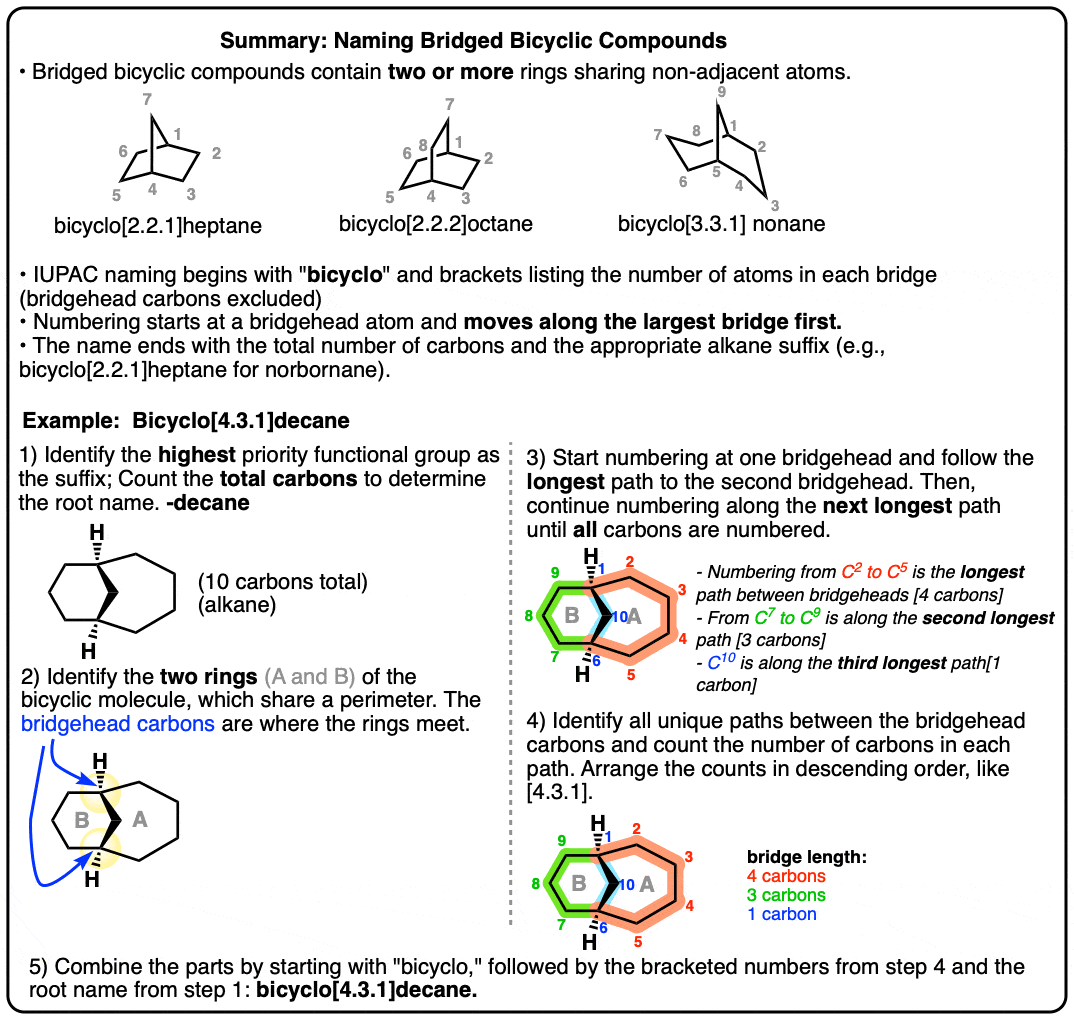
Credit: www.masterorganicchemistry.com
Customization And Variability
Crafting a bicycle and creating a molecule share similarities in customization and variability. Both processes involve selecting components or atoms to achieve desired features and functions. This tailored approach allows for endless possibilities, ensuring unique outcomes every time.
Creating a bicycle and crafting a molecule might seem worlds apart, but they share an intriguing similarity: customization and variability. Just as every bike can be tailored to suit individual preferences, molecules can be designed to perform specific functions. Both processes involve choices that impact the final outcome, and understanding this parallel can offer fresh insights into how we approach customization in our daily lives.Personalization Options
When you build a bicycle, you have a myriad of options. You can choose the frame size, material, color, and even the type of tires. These choices ensure the bike fits your style and needs, whether you’re racing, commuting, or exploring rugged trails. Consider the joy of picking a vibrant color that matches your personality or selecting a comfortable saddle for long rides. Each choice you make adds a layer of personal touch, creating a bike that’s uniquely yours. Have you ever felt that satisfaction when you ride something you built yourself? It’s that feeling of ownership and pride, knowing every part was chosen with purpose.Molecular Diversity
Similarly, when scientists create molecules, they decide on components that define the molecule’s function and structure. They select atoms and arrange them to achieve desired reactions or interactions. Think about the diversity in medicine. Each drug is a molecule tailored to target specific ailments, much like how a bike is built for particular terrains. The right combination of atoms can mean the difference between a life-saving medication and an ineffective one. What if you could handpick atoms like bike parts? The endless possibilities in molecular diversity mirror the choices you make when customizing a bicycle. Both processes require thoughtful decisions. Whether you’re piecing together a two-wheeler or a complex molecule, the power of customization lets you create something that perfectly fits its purpose.Applications And Real-world Impact
Crafting a bicycle and creating a molecule both involve assembling components in precise ways. Each element plays a crucial role in the final structure. This process highlights the importance of careful planning and understanding the function of each part.
Building a bicycle and making a molecule might seem like tasks worlds apart. Yet, both involve thoughtful assembly, precision, and have meaningful applications that touch our lives in surprising ways. Whether you’re pedaling down a scenic route or marveling at the latest medical breakthrough, these creations have real-world impacts that might just change how you view everyday innovations.Everyday Uses
Consider the bicycle, a simple yet powerful tool that revolutionizes daily transport. It saves time, cuts down on pollution, and provides an enjoyable way to stay fit. Have you ever thought about how many short trips could be swapped for a bike ride? Similarly, molecules play a crucial role in everyday products you use. The cleaning agents under your kitchen sink, the aspirin you take for a headache, or even the synthetic fibers in your clothing—all owe their existence to carefully constructed molecules. Next time you reach for these items, remember that they were meticulously crafted, much like a bicycle.Scientific And Industrial Relevance
In science and industry, the impact of bicycles and molecules is profound. Bicycles reduce carbon footprints, making them essential in the fight against climate change. In urban planning, cities are redesigning spaces to accommodate more bikes, promoting healthier, greener living environments. Could your city benefit from more bike lanes and eco-friendly transport options? On the molecular front, advances in chemistry and biology are paving the way for life-saving drugs and innovative materials. Consider the development of new medications that combat diseases or the creation of lightweight materials used in aerospace industries. The meticulous process of molecule-making often leads to groundbreaking technologies that define progress in various fields. Are there areas in your life where these innovations have made a difference? Both bicycles and molecules, when crafted with care and precision, hold the potential to transform our world. They remind us that great things often start with small, deliberate steps. Whether it’s the click of a gear or the bond of an atom, these creations are testaments to human ingenuity and their ripple effects are felt in every corner of our lives.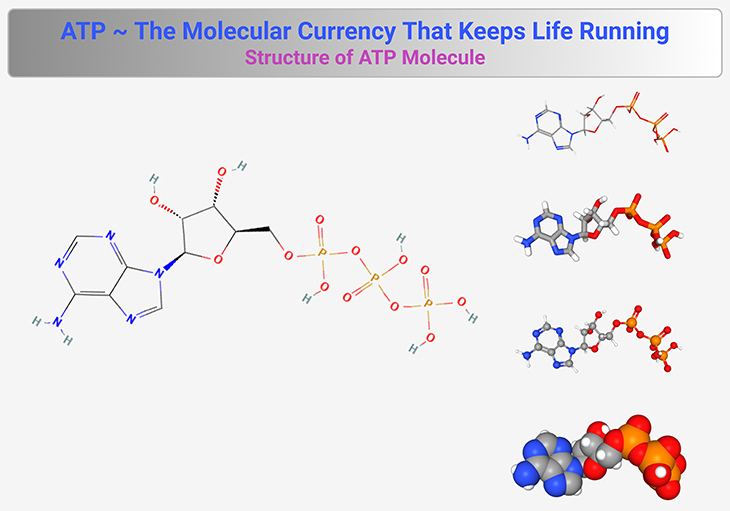
Credit: autism.fratnow.com
Frequently Asked Questions
What Is A Bicycle Molecule?
A bicycle molecule features two connected ring structures, resembling a bicycle frame. It’s crucial in organic chemistry for synthesizing complex compounds. Its unique structure offers stability and functionality in various chemical reactions, making it valuable for scientific research and pharmaceutical development.
How To Develop A Molecule?
Developing a molecule involves identifying a target, designing the molecule, synthesizing it, and testing for efficacy. Collaborate with chemists and biologists to refine the molecule. Conduct preclinical and clinical trials to ensure safety and effectiveness. Follow regulatory guidelines to achieve approval.
How Is A Molecule Formed?
Atoms bond together to form molecules through chemical reactions. Covalent or ionic bonds are common types. Covalent bonds involve sharing electrons, while ionic bonds transfer electrons between atoms. The arrangement of atoms and bonds determines the molecule’s structure and properties.
This process creates the diverse molecules essential for life and chemistry.
What Produces A Molecule?
Atoms bond together to form molecules through chemical reactions. Electrons are shared, transferred, or exchanged between atoms. These bonds create stable structures, resulting in molecules. Molecules are the building blocks of matter, essential for chemical processes in nature and industry.
Conclusion
Building a bicycle and making a molecule share surprising similarities. Both require careful planning and precision. Each step is crucial to the final result. In both tasks, small changes can have big impacts. Attention to detail ensures success. Creativity plays a key role in the process.
Both involve assembling parts into a working whole. This comparison offers insight into how complex systems form. Understanding these parallels can deepen appreciation for both science and engineering. They remind us of the beauty in construction, whether it’s a bike or a molecule.

Ethan Montgomery is the administrator of carweldhub.com and an expert in the automotive industry. With hands-on experience in welding and a deep understanding of automotive parts and accessories, Ethan brings a wealth of practical knowledge to his work. His passion for the automotive field extends to blog writing and editing, where he shares valuable insights and tips with enthusiasts and professionals alike. Whether you’re looking for detailed technical advice or the latest trends in automotive technology, Ethan’s expertise makes him a trusted resource in the automotive community.