Does Spark Plug Gap Matter: Boost Engine Performance Now
Have you ever wondered if the tiny gap in your spark plug really makes a difference? It might seem small, but that gap plays a huge role in how well your engine runs.
If your spark plug gap is off, you could face trouble starting your car, poor fuel efficiency, or even engine misfires. Understanding why this gap matters can save you time, money, and frustration. Keep reading to discover how the right spark plug gap can boost your vehicle’s performance and keep your engine running smoothly.
Spark Plug Gap Basics
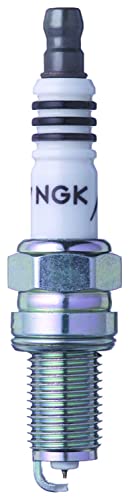
The gap of a spark plug plays a key role in the engine’s performance. It is the small space between the center and ground electrode. This gap impacts how well the spark ignites the air-fuel mix in the cylinder. A correct gap ensures smooth engine starts and efficient fuel use. Understanding the basics of spark plug gaps helps in proper maintenance and tuning of your engine.
What Is Spark Plug Gap
The spark plug gap is the distance between two parts of the plug. One part is the center electrode, and the other is the ground electrode. This distance is very small, usually measured in thousandths of an inch or millimeters. The gap size varies depending on the vehicle and engine type. It is set to create the right spark size for ignition.
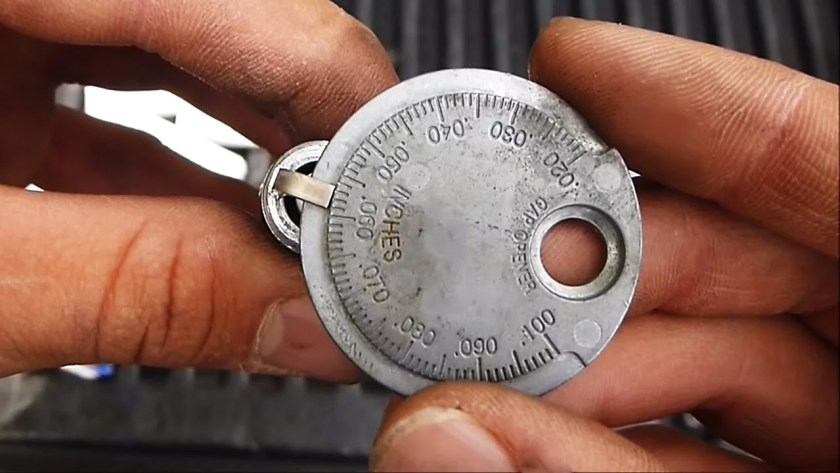
Manufacturers provide recommended gap sizes for each spark plug model. Proper tools like a gap gauge measure and adjust this distance. Too wide or too narrow gaps can cause issues in engine function.
How Gap Affects Ignition
The spark plug gap directly affects the spark strength and ignition timing. A gap that is too small makes a weak spark. This weak spark may not ignite the air-fuel mixture fully. It causes poor engine performance and higher fuel consumption.
A gap too large needs more voltage to jump across. If the voltage is not enough, the spark will misfire or not happen at all. Misfires lead to rough running and increased emissions.
Correct gap size ensures:
- Strong spark to ignite fuel efficiently
- Smooth engine start and idle
- Better fuel economy
- Reduced engine misfires and emissions

Credit: craigscarcare.com
Impact On Engine Performance
The spark plug gap, often overlooked, plays a significant role in your engine’s performance. The gap affects how the air-fuel mixture ignites in the combustion chamber. A small adjustment can have a noticeable impact on your vehicle’s overall efficiency and power.
Fuel Efficiency And Power
The right spark plug gap can enhance fuel efficiency. A properly gapped spark plug ensures a complete burn of the air-fuel mixture, maximizing energy extraction. This means more miles per gallon and fewer trips to the gas station.
On the other hand, an incorrect gap can lead to incomplete combustion. This wastes fuel and decreases engine power. Imagine the disappointment of stepping on the gas pedal and not feeling the expected surge of power.
Have you ever adjusted your spark plug gap and noticed a difference? Many drivers report significant improvements with just a tiny tweak. It’s a simple task that can yield great results in terms of both power and efficiency.
Starting And Idling Issues
An improper spark plug gap can lead to starting problems. If the gap is too wide, the spark may be weak, making the engine struggle to start, especially in cold weather.
Idling issues are also common with the wrong gap. An engine may idle roughly or stall, causing frustration during your daily commute. Ensuring your spark plugs are correctly gapped can lead to smoother idling and more reliable starts.
Have you ever faced starting troubles that left you stranded? Checking the spark plug gap might be a quick fix worth trying before heading to the mechanic. It’s a small adjustment, but it can prevent big headaches.
Finding The Right Gap
Finding the right spark plug gap is crucial for your engine’s performance. Too wide or too narrow a gap can cause misfires, reduce fuel efficiency, and increase emissions. Getting this small detail right ensures your engine runs smoothly and reliably.
Manufacturer Recommendations
Always start by checking the spark plug gap suggested by your vehicle’s manufacturer. This information is usually in the owner’s manual or on a sticker under the hood. Following these guidelines helps you avoid guesswork and keeps your engine running as designed.
Different engines require different gaps based on their design and fuel type. For instance, a high-performance engine might need a wider gap for a stronger spark, while a standard engine uses a narrower one. Ignoring these recommendations can lead to poor engine response or even damage.
Tools To Measure Gap
You need the right tools to measure and adjust the spark plug gap accurately. A feeler gauge is the most common and reliable tool—it consists of thin metal blades of various thicknesses. Slide the blades into the gap until you find the one that fits snugly without forcing it.
Some people use spark plug gap gauges that bend the electrode to adjust the gap. Be gentle when doing this; too much force can damage the plug. Digital gap tools are also available for precise readings but may not be necessary for everyday maintenance.

Credit: medium.com
Adjusting The Spark Plug Gap
Adjusting the spark plug gap ensures the engine runs smoothly. The gap affects the spark’s strength and timing. A proper gap improves fuel efficiency and reduces emissions. Small changes in the gap can make a big difference in performance. Always check the gap before installing new spark plugs.
Step-by-step Gap Adjustment
- Find the recommended gap size in your vehicle manual.
- Use a spark plug gap tool to measure the current gap.
- If the gap is too small, gently widen it with the tool.
- If the gap is too large, carefully close it by tapping the plug.
- Measure the gap again to ensure it matches the recommended size.
- Repeat adjustments until the correct gap is achieved.
- Handle the spark plug carefully to avoid damaging the electrode.
Common Mistakes To Avoid
- Forcing the gap too wide can break the electrode.
- Using the wrong tool may cause inaccurate measurements.
- Not cleaning the spark plug before adjusting can affect results.
- Ignoring the manufacturer’s recommended gap size reduces engine performance.
- Applying too much pressure while adjusting may bend the electrode.
- Skipping the final gap check can lead to poor engine starts.
When To Replace Spark Plugs
Knowing when to replace spark plugs is key to keeping your engine running well. Spark plugs wear out with use and time. Using worn plugs can cause poor engine performance and lower fuel efficiency. Checking and replacing spark plugs at the right time saves money and prevents bigger engine issues.
Signs Of Worn Plugs
Worn spark plugs show clear signs in engine behavior:
- Engine misfires or runs rough
- Hard starting or slow acceleration
- Lower fuel efficiency than usual
- Engine idles unevenly or stalls
- Increased exhaust emissions
These signs suggest plugs no longer spark properly. Ignoring them can lead to bigger problems.
Gap Changes Over Time
Gap between spark plug electrodes changes with use. Heat and wear can widen the gap. A larger gap means a weaker spark. This causes poor combustion and engine issues.
Manufacturers set an ideal gap size. This gap ensures strong, consistent sparks. Check the gap during routine maintenance. Adjust or replace plugs if the gap is too wide or narrow.
Performance Tips Beyond Gap
Adjusting the spark plug gap is important, but it’s just one piece of the performance puzzle. There are other factors that can boost your engine’s efficiency and power. Paying attention to these details helps you get the most out of your vehicle.
Choosing The Right Spark Plug Type
The type of spark plug you choose can impact how your engine runs. Copper plugs heat up quickly, which is great for older engines but they wear out faster. Platinum and iridium plugs last longer and provide a steadier spark, improving fuel efficiency.
Think about your driving style and engine needs. Are you after longevity or peak performance? Matching the spark plug type to your car’s specifications and your driving habits makes a real difference.
Regular Maintenance Practices
Keeping your spark plugs clean and checking them regularly prevents buildup that can cause misfires. You don’t have to wait for your engine to sputter before inspecting them. A quick look during oil changes or tune-ups can save you headaches later.
Also, don’t overlook other engine components like ignition wires and coils. Faulty parts here reduce spark quality and overall performance. Have you checked these lately? Small maintenance steps often lead to noticeable improvements.

Credit: www.youtube.com
Frequently Asked Questions
What Is Spark Plug Gap And Why Does It Matter?
Spark plug gap is the distance between the electrodes. It affects spark strength and combustion efficiency. Correct gap ensures proper ignition, better fuel economy, and engine performance. Too large or small gaps can cause misfires and reduced power.
How Does Incorrect Spark Plug Gap Affect Engine Performance?
Wrong gap causes weak or inconsistent sparks. This leads to poor combustion, misfires, rough idling, and reduced fuel efficiency. It can also increase emissions and damage engine components over time.
Can I Adjust Spark Plug Gap Myself?
Yes, you can adjust the gap using a gap tool. Always check the vehicle’s manual for the recommended gap size. Be careful not to damage the electrodes while adjusting.
How Often Should I Check Or Replace Spark Plug Gap?
Check the gap every time you replace spark plugs. Generally, spark plugs should be replaced every 30,000 to 50,000 miles. Regular checks ensure optimal engine performance and fuel efficiency.
Conclusion
Spark plug gap plays a key role in engine performance. A correct gap helps your engine run smoothly and saves fuel. Too wide or too narrow gaps can cause misfires and reduce power. Checking and setting the right gap keeps your car healthy.
Small adjustments make a big difference. Don’t ignore this simple step in car care. Keep your spark plugs in good shape for better driving. It’s an easy way to avoid engine troubles. Remember, the right gap matters more than you think.

Automotive Specialist & Expert Writer
Tyler Kingston is a passionate automotive writer with a wealth of knowledge in all things cars. With years of experience in the automotive industry, Tyler specializes in everything from vehicle maintenance to the latest car technologies and innovations. He is known for his ability to break down complex automotive concepts into easily digestible, engaging content for both novice and experienced car enthusiasts. Whether it’s detailing car repair techniques, reviewing new car models, or diving into the world of auto accessories, Tyler’s articles provide valuable insights to readers. His hands-on experience, combined with a genuine love for cars, allows him to deliver expert advice, tips, and news that keeps readers coming back for more.