How to Fix Green Key Light on Honda Civic: Quick Solutions
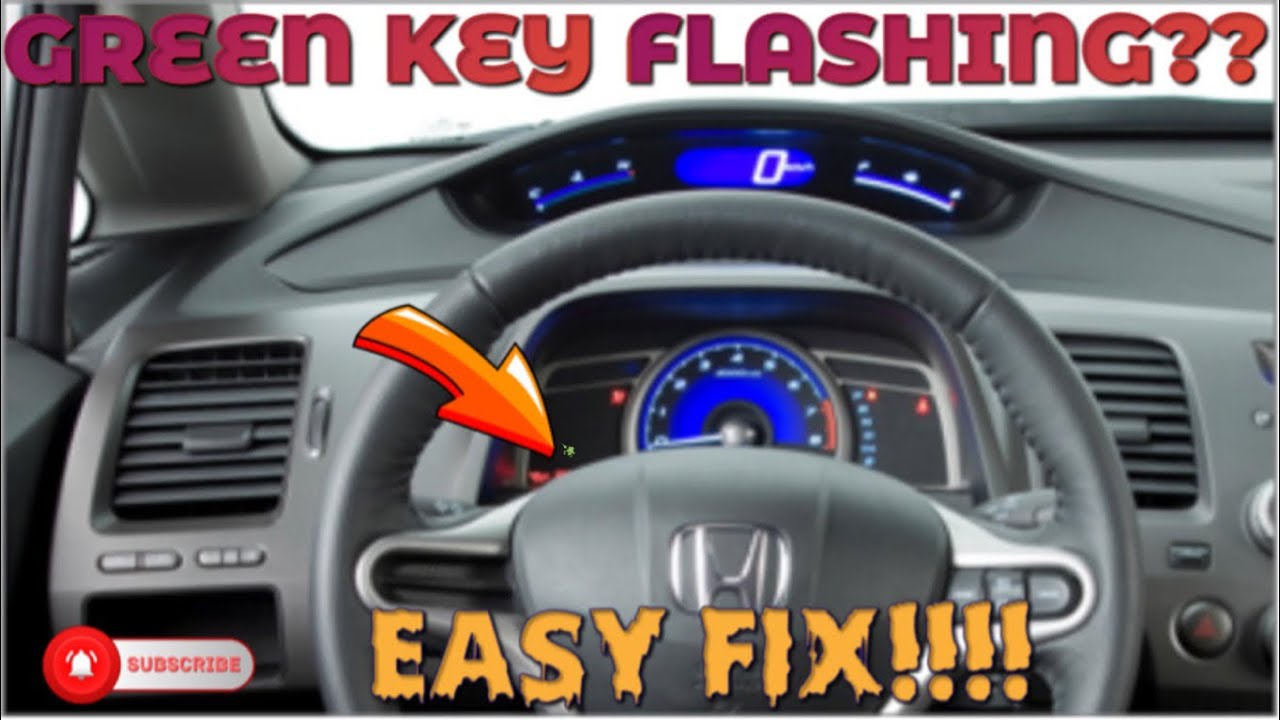
The green key light on your Honda Civic’s dashboard can be both mysterious and worrisome. You’ve probably noticed it flickering on, and you’re wondering what it means and how to fix it.
This little indicator could be hinting at something important, and ignoring it might lead to bigger headaches down the road. Imagine the peace of mind you’ll have once you understand what this light is telling you and how to address it.
In this guide, you’ll discover the simple steps to diagnose and resolve the green key light issue, ensuring your Civic runs smoothly and reliably. Dive in to learn how to keep your beloved car in top shape and avoid unnecessary stress.

Credit: www.reddit.com
Common Causes Of Green Key Light
Experiencing a green key light on your Honda Civic can be confusing. This light usually indicates an issue with the car’s security system. Understanding the common causes can help you address the problem effectively. Let’s explore some frequent reasons behind this warning signal.
Battery Issues
The car battery might be weak or dead. A low battery can disrupt the signal between the key fob and ignition system. Ensure the battery connections are tight and clean. Check the battery voltage with a multimeter. Replace it if the voltage is too low.
Key Fob Malfunctions
The key fob might not be communicating properly. The battery inside the key fob could be dead. Replace the battery with a fresh one. Sometimes, the key fob may need reprogramming. Follow your car manual’s instructions for reprogramming.
Ignition System Problems
The ignition system might be experiencing faults. Issues with the ignition switch can cause the green light to appear. Inspect the ignition switch for any visible damage. Seek professional help if the ignition system needs repair.
Credit: www.youtube.com
Checking The Key Fob
Experiencing a green key light on your Honda Civic can be frustrating. Often, the issue lies with the key fob. This small device communicates with your car. Ensuring it functions properly is crucial. Let’s explore simple steps to check the key fob.
Inspecting For Physical Damage
Start by examining the key fob. Look for any visible cracks or breaks. This can affect its performance. Press the buttons gently to test their responsiveness. A damaged button may not send signals properly. If the casing is worn out, consider a replacement. Ensure the key fob is free from dust and dirt.
Replacing The Battery
A weak battery can cause the green key light issue. Open the key fob carefully. Use a small screwdriver if needed. Remove the old battery gently. Check the battery type and replace it with a fresh one. Ensure the new battery is seated correctly. This simple fix can often resolve the problem.
Reprogramming The Key Fob
If the light persists, the key fob might need reprogramming. Turn the ignition switch to the “on” position. Press the lock button on the fob for a few seconds. This allows the fob to sync with the car’s system. Repeat if necessary. Follow the manual for specific instructions.
Examining The Car Battery
Check the car battery to fix the green key light on a Honda Civic. A weak battery can trigger this issue. Ensure connections are clean and secure for optimal function.
When the green key light on your Honda Civic starts flashing, it can be a cause for concern. One of the primary suspects could be your car’s battery. Examining the battery is a practical first step to troubleshoot this issue. A weak or failing battery might not provide enough power to your car’s systems, triggering warning lights. Let’s delve into how you can check if your battery is the culprit and what steps you can take to address it.Testing Battery Voltage
Start by testing the battery voltage. A multimeter can be your best friend here. Set it to measure DC voltage and connect the probes to the battery terminals—red to positive and black to negative. A healthy car battery should read around 12.6 volts when the car is off. If the reading is significantly lower, it might not be holding a charge effectively. Imagine waking up and not having your morning coffee—it’s just not going to work right.Cleaning Battery Terminals
Corrosion on battery terminals can lead to poor connections. This can cause voltage drops and trigger the green key light. Check your battery terminals for any buildup of white or blue powdery substance. If you find any, disconnect the battery (negative terminal first) and clean the terminals. Use a mixture of baking soda and water with a brush to scrub the corrosion away. Reconnect the terminals securely—your battery needs a strong hug to function properly.Considering Battery Replacement
If cleaning doesn’t help and the battery voltage is still low, it might be time to consider a replacement. Car batteries generally last three to five years, depending on usage and climate. Think back to when you last replaced it. If you can’t remember, it’s probably overdue. A new battery could be the key to solving your green key light problem and improving overall performance. Wouldn’t it be great to drive without the constant worry of a failing battery? By examining your car battery through these steps, you can ensure that you’re addressing one of the most common issues linked to the green key light. Your Honda Civic deserves the best care, and a well-maintained battery is a significant part of that care.
Credit: www.reddit.com
Inspecting The Ignition System
Dealing with a green key light on your Honda Civic can be puzzling. This light often signals issues with the ignition system. Understanding how to inspect the ignition system can help you find the root of the problem. By taking a closer look at key components, you can save time and possibly money.
Checking The Ignition Switch
The ignition switch is crucial for starting your car. Ensure the switch turns smoothly. Any stiffness may indicate wear or damage. Check for loose connections. A faulty ignition switch can trigger the green key light. Sometimes, a simple tightening might solve the issue.
Inspecting The Immobilizer System
The immobilizer system prevents theft by disabling the engine. If there’s a problem, the green key light might appear. Verify the key fob is functioning well. Weak batteries in the key fob can disrupt the signal. Ensure the key is clean and undamaged. Dirt or scratches might affect its performance.
Seeking Professional Help
Sometimes, complex issues need expert attention. If you’re unsure or the problem persists, consult a professional mechanic. They have tools to diagnose deeper issues. A professional can offer solutions that you might overlook. Seeking help can ensure your car is safe and reliable.
Resetting The Car’s Electrical System
Facing a green key light on your Honda Civic can be frustrating. This light often signals an issue with the car’s electrical system. Sometimes, a reset can solve the problem. Resetting the electrical system is a straightforward process. It involves disconnecting the battery and performing a hard reset. Allowing the system to reboot is essential. Let’s explore these steps in detail.
Disconnecting The Battery
Start by locating the car battery. It’s usually under the hood. Use a wrench to loosen the negative terminal. Remove the cable completely. This disconnects the battery from the car’s electrical system. Wait for about 15 minutes. This pause lets residual electricity drain out.
Performing A Hard Reset
After disconnecting the battery, it’s time for a hard reset. Reconnect the negative cable to the terminal. Tighten it securely. This re-establishes the electrical connection. The hard reset helps clear temporary glitches. It allows the car to start fresh.
Allowing System Reboot
Once the battery is reconnected, restart the car. Turn the ignition to the ‘on’ position. Wait for a few minutes. This waiting period is crucial. It lets the car’s system reboot fully. Observe the dashboard closely. Ensure the green key light is off.
Preventive Measures
A glowing green key light on your Honda Civic may indicate issues with the immobilizer system. Regularly check your car key and ignition switch for dirt or damage. Cleaning or replacing the key might solve the problem, ensuring your vehicle starts smoothly without interruptions.
When the green key light flashes on your Honda Civic, it can be a bit alarming. But don’t worry, there are simple preventive measures you can take to keep this issue at bay. By maintaining your key fob, checking your battery regularly, and monitoring dashboard alerts, you can prevent unexpected car troubles. Let’s dive into the specifics.Regular Key Fob Maintenance
Your key fob is more than just a remote; it’s a crucial link to your car’s security system. Regular cleaning can prevent dirt buildup that might interfere with its signal. Wipe it down gently with a microfiber cloth every few weeks. Consider the buttons. Over time, they might stick or become less responsive. If that happens, it’s time to open the fob and clean the insides carefully. This simple habit can save you from the frustration of a malfunctioning key fob.Routine Battery Checks
A weak battery is a common culprit for the green key light issue. Have you checked your car battery recently? A quick test can prevent many headaches. Make it a habit to inspect the battery terminals for corrosion. If you notice any, clean them with a mixture of baking soda and water. A well-maintained battery ensures your vehicle’s electronics function smoothly. Replace your battery every few years, or sooner if you notice dimming headlights or slow engine cranks. These are subtle signs indicating it’s time for a new one.Monitoring Dashboard Alerts
Your dashboard is your car’s way of communicating with you. Pay close attention to any warning lights that appear. They can give you clues about potential issues before they become serious. Have you ever ignored a dashboard alert, thinking it wasn’t urgent? It’s a common mistake that can lead to bigger problems down the line. Make it a rule to investigate any alerts promptly. Your car’s manual can be a great friend here. It explains what each light means and what actions you need to take. By staying informed, you can address issues quickly and keep your Honda Civic running smoothly. By following these preventive measures, you can keep your Honda Civic in top shape and avoid the dreaded green key light from appearing unexpectedly. What other small steps can you take today to ensure your car’s longevity?Frequently Asked Questions
What Does The Green Key Light Mean On A Honda Civic?
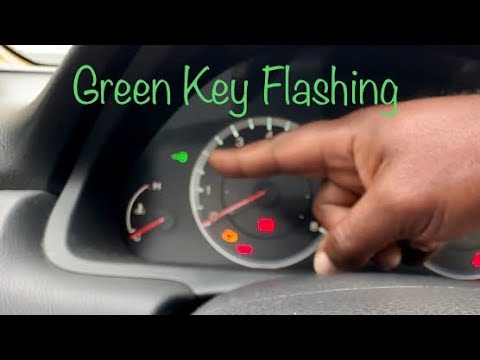
The green key light on a Honda Civic indicates the immobilizer system is active. It means the key is recognized, allowing the engine to start. If the light blinks, there might be a key recognition issue.
How Do I Reset My Honda Civic Immobilizer?
To reset your Honda Civic immobilizer, insert the ignition key and turn it to the “On” position. Wait for the immobilizer light to turn off, then start the engine. If issues persist, consult your owner’s manual or contact a Honda dealer for assistance.
How To Fix Green Key Light On Honda Accord 2013?
Check the battery in your key fob; replace it if needed. Ensure the key is properly programmed. If issues persist, consult your owner’s manual or contact a Honda dealership for professional assistance.
Why Is The Key Blinking Green On My Honda Dashboard?
The blinking green key light on your Honda dashboard indicates the immobilizer system is active. It confirms that the key is recognized and the vehicle is secure. If the light stays on, it could signal an issue with the key or ignition system.
Consider consulting your owner’s manual or a professional.
Conclusion
Solving the green key light issue can seem tough. But with patience, it’s manageable. Start by checking your Honda Civic’s battery and key fob. These often cause the problem. A quick fix could be just a battery change. If the issue persists, consult a professional.
They can ensure your car runs smoothly. Always address car warnings promptly. It prevents bigger problems later. Keep your Honda Civic in top shape. Regular checks help avoid surprises. Stay informed and enjoy a worry-free drive.

Ethan Montgomery is the administrator of carweldhub.com and an expert in the automotive industry. With hands-on experience in welding and a deep understanding of automotive parts and accessories, Ethan brings a wealth of practical knowledge to his work. His passion for the automotive field extends to blog writing and editing, where he shares valuable insights and tips with enthusiasts and professionals alike. Whether you’re looking for detailed technical advice or the latest trends in automotive technology, Ethan’s expertise makes him a trusted resource in the automotive community.