Is It Illegal to Tint Your Headlights: Find Out Now!
When you think about customizing your car, tinting your headlights might be on your list. It adds a sleek look and can make your vehicle stand out.
But before you head to the nearest auto shop, there’s a burning question you need to answer: Is it illegal to tint your headlights? The legality of headlight tinting can be a gray area, often clouded with myths and misconceptions.
If you’ve ever found yourself wondering about the rules and regulations surrounding this popular modification, you’re not alone. This is more than just a matter of aesthetics; it’s about ensuring your safety and staying on the right side of the law. In this blog post, we’ll uncover the facts and give you the clarity you need. Stick with us, and by the end, you’ll know exactly where you stand. Are you ready to discover the truth?
Legal Regulations On Headlight Tinting
Legal regulations on headlight tinting are crucial for ensuring your vehicle remains compliant and safe on the road. As you consider tinting your headlights, it’s essential to understand the laws that govern this modification. Knowing the rules helps you avoid fines and ensures you’re not compromising your safety or that of others.
Federal Laws And Standards
Federal regulations in the United States, such as those set by the Department of Transportation (DOT), dictate specific standards for vehicle lighting. These standards ensure that headlights emit enough light to illuminate the road adequately while also being visible to other drivers. Tinting your headlights can potentially violate these standards if it diminishes the light output below the DOT’s requirements.
Consider the risks involved if you don’t comply with these federal guidelines. You might not only face fines, but you could also be held liable in case of an accident due to impaired visibility. Isn’t it better to enjoy peace of mind knowing your vehicle adheres to safety standards?
State-specific Rules
Each state has its own set of rules regarding headlight tinting, which can vary widely. Some states allow a specific percentage of tint, while others prohibit it altogether. For instance, California has stricter regulations compared to states like Florida, where the rules may be more lenient.
If you’ve ever taken a road trip across state lines, you know how laws can change from one border to the next. Make sure to check your state’s Department of Motor Vehicles (DMV) website or contact them directly for the most accurate information. Isn’t it worth the effort to avoid unnecessary penalties?
Understanding the legal landscape surrounding headlight tinting is not just about avoiding fines. It’s about ensuring your safety and the safety of others on the road. Before making modifications, ask yourself: Is the aesthetic upgrade worth the potential risks?

Credit: www.youtube.com
Reasons For Headlight Tinting
Headlight tinting has gained popularity for several reasons. Car enthusiasts often seek ways to enhance their vehicle’s appearance. Others focus on practical benefits that tinting provides. Exploring these motivations sheds light on this trend.
Aesthetic Enhancements
Many drivers tint headlights to boost visual appeal. It offers a sleek, modern look that stands out. Tinting can complement the car’s overall design. It provides a unique touch that attracts attention. Enthusiasts love personalizing their vehicles this way. The right tint creates a custom feel. This is a powerful reason for many.
Protection Against Damage
Tinting serves a protective function too. It shields headlights from minor scratches and debris. This extends their lifespan and maintains clarity. Tinted film can prevent fading caused by UV rays. Clear headlights ensure safer nighttime driving. Protection is crucial for maintaining performance. It offers peace of mind for drivers.
Safety Concerns
Tinting headlights might raise safety concerns and legal issues. Many regions have strict rules for vehicle light modifications. Always check local laws to avoid fines and ensure road safety.
Tinting your headlights might seem like a cool way to customize your vehicle, but it raises several safety concerns. While aesthetics are important, your primary focus should be on the safety of you and others on the road. Understanding these concerns can help you make informed decisions about modifying your vehicle.Impact On Visibility
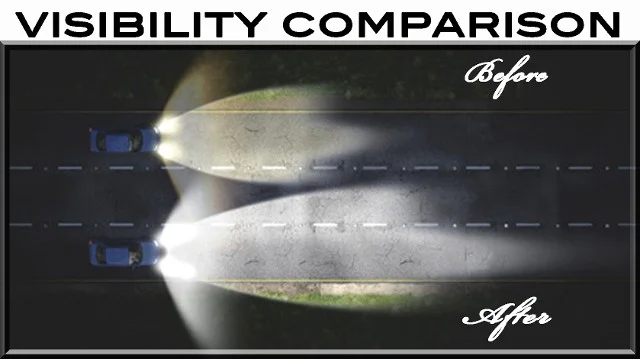
Tinting your headlights can significantly reduce the light output. This can impair your ability to see the road clearly at night or in poor weather conditions. Ask yourself: is the sleek look worth risking your ability to spot a pedestrian or an unexpected obstacle in the dark? During a night drive, you might notice how crucial every beam of light is for spotting road signs and potential hazards. Reduced visibility can lead to delayed reactions, increasing the risk of accidents. Consider whether style should override safety when it comes to your headlights.Potential Hazards
Tinted headlights might also affect how well other drivers can see you. Dimmed lights can make it harder for oncoming traffic to judge the distance and speed of your vehicle. This can be particularly dangerous in conditions like fog or heavy rain when visibility is already compromised. Imagine driving on a foggy day when visibility is severely limited. If your headlights are too dim, another driver might not notice you until it’s too late. Are you prepared to take that risk for a bit of extra style? Tinting your headlights isn’t just about personal preference; it’s about ensuring safety on the road. While customization is tempting, weigh the potential hazards and impact on visibility against the aesthetic gains. Would you rather have a stylish car or peace of mind knowing you’ve prioritized safety?.png)
Credit: www.powerbulbs.com
Consequences Of Illegal Tinting
Tinting headlights can lead to legal issues and safety hazards. Reduced visibility might cause accidents and traffic violations. Understanding local laws on headlight tinting is crucial to avoid penalties.
Tinting your headlights might seem like a cool upgrade to your car, but it can lead to serious consequences. These consequences can affect your wallet and even your safety on the road. Before you decide to tint your headlights, it’s crucial to understand what you might be getting into.Fines And Penalties
Illegal tinting of headlights can result in hefty fines. Laws vary by state, but many impose fines as high as $200 for the first offense. Repeat offenders can face even harsher penalties. You might find yourself facing unexpected costs when you least expect it. Imagine being pulled over on your way to an important meeting or during a road trip. This can turn a fun experience into a costly mistake.Insurance Implications
Illegal modifications to your car, like headlight tinting, can impact your insurance coverage. Insurance companies may refuse to cover damages if your car does not meet legal standards. This means you could be left with significant repair bills after an accident. Consider the risk before taking the leap. If your headlights are tinted illegally, could it affect your policy? Your insurer might even increase your premiums or drop your coverage entirely. Have you ever considered how modifications could affect your car’s resale value? Illegal tinting might also reduce your car’s appeal to potential buyers. In this light, what might seem like a minor tweak can have major repercussions. Are you prepared to handle these consequences?Alternatives To Headlight Tinting
Exploring alternatives to headlight tinting can keep your car stylish and legal. Consider using clear protective films or covers designed to enhance durability and appearance without altering brightness. These options help maintain compliance with regulations and ensure safe driving conditions.
Tinting your headlights might give your car a sleek look, but it can also bring legal troubles depending on where you live. If you’re keen on enhancing the appearance or performance of your headlights without breaking any laws, consider these alternatives. They not only keep you on the right side of the law but also offer practical benefits.Using Protective Films
Protective films are a fantastic alternative to headlight tinting. These films come in various shades and can protect your headlights from scratches, UV rays, and debris. Last year, I switched to a light smoke protective film, and my headlights look great without compromising visibility. They were easy to apply and haven’t faded over time, saving me from constant maintenance. You can choose from a clear film if you’re only interested in protection, or opt for a slightly tinted version for a subtle style upgrade. Check local regulations, as some areas may have restrictions on film darkness, ensuring you stay compliant.Upgrading To Custom Headlights
Custom headlights can be a game-changer if you’re looking for a significant upgrade. These headlights often come with built-in features like LED or HID technology, offering better illumination and energy efficiency. Consider the time I invested in custom LED headlights. The improved brightness made night driving safer, and the stylish design turned heads on the road. Upgrading to custom headlights can be more costly upfront than films, but the long-term benefits often justify the expense. Plus, they come in various styles and colors, allowing you to personalize your vehicle’s appearance while adhering to legal standards. Choosing the right alternative to headlight tinting can enhance your car’s look and performance. Which option suits your needs and style? Dive into the possibilities, and give your ride the upgrade it deserves!
Credit: www.autozone.com
Expert Opinions
Experts debate whether tinting headlights is illegal. Laws vary by location, often requiring specific visibility standards. Check local regulations before making modifications.
When you’re considering tinting your headlights, understanding the legal landscape can be confusing. Expert opinions provide valuable insights into whether this modification is a wise choice. Let’s dive into what professionals in the automotive industry and safety advocates have to say.Views From Automotive Professionals
Automotive professionals often highlight the importance of maintaining optimal visibility. They stress that factory-installed headlights are designed to meet specific safety standards. Modifying them with tints can sometimes interfere with this balance. Some mechanics share stories of clients who faced issues after applying tints. These could range from reduced visibility during night driving to failing vehicle inspections. It’s crucial to consider whether the aesthetic upgrade is worth the potential drawbacks. Professionals also point out that certain tints might void your car’s warranty. Always check with your car manufacturer before making any changes to the headlights.Safety Advocates’ Perspectives
Safety advocates typically prioritize the visibility and safety of all road users. They argue that tinted headlights can significantly reduce the effectiveness of your car’s lighting system. This might not only endanger you but also other drivers and pedestrians. They often question if the aesthetic appeal outweighs the potential safety risks. Would you compromise your safety for style? This is a critical point they urge drivers to consider. Many safety experts also recommend understanding local laws before making modifications. In some places, tinted headlights are outright illegal, and you might face fines or penalties. Listening to these expert opinions can guide your decision on whether or not to tint your headlights. Always weigh the pros and cons before making changes that could affect your safety and legal standing.Frequently Asked Questions
Can I Put Tint On My Headlights?
Tinting headlights is often illegal due to safety concerns. Check local laws before tinting. Ensure visibility isn’t compromised. Proper installation and quality materials matter. Consider professional services for safe results.
What States Are Smoked Headlights Illegal In?
Smoked headlights are illegal in California, Florida, Texas, and New York. Laws may vary by state and local regulations. Always check local traffic laws before modifying headlights to ensure compliance and safety.
Is It Legal To Tint Your Headlights In Texas?
Tinting headlights in Texas is illegal. The law requires headlights to emit white or amber light only. Non-compliance can lead to fines or penalties. Ensure your vehicle meets state regulations to avoid issues. Always check local laws for updates or changes.
Is It Illegal To Change The Color Of Your Headlights?
Changing headlight colors can be illegal, depending on local laws. Most places require white or amber front lights. Always check your local regulations before modifying headlights.
Conclusion
Navigating headlight tint laws can be tricky. Each state has different rules. Some allow tinting, while others don’t. Safety remains a top priority. Visibility can decrease with tinted headlights. It’s wise to check local laws before tinting. A quick call or online search can help.
Legal issues can be avoided with proper research. Always prioritize safety and legality. Ensuring you meet regulations saves trouble. Stay informed and drive confidently. Following the law ensures peace of mind. Keep your headlights clear and bright. Your safety and others’ depend on it.

Automotive Specialist & Expert Mechanic
Noah Brooks is a skilled automotive expert with a passion for both the technical and creative aspects of the automotive world. With years of experience in repairing, restoring, and enhancing vehicles, Noah is known for his deep knowledge of car mechanics, parts, and accessories. His expertise extends to welding, troubleshooting, and offering advice on the latest car technologies and trends. Whether it’s diagnosing complex issues or guiding readers through DIY car repairs, Noah’s blog posts are filled with hands-on insights that appeal to both novice and experienced car enthusiasts. When he’s not writing, Noah is working on his own car projects, continually learning and sharing his automotive passion with the world.