What Temp Does #2 Diesel Fuel Gel? Discover the Facts
Imagine this: you wake up to a frigid morning, ready to hit the road, only to find that your vehicle won’t start. It’s not the battery or the engine; it’s your diesel fuel.
If you rely on diesel, understanding when 2 diesel fuel gels is crucial, especially during those icy winter months. You might be wondering, at what temperature does this happen? Discovering this can save you from unexpected delays and costly repairs.
Don’t let the cold catch you off guard. You’ll learn the precise temperature at which 2 diesel fuel begins to gel, how to prevent it, and what steps to take if it happens to you. Get ready to fuel your knowledge and ensure your vehicle runs smoothly, even when the mercury drops. Keep reading to arm yourself with essential insights that could make all the difference.
Credit: blog.drive4ats.com
Diesel Fuel Basics
2 diesel fuel begins to gel around 17°F (-8°C), causing issues in cold weather. At this temperature, paraffin wax in the fuel solidifies, leading to clogged filters and engine problems. Ensure proper winterization techniques to prevent gelling and maintain engine performance.
Understanding diesel fuel is crucial, especially as temperatures drop and the risk of fuel gelling increases. Diesel engines rely on fuel that remains liquid, even in cold conditions. This section explores the basics of 2 diesel fuel, its composition, and how it compares to other types of diesel.Composition Of 2 Diesel
2 diesel fuel is the most common type of diesel used in vehicles. It consists primarily of hydrocarbons, which are compounds made up of hydrogen and carbon atoms. This composition allows it to perform efficiently, providing the energy required to power diesel engines. Additives are often included in 2 diesel to enhance its performance. These can help reduce emissions and improve engine longevity. However, the core composition remains focused on providing a balance between performance and cost.Differences From Other Diesel Fuels
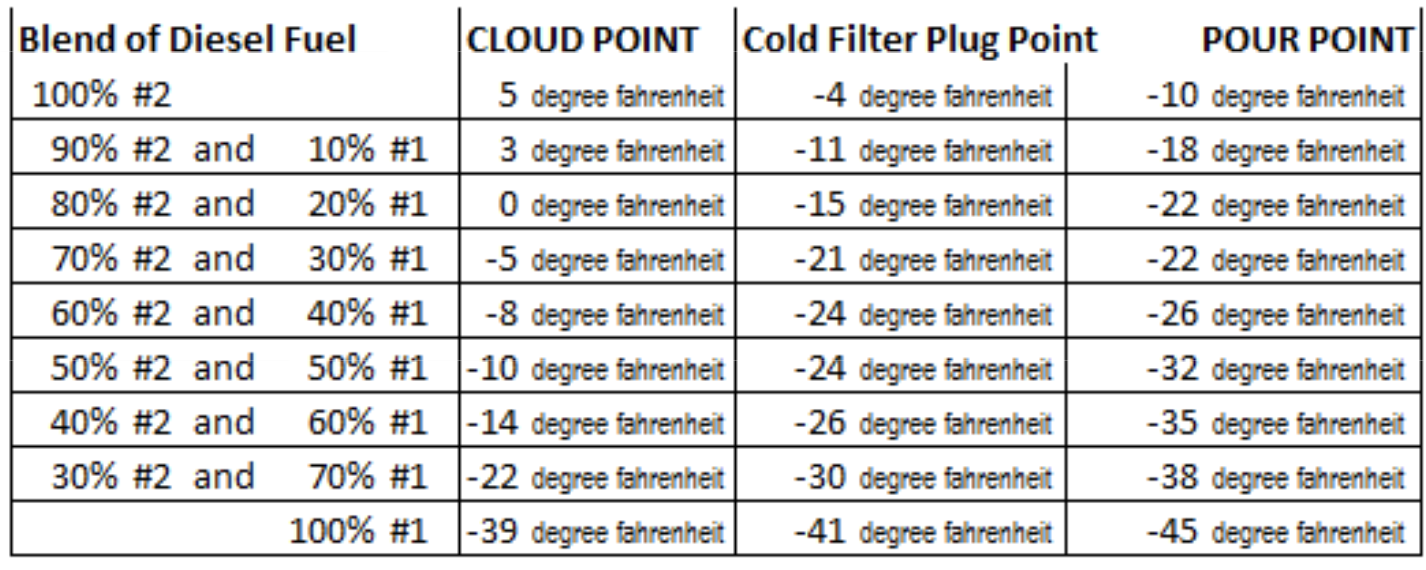
There are several types of diesel fuel, each with unique properties. For example, 1 diesel is another type that is often used in colder climates. It has a lower gel point, meaning it remains fluid at lower temperatures compared to 2 diesel. Have you ever wondered why 2 diesel is more popular despite the risk of gelling? It’s because 2 diesel offers better fuel economy. Its higher energy content makes it more cost-effective for long-distance travel. When comparing diesel fuels, consider your environment and engine requirements. Knowing the differences can help you choose the right fuel and avoid problems like fuel gelling.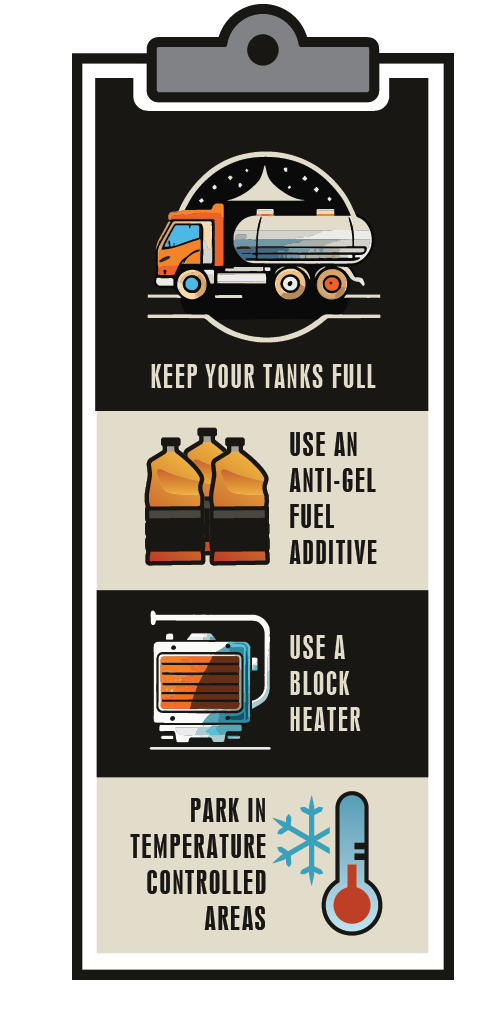
Credit: howesproducts.com
Gelling Temperature
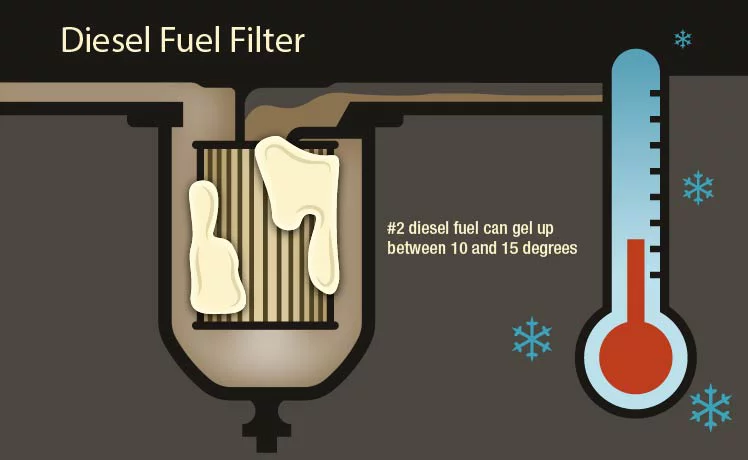
Diesel fuel can gel in cold temperatures. 2 diesel typically begins to gel around 17°F (-8°C). This thickening makes it harder for engines to start and operate efficiently in winter.
When winter arrives, drivers often face the frustrating issue of diesel fuel gelling. Understanding the gelling temperature of 2 diesel fuel is crucial to keep your engine running smoothly during the colder months. Your vehicle’s performance can be significantly affected by the gelling temperature. It’s the point at which diesel fuel starts to thicken and solidify, leading to clogged fuel lines and filters. But what exactly influences this temperature?Factors Influencing Gelling
Several factors can impact the gelling temperature of 2 diesel fuel. The most obvious one is the ambient temperature outside. As temperatures drop, the likelihood of fuel gelling increases. Another factor is the quality of the diesel itself. Not all diesel fuels are created equal; some have higher paraffin content, which makes them more prone to gelling. Additives are often used to lower the gelling temperature, making the fuel more resistant to cold. Have you ever tried using a fuel additive during winter? You might notice a smoother drive and less engine trouble.Typical Gelling Range
The typical gelling range for 2 diesel fuel usually falls between 10°F (-12°C) and 15°F (-9°C). However, this can vary based on the factors mentioned above. In the dead of winter, temperatures can plummet well below this range. If you live in a region where such cold snaps are common, consider using winterized diesel or additives to extend this range. Are you prepared for unexpected cold weather? Having a clear understanding of the gelling range helps you anticipate fuel-related issues before they arise. Understanding these concepts not only helps in maintaining your vehicle but also saves you time and money in repairs. So, next time the cold creeps in, you’ll be ready to tackle diesel gelling head-on.Effects Of Gelling
Understanding the effects of diesel fuel gelling is crucial. Gelling occurs when fuel thickens and loses its fluidity. This happens in cold temperatures. This change can cause serious issues for diesel engines. Recognizing these effects helps in preventing engine troubles.
Impact On Engine Performance
Gelled fuel disrupts engine performance significantly. The thickened fuel struggles to flow through fuel lines. This interruption leads to fuel starvation. Engines may fail to start or stall unexpectedly. Reduced fuel flow diminishes engine efficiency. This impacts the overall performance of the vehicle.
Potential Damages
Gelling can cause potential damages to engine components. Fuel filters may clog with gelled diesel. This blockage strains the fuel pump. Over time, this can lead to pump failure. Cold starts become difficult, stressing the engine further. Prolonged issues can result in costly repairs.
Preventing Diesel Fuel Gelling
Diesel fuel gelling occurs when temperatures drop significantly. This leads to clogging in engines and fuel lines. Preventing diesel fuel gelling ensures smooth operation during cold seasons. It also saves costs related to engine repairs and fuel line maintenance.
Use Of Additives
Additives play a key role in preventing diesel fuel gelling. They lower the temperature at which diesel gels. This keeps it fluid even during freezing temperatures. Choose high-quality additives that are designed for cold weather. Read labels to ensure compatibility with your diesel type. Regular use can prevent gelling and enhance engine performance.
Proper Storage Techniques
Correct storage of diesel fuel is crucial. Store fuel tanks in areas sheltered from extreme cold. This prevents freezing and fuel gelling. Insulated tanks offer better protection against temperature drops. Check tanks regularly for leaks and water contamination. Water can accelerate gelling during cold weather. Proper maintenance of storage tanks keeps fuel in optimal condition.
Testing And Monitoring
2 Diesel Fuel begins to gel at around 32°F (0°C). Monitoring temperatures ensures diesel engines run smoothly in cold weather. Testing fuel regularly helps prevent engine clogs and maintain vehicle performance during freezing conditions.
Testing and monitoring the temperature at which 2 diesel fuel gels is crucial for anyone relying on diesel-powered machinery or vehicles in cold climates. You want to ensure your equipment runs smoothly without unexpected interruptions. Understanding when your diesel fuel might gel can save you from costly repairs and downtime.Tools For Temperature Checking
Investing in reliable temperature-checking tools can make all the difference. Digital thermometers are handy and straightforward. They can provide quick readings, allowing you to track the ambient temperature and the fuel temperature. Some people swear by infrared thermometers for non-contact readings. These can be particularly useful if you need to check the temperature of fuel stored outdoors. Consider using temperature gauges that can be installed in your fuel tank. They offer real-time data, helping you stay ahead of potential gelling issues.Regular Maintenance Practices
Regular maintenance is your best defense against fuel gelling. Keep your fuel system clean; it ensures optimal flow and reduces the chance of gelling. Check your fuel filters often, especially in winter. Replace them if they show signs of clogging, as this can prevent gel formation. Adding anti-gel additives to your fuel can be a proactive measure. They lower the temperature at which diesel fuel will gel, providing an extra layer of protection.It’s essential to keep an eye on how your diesel fuel is behaving. What if the temperature suddenly drops overnight? Are you prepared? Regular monitoring helps you anticipate problems before they arise. Perhaps you’ve faced a situation where your diesel equipment refused to start on a frosty morning. How did you handle it? Share your experiences below; your insights might help someone avoid the same pitfalls. Remember, being proactive in your approach to testing and monitoring can save you from unexpected challenges. Are you using the right tools and practices to ensure your diesel fuel doesn’t gel when you need it the most?

Credit: motorkote.com
Myths And Misconceptions
Understanding 2 diesel fuel gelling is important for vehicle performance. Many believe it gels at extremely low temperatures. Truth is, it can start to gel around 20°F (-6°C).
Understanding the myths and misconceptions around 2 diesel fuel gelling can save you from unnecessary stress and expenses. If you’ve ever been caught in freezing temperatures with a diesel engine that refuses to start, you know how frustrating it can be. Many drivers face this issue each winter, often due to misinformation about diesel fuel and its tendencies in cold weather.Common Misunderstandings
One common misunderstanding is that 2 diesel fuel gels at the first sign of cold weather. This isn’t entirely accurate. The gelling point actually depends on the specific blend of the diesel and other environmental factors. For example, winterized diesel has additives that lower the gelling temperature significantly compared to regular diesel. Another misconception is that once diesel fuel gels, the damage is irreversible. While gelled fuel can be a headache, it’s not the end of the world. Solutions like fuel additives and engine heaters can restore flow to the fuel system. Have you ever tried using a fuel additive and noticed the difference it made during a cold snap?Clarifying False Beliefs
Some people believe that adding more kerosene to diesel will always prevent gelling. While kerosene can lower the gelling point, using too much can harm the engine’s performance. It’s essential to know the right proportion to add, rather than relying on hearsay or guesswork. There’s also a myth that keeping your diesel tank full prevents gelling. Although a full tank reduces the chance of condensation, it doesn’t directly prevent gelling. Focus instead on using the right type of fuel for the season and consider using anti-gel additives for added protection. Have you ever been told that parking a diesel vehicle in a garage is enough to prevent gelling? While it can help, the ambient temperature in an unheated garage might still be too low. Investing in a block heater can be a more reliable solution, ensuring your engine starts smoothly on those chilly mornings. Understanding these misconceptions can help you make informed decisions. It can also save you from common wintertime diesel dilemmas. Have you encountered any of these myths before, and how did you handle them?Frequently Asked Questions
At What Temperature Does 2 Diesel Fuel Gel?
2 diesel fuel typically gels at around 15°F (-9°C). Cold temperatures cause wax crystals to form, leading to gelling. Using additives can help lower the gelling point, ensuring smoother engine performance in cold weather. Always check fuel specifications for your area to prevent gelling issues.
Is 2 Diesel For Summer?
Yes, 2 diesel is typically used in summer. It has a lower gelling point, making it suitable for warmer temperatures. Many prefer it for its higher energy content and cost-effectiveness during the warmer months. Always check local climate conditions and manufacturer recommendations for optimal use.
Will Diesel Gel At 10 Degrees?
Diesel can start to gel at temperatures below 10 degrees Fahrenheit. Use anti-gel additives to prevent this. Winterized diesel or blended fuels are also effective solutions. Regularly monitor diesel temperature during cold weather to avoid fuel problems.
Does Idling Prevent Diesel Gelling?
Idling does not effectively prevent diesel gelling. Cold weather causes diesel to thicken. Use anti-gel additives for protection. Regularly check your vehicle’s fuel system to ensure optimal performance in cold conditions.
Conclusion
Understanding 2 diesel fuel gelling is crucial for cold climates. It helps prevent engine issues in freezing temperatures. Knowing the gel point can save time and money. Regular checks ensure safe and smooth vehicle operation. Proper fuel management avoids unnecessary complications.
Stay informed and prepared for winter conditions. Reliable fuel means reliable performance. Always plan for colder months ahead. Your vehicle will thank you. Keep diesel flowing smoothly and efficiently. Stay ahead of winter’s challenges with the right knowledge.

Ethan Montgomery is the administrator of carweldhub.com and an expert in the automotive industry. With hands-on experience in welding and a deep understanding of automotive parts and accessories, Ethan brings a wealth of practical knowledge to his work. His passion for the automotive field extends to blog writing and editing, where he shares valuable insights and tips with enthusiasts and professionals alike. Whether you’re looking for detailed technical advice or the latest trends in automotive technology, Ethan’s expertise makes him a trusted resource in the automotive community.