What was Unusual About the Penny-Farthing Bicycle: Unraveling History
Have you ever wondered why the penny-farthing bicycle looks so different from the bikes you see today? This iconic two-wheeler, with its giant front wheel and tiny rear wheel, is more than just an intriguing piece of history.
There’s something unusual about it that piques curiosity and invites you to explore its secrets. As you delve deeper, you’ll uncover the fascinating reasons behind its peculiar design and why it became a symbol of innovation during its time. Discover how its unique structure influenced cycling and what makes it a captivating subject for anyone interested in the evolution of transportation.
Get ready to pedal back in time and learn what makes the penny-farthing bicycle stand out in the world of cycling history.
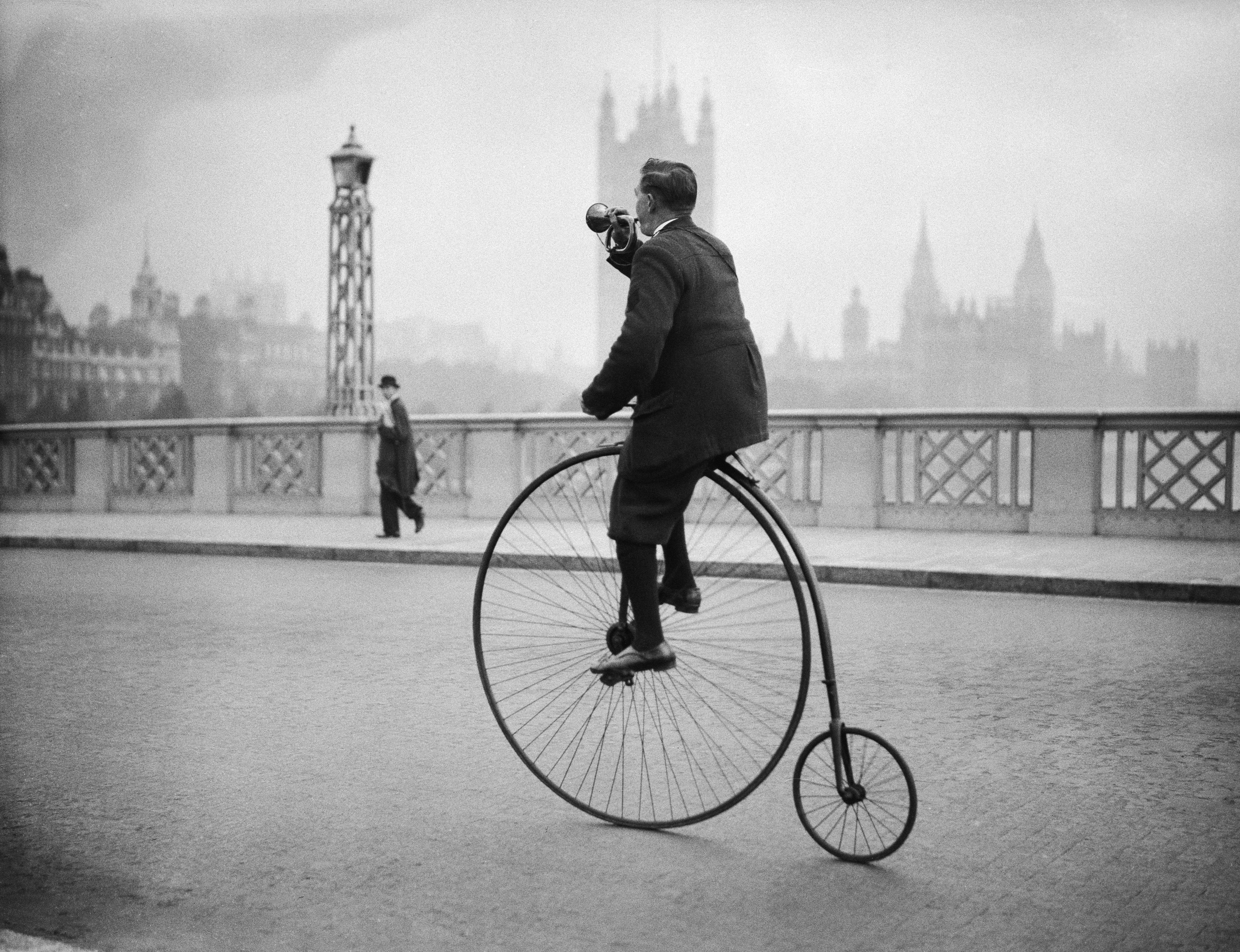
Credit: www.countrylife.co.uk
Origins Of The Penny-farthing
The penny-farthing bicycle stood out with its giant front wheel and tiny rear wheel. This design made it challenging to ride. Its high seat offered a unique view, but also posed safety risks.
The origins of the Penny-Farthing bicycle are as fascinating as the contraption itself. This iconic bicycle, also known as the high wheel, first appeared in the 1870s. Its unique design immediately set it apart from anything that had come before, capturing the imagination of people everywhere. But what was it about the Penny-Farthing that made it so unusual?The Birthplace Of A Bizarre Design
The Penny-Farthing was born in Britain, a country at the forefront of the Industrial Revolution. It was a period when innovation was the norm, and inventors were pushing boundaries in every possible direction. This bicycle was the brainchild of British engineer James Starley, often hailed as the father of the bicycle industry. He didn’t just create a mode of transport; he crafted a symbol of progress.The Name’s Curious Origin
Have you ever wondered why it’s called the Penny-Farthing? The name comes from the British penny and farthing coins. The large front wheel represents the penny, while the smaller rear wheel is the farthing. This analogy made it easy for people to remember and describe, but did it make the bike easier to ride?Innovative Engineering Or Outlandish Concept?
The design of the Penny-Farthing was based on a simple principle: the larger the front wheel, the faster you could travel. Riders could cover more ground with each pedal stroke. This was revolutionary for its time, offering unprecedented speed. However, it also came with its fair share of risks. With no gears or chains, stopping meant simply stepping off, a move that was often easier said than done.Personal Experience With Nostalgia
Imagine riding a Penny-Farthing down a cobblestone street. The thrill of balancing on that towering wheel is unlike anything else. My first attempt was a mix of excitement and fear, a testament to how far we’ve come in bicycle design. Have you ever tried something that seemed daunting at first but turned out to be exhilarating?Impact On Modern Bicycle Design
The Penny-Farthing paved the way for future bicycle designs, despite its quirks. Its legacy can still be seen in today’s cycling technology. Modern bikes, with their gears and safety features, owe a lot to this eccentric ancestor. Can you spot these influences in your daily ride? The origins of the Penny-Farthing reveal a story of daring innovation, cultural impact, and a touch of whimsy. Would you dare to take a ride on this historical marvel?
Credit: www.pipecraft.co.uk
Design And Structure
Sporting a large front wheel and a tiny rear one, the penny-farthing had a unique design. Its structure made riding a challenge, requiring balance and skill. This bicycle’s eccentric shape contrasted with modern bikes, capturing attention everywhere it went.
The design and structure of the penny-farthing bicycle were unlike anything else on the roads during its heyday in the late 19th century. It was a bold statement in transportation, capturing the imagination of those who dared to ride it. Its unique configuration might make you wonder: what was so unusual about the penny-farthing’s design that it became an icon of its time? Let’s dive into its fascinating aspects.Large Front Wheel
The penny-farthing’s most striking feature was its large front wheel. This colossal wheel could measure up to 60 inches in diameter, making it a head-turner. Riding it was like balancing atop a circus performer’s unicycle. Imagine yourself gliding down the street, elevated above pedestrians. The large front wheel allowed riders to cover more distance with each pedal stroke. But it also posed a challenge: mounting and dismounting required skill and courage.Small Rear Wheel
In stark contrast, the penny-farthing sported a much smaller rear wheel. This design choice helped stabilize the bicycle but also made it quirky-looking. You might wonder why designers opted for such a tiny rear wheel. The small wheel’s primary function was to provide balance and support. It enabled riders to steer and maintain control, albeit with less comfort than modern bikes. If you’ve ever ridden a penny-farthing, you’d know the thrill of mastering its peculiar balance.Material And Build
The penny-farthing was crafted from iron and steel, making it both sturdy and heavy. Its robust build was essential for handling the stresses of uneven roads. However, its weight meant that riding uphill required significant effort. It was designed without gears, adding to its raw and simplistic charm. The handlebars were often wide and curved, offering a distinctive steering experience. Would you enjoy the challenge of riding a bike that tested your strength and balance with every journey? The penny-farthing was more than just a mode of transport; it was a daring adventure. Each ride was a test of bravery and skill, promising an exhilarating experience to those who mastered its unique design.Innovative Engineering
The Penny-Farthing bicycle stood out with its large front wheel and tiny rear wheel. This unusual design provided a smoother ride on rough roads. Its high seat and pedals directly attached to the front wheel made it unique and challenging to ride.
The Penny-Farthing bicycle, a symbol of innovation and adventure from the late 19th century, continues to captivate those fascinated by its unique design and engineering. Unlike modern bicycles, it featured a distinctive large front wheel and a much smaller rear wheel. This design was not just for show; it was a product of innovative engineering solutions aimed at maximizing speed and efficiency.Pedal And Crank Mechanism
The pedal and crank mechanism of the Penny-Farthing was quite different from what we see today. Instead of being attached to a chain, the pedals were directly connected to the front wheel. This meant that the rider’s pedaling motion was directly translating into the wheel’s movement, providing a direct and instantaneous response. Imagine the thrill of feeling every rotation of the wheel beneath your feet, knowing that your energy is propelling you forward without delay.Direct Drive System
The direct drive system was another standout feature of the Penny-Farthing. This meant that there was no chain to transfer power. The large front wheel was directly driven by the pedals, allowing the bicycle to reach impressive speeds. However, this also demanded great skill and balance from the rider. Have you ever tried balancing on a narrow beam? Riding a Penny-Farthing required a similar level of focus and agility. It challenged riders to master a new kind of balance, making every ride a test of skill and nerve. Consider this: what if modern bicycles still used a direct drive system? Would you be ready to embrace the unique challenges and rewards it offers? The Penny-Farthing’s innovative engineering not only pushed the boundaries of speed but also redefined the riding experience itself.Riding Experience
The penny-farthing bicycle, a symbol of Victorian innovation, offered a unique riding experience. Its design, featuring a large front wheel and a smaller rear wheel, made it distinct from modern bicycles. Riding a penny-farthing was an adventure, often filled with unexpected challenges and thrills.
Mounting And Dismounting
Mounting a penny-farthing required agility and practice. Riders had to climb onto the large front wheel using a small step attached to the frame. This was not a straightforward task, especially for beginners. Dismounting was equally daunting. Riders had to carefully balance their weight as they descended. A wrong move could lead to a tumble.
Balancing Challenges
Balancing on a penny-farthing was tricky. The high center of gravity made it unstable. Riders needed to keep their balance with precision and focus. The large front wheel dominated the ride, demanding constant attention. Sudden jerks or uneven terrains could easily disrupt the balance. This made each ride an exercise in concentration.
Cultural Impact
The penny-farthing bicycle, with its enormous front wheel, defied conventional design. Riders sat high above the ground, making it challenging to balance. Its unique shape and riding style left a lasting mark on cycling culture, symbolizing innovation in transportation.
The penny-farthing bicycle, with its large front wheel and tiny rear wheel, was more than just a mode of transportation in the 19th century. It was a cultural icon that influenced society in unexpected ways. Its unique design sparked conversations and even fashion trends, making it a notable symbol in various aspects of life.Symbol Of Speed
The penny-farthing was a symbol of speed and adventure. It allowed people to travel faster than they ever could on foot. Imagine the thrill of zipping through the streets on such a towering machine. Riders were seen as daring and bold, embodying a spirit of modernity and progress. The sight of a rider on a penny-farthing often drew crowds, eager to witness this new marvel of speed. Do you think our modern e-scooters can capture the same awe?Status Symbol
Owning a penny-farthing was a status symbol. It wasn’t just about getting from point A to B; it was about being seen. Only those with means could afford such a luxury, making it a statement of wealth and social standing. Riding it required skill and confidence, traits associated with the upper class. This association with affluence made the penny-farthing a desirable possession. Would you have dared to ride one back then, or would you have watched from the sidelines? The penny-farthing’s cultural impact extended beyond its practical use, influencing societal perceptions of speed and status. It left a legacy that paved the way for the bicycles we know today, reminding us of how innovations can shape cultural dynamics.Safety Concerns
The Penny-Farthing bicycle, an iconic symbol of the late 19th century, fascinated many with its unique design. Yet, the bicycle’s charm came with significant safety concerns. Riders often faced risks due to its unusual structure and dynamics. The bicycle’s design posed several challenges, making it a tricky ride for many enthusiasts.
High Center Of Gravity
The Penny-Farthing had a distinct high center of gravity. Its large front wheel elevated the rider above the ground. This design made balancing difficult. A sudden stop or uneven terrain could easily unseat the rider. The high position also increased the risk of falling forward. Riders needed great skill and practice to manage this balance.
Common Accidents
Accidents were a frequent concern with the Penny-Farthing. One of the most common was the “header.” This occurred when the front wheel stopped suddenly. The rider would be thrown over the handlebars. Injuries from such falls were often serious. Broken bones and head injuries were not uncommon. The absence of protective gear made riding more dangerous. These accidents highlighted the need for safer bicycle designs.
Decline And Legacy
The Penny-Farthing bicycle had a giant front wheel and a tiny rear wheel, making it unique. This design allowed for faster speeds, but it was also unstable and dangerous. Its decline led to safer bicycle models, yet it remains an iconic symbol of cycling history.
The penny-farthing bicycle, with its massive front wheel and tiny rear wheel, was a striking symbol of the late 19th century. But as time progressed, its popularity waned, leaving a legacy that continues to influence modern cycling. What led to the decline of this once-iconic mode of transport, and how does it still resonate today? Let’s delve into the transition from the penny-farthing to safer, more practical designs.Transition To Safety Bicycles
The penny-farthing’s decline began with the introduction of the safety bicycle. Safety bicycles, with their equal-sized wheels and chain-driven rear wheels, offered a more stable and less daunting ride. Riders no longer needed to perch precariously atop a large wheel, reducing the risk of accidents. The safety bicycle’s design made cycling more accessible to a broader audience, including women and older individuals. It democratized cycling, moving it away from a niche interest of daring young men. This transition marked a pivotal shift in how people viewed bicycles—not just as a thrill-seeking adventure, but as a practical mode of transportation. Have you ever ridden a modern bicycle and felt the ease of its design? That’s a direct result of the lessons learned from the penny-farthing’s limitations. The evolution from penny-farthings to safety bicycles paved the way for the cycling culture we enjoy today.Influence On Modern Designs
The penny-farthing may have faded, but its influence on modern bicycle designs is undeniable. Its bold, eye-catching appearance inspired the development of distinct and functional bikes. Designers took the concept of a large front wheel and adapted it for different purposes, like mountain bikes and racing bikes. Today, we see echoes of the penny-farthing in the artistic and unconventional designs of some bicycles. The concept of standing out and pushing boundaries remains a key part of the cycling world. Have you noticed how some modern bikes still challenge traditional aesthetics? The penny-farthing’s legacy also lives on in the cycling community’s spirit. Cyclists today value innovation and individuality, traits that were first embodied by the daring penny-farthing riders of the past. The bicycle continues to evolve, but its roots remain deeply entwined with the adventurous spirit of the penny-farthing era. As you hop on your bike today, consider the journey that brought us from the penny-farthing to the sleek designs of modern bicycles. How does this history shape your experience as a cyclist? The story of the penny-farthing is a testament to human innovation and the continuous quest for improvement.
Credit: travelloglewes.co.uk
Frequently Asked Questions
What Was Unusual About The Penny-farthing Bike?
The penny-farthing bike was unusual due to its large front wheel and small rear wheel. This design provided speed but lacked stability and safety. Riders sat high above the ground, increasing the risk of falling. Its distinct appearance made it a symbol of the Victorian era.
What Is A Fun Fact About Penny-farthing?
The penny-farthing is known for its large front wheel, which allowed riders to achieve high speeds. Its name originates from the size difference between the penny and farthing coins. Despite its awkward design, it became a symbol of the Victorian era and inspired modern cycling innovations.
What Was The Point Of A Penny-farthing?
The penny-farthing was designed for speed and efficiency. Its large front wheel allowed faster travel on flat terrains. Its design represented technological advancement in cycling before the advent of safety bicycles. Despite its impracticality, it was popular in the late 19th century.
What Is The Nickname Of The Penny-farthing Bike?
The penny-farthing bike is nicknamed “high wheel” or “ordinary. ” Its large front wheel and small rear wheel make it distinctive. Popular in the 1870s and 1880s, it symbolizes the early era of cycling and is an iconic design in bicycle history.
Conclusion
The Penny-Farthing bicycle remains a symbol of unique design. Its large front wheel was quite unusual. Riders enjoyed great speed and height. This brought both thrills and risks. The bicycle’s popularity faded with safer designs. Yet, its charm endures in history.
It represents innovation of a different era. The Penny-Farthing stands as a testament to daring ideas. Its design was bold and unforgettable. The legacy of this bicycle is fascinating. It captures the imagination with its quirky appearance. An intriguing piece of cycling history.
A reminder of human ingenuity and adventure.

Ethan Montgomery is the administrator of carweldhub.com and an expert in the automotive industry. With hands-on experience in welding and a deep understanding of automotive parts and accessories, Ethan brings a wealth of practical knowledge to his work. His passion for the automotive field extends to blog writing and editing, where he shares valuable insights and tips with enthusiasts and professionals alike. Whether you’re looking for detailed technical advice or the latest trends in automotive technology, Ethan’s expertise makes him a trusted resource in the automotive community.