Which of the Following Statements About Bicycle Riders is Correct?
Are you curious about the facts and myths surrounding bicycle riders? You’re not alone.
Many of us have questions about the rules and behaviors of cyclists. Some statements might seem accurate, while others could be misleading. Understanding these can enhance your safety, whether you’re a cyclist or a driver sharing the road. We’re going to uncover the truth behind common statements about bicycle riders.
By the end, you’ll not only have clear answers but also a new perspective on cycling. Ready to challenge what you think you know? Let’s dive in and set the record straight!
Common Misconceptions
Misunderstandings about bicycle riders often lead to incorrect assumptions. Riders must follow the same traffic rules as cars. Safety gear is essential for protection, not optional.
Understanding bicycle riders can be a bit tricky due to the many misconceptions surrounding them. These misunderstandings can affect how drivers and pedestrians perceive cyclists. Let’s clear up some of these common myths to improve safety and harmony on the roads.Myth: Cyclists Don’t Have To Follow Traffic Laws
Many people think cyclists are exempt from traffic rules. This is not true. Cyclists must obey the same laws as car drivers. Stop at red lights and yield when necessary. Next time you spot a cyclist, remember they’re playing by the same rules.Myth: Cyclists Are Always Slower Than Cars
You might assume cyclists are always slower and can hold up traffic. While this can be true in some cases, many cyclists can maintain a speed that matches city traffic. In some congested areas, bikes can even be faster due to their ability to navigate through tight spaces.Myth: Cyclists Should Only Ride On Sidewalks
A common belief is that cyclists should stick to sidewalks to stay safe. However, riding on sidewalks can be more dangerous. It increases the risk of collisions with pedestrians and cars at intersections. Roads are often the safer choice, especially with bike lanes.Myth: All Cyclists Are Experienced Riders
Not every cyclist you see is a seasoned pro. Many are beginners or casual riders who might make mistakes. Patience and understanding go a long way in these situations. Consider how your actions could impact their safety.Myth: Cyclists Don’t Pay Taxes For Road Use
A misconception exists that cyclists don’t contribute to road maintenance through taxes. Most cyclists are also car owners and taxpayers. They share the same financial responsibility for roads as drivers do.Myth: Wearing A Helmet Makes Cyclists Invincible
Helmets are crucial for safety but don’t make cyclists immune to accidents. They protect the head, but other injuries can still occur. Both cyclists and drivers must remain vigilant to prevent crashes. Have you ever held any of these misconceptions about cyclists? Understanding these myths can change how you interact with cyclists on the road. It encourages safer and more respectful sharing of public spaces.
Credit: www.rei.com
Legal Rights And Responsibilities
Bicycle riders must follow traffic signals and signs like other vehicles. Helmets and proper lighting are crucial for safety. Understanding road sharing with cars ensures smoother and safer rides.
Navigating the roads on a bicycle requires more than just pedaling skills. As a bicycle rider, understanding your legal rights and responsibilities is crucial for your safety and the safety of others. This knowledge not only ensures you’re abiding by traffic laws but also empowers you to advocate for your rights in various situations. Let’s dive into what you need to know to ride responsibly and assert your rights confidently.Understanding Your Legal Rights
As a cyclist, you have the right to use the road just like any other vehicle. This means you can ride on public roads, and in many places, you’re entitled to your own lane. Recognizing these rights helps you navigate traffic confidently. Did you know that in many cities, cyclists can use bike lanes or share lanes with cars? This is designed to make your ride safer and more efficient. But always remember, your rights come with responsibilities.Responsibilities Of Bicycle Riders
Your responsibilities as a rider are crucial for maintaining harmony on the roads. Just like drivers, you need to follow traffic signals, stop at stop signs, and yield to pedestrians. Ignoring these rules can lead to accidents and fines. Wearing a helmet and using lights at night are not just safety measures—they’re legal requirements in many places. They protect you and signal your presence to others. Think of them as your armor and signal lights on the battlefield of traffic.Sharing The Road: A Mutual Understanding
Sharing the road with motorists requires mutual respect. You need to be predictable in your movements, signaling when you turn or stop. This communication keeps everyone informed and reduces the risk of accidents. Have you ever experienced a driver cutting you off? It can be frustrating, but understanding that drivers might not see you as easily as they see other cars helps you stay vigilant. Your visibility is key—wear bright clothes and use hand signals.Common Misconceptions About Cyclists’ Rights
Many people believe cyclists should stick to sidewalks or only use bike paths. However, this is often a misconception. You’re legally allowed to be on the road, and understanding this can prevent conflicts with drivers. Have you ever been told to “get off the road”? It’s a common misunderstanding. Clarifying your right to ride on the road can educate others and promote safer shared spaces.What Can You Do To Improve Road Safety?
Consider joining local advocacy groups that work towards better cycling infrastructure. These groups often collaborate with city planners to create safer environments for cyclists. Your voice can make a difference. Why not take a cycling safety course? These courses can enhance your skills and knowledge about the law. They’re an investment in your safety and confidence on the road. As you ride, remember that being informed about your legal rights and responsibilities not only protects you but also contributes to a safer community. What steps will you take to assert your rights and ride responsibly?Safety Practices
Bicycle riding offers freedom and joy. Yet, safety remains a priority. Riders must adopt essential safety practices to ensure a secure journey. These practices protect the rider and others on the road.
Helmet Usage
Wearing a helmet saves lives. It reduces head injury risk by 85%. Choose a helmet that fits snugly. Adjust the straps for a secure fit. A well-fitted helmet stays in place. Replace helmets after a crash. Even minor falls can damage them.
Visibility On The Road
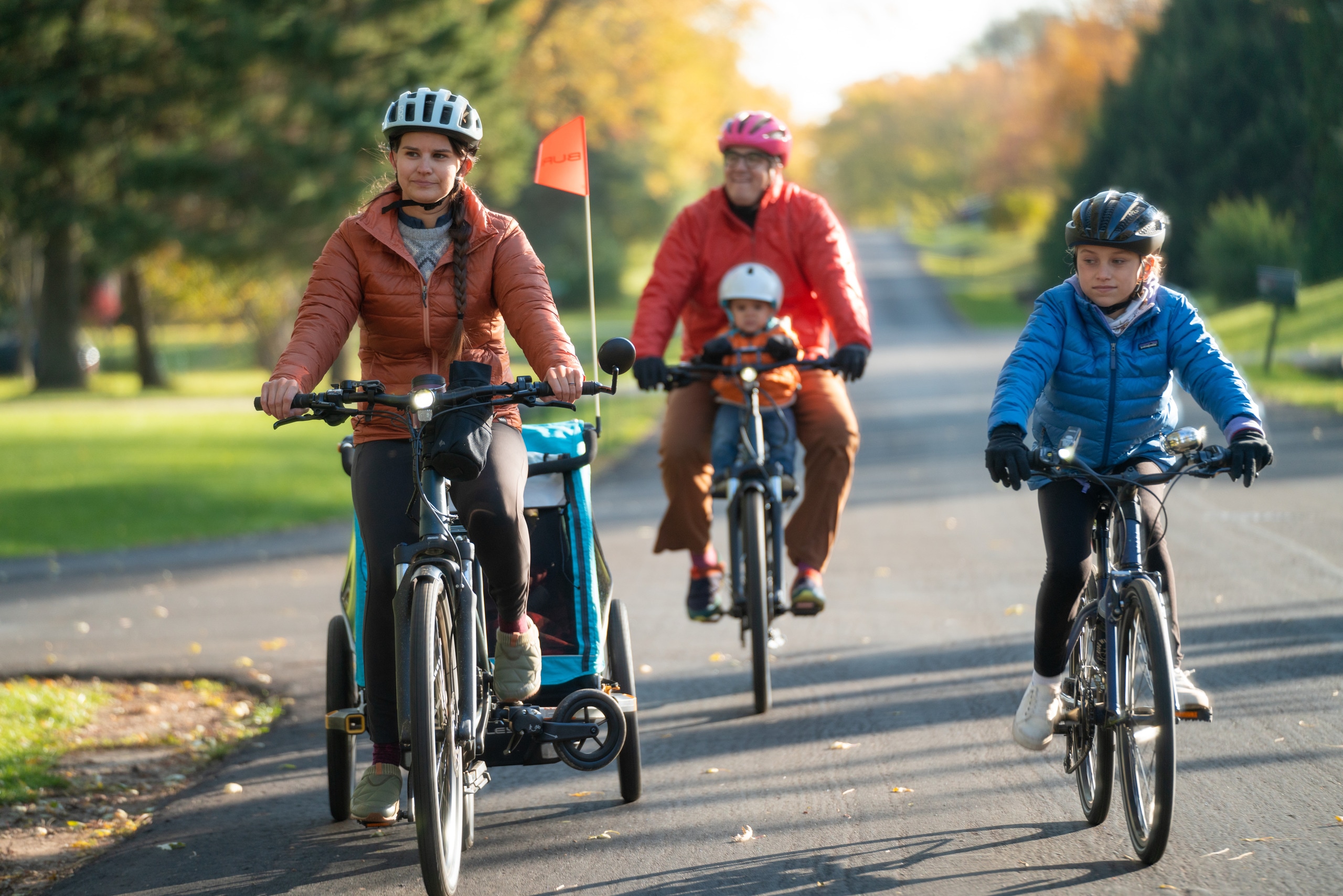
Being visible prevents accidents. Wear bright clothing during the day. Use reflective gear at night. Equip your bike with lights. Front lights should be white. Rear lights must be red. Check lights regularly. Ensure they function well.
Credit: www.rei.com
Health Benefits
Bicycling offers a wide range of health benefits. It’s a simple way to stay active. Riding a bike regularly can improve physical and mental health. Discover how cycling boosts your well-being.
Physical Fitness
Riding a bike strengthens muscles. It increases stamina too. Cycling helps burn calories and maintain a healthy weight. Heart health improves with regular cycling. It lowers the risk of heart disease. Joint flexibility benefits from cycling as well. Biking is low-impact and gentle on joints. This makes it ideal for all ages.
Mental Well-being
Cycling boosts mood. It reduces stress and anxiety. Fresh air and nature uplift spirits. Exercise releases endorphins, making you feel happier. Regular cycling can improve sleep quality. It helps clear the mind and enhances focus. Socializing while cycling builds connections. This promotes a sense of community and belonging.
Environmental Impact
Bicycle riders contribute to cleaner air by reducing emissions. Riding a bike helps cut down pollution and noise. It’s a healthy, eco-friendly choice.
Bicycle riders are often hailed as champions of environmental consciousness. Riding a bike is more than just a mode of transport; it’s a statement against pollution and a step towards sustainable living. The impact of cycling on our environment is profound and worth understanding.Emissions Reduction
Cycling directly reduces emissions that contribute to air pollution. Unlike cars, bicycles don’t emit harmful gases into the atmosphere. This means cleaner air and a healthier planet. Imagine how much cleaner cities could be if more people chose cycling over driving. Have you ever thought about how much cleaner your neighborhood could become if everyone rode bikes?Resource Conservation
Bicycles require significantly fewer resources to manufacture compared to cars. They consume less metal, plastic, and energy, leading to reduced industrial impact on our planet. A bicycle’s lifecycle—from production to disposal—has a smaller environmental footprint. Consider how much energy and material are saved with each bike produced instead of a car.Noise Pollution
Cyclists contribute to quieter urban environments. Bicycles glide silently, unlike motor vehicles that generate noise pollution. This reduction in noise can lead to a more peaceful living environment. Have you noticed how calm and serene your neighborhood feels on a Sunday morning compared to a weekday rush hour?Space Efficiency
Bicycles take up far less space than cars. More bikes mean less congestion and less land used for parking spaces. This space can be repurposed for parks or community gardens, enhancing urban green areas. Imagine your city with fewer parking lots and more green spaces to enjoy.Personal Story: Embracing Change
When I started cycling to work, I noticed immediate changes. The air smelled fresher, and I felt more connected to my surroundings. My commute became a chance to see my city from a different perspective. It made me realize the potential impact of each bike ride. What changes might you notice if you swapped a few car trips for bike rides each week? Cycling isn’t just beneficial for the environment; it’s a call to action for each of us to rethink how we move through our world. It’s about making a choice that benefits not just you, but everyone around you.Technology And Innovation
Bicycle riders must follow road rules like car drivers. Wearing helmets keeps them safe. Using bike lanes avoids traffic accidents.
Technology and innovation are transforming the world of bicycle riding in exciting ways. From electric bicycles to advanced safety gear, these innovations are making cycling more accessible, enjoyable, and safe. Have you ever wondered how technology is reshaping the way we ride?Electric Bicycles
Electric bicycles, often called e-bikes, are gaining popularity for their ability to make cycling easier and more efficient. Imagine cruising up a steep hill without breaking a sweat. E-bikes offer pedal assistance, which means you can ride longer distances without getting tired. These bikes are ideal for commuting as they reduce travel time and effort. They are also environmentally friendly, offering a green alternative to cars. With an e-bike, you can enjoy the thrill of cycling while contributing to a cleaner planet.Safety Gear Advancements
Safety gear has come a long way, making biking safer than ever before. Helmets now come with advanced features like built-in lights and communication systems. These innovations ensure that you stay visible and connected while riding. Consider gloves with GPS tracking to share your location with loved ones. Or jackets with reflective materials that enhance visibility at night. These advancements not only protect you but also give peace of mind to your family. Technology and innovation in cycling aren’t just about making bikes faster or lighter. They are about enhancing your experience and ensuring your safety. What new biking technology are you excited to try?Community And Social Aspects
Engaging with the community and social aspects of cycling can transform your experience as a bicycle rider. Whether you’re a seasoned cyclist or a beginner, understanding the communal side of biking can open up new horizons. It’s more than just pedaling; it’s about connecting, sharing, and contributing.
Building Connections Through Group Rides
Group rides are an excellent way to meet like-minded people. They offer a supportive environment where you can learn new skills and discover new routes. Being part of a group can also motivate you to ride more regularly, enhancing your fitness and overall well-being.
Participating In Local Cycling Events
Local cycling events provide a platform to engage with the cycling community. These events often range from casual rides to competitive races. Participating can boost your confidence and introduce you to a network of passionate cyclists.
Joining Cycling Clubs
Joining a cycling club can be a rewarding experience. Clubs offer structured activities, regular meet-ups, and social gatherings. They are also a great way to access resources and support from experienced riders.
Engaging In Online Cycling Communities
Online communities can be just as vibrant as physical ones. Platforms like Facebook groups and cycling forums are great for sharing tips, stories, and advice. You can connect with cyclists from around the world, expanding your knowledge and network.
Volunteering For Community Cycling Projects
Volunteering in community cycling projects can be fulfilling. Projects like bike repair workshops or charity rides offer a chance to give back. They also help to promote cycling culture and improve local infrastructure.
How can engaging in these community aspects enhance your cycling journey? Consider the opportunities to grow, learn, and contribute. Your involvement can make a significant impact, both personally and within the wider cycling community.
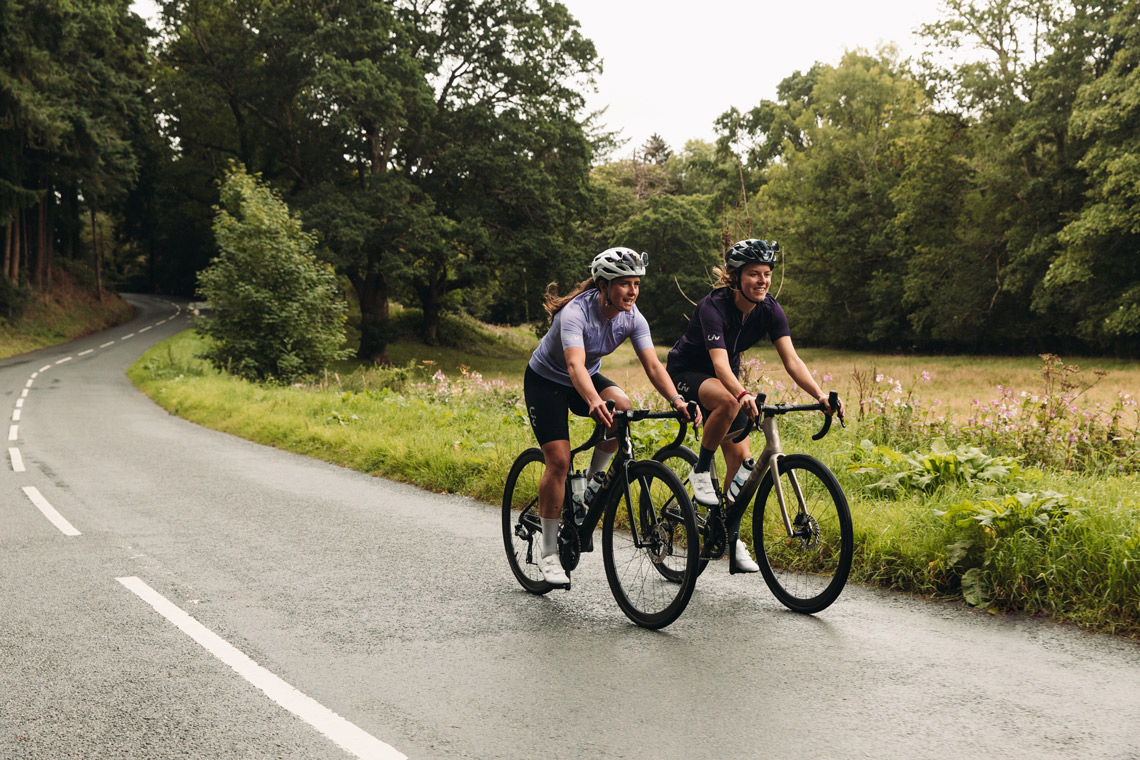
Credit: www.liv-cycling.com
Frequently Asked Questions
What Is True About Bicycle Riders?
Bicycle riders need to follow traffic rules and wear helmets for safety. They improve fitness and reduce carbon footprint. Cyclists should use hand signals and lights for visibility. Riding in designated lanes promotes safety. Regular maintenance of bicycles ensures a smooth ride.
Do Bicycle Riders Have The Same Rights And Responsibilities As Automobile Drivers True Or False?
True. Bicycle riders have the same rights and responsibilities as automobile drivers on the road. They must obey traffic signals, signs, and laws. Riders should use bike lanes when available and signal turns. Safety gear, like helmets, is recommended. Sharing the road responsibly ensures safety for everyone.
What Is The Minimum Distance For Passing A Bicycle Rider?
Always maintain at least 3 feet of space when passing a bicycle rider. This ensures safety and compliance with laws. Stay alert and give extra room in adverse conditions. Proper distance prevents accidents and promotes safe sharing of the road.
Respect cyclists’ space for harmonious traffic flow.
Do The Bicycle And Rider Have Energy When They’re Positioned At The Top Of The Hill?
Yes, the bicycle and rider have potential energy at the top of the hill. This energy can convert into kinetic energy as they descend. Potential energy depends on their height and mass, providing the ability to move downhill.
Conclusion
Understanding bicycle rider behavior is crucial for road safety. Each statement about cyclists offers valuable insights. Some focus on safety practices. Others highlight common misconceptions. Knowing the correct information helps everyone on the road. It promotes harmony between cyclists and drivers.
Remember, awareness reduces accidents. It ensures a safer environment for all. Always stay informed. Respect traffic laws. Encourage safe cycling habits among peers. Your knowledge can save lives. Embrace this responsibility. Keep learning and sharing. The road belongs to everyone.
Let’s make it safer together.

Ethan Montgomery is the administrator of carweldhub.com and an expert in the automotive industry. With hands-on experience in welding and a deep understanding of automotive parts and accessories, Ethan brings a wealth of practical knowledge to his work. His passion for the automotive field extends to blog writing and editing, where he shares valuable insights and tips with enthusiasts and professionals alike. Whether you’re looking for detailed technical advice or the latest trends in automotive technology, Ethan’s expertise makes him a trusted resource in the automotive community.