What Size Wrench for Bicycle Pedals: Ultimate Guide
Are you tired of struggling with your bicycle pedals? Do you find yourself fumbling with tools that never seem to fit just right?
If you’ve ever been frustrated by this seemingly simple task, you’re not alone. Knowing the right size wrench for bicycle pedals can make all the difference, turning a daunting chore into a quick and easy fix. Imagine the satisfaction of effortlessly adjusting or replacing your pedals, knowing you’ve got the perfect tool in hand.
This guide will reveal the exact wrench size you need, empowering you to handle your bike maintenance with confidence. Stick around, and you’ll soon discover how a little knowledge can save you time, frustration, and perhaps even a trip to the bike shop. Get ready to unlock the secrets to smoother rides and hassle-free pedal adjustments!
Understanding Bicycle Pedal Sizes
Choosing the right wrench size is crucial for removing bicycle pedals. A 15mm wrench is often ideal for most pedals. Always check pedal specifications for exact fit to avoid damaging the threads.
Understanding bicycle pedal sizes might seem trivial until you’re stuck mid-ride with a loose pedal and the wrong wrench. You’re not just dealing with a size mismatch; it’s about ensuring a smooth, safe, and enjoyable ride. Knowing the right wrench size can save you time, hassle, and potential damage to your bike.Why Pedal Size Matters
Pedal size affects not only the fit of your wrench but also your biking efficiency. A snug fit ensures you can apply proper torque without stripping the pedal or tool. Imagine being on a scenic trail, only to realize your wrench slips and fails. A properly sized wrench is your best companion.Standard Pedal Sizes
Most bicycles use a 9/16-inch pedal size, which is standard for adult bikes. This size fits most wrenches in basic bike repair kits. However, children’s bikes and some older models may use a 1/2-inch pedal size. Always check your bike’s specifications or test with a wrench to be sure.Metric Vs. Standard
When dealing with pedal wrenches, you might encounter both metric and standard sizes. A 15mm wrench often fits 9/16-inch pedals perfectly. If you’ve ever fumbled with a set of wrenches, you know the frustration of picking the wrong one. Having both types in your toolbox can be a lifesaver.Checking Your Pedal Size
To check your pedal size, look for markings on the pedal itself or the crank arm. Manufacturers often label the size for easy reference. If labels are worn, gently measure the diameter of the pedal shaft with a ruler. Accurate measurement is crucial for picking the right wrench.Practical Tips For Wrench Selection
A good practice is to invest in a pedal wrench with a long handle. Longer handles provide better leverage, making pedal installation and removal easier. Keep your wrench in your bike repair kit for quick adjustments during rides. Regularly inspect your pedals to avoid surprises on your biking adventures. Understanding pedal sizes and having the right tools on hand can make your biking experience more enjoyable and less stressful. Have you ever been caught without the right tool? Share your story or tips in the comments below!Standard Wrench Sizes For Pedals
Bicycle pedals usually need a 15mm wrench for installation or removal. Some pedals might require an 8mm Allen key. Always check your bike’s specifications to ensure the correct tool.
When it comes to maintaining your bicycle, one of the tasks you’ll often encounter is adjusting or replacing the pedals. Knowing the standard wrench sizes for pedals can save you time and frustration. Whether you’re a seasoned cyclist or a beginner, having the right wrench can make all the difference. Let’s dive into the specifics of what size wrench is typically needed for bicycle pedals.Metric Vs. Imperial Sizes
Understanding the difference between metric and imperial sizes is crucial. Bicycle pedals often require wrenches that fit metric measurements, especially if the bike was manufactured outside the United States. Metric sizes are based on millimeters, whereas imperial sizes use inches. This distinction is vital because using the wrong type of wrench can damage the pedal or the wrench itself. Have you ever struggled with mismatched wrench sizes? It’s a common frustration among cyclists, but knowing which system your bike adheres to can simplify things.Commonly Used Wrench Sizes
Most bicycle pedals use a 15mm wrench. It’s the go-to size for many standard pedal designs and fits snugly around the pedal spindle. Some pedals may require a 9/16 inch wrench, particularly on older models or specific brands. Keep a 15mm wrench handy in your toolkit. It’s a versatile tool that can handle most pedal adjustments with ease. Have you ever been caught without the right size wrench during a ride? A compact multi-tool with a 15mm option can be a lifesaver in such situations. In addition to these sizes, it’s useful to have a set of Allen keys. Some pedals use Allen bolts rather than traditional nuts, and these can vary in size depending on the manufacturer. Next time you’re gearing up for a ride, check your toolkit. Do you have a 15mm wrench and a set of Allen keys ready? Being prepared can save you from unexpected repairs on the road.Identifying The Right Wrench For Your Bike
Choosing the right wrench for your bicycle pedals is crucial. The wrong size can damage your bike or make repairs difficult. Knowing the correct size ensures a smooth and efficient maintenance process. Let’s break down how to identify the right wrench for your bike.
Checking Pedal Specifications
Start by examining your pedal’s specifications. Look for numbers or letters on the pedal body. These markings often indicate the wrench size needed. Typical sizes include 15mm or 9/16 inches. If markings are absent, measure the pedal bolt. Use a ruler or caliper for accuracy. This helps you find the right tool quickly.
Manufacturer Guidelines
Refer to the manufacturer’s guidelines for your bike pedals. The user manual often lists the required wrench size. Check the manufacturer’s website if you don’t have the manual. Many brands provide online resources for their products. Following these guidelines ensures compatibility and prevents unnecessary wear.
Credit: www.scadatw.com
Tools And Techniques For Pedal Removal
Removing bicycle pedals might seem daunting, especially if you’re unsure about the tools and techniques needed. Whether you’re a seasoned cyclist or a weekend rider, knowing how to handle pedal removal with the right wrench size can save you time and frustration. Let’s explore some practical tools and methods for getting those pedals off with ease.
Using A Pedal Wrench
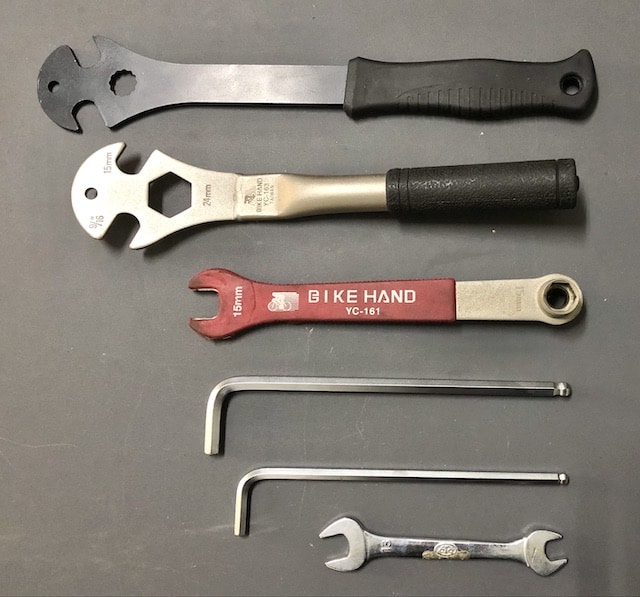
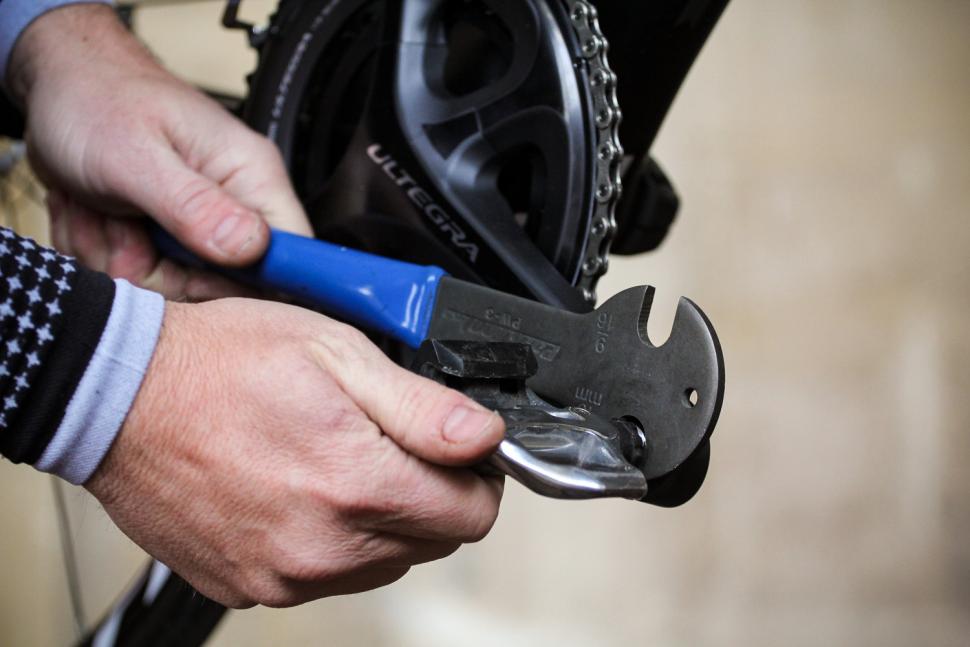
A pedal wrench is your best friend when it comes to removing pedals. It’s designed specifically for this job, providing the leverage needed to loosen tight pedals. Most pedal wrenches come in a 15mm size, which fits most standard pedals. With its long handle, you can easily exert force without straining your hands.
Imagine you’re on a cycling trip and suddenly need to swap pedals. Having a pedal wrench in your toolkit means you’re prepared for quick adjustments. Its slim design also allows you to reach pedals in tight spaces, making it essential for any cyclist.
Alternative Tools For Pedal Removal
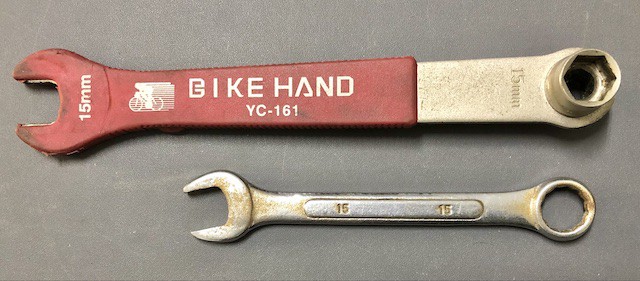
If you don’t have a pedal wrench handy, don’t worry. You can use a standard 15mm spanner or adjustable wrench. However, be cautious with adjustable wrenches, as they might slip and damage the pedal. Always ensure a snug fit before applying force.
Another surprising option is using an Allen key. Some pedals have an Allen key fitting on the inside, usually 6mm or 8mm. This can be a lifesaver if you find yourself without a proper wrench. It’s a technique many cyclists use during emergencies.
Have you ever found yourself stuck with pedals that just won’t budge? It’s a common frustration. Sometimes, the simplest tool can make all the difference. What other tools have you used in a pinch? Share your experiences in the comments below and let’s learn from each other!
Tips For Safe And Effective Pedal Installation
Installing bicycle pedals safely is crucial for a smooth ride. Proper installation ensures pedals work efficiently and lasts longer. Using the right wrench size is just one part of the process. Consider alignment and torque specifications for a secure fit.
Aligning Pedals Correctly
Align pedals with the crank threads to prevent cross-threading. This step is vital for a secure fit. Pedals have a left and right orientation. Look for markings to identify which side they belong. Left pedals usually have “L” marked, while right ones have “R”. Thread right pedals clockwise and left ones counterclockwise. This ensures they tighten properly during use.
Torque Specifications For Pedals
Proper torque prevents pedals from loosening over time. Use a torque wrench for accurate measurements. Most pedals require a torque of 30 to 35 Nm. Check the manufacturer’s guidelines for specific torque requirements. Over-tightening can damage threads or the crank arm. Under-tightening increases the risk of pedals coming loose. Always ensure the torque is within the recommended range.
Credit: road.cc
Troubleshooting Common Pedal Issues
Choosing the right wrench size ensures easy pedal adjustments. A 15mm wrench is typically ideal for bicycle pedals. Always check the pedal’s specifications for accurate sizing.
Troubleshooting common pedal issues on your bicycle can be a bit of a challenge, especially if you’re unsure about the right tools or techniques. Whether you’re a seasoned cyclist or someone who enjoys leisurely rides, dealing with pedal problems is something you can’t ignore. Let’s dive into some practical solutions that will help you handle these issues with ease.Dealing With Stuck Pedals
Stuck pedals can be frustrating, but patience is your best friend here. First, ensure you’re using the correct size wrench—typically, a 15mm is your go-to for most bicycle pedals. If the pedal refuses to budge, apply a bit of penetrating oil and give it some time to work its magic. Once the oil has had time to soak, try using the wrench again. Position your bike securely so you can apply steady pressure. If you still find it difficult, consider using a pedal wrench, which provides more leverage than a standard one. Have you ever thought about the satisfaction of feeling that pedal finally give way? It’s a small victory worth savoring.Preventing Damage During Removal
Preventing damage to your pedals and crank arms is crucial. Always ensure your wrench is properly aligned with the pedal flats. Misalignment can lead to stripping the pedal, which is a costly mistake. Use steady, even pressure when turning the wrench. Sudden jerks can cause slips, damaging both the pedal and your knuckles. Have you considered wearing gloves for extra grip and protection? Lastly, remember to loosen the pedals in the correct direction: clockwise for the left pedal and counterclockwise for the right. It’s a simple tip, but forgetting this can lead to unnecessary headaches. By adopting these strategies, you can handle pedal issues without stress. Remember, a little preparation and patience go a long way in ensuring your bike rides smoothly. What other bike maintenance tips have you found helpful? Share your experiences and let’s keep the conversation rolling!
Credit: www.amazon.com
Frequently Asked Questions
What Size Wrench Is Needed For Bike Pedals?
You need a 15mm wrench for most bike pedals. Some pedals require an 8mm Allen key. Always check your pedal specifications.
Are My Pedals 9 16 Or 1/2?
Pedal sizes are typically 9/16″ or 1/2″. Check your bike’s crank arm hole diameter to determine the correct size. Most modern bikes use 9/16″ pedals, while older or children’s bikes might use 1/2″. For accuracy, consult your bike’s manual or measure directly.
Can You Use A Regular Wrench Instead Of A Pedal Wrench?
Yes, you can use a regular wrench for pedals. Ensure it fits well to avoid damaging the pedal. A pedal wrench is recommended for better leverage and ease. Use caution to prevent injury or stripping threads.
Are All Pedals 15 Mm?
Not all bike pedals are 15 mm. Most common sizes are 9/16 inch and 1/2 inch. Always check your bike’s specifications for the correct pedal size.
Conclusion
Choosing the right wrench size for bicycle pedals is essential. It makes maintenance easier and prevents damage. Most pedals need a 15mm wrench. Some may require an 8mm or 6mm Allen key. Always check your bike’s manual for specifics. Using the correct tool saves time and effort.
It also ensures a smooth ride. Remember, regular pedal checks can enhance your biking experience. Keep your tools ready for quick adjustments. This basic knowledge helps maintain your bike’s performance. Happy cycling!

Ethan Montgomery is the administrator of carweldhub.com and an expert in the automotive industry. With hands-on experience in welding and a deep understanding of automotive parts and accessories, Ethan brings a wealth of practical knowledge to his work. His passion for the automotive field extends to blog writing and editing, where he shares valuable insights and tips with enthusiasts and professionals alike. Whether you’re looking for detailed technical advice or the latest trends in automotive technology, Ethan’s expertise makes him a trusted resource in the automotive community.