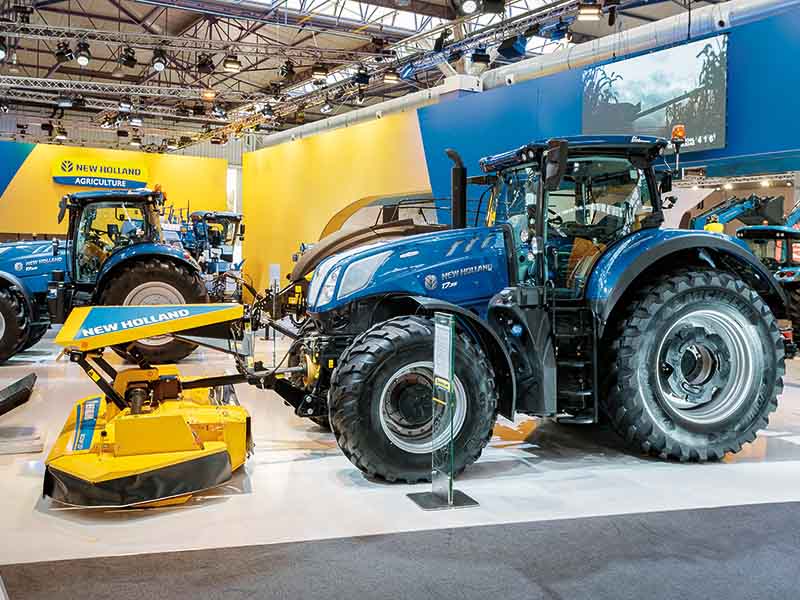
Where are New Holland Tractors Made: Discover Global Origins
Have you ever wondered where your reliable New Holland tractor is made? Knowing the origin of the machine you trust can give you a deeper connection to its quality and performance.
Whether you use these tractors for farming, landscaping, or heavy-duty work, understanding their roots helps you appreciate the craftsmanship behind every engine start. You’ll discover the exact places where New Holland tractors are built and why their manufacturing locations matter to you.
Keep reading to uncover the story behind the power that drives your work.

Credit: www.youtube.com
History Of New Holland Tractors
New Holland tractors are mainly made in the United States, Italy, and other countries. These locations support global farming needs with reliable manufacturing. The brand has a rich history tied to these production sites worldwide.
The story of New Holland Tractors is a fascinating journey through innovation and agricultural advancement. Founded in a small town in Pennsylvania, New Holland has grown into a global leader in the tractor industry. This success is rooted in a rich history that reflects the perseverance and ingenuity of its founders and the community.Early Beginnings In Pennsylvania
New Holland’s journey began in 1895 when Abe Zimmerman opened a small repair shop in New Holland, Pennsylvania. His dedication to quality and practical solutions quickly gained the trust of local farmers. As demand grew, Zimmerman expanded his offerings, marking the humble beginnings of a company destined for greatness.Innovation Takes Center Stage
In the early 1900s, New Holland introduced one of its first major inventions, the freeze-proof engine. This innovation addressed a crucial challenge faced by farmers during harsh winters. It wasn’t long before New Holland became synonymous with reliable machinery that stood the test of time and nature.Global Expansion
The mid-20th century marked a significant era of growth for New Holland. The company began exporting its machines, making a name for itself worldwide. With each new market, New Holland adapted its tractors to meet local needs, showcasing its commitment to farmers everywhere.Joining Forces With Ford
In 1986, New Holland merged with Ford, combining strengths to enhance their offerings. This partnership brought together the expertise of two giants, leading to innovative designs and increased production capabilities. The collaboration paved the way for cutting-edge technology in farming equipment.Present Day And Future Prospects
Today, New Holland continues to lead with its state-of-the-art tractors, designed to meet the evolving needs of modern agriculture. With a focus on sustainability and efficiency, the company is poised for continued success. As you explore the fields of tomorrow, how will New Holland’s legacy shape your farming journey?
Credit: conservativepost.co.uk
Manufacturing Locations Worldwide
New Holland tractors are crafted in several key locations around the world, ensuring that each machine meets high standards of quality and performance. Understanding where these tractors are made gives you insight into the blend of technology, craftsmanship, and local expertise involved. Let’s take a closer look at the major manufacturing hubs across the globe that bring New Holland tractors to life.
North America Facilities
In North America, New Holland operates state-of-the-art plants primarily in the United States and Canada. These facilities focus on producing a wide range of tractor models, tailored to meet the demands of North American farmers.
One notable location is the plant in Burr Ridge, Illinois, where advanced assembly techniques and rigorous testing ensure each tractor performs reliably in tough agricultural conditions. Have you ever wondered how local manufacturing influences the design to suit specific regional needs?
European Plants
Europe is home to several key New Holland production sites, with major plants in Italy and the United Kingdom. These plants benefit from decades of engineering heritage and innovation.
The facility in Basildon, UK, specializes in manufacturing compact tractors, while the plant in Lecce, Italy, focuses on larger models with advanced features. The European sites emphasize sustainability and precision, reflecting the region’s strict environmental standards and farming practices.
Asian Production Sites
New Holland’s presence in Asia includes manufacturing units in India and China, serving the growing agricultural markets in these countries. These plants adapt the tractors to local farming styles and terrain challenges.
The Indian facility in Pune stands out for producing cost-effective models that maintain durability and efficiency. How do you think the cultural and agricultural differences in Asia shape the design and functionality of these tractors?
South American Factories
In South America, New Holland has factories primarily in Brazil, a country with diverse agricultural demands. These plants produce tractors suited for everything from small farms to large-scale plantations.
The Piracicaba plant in Brazil is known for integrating robust build quality with modern technology, ensuring tractors can handle the region’s varied soil and climate conditions. This local manufacturing allows for quicker delivery and tailored support to farmers in South America.
Key Features Of Each Manufacturing Site
New Holland tractors are made in several key manufacturing sites worldwide. Each site has unique features that shape the quality and performance of the tractors. These features include advanced technology, skilled workforce, and high production capacity. Understanding these elements helps explain why New Holland tractors are reliable and efficient.
Technological Innovations
Each manufacturing site uses modern machines and automation. Robotics help in precise assembly and quality checks. Advanced software monitors production to reduce errors. Some sites focus on developing eco-friendly engines and fuel systems. Innovation ensures tractors meet global standards and customer needs.
Workforce And Expertise
Skilled workers form the backbone of every factory. Many employees have years of experience in tractor manufacturing. Regular training keeps workers updated on new techniques. Experts in engineering and design collaborate closely on production. This teamwork improves product quality and consistency.
Production Capacity
Manufacturing sites vary in size and output. Larger plants produce thousands of tractors annually. Smaller facilities focus on specialized or custom models. Efficient assembly lines speed up production without sacrificing quality. Supply chain management ensures timely delivery of parts and tractors.

Credit: m.youtube.com
Global Supply Chain And Logistics
The global supply chain and logistics behind New Holland tractors reveal a complex network working seamlessly to deliver quality machines worldwide. Understanding this system shows how parts and finished tractors move across continents efficiently. It also highlights the importance of coordination between manufacturing sites, suppliers, and distributors.
Global Manufacturing Hubs
New Holland tractors are produced in several key locations around the world. These include factories in the United States, Italy, Brazil, and India. Each site specializes in different models, allowing for tailored production that meets regional market demands.
Supply Chain Coordination
Suppliers from multiple countries provide components like engines, transmissions, and electronics. This requires precise timing to ensure parts arrive just in time for assembly. Managing this helps reduce inventory costs and keeps production lines running smoothly.
Logistics And Distribution Networks
Once assembled, tractors travel through a well-planned logistics network. Shipping methods include rail, truck, and sea freight, depending on the destination. This multi-modal approach balances speed and cost, ensuring tractors reach customers without unnecessary delays.
Challenges In Global Logistics
Weather disruptions, customs delays, and fluctuating fuel prices often impact delivery schedules. New Holland’s logistics teams use real-time tracking and flexible routing to overcome these hurdles. Have you ever wondered how such a large operation adapts quickly to unexpected challenges?
Impact On You As A Customer
Efficient supply chains mean you get reliable tractors on time, with parts readily available for maintenance. It also keeps prices competitive by controlling manufacturing and shipping costs. Knowing this can help you appreciate the effort behind your tractor’s availability.
Impact Of Manufacturing Origins On Tractor Quality
The place where New Holland tractors are made plays a key role in their quality. Manufacturing origins influence design, materials, and final build. These factors affect tractor durability and performance.
Factories in different countries have unique strengths and challenges. Skilled labor, technology, and quality control vary by location. These differences impact how well each tractor meets customer needs.
Global Manufacturing Network And Quality Control
New Holland uses plants worldwide to produce tractors. This global network helps maintain consistent standards. Each facility follows strict quality control measures.
Advanced equipment and trained workers ensure high-quality output. Regular audits check for defects or deviations. This system reduces errors and improves reliability.
Material Sourcing And Its Effect On Durability
Raw materials come from regional suppliers near factories. Local sourcing can reduce costs but must meet strict criteria. Using quality steel and parts ensures tractor strength.
Factories choose suppliers carefully to avoid weak components. Durable materials help tractors work longer in tough conditions. This focus protects customer investment over time.
Skilled Workforce And Craftsmanship
Experienced workers bring craftsmanship to tractor assembly. Some factories have long traditions of agricultural machinery production. This expertise boosts attention to detail.
Training programs keep workers updated on new technologies. Skilled hands and knowledge improve final product quality. Customers gain tractors that perform reliably every day.
Technological Innovation Based On Location
Different factories adopt technologies suited to local markets. Some plants focus on advanced electronics or fuel efficiency. This adaptation helps tractors meet diverse needs.
Technology integration enhances ease of use and productivity. Manufacturing origins influence how quickly innovations appear. This shapes the tractor’s overall quality and value.
Future Trends In New Holland Manufacturing
New Holland manufacturing is evolving with new technologies and smart processes. The company focuses on sustainability and efficiency. These future trends will shape the tractors of tomorrow. They aim to reduce waste and boost productivity. Innovation drives New Holland’s manufacturing plants worldwide.
Automation And Smart Factories
Robots and machines handle more tasks in factories. This reduces errors and speeds up production. Sensors track every step to ensure quality. Smart factories use data to improve work and save energy. Workers collaborate with machines for better results.
Use Of Sustainable Materials
New Holland is shifting to eco-friendly materials. Recycled metals and plastics find more use in parts. This lowers the environmental impact of manufacturing. The company tests new materials that last longer. Sustainability is a key goal for future tractors.
Electric And Hybrid Tractor Production
Electric and hybrid models are rising in demand. Manufacturing lines adapt to new battery and motor parts. This reduces emissions and fuel use on farms. New Holland invests in clean energy technologies. These tractors will help farmers save money and the planet.
Digital Twin Technology
Factories create digital copies of machines and processes. This helps engineers test changes without stopping production. Problems are found early and fixed fast. Digital twins improve design and reduce downtime. They lead to better, smarter tractors.
Global Collaboration And Local Adaptation
New Holland shares technology across global factories. Each plant adapts to local needs and rules. This balance keeps costs low and quality high. Local workers get training in new methods. The company grows strong by blending global and local strengths.
Frequently Asked Questions
Where Are New Holland Tractors Manufactured?
New Holland tractors are mainly manufactured in the United States, Italy, and Brazil. Key production plants include Burr Ridge, Illinois, and Modena, Italy. These locations ensure high-quality engineering and global distribution.
Are New Holland Tractors Made In The Usa?
Yes, several New Holland tractor models are produced in the USA, specifically in Burr Ridge, Illinois. The US plants focus on advanced technology and cater to North American markets.
Does New Holland Produce Tractors In Italy?
Yes, New Holland has major manufacturing facilities in Modena, Italy. Italian plants specialize in compact and mid-sized tractors, combining European design with robust performance.
Which Countries Export New Holland Tractors Globally?
New Holland exports tractors from the USA, Italy, and Brazil. These countries serve global markets, including Europe, North America, South America, and Asia, ensuring worldwide availability.
Conclusion
New Holland tractors are made in several countries worldwide. Factories in the USA, Italy, and Brazil produce many models. Each location focuses on quality and durability. This global approach helps meet farmers’ needs everywhere. Knowing where these tractors come from shows their strong heritage.
It also helps buyers trust the brand. Farming demands reliable machines, and New Holland delivers. Understanding their origins adds value to your choice. Trust in a tractor made with care and skill.

Automotive Specialist & Expert Mechanic
Noah Brooks is a skilled automotive expert with a passion for both the technical and creative aspects of the automotive world. With years of experience in repairing, restoring, and enhancing vehicles, Noah is known for his deep knowledge of car mechanics, parts, and accessories. His expertise extends to welding, troubleshooting, and offering advice on the latest car technologies and trends. Whether it’s diagnosing complex issues or guiding readers through DIY car repairs, Noah’s blog posts are filled with hands-on insights that appeal to both novice and experienced car enthusiasts. When he’s not writing, Noah is working on his own car projects, continually learning and sharing his automotive passion with the world.