What are Symptoms of Bad Ball Joints: Key Signs to Watch For
Have you noticed strange noises or unusual handling when you drive? These could be signs that your ball joints are worn out.
Ball joints play a crucial role in your vehicle’s steering and suspension. If they go bad, it can affect your safety on the road. You’ll learn how to spot the symptoms of bad ball joints before they turn into costly repairs or dangerous accidents.
Keep reading to protect your car and yourself.

Credit: www.youtube.com
Role Of Ball Joints
Ball joints connect the car’s wheels to the suspension, allowing smooth movement. Worn ball joints cause clunking noises, uneven tire wear, and poor steering control. These symptoms signal the need for inspection and possible replacement.
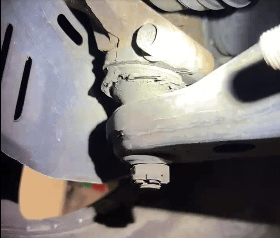
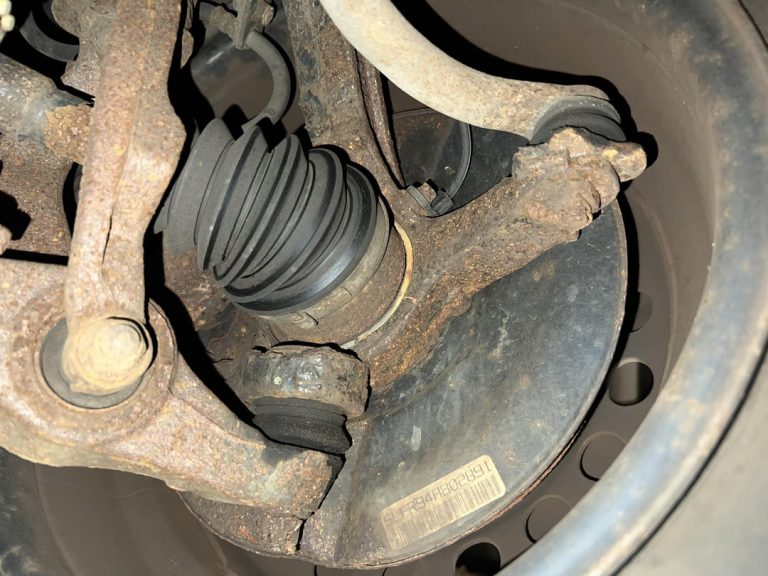
Ball joints may not be the most glamorous part of your vehicle, but they play a crucial role in ensuring a smooth and safe ride. These small, ball-and-socket components connect your car’s control arms to the steering knuckles, allowing for a range of motion in the suspension system. Without them, your car’s ability to handle bumps and turns smoothly would be severely compromised.What Happens When Ball Joints Wear Out?
Over time, ball joints can wear out due to constant movement and exposure to road debris. When they begin to fail, you might notice a few telltale signs. You could experience a clunking noise when driving over bumps or uneven surfaces. This noise is usually a result of the joint’s wear causing a loose fit.How Do Worn Ball Joints Affect Your Driving?
Worn ball joints can lead to significant steering issues. You might find your vehicle drifting to one side, requiring constant correction. This can make driving tiring and even dangerous, especially at high speeds. A loose steering wheel is another red flag, indicating that the ball joints are no longer providing the tight connection they once did.Why Regular Inspection Is Crucial
Regularly inspecting your ball joints can save you a lot of hassle down the road. It’s a simple task that can prevent more costly repairs. During an inspection, a mechanic checks for excessive play in the joint and looks for wear or damage. Addressing these issues early can prevent them from escalating into more serious problems.Personal Experience: The Price Of Neglect
I once ignored the signs of bad ball joints, thinking the noise was just a minor nuisance. It wasn’t until my steering felt dangerously loose that I realized the gravity of the situation. A quick visit to the mechanic confirmed my worst fears—my ball joints were shot. The repair cost was a bitter pill to swallow, but it was a necessary lesson in car maintenance. Why wait for things to go south? Keeping an eye on your ball joints can save you time, money, and potential danger. Are you ready to take action and ensure your vehicle is in top shape?
Credit: www.counterman.com
Common Symptoms
Recognizing the common symptoms of bad ball joints can save you from costly repairs and unsafe driving conditions. These symptoms often appear gradually, making it easy to overlook their seriousness. Pay close attention to how your vehicle behaves; subtle changes can point directly to worn ball joints.
Clunking Noises
Have you ever heard a clunking sound when driving over bumps or during turns? This noise often comes from loose or worn ball joints. It’s a clear signal that the ball joint isn’t holding the suspension parts tightly together like it should.
Ignoring these noises can lead to more severe damage. Next time you hear that clunk, don’t assume it’s just the road—check your ball joints.
Uneven Tire Wear
Notice your tires wearing out faster on one side? Uneven tire wear often points to bad ball joints affecting your wheel alignment. When ball joints degrade, they allow excessive movement in the suspension, causing your tires to scrub unevenly against the road.
This issue can reduce tire lifespan and impact your vehicle’s handling. Are you tracking your tire condition regularly enough to catch this early?
Steering Issues
Do you feel your steering is loose or your vehicle pulls to one side? Faulty ball joints can cause steering to become unresponsive or erratic. This happens because the connection between your wheels and suspension weakens, making it harder to control your car precisely.
Steering problems are not just inconvenient—they’re dangerous. If you’ve noticed any unusual behavior while turning or driving straight, it’s time to inspect your ball joints.
Vibrations While Driving
Feeling vibrations in the steering wheel or throughout the car while driving can be unsettling. Worn ball joints often cause these vibrations by allowing excessive movement in the suspension system. The more you drive with bad ball joints, the worse the vibrations can become.
Imagine trying to maintain control when your car feels shaky—would you wait or act immediately? Don’t let vibrations go unchecked; they’re a warning your suspension needs attention.
Visual Signs Of Damage
Spotting visual signs of bad ball joints early can save you from costly repairs and unsafe driving conditions. These signs are often easy to miss unless you know exactly what to look for. Paying close attention to the physical condition of your ball joints can help you catch problems before they worsen.
Worn Or Torn Dust Boots
Dust boots protect the ball joints from dirt, debris, and moisture. When these boots are worn or torn, contaminants can enter and cause rapid wear. You might notice grease leaking around the joint or visible cracks and tears in the rubber boot.
Have you ever checked your car’s suspension components during a routine wash? I found a torn dust boot on my vehicle last year, and catching it early prevented a full joint replacement. Regular visual inspections can reveal these small damages before they lead to bigger issues.
Excessive Play In The Joint
Excessive play means the ball joint moves more than it should, causing instability. Visually, you might see the joint shifting or the suspension sitting unevenly. This can sometimes be spotted by gently rocking the wheel back and forth and watching the ball joint closely for movement.
Excessive play often leads to uneven tire wear or clunking noises when driving over bumps. If you notice your steering feels loose or your vehicle wanders on the road, the ball joints might be the culprit. Checking for this visual sign can help you decide if it’s time for a professional inspection.

Credit: www.counterman.com
Driving Conditions That Reveal Problems
Driving can expose hidden issues with your ball joints. Certain conditions stress these components and show signs of wear. Being aware of these moments helps catch problems early. Pay attention to how your vehicle reacts during specific driving actions. These clues point to bad ball joints needing attention.
Turning And Cornering
Ball joints allow your wheels to move smoothly when turning. Worn joints cause a clunking or popping sound during corners. The steering may feel loose or unresponsive. You might sense a slight shaking or pulling as you turn. These signs suggest the joints are loose or damaged.
Braking Sensations
Bad ball joints affect how the vehicle responds under braking. You may notice a vibration or shimmy through the brake pedal. The car might pull to one side while stopping. This happens because the worn joints let the wheels shift slightly. Such sensations indicate a need to inspect your suspension.
Rough Roads Impact
Driving on uneven surfaces stresses ball joints more than smooth roads. You might hear knocking noises over bumps. The steering can feel unstable or jumpy on rough patches. Excessive movement in the suspension signals joint wear. Rough roads often reveal problems that go unnoticed on flat streets.
Risks Of Ignoring Bad Ball Joints
Ignoring bad ball joints can lead to serious consequences for your vehicle’s safety and performance. These small parts play a big role in how your car handles, and neglecting them puts you at risk on the road. Understanding the risks helps you decide when to take action before problems spiral out of control.
Increased Risk Of Accidents
Worn ball joints make your steering less precise. You may notice your car pulling to one side or feeling loose when turning. This lack of control can cause dangerous situations, especially at high speeds or in bad weather.
Have you ever felt your car sway unexpectedly? That’s a warning sign you shouldn’t ignore. Bad ball joints reduce your ability to react quickly, increasing the chance of accidents.
Damage To Other Suspension Parts
Bad ball joints don’t just affect themselves—they put extra strain on other suspension components. This can lead to premature wear of tires, control arms, and shocks. Fixing one bad ball joint early can save you from a costly chain reaction of repairs.
Think about how much time and money you can save by addressing the problem early. Would you rather replace a single part or an entire suspension system?
Poor Tire Wear And Alignment Issues
When ball joints wear out, your wheels don’t stay properly aligned. This causes uneven tire wear, which means tires wear out faster and lose grip. Uneven tires also affect fuel efficiency, costing you more at the pump.
Have you checked your tires lately? If they’re wearing unevenly, bad ball joints could be the hidden culprit. This problem sneaks up on many drivers but is easy to fix once spotted.
Costly Repairs And Vehicle Downtime
Ignoring bad ball joints leads to bigger repairs down the line. What starts as a simple replacement can turn into a full suspension overhaul. This not only costs more money but also means more time without your vehicle.
Ask yourself—how much is your time worth? A quick repair now can keep you on the road longer and save you from unexpected breakdowns.
When To Get A Professional Check
Knowing the right time to get a professional check for bad ball joints can save your vehicle from serious damage. Ball joints connect the wheels to the suspension system. Worn or damaged ball joints affect driving safety and vehicle control. Early inspection helps avoid costly repairs and accidents.
Signs Of Unusual Noises While Driving
Listen for clunking or knocking sounds when turning or driving over bumps. These noises often indicate loose or worn ball joints. Such sounds should prompt an immediate check by a mechanic.
Visible Wear Or Damage During Routine Checks
Look for torn rubber boots or grease leaks around the ball joints. These signs mean dirt and moisture can enter, causing faster wear. A professional can properly inspect and replace damaged parts.
Difficulty In Steering Or Handling
If steering feels loose or the vehicle pulls to one side, ball joints might be failing. This reduces driving control and increases accident risk. A mechanic can diagnose and fix the problem.
Uneven Tire Wear Patterns
Check tires for unusual or uneven wear. Bad ball joints affect wheel alignment, causing tires to wear unevenly. Early detection allows timely repair and tire replacement.
Vibrations Felt In The Steering Wheel
Notice any shaking or vibrations in the steering wheel while driving. This can result from worn ball joints that no longer hold wheels firmly. Professional inspection can identify the exact issue.
Frequently Asked Questions
What Are Common Signs Of Bad Ball Joints?
Common signs include uneven tire wear, clunking noises, and steering wheel vibrations. These indicate worn or damaged ball joints.
How Does A Bad Ball Joint Affect Vehicle Handling?
A bad ball joint causes loose or unstable steering, making your vehicle harder to control and increasing accident risk.
Can Bad Ball Joints Cause Tire Wear Issues?
Yes, worn ball joints lead to uneven tire wear, reducing tire life and affecting vehicle alignment.
What Noise Indicates Failing Ball Joints?
Clunking or knocking sounds during turns or over bumps often signal failing ball joints needing inspection.
Conclusion
Bad ball joints show clear signs you should not ignore. Strange noises, uneven tire wear, and loose steering often appear first. These symptoms affect your car’s safety and handling. Catching problems early can save money and prevent accidents. Always check ball joints during regular car maintenance.
Stay alert to any unusual changes while driving. Taking care of your vehicle keeps you safe on the road. Don’t wait until small issues become big problems. Regular inspections help maintain smooth and safe rides every time.

Automotive Specialist & Expert Writer
Tyler Kingston is a passionate automotive writer with a wealth of knowledge in all things cars. With years of experience in the automotive industry, Tyler specializes in everything from vehicle maintenance to the latest car technologies and innovations. He is known for his ability to break down complex automotive concepts into easily digestible, engaging content for both novice and experienced car enthusiasts. Whether it’s detailing car repair techniques, reviewing new car models, or diving into the world of auto accessories, Tyler’s articles provide valuable insights to readers. His hands-on experience, combined with a genuine love for cars, allows him to deliver expert advice, tips, and news that keeps readers coming back for more.