Why is My Car Sputtering When I Hit the Gas: Uncover Causes
Imagine this: you’re merging onto a busy highway or simply trying to accelerate away from a stoplight, and suddenly, your car starts to sputter. It’s a frustrating moment that leaves you worried and wondering, “Why is my car sputtering when I hit the gas? Why won’t it just swallow?”
You’re not alone in this experience, and understanding the reasons behind it is crucial for your peace of mind and safety on the road. We’re diving into the common causes of a sputtering engine. By the end, you’ll not only know what might be going wrong, but you’ll also feel empowered to take the right steps to get your car running smoothly again.
Whether you’re dealing with this issue now or just want to be prepared for the future, keep reading to arm yourself with essential knowledge that could save you time, money, and stress.
Common Fuel System Issues
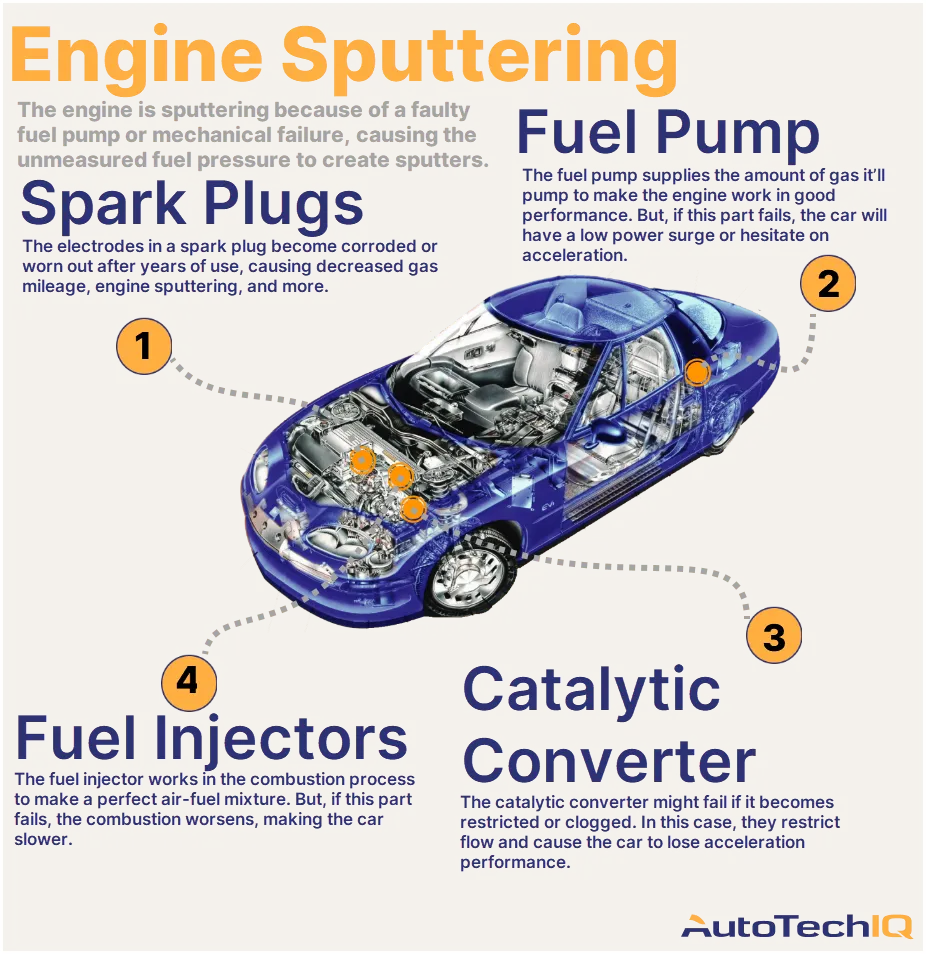
Experiencing car sputtering during acceleration often points to common fuel system issues. Clogged fuel filters or faulty fuel pumps can disrupt smooth fuel flow. Dirty injectors might also cause irregular combustion, leading to sputtering. Regular maintenance helps prevent these annoying problems.
Common fuel system issues can often make your car sputter. These problems can disrupt your vehicle’s performance. Understanding these issues can help you identify the cause. Addressing them early can save you time and money.
Clogged Fuel Injectors
Fuel injectors spray fuel into the engine. Over time, they can get clogged. Dirt and debris in fuel cause this blockage. Clogged injectors can’t deliver enough fuel. This leads to poor engine performance. You might notice sputtering during acceleration. Regular cleaning can prevent this issue.
Faulty Fuel Pump
The fuel pump moves fuel from the tank to the engine. A faulty pump can’t maintain pressure. This results in insufficient fuel delivery. Your car may sputter or stall. The engine struggles to get the fuel it needs. Listen for a whining noise from the tank area. It could be a sign of a failing pump.
Dirty Fuel Filter
The fuel filter keeps impurities out of the engine. Over time, it can become dirty or clogged. This restricts fuel flow to the engine. A dirty filter can cause your car to sputter. Regular replacement ensures smooth fuel delivery. Check your vehicle’s manual for the recommended interval.
Credit: kernersvilleautocenter.com
Ignition System Problems
When your car starts sputtering as you hit the gas, it might be hinting at ignition system problems. These issues are often overlooked, yet they can drastically affect your car’s performance. Ignition system problems can lead to inefficient combustion, resulting in a rough ride and decreased fuel efficiency. Understanding these common problems can save you time, money, and a lot of frustration.
Worn Spark Plugs
Imagine driving on a highway, feeling the engine hesitate as you accelerate. This could be due to worn spark plugs. Spark plugs ignite the air-fuel mixture in the engine, and if they’re worn out, this ignition won’t happen smoothly. You might notice rough idling or trouble starting your car. Replacing spark plugs is a simple fix that can restore your engine’s performance.
Malfunctioning Ignition Coils
Ignition coils play a crucial role by transforming the battery’s low voltage into thousands of volts needed to create an electric spark. If these coils malfunction, your car may sputter or stall. A friend once told me about how her car started sputtering one cold morning, and replacing the faulty ignition coil solved the issue. If your car frequently struggles to start, consider checking the ignition coils.
Damaged Distributor Cap
The distributor cap is essential for directing voltage from the ignition coil to the correct cylinder. Damage to this cap can disrupt this process, leading to sputtering. Picture your car as an orchestra; if the conductor fails to direct properly, the music sounds off. Similarly, a damaged distributor cap can cause misfires. Inspecting and replacing a damaged cap can ensure smoother engine operation.
Have you ever faced sputtering issues with your car? Maybe it’s time to check these components. Ignition system problems are often easy to address but can lead to significant headaches if ignored. Regular maintenance can keep your car running smoothly and efficiently. Have a look under the hood the next time your car sputters and see if these parts might be the culprit.
Exhaust System Blockages
Experiencing sputtering when accelerating often indicates exhaust system blockages. These blockages can restrict airflow, causing irregular engine performance. Regular maintenance helps ensure your exhaust system functions smoothly, preventing sputtering issues.
When your car sputters as you hit the gas, it can be both frustrating and concerning. One common culprit could be blockages in your exhaust system. These blockages prevent the smooth flow of exhaust gases and can lead to a range of performance issues. Understanding the role of the exhaust system and its components can help you pinpoint the problem and take the necessary steps to resolve it.
Clogged Catalytic Converter
The catalytic converter plays a crucial role in reducing harmful emissions from your vehicle. However, it can become clogged over time, especially if you often drive short distances or use fuel of questionable quality. A clogged catalytic converter restricts the flow of exhaust gases, resulting in poor engine performance and sputtering when accelerating. You might notice a rotten egg smell or a drop in fuel efficiency. If left unchecked, a clogged converter can lead to more severe damage. Have you considered getting your catalytic converter inspected if your car sputters frequently? It could save you time and money in the long run.
Restricted Exhaust Pipes
Exhaust pipes are designed to carry gases away from your engine efficiently. But they can become restricted due to rust, debris, or dents, impeding the flow. This restriction can cause back pressure, leading to sputtering when you hit the gas. Sometimes, a visual inspection can reveal issues like dents or rust that might be causing the problem. Have you checked your exhaust pipes for signs of damage? It’s a simple step that can significantly improve your vehicle’s performance. Regular maintenance and inspections can prevent these blockages from becoming a headache. So, what steps will you take to ensure your exhaust system is clear and functioning properly? Your car’s performance depends on it.
Air Intake System Malfunctions
Your car’s performance depends on efficient air intake. The air intake system supplies the engine with clean air. Malfunctions can disrupt this process, leading to sputtering. Understanding the components can help identify the issue. Let’s explore some common air intake problems.
Dirty Air Filter
A clean air filter ensures smooth airflow to the engine. Dust and debris clog the filter over time. This restricts air supply, affecting combustion. The engine may sputter or lose power. Regular inspection is crucial. Replace the filter if it’s dirty. This simple step can enhance engine performance.
Faulty Mass Airflow Sensor
The mass airflow sensor measures air entering the engine. It sends signals to the engine control unit. A faulty sensor gives incorrect readings. This leads to improper fuel-air mix. The result is sputtering or rough idling. Symptoms include poor acceleration and reduced efficiency. Testing the sensor can confirm issues. Replacing a faulty sensor restores engine function.
Sensor And Computer Issues
Car sputtering can result from sensor and computer issues. Faulty sensors might send incorrect data, confusing the engine computer. This confusion affects fuel delivery, causing sputtering when you accelerate. Regular checks on sensors and computer systems help maintain smooth engine performance.
When your car sputters as you hit the gas, it can be unnerving. One potential cause behind this issue could be sensor and computer problems. Modern cars rely heavily on a network of sensors and a computer system known as the ECU (Engine Control Unit) to manage engine performance. If something goes awry within this network, it can lead to a sputtering engine. But how do you pinpoint the issue? Let’s delve into some common sensor and computer-related culprits.
Defective Oxygen Sensor
A malfunctioning oxygen sensor can disrupt your car’s engine performance. This sensor plays a crucial role in measuring the oxygen levels in the exhaust gases. If it’s defective, it may send incorrect data to the ECU, which can alter the air-fuel mixture. This incorrect mixture can cause your engine to run inefficiently, leading to sputtering. If you’ve noticed a drop in fuel efficiency or an unusual smell from the exhaust, it’s worth checking the oxygen sensor. Replacing a faulty sensor can often resolve the issue, restoring smooth acceleration and better fuel economy.
Ecu Malfunctions
The ECU is the car’s brain, controlling various functions, including the air-fuel mixture and ignition timing. If it malfunctions, your car can experience performance issues like sputtering. This problem can be due to software glitches, physical damage, or electrical issues. You might experience inconsistent engine performance, stalling, or warning lights on the dashboard. Having a professional run a diagnostic check can help identify if the ECU is the source of the problem. Updating the software or, in some cases, replacing the ECU can get your car back to optimal performance. Next time your car hesitates or sputters when you press the gas pedal, consider whether sensor and computer issues might be at play. How long will you let an unresolved issue impact your driving experience? Addressing it sooner rather than later can save you from more costly repairs in the future.
Credit: www.genesisofmanchester.com
Mechanical Engine Problems
Experiencing sputtering when you hit the gas can be frustrating. Mechanical engine problems often cause this issue. Understanding these problems helps in diagnosing and fixing your car. Your engine relies on many components working smoothly together. If one part fails, it can affect the entire system. Let’s explore some common mechanical issues that might cause sputtering.
Vacuum Leaks
Vacuum leaks disrupt the air-fuel mixture in the engine. This imbalance can lead to sputtering and hesitation. The engine needs a precise balance of air and fuel. A leak allows excess air into the system. This confuses the engine’s sensors. The result is poor performance and sputtering. Inspect hoses and gaskets for any signs of wear or damage. Tightening loose connections might solve the problem.
Timing Belt Issues
The timing belt controls the engine’s valves. If it wears out or slips, the engine’s timing goes off. This misalignment can cause sputtering. The engine struggles to maintain its rhythm. A damaged timing belt needs immediate attention. Regular checks can prevent major engine damage. Ensure the timing belt is in good condition. Replace it according to the manufacturer’s recommendations.
Diagnosing The Problem
Experiencing sputtering when accelerating can be frustrating. Common causes include clogged fuel injectors or a faulty spark plug. Addressing these issues promptly can help prevent further damage.
Diagnosing the problem of a sputtering car can seem daunting. But, understanding where to start makes it easier. The key lies in a systematic approach. This helps pinpoint the exact issue. Below are some steps to diagnose why your car sputters when you hit the gas.
Listening For Unusual Noises
Start by listening to your car. Unusual noises can tell a lot. A hissing noise may indicate a vacuum leak. Popping sounds might suggest issues with the exhaust system. Listen carefully while accelerating. This can be the first clue in diagnosing the problem.
Checking For Error Codes
Use an OBD-II scanner to check for error codes. Modern cars store trouble codes when something is wrong. These codes can guide you to the problem. A code for a misfire could mean spark plug issues. A fuel system error might suggest a clogged injector. Checking codes helps narrow down the cause.
Conducting A Visual Inspection
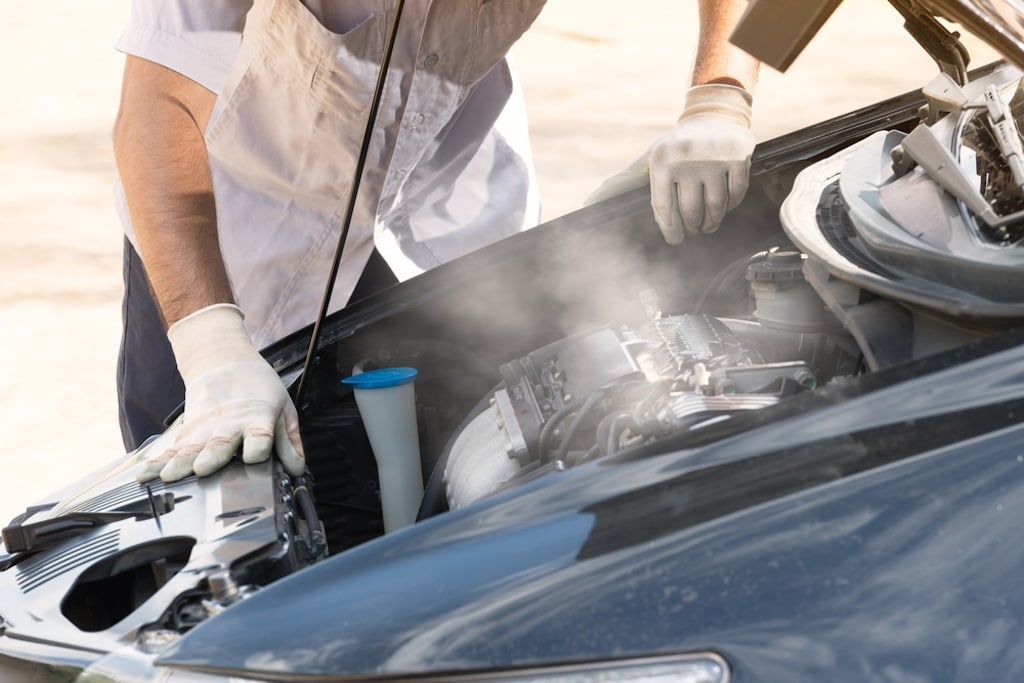
Perform a thorough visual inspection of your car. Look for obvious signs of wear or damage. Check the spark plugs for dirt or damage. Inspect fuel lines for leaks or blockages. Examine the air filter for clogs. A quick look under the hood can reveal much about the issue.
Preventive Maintenance Tips
Your car sputtering can be frustrating. It might be a sign of underlying issues. Don’t wait for problems to arise. Regular preventive maintenance can keep your vehicle running smoothly.
Regular Tune-ups
Tune-ups help maintain engine health. During a tune-up, check spark plugs and air filters. Clean or replace them when needed. This ensures efficient fuel combustion. A smooth-running engine means no sputtering.
Timely Oil Changes
Oil lubricates engine parts. It reduces friction and wear. Change oil regularly to keep the engine clean. Dirty oil can lead to sputtering. Fresh oil ensures your engine runs efficiently.
Fuel System Cleaners
Fuel system cleaners remove deposits. They improve fuel flow and combustion. Use them periodically to maintain fuel system health. Cleaner fuel systems lead to smoother acceleration. Reduced sputtering means a happier drive.
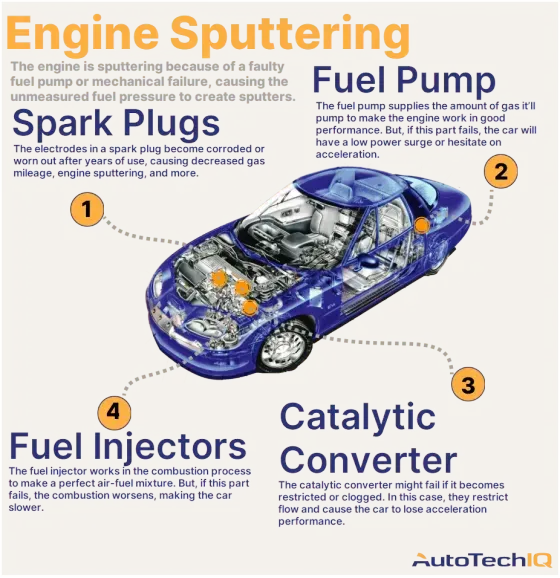
Credit: www.autotechiq.com
Frequently Asked Questions
How Do I Fix My Car From Sputtering?
Check the fuel filter and replace if clogged. Inspect spark plugs for wear and replace them. Ensure the fuel pump is functioning properly. Examine the air filter and clean or replace if dirty. Consider using a fuel injector cleaner to remove deposits.
Why Does My Car Sputter Every Time I Put Gas In It?
Your car sputters after fueling due to potential issues like clogged fuel filters, faulty fuel injectors, or air leaks. Check for problems with the fuel system or air intake. Proper maintenance can prevent these issues. Consult a mechanic for a thorough inspection and repair if the problem persists.
Is It Bad To Drive A Sputtering Car?
Driving a sputtering car can be dangerous. It may indicate engine issues or fuel system problems. Ignoring it could lead to breakdowns. Get it checked by a mechanic promptly to prevent further damage. Regular maintenance ensures vehicle safety and longevity, reducing risks on the road.
Why Is My Car Jerking When I Hit Gas?
Your car might jerk when hitting the gas due to dirty fuel injectors, clogged air filters, or faulty spark plugs. Check for engine misfires, transmission issues, or a failing catalytic converter. Regular maintenance can prevent these problems and ensure smoother acceleration.
Conclusion
Experiencing car sputtering can be frustrating. Addressing this issue promptly matters. Common causes include fuel system problems and faulty spark plugs. Regular maintenance helps prevent sputtering. Check your car’s manual for guidance. Consult a mechanic for persistent issues. A professional can diagnose and fix the problem.
Keeping your car in good condition ensures safer and smoother drives. Remember, early detection saves you from costly repairs. Prioritize car health to enjoy stress-free journeys. Stay informed and attentive to your car’s needs. Your vehicle will thank you.

Ethan Montgomery is the administrator of carweldhub.com and an expert in the automotive industry. With hands-on experience in welding and a deep understanding of automotive parts and accessories, Ethan brings a wealth of practical knowledge to his work. His passion for the automotive field extends to blog writing and editing, where he shares valuable insights and tips with enthusiasts and professionals alike. Whether you’re looking for detailed technical advice or the latest trends in automotive technology, Ethan’s expertise makes him a trusted resource in the automotive community.