Do I Need a Fuel Pump for My LS Swap: Essential Guide
Are you planning an LS swap and wondering if you really need a new fuel pump? This question might seem simple, but the answer can make or break your build.
Using the wrong fuel pump can cause engine problems, poor performance, or even damage. You’ll discover exactly when and why a fuel pump is essential for your LS swap. Keep reading to avoid costly mistakes and make sure your engine runs smoothly every time you hit the ignition.
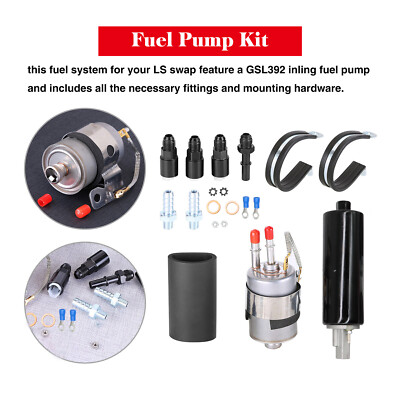
Credit: www.ebay.com
Fuel Pump Basics
Understanding the basics of fuel pumps is crucial when you’re planning an LS swap. The fuel pump plays a key role in delivering the right amount of fuel to your engine, ensuring it runs smoothly and efficiently. Without the proper fuel pump, your LS engine could suffer from poor performance or even damage.
Role In Ls Swap
The fuel pump supplies fuel from the tank to the engine at the correct pressure and volume. LS engines typically require higher fuel flow compared to many stock engines, so the pump must meet these demands.
Think about it this way: if your pump can’t deliver enough fuel, your engine will starve and run lean. This can cause misfires, overheating, or serious engine damage. On the flip side, too much fuel can flood the engine, leading to poor combustion and wasted fuel.
When I swapped an LS engine into my old truck, I realized the stock pump wasn’t up to the task. Upgrading the fuel pump made a noticeable difference in throttle response and overall reliability.
Types Of Fuel Pumps
You have two main options when choosing a fuel pump for your LS swap: mechanical and electric. Each has its pros and cons depending on your setup.
- Mechanical Fuel Pumps:These pumps are driven by the engine itself, usually via the camshaft. They’re simple and reliable but often can’t supply enough fuel for high-performance LS engines.
- Electric Fuel Pumps:Mounted inside or near the fuel tank, electric pumps deliver consistent fuel pressure and volume. They are the preferred choice for LS swaps because they can handle higher fuel demands and offer better control.
Within electric pumps, you’ll find variations like in-tank pumps and inline pumps. In-tank pumps are quieter and keep the fuel cool, while inline pumps are easier to install and replace.
Which type fits your LS swap depends on your power goals and vehicle setup. Are you building a mild street cruiser or a high-horsepower track car? The answer will guide your fuel pump choice.
Stock Vs. Aftermarket Pumps
Choosing between stock and aftermarket fuel pumps depends on your LS swap’s power needs. Stock pumps may work for mild setups, but aftermarket pumps offer better flow for higher performance. Fuel delivery must match engine demands to ensure smooth running and avoid damage.
Swapping an LS engine into your vehicle can transform its performance, but one crucial decision you’ll face is choosing between a stock fuel pump and an aftermarket option. Each comes with its own set of advantages and challenges. Your choice will significantly impact your vehicle’s performance and reliability, so understanding these differences is key.
Performance Differences
Stock fuel pumps are designed to meet the original specifications of the vehicle. They’re usually adequate for daily driving and moderate performance needs. However, when pushing for higher horsepower or torque, they might not deliver sufficient fuel flow, potentially limiting the performance of your LS swap. In contrast, aftermarket pumps are crafted to meet higher performance demands. They can provide increased fuel flow and pressure, which is essential if your setup includes modifications like turbochargers or superchargers. Many enthusiasts have found that upgrading to an aftermarket pump unleashes their engine’s true potential, making every drive more thrilling.
Reliability Factors
Stock pumps have been tested rigorously to ensure durability and longevity under normal driving conditions. They’re engineered for reliability, meaning fewer surprises on your daily commute. However, under high-performance stress, their reliability can wane, leading to potential failures at critical moments. Aftermarket pumps, while offering superior performance, can vary in reliability. It’s crucial to choose a reputable brand to avoid unexpected failures.
Consider user reviews and perhaps even test results to make an informed decision. Many have found peace of mind by selecting aftermarket pumps known for their robust construction and consistent performance. So, what will you choose for your LS swap? Will you stick with the familiarity of a stock pump or venture into the enhanced capabilities of an aftermarket option? Your decision could redefine your driving experience.
Fuel Delivery Requirements
Understanding your fuel delivery requirements is key when deciding if you need a fuel pump for your LS swap. The right pump ensures your engine gets the fuel it needs without hiccups, supporting performance and reliability. Let’s break down the main factors that influence this decision.
Engine Size And Power
The size and power of your LS engine directly affect how much fuel it needs. Larger engines or those built for high horsepower demand more fuel to run smoothly and efficiently.
If you’ve upgraded to a high-performance cam or added forced induction, your stock fuel pump might struggle to keep up. I once swapped a 5.3L LS into a classic car without upgrading the fuel pump, and the engine starved for fuel under heavy acceleration. That experience taught me the importance of matching pump capacity to engine demands.
Think about your engine’s cubic inches and its horsepower goals. More power usually means more fuel, so your pump needs to deliver enough volume without dropping pressure.
Fuel Pressure Needs
Fuel pressure is another critical factor. LS engines typically run at fuel pressures around 58-62 psi for return-style fuel systems. But your setup might require different pressures based on the type of injectors and tuning.
Inadequate fuel pressure can cause lean conditions, risking engine damage. On the other hand, too much pressure can overwhelm your injectors and cause flooding.
Consider your fuel pressure regulator and whether your pump can maintain consistent pressure, especially during wide-open throttle. Have you checked if your current pump’s specs align with your pressure needs? Don’t guess—measure and match to avoid costly mistakes.
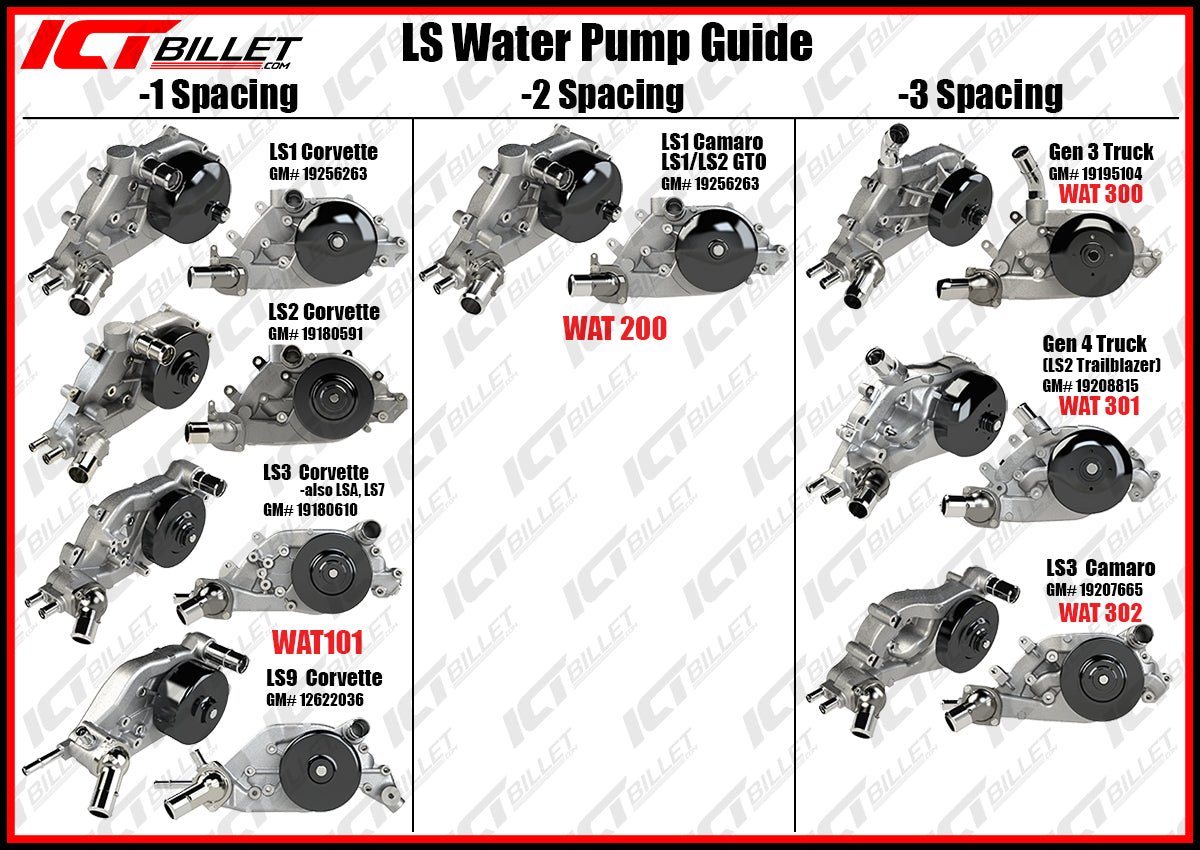
Credit: www.ictbillet.com
Installation Considerations
Installing a fuel pump for your LS swap requires careful planning. The right setup ensures proper fuel delivery and engine performance. This section covers key points to consider during installation.
Location Options
Choosing the pump’s location affects fuel pressure and safety. Mount the pump close to the fuel tank. This helps maintain steady fuel flow and reduces the risk of vapor lock.
Common locations include inside the fuel tank, near the frame rail, or under the vehicle. Each has pros and cons.
- In-tank pumpsstay cool and quiet but may need specialized tanks.
- External pumpsare easier to access but require proper mounting and protection from heat.
- Keep the pump away from hot engine parts to avoid overheating.
Wiring And Plumbing
Proper wiring ensures the pump runs safely and reliably. Use the correct gauge wire and fuse for your pump’s power needs. Secure all connections to prevent shorts or disconnections.
Plumbing must handle the fuel flow without leaks or pressure drops. Use fuel lines rated for your fuel type and pressure. Avoid sharp bends or kinks that restrict flow.
- Install a fuel filter before the pump to protect it from debris.
- Check all fittings for tightness and use clamps designed for fuel lines.
- Route wires and hoses away from moving parts and heat sources.
Common Issues And Troubleshooting
Dealing with fuel pump issues in an LS swap can be frustrating, especially when you’re not sure what’s causing the problem. Understanding common issues and how to troubleshoot them can save you time and money. This knowledge helps you keep your engine running smoothly and avoid unexpected breakdowns.
Signs Of Pump Failure
One of the first signs of a failing fuel pump is engine sputtering at high speeds. You might notice your car hesitates or stalls, especially under heavy acceleration. If your LS swap feels like it’s running out of power suddenly, your fuel pump could be struggling to deliver the needed fuel.
Another key sign is unusual whining noises coming from the fuel tank area. That high-pitched sound often indicates the pump is working harder than it should or nearing failure. Have you ever experienced rough idling or difficulty starting your LS swap? These symptoms can also point to a weak or failing fuel pump.
Maintenance Tips
Keeping your fuel pump in good shape starts with clean fuel. Dirt and debris can clog the pump and reduce its lifespan. Regularly changing your fuel filter helps keep contaminants out and ensures steady fuel flow.
Check your fuel pump’s wiring and connections frequently. Loose or corroded wires can cause intermittent pump failures or poor performance. If you notice any damage, repair or replace the wiring immediately to avoid bigger issues.
Running your LS swap with a near-empty tank can also damage the fuel pump. The fuel acts as a coolant for the pump, so always keep your tank at least a quarter full. Have you ever ignored the fuel gauge only to end up stranded? Avoid that risk by staying ahead of fuel levels.
Cost And Upgrade Options
Considering a fuel pump for your LS swap involves looking closely at both the cost and the upgrade options available. This choice affects your engine’s performance and reliability, so understanding your budget and what upgrades can offer is crucial. Let’s break down what you need to know to make the best decision for your build.
Budgeting For A Pump
The price of a fuel pump can vary widely based on brand, type, and performance level. Basic, reliable pumps start around $100, while high-performance models designed for racing applications can exceed $500.
Keep in mind the total installation cost, including filters, lines, and possible wiring upgrades. Sometimes, a slightly higher upfront cost saves you money by avoiding frequent replacements or failures down the road. Have you factored in how long you plan to keep your LS swap? That can influence whether you invest in a budget or premium pump.
Performance Upgrades
If you’re pushing for more horsepower, a stock fuel pump might not keep up with your engine’s demands. Upgraded pumps provide better flow rates and pressure consistency to match higher fuel requirements.
Consider pumps with adjustable pressure settings or those designed for higher octane fuels and forced induction setups. Adding a high-flow pump often means you’ll need to upgrade your fuel lines and injectors too—don’t overlook those costs.
Think about whether you want a pump that’s quiet and smooth for street driving or one that prioritizes maximum flow for track days. Your choice can impact your overall driving experience and engine health.
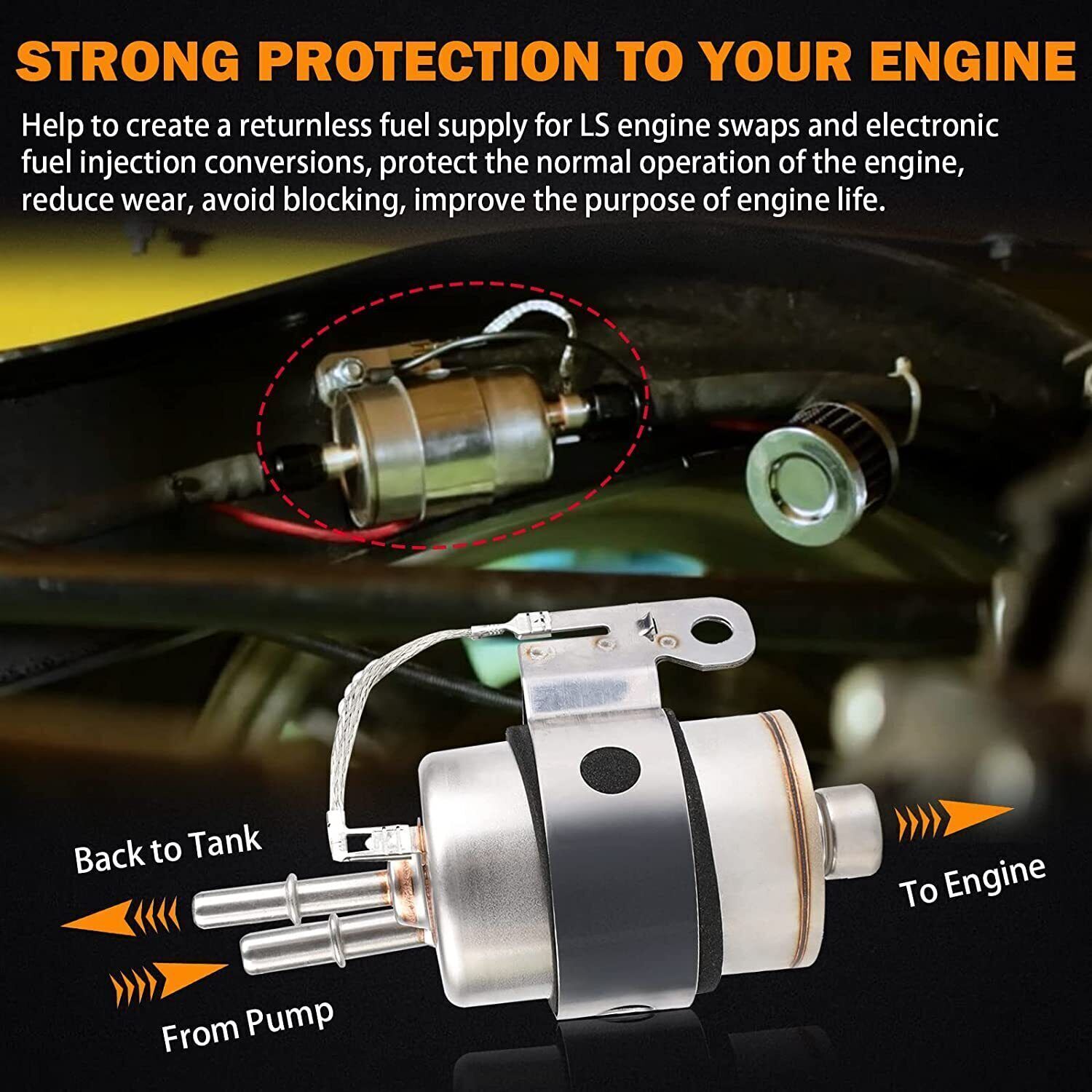
Credit: uthara.co.mz
Frequently Asked Questions
Do Ls Swaps Require A New Fuel Pump?
Yes, LS swaps typically need a compatible fuel pump. The stock pump may not deliver enough pressure or volume for the LS engine.
How To Choose The Right Fuel Pump For Ls Swap?
Select a pump matching your LS engine’s fuel demand and pressure specs. Consider fuel type, flow rate, and compatibility with your vehicle.
Can I Reuse The Stock Fuel Pump For Ls Swap?
Reusing the stock fuel pump is often insufficient. LS engines usually require higher flow and pressure, so upgrading is recommended.
What Fuel Pump Pressure Is Needed For Ls Engines?
LS engines commonly require fuel pressure between 58 to 65 psi. Ensure your pump can maintain consistent pressure for optimal performance.
Conclusion
Choosing the right fuel pump for your LS swap matters a lot. It keeps your engine running smooth and strong. A good fuel pump matches your engine’s needs perfectly. It helps avoid problems like stalling or poor performance. Think about your fuel system and power demands carefully.
The right pump saves time and money in the long run. Don’t rush this step—it makes a big difference. Your LS swap deserves the best fuel supply to work well.

Colin Radner is an automotive enthusiast with a deep passion for cars and welding. With over five years of hands-on experience in welding, Colin brings a unique perspective to the automotive world. His expertise in welding, combined with his love for all things car-related, allows him to write insightful and informative blog posts that resonate with automotive lovers and DIY mechanics alike. When he’s not writing, you can find him working on car repairs, restoring vintage models, or exploring the latest trends in the automotive industry. Colin’s dedication to the craft and his ability to break down complex topics makes him a trusted voice in the automotive blogosphere.