

How Hot Does Jet Engine Fuel Burn: Unveiling Extreme Heat
Have you ever wondered about the intense power behind a jet engine? It’s fascinating, isn’t it?
One of the most intriguing aspects is the temperature at which jet engine fuel burns. Imagine the heat required to propel a massive aircraft across the skies at incredible speeds. Understanding this fiery phenomenon can give you a deeper appreciation for the technology that makes air travel possible.
You’ll explore just how hot jet engine fuel burns, uncovering the science and engineering that harness this extreme heat. You’ll discover the role temperature plays in efficiency and safety, and why it’s crucial for the performance of jet engines. Ready to delve into the sizzling details? Let’s ignite your curiosity and uncover the secrets behind the burning intensity of jet engine fuel.
Jet Engine Fuel Composition
Jet engine fuel burns at high temperatures, reaching around 2,000 degrees Fahrenheit. This intense heat generates thrust. The fuel composition includes kerosene, which aids in efficient combustion. Understanding fuel properties helps optimize engine performance.
Understanding the composition of jet engine fuel can help you appreciate its role in aviation. Jet fuel is not just about powering engines; it’s about efficiency, safety, and performance. Let’s dive into what makes up this essential component of flight.
What Is Jet Fuel Made Of?
Jet engine fuel, commonly known as Jet A or Jet A-1, is primarily made of kerosene. Kerosene, a refined petroleum product, is chosen for its high energy content and stability at various temperatures. This makes it ideal for the demanding conditions of high-altitude flight.
Key Additives In Jet Fuel
To enhance performance, jet fuel includes additives. These can prevent icing, reduce static electricity, and improve combustion efficiency. For instance, anti-icing agents ensure fuel lines don’t freeze at high altitudes, keeping flights safe and reliable.
Why Kerosene Over Gasoline?
You might wonder why airplanes don’t use regular gasoline like cars. Kerosene is less volatile, reducing the risk of explosion at high altitudes. It’s also denser in energy, meaning aircraft can fly longer distances without needing to refuel.
Environmental Considerations
The aviation industry is continuously working to make jet fuel more eco-friendly. Biofuels are being tested to reduce carbon footprints. These alternatives aim to maintain performance while being kinder to the planet.
Personal Insight: The Smell Of Jet Fuel
Standing near an airport runway, you might catch a whiff of jet fuel. It’s a unique scent that evokes thoughts of travel and adventure. This sensory experience reminds us of the intricate blend of science and emotion that fuels human flight. How often do you think about the science behind your flight while enjoying the view from an airplane window? Understanding jet fuel composition gives you a glimpse into the invisible yet powerful elements that ensure safe and efficient journeys across the globe.
Combustion Process
The combustion process in jet engines is a fascinating topic. It transforms fuel into energy through precise mechanisms. This process involves several stages, each crucial for efficiency and performance. Understanding these stages offers insight into how jet engines achieve incredible power.
Ignition And Flame Development
Ignition marks the start of the combustion process. It begins withfuel mixing with air in the combustion chamber. The mixture needs a spark to ignite. This spark triggers the flame development. Flames spread rapidly, consuming the fuel and air mix. The design of the chamber ensures stable flame development. This stability is essential for consistent engine performance.
Temperature Dynamics
Temperature dynamics in jet engines are complex. Combustion generates intense heat. Temperatures can reach over 2,000 degrees Celsius. This heat is crucial for thrust generation. Engine materials must withstand these temperatures. Proper cooling systems help manage heat levels. Monitoring temperature dynamics is vital for engine safety.
Heat Measurement Techniques
Heat measurement in jet engines is crucial for performance and safety. Engineers use advanced techniques to measure how hot jet engine fuel burns. These methods ensure accuracy and reliability. Knowing the exact temperature helps in maintaining engine efficiency. Let’s explore two common techniques used for this purpose.
Thermocouples
Thermocouples are popular tools for measuring temperature in jet engines. They are made of two different metal wires joined at one end. When exposed to heat, they generate a voltage. This voltage indicates the temperature. Thermocouples are durable and withstand high temperatures. They provide real-time data, essential for engine monitoring. Their design makes them suitable for harsh environments. This is why they are widely used in aviation.
Infrared Technology
Infrared technology offers a non-contact method for measuring temperature. It detects heat emitted by objects, like jet engines. Infrared sensors convert this heat into an electrical signal. The signal then displays the temperature reading. This method is fast and accurate. It allows measurements without touching the engine. Infrared technology is ideal for monitoring moving parts. It helps detect problems early, preventing engine failures. This technology is essential for modern aviation safety and efficiency.
Factors Influencing Temperature
Understanding the temperature at which jet engine fuel burns is crucial. Several factors influence this temperature. These include the type of fuel used and the design of the engine itself. Each element plays a significant role in determining the heat generated.
Fuel Type Variations
Different jet fuels burn at varying temperatures. Jet A and Jet A-1 are common fuels. They typically burn at high temperatures. These fuels have specific chemical compositions. This affects their combustion characteristics. The quality of the fuel impacts its burning efficiency. Cleaner fuels often burn hotter. Impurities can lower the combustion temperature. Synthetic fuels are gaining popularity. They promise better performance. This results in higher burning temperatures.
Engine Design Impact
The design of a jet engine significantly affects fuel burn temperature. Advanced engines have better combustion chambers. These chambers optimize fuel burning. They increase temperature efficiently. Modern engines use materials that withstand high heat. These materials allow higher temperatures without damage. Engine size also matters. Larger engines generate more heat. This is due to increased fuel consumption. Innovations in engine technology focus on temperature management. Improved designs ensure efficient heat generation.
Material Challenges
Jet engines operate under extreme conditions. Temperatures can reach thousands of degrees. This poses significant material challenges. Engineers need to choose materials carefully. The materials must withstand high heat. Durability is crucial for safety and performance.
Heat-resistant Alloys
Heat-resistant alloys are essential in jet engines. These alloys can tolerate high temperatures. Nickel-based alloys are common in engine construction. They resist deformation and corrosion. Engineers select them for their strength and stability. Titanium alloys also play a role. They offer lightweight strength and heat resistance. Choosing the right alloy is critical. The wrong choice could lead to engine failure.
Cooling Systems
Cooling systems are vital in jet engines. They manage extreme heat levels. Air and liquid cooling methods are used. Air cooling relies on airflow around hot parts. Liquid cooling uses fluids to absorb heat. These systems prevent overheating. Efficient cooling extends engine life. It ensures optimal performance under stress. Engineers constantly refine cooling technologies. This is to meet evolving demands.

Credit: flybitlux.com
Safety Protocols
Jet engines are powerful machines that burn at extremely high temperatures. This intense heat requires strict safety protocols to protect both people and equipment. These protocols ensure operations are smooth and risks are minimized. The safety measures revolve around regulating temperatures and preparing for emergencies.
Temperature Regulation
Temperature control is crucial in jet engines. The fuel burns at around 2,000 degrees Celsius. This level of heat can damage engine parts if not properly managed. Engineers use advanced cooling systems to keep temperatures stable. Sensors constantly monitor the engine’s heat levels. If temperatures rise too high, automatic systems adjust fuel flow. This prevents overheating and maintains engine integrity.
Emergency Procedures
Despite strict regulations, emergencies can occur. Every crew member must know emergency protocols. Training includes handling fuel leaks and engine fires. Quick response is vital in these situations. Fire suppression systems are installed in key areas. These systems activate to contain any fire immediately. Regular drills prepare staff for real-life scenarios. This ensures they act swiftly and efficiently under pressure.
Future Innovations
Jet engine fuel burns at extreme temperatures, reaching up to 2,100 degrees Celsius. These high temperatures are crucial for propulsion. Understanding this helps in developing future innovations for efficient and powerful engines.
The world of jet engine technology is soaring to new heights, with exciting innovations on the horizon that promise to change the way we think about aviation. As we look towards the future, two key areas stand out: the development of advanced fuels and enhanced engine designs. These innovations hold the potential to make air travel more efficient, sustainable, and safe. Imagine a future where flights are not just faster but also greener and quieter.
Advanced Fuels
The quest for advanced fuels is driven by the need to reduce the carbon footprint of aviation. Traditional jet fuel burns hot, around 980 to 1,500 degrees Celsius, but emerging fuels aim to match or even exceed this efficiency with a lower environmental impact. Researchers are exploring biofuels and synthetic fuels that promise not only high performance but also significantly reduced emissions. Consider the potential of algae-based biofuels, which are gaining traction due to their ability to be produced sustainably. They offer a promising alternative to fossil fuels, with some studies showing they can cut emissions by up to 60%. Imagine boarding a flight knowing that your journey is contributing to a cleaner planet.
Enhanced Engine Designs
The future of jet engines isn’t just about what fuels them but also how they’re designed. Engineers are pushing the boundaries of what’s possible with engines that promise higher efficiency and lower noise levels. New materials, like ceramic matrix composites, are being used to withstand higher temperatures, allowing engines to burn fuel more efficiently and quietly. Enhanced cooling techniques are another area of focus. By improving how engines manage heat, they can operate at higher temperatures without sacrificing safety or performance. Have you ever thought about how an engine’s ability to handle heat affects your travel experience? These innovations mean engines that not only push the limits of speed and altitude but do so with minimal environmental impact. The future of aviation is bright, filled with promise and potential. With advanced fuels and enhanced engine designs leading the way, the skies are set to become not just a place of travel, but a testament to human ingenuity and responsibility. What changes are you most excited to see take flight?
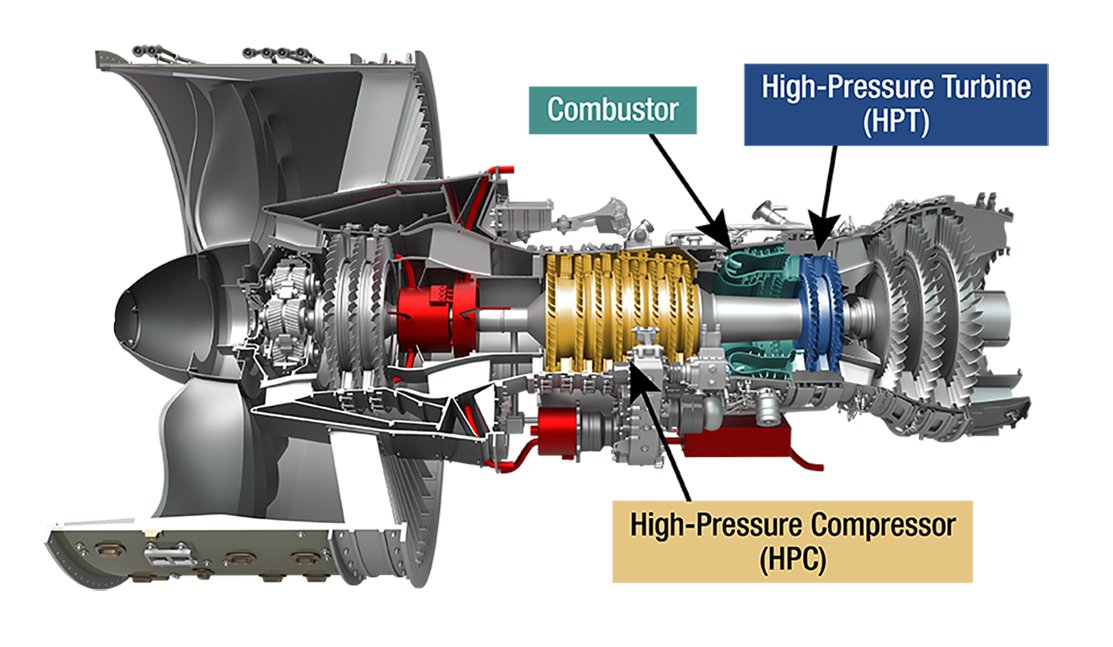
Credit: www.nasa.gov

Credit: www.facebook.com
Frequently Asked Questions
How Hot Does Burning Jet Fuel Get?
Burning jet fuel can reach temperatures of about 980 to 1,500 degrees Celsius (1,800 to 2,732 degrees Fahrenheit). This high temperature is crucial for efficient engine operation, ensuring optimal thrust and performance in aircraft. Proper engine maintenance and monitoring help manage these intense temperatures safely.
How Expensive Is 1 Gallon Of Jet Fuel?
Jet fuel costs vary by region and market conditions. Typically, prices range from $3 to $8 per gallon. These prices fluctuate due to factors like crude oil prices and demand. Checking current market reports gives the most accurate pricing.
Can A Car Run On Jet Fuel?
Cars cannot run on jet fuel. Jet fuel is designed for aircraft engines, not car engines. Using jet fuel in a car can damage the engine and is not recommended. Car engines are specifically designed for gasoline or diesel, ensuring optimal performance and safety.
Which Burns Hotter, Gasoline Or Jet Fuel?
Jet fuel burns hotter than gasoline. Jet fuel has a higher energy content, making it more efficient for aviation. Gasoline, while highly combustible, has a lower combustion temperature compared to jet fuel. This makes jet fuel more suitable for high-performance engines in aircraft.
Conclusion
Jet engine fuel burns incredibly hot. It reaches temperatures up to 3,600°F. This heat is crucial for flight. It powers massive engines to lift heavy aircraft. Understanding this helps in appreciating aviation technology. The burning temperature is a key factor in engine efficiency.
It affects fuel consumption and overall performance. Knowing these details enhances our knowledge of flight mechanics. It also highlights the marvel of modern engineering. Jet engines are truly impressive in their design and function. Their fuel’s high burning temperature is essential for safe air travel.

Ethan Montgomery is the administrator of carweldhub.com and an expert in the automotive industry. With hands-on experience in welding and a deep understanding of automotive parts and accessories, Ethan brings a wealth of practical knowledge to his work. His passion for the automotive field extends to blog writing and editing, where he shares valuable insights and tips with enthusiasts and professionals alike. Whether you’re looking for detailed technical advice or the latest trends in automotive technology, Ethan’s expertise makes him a trusted resource in the automotive community.


