How Often to Change Cabin Air Filter Toyota: Essential Tips
Imagine driving your Toyota through the beautiful landscapes, feeling the fresh air circulate inside your car. Now, picture that air being compromised by dirt and allergens.
You might not realize it, but the cabin air filter plays a crucial role in ensuring the air you breathe inside your vehicle is clean and pure. If you’ve ever wondered how often you should change your cabin air filter, you’re not alone.
Many Toyota owners face the same question, and the answer could impact not just your comfort, but your health as well. Dive into this article to discover the perfect timing for changing your cabin air filter, and ensure you’re breathing the cleanest air possible in your Toyota. Keep reading, because what you learn might just transform your driving experience!
Importance Of Cabin Air Filter
The cabin air filter plays a crucial role in maintaining air quality inside your Toyota. This small yet vital component filters out dust, pollen, and other pollutants. It helps ensure you breathe clean air during your drive. Regularly changing the cabin air filter contributes to a healthier and more comfortable driving environment.
Healthy air is essential for every driver and passenger. The cabin air filter is your first line of defense against airborne particles. It traps dust, pollen, and debris before they enter your car’s interior. This function helps reduce allergy symptoms and respiratory issues.
Polluted air can affect your driving experience. Without a proper filter, contaminants circulate within your car. This leads to unpleasant odors and can fog up your windows. Changing the cabin air filter regularly maintains the freshness inside your vehicle.
Prevents Allergies
For allergy sufferers, driving can be challenging. A clean cabin air filter reduces exposure to allergens. It captures pollen and dust particles that trigger allergies. This protection makes every drive more enjoyable, especially during allergy season.
Improves Airflow
Proper airflow is essential for a comfortable ride. A clogged cabin air filter restricts air circulation. This can lead to inefficient heating or cooling inside your car. Replacing the filter ensures optimal airflow throughout your vehicle.
Enhances Hvac System
Your car’s HVAC system works hard to regulate temperature. A clean cabin air filter supports its efficiency. It prevents dust and dirt from clogging the system. This helps maintain the performance of your car’s heating and cooling functions.
Signs Of A Dirty Cabin Air Filter
A dirty cabin air filter in your Toyota often leads to musty smells and reduced airflow inside the vehicle. Unusual noises from the HVAC system may also indicate a clogged filter. Regularly changing the cabin air filter, typically every 15,000 to 25,000 miles, ensures clean air circulation and optimal performance.
Understanding the signs of a dirty cabin air filter is essential for maintaining your Toyota’s air quality. A clogged filter can affect the cabin environment and your driving experience. Regular checks ensure a healthier ride. Here are some common signs of a dirty cabin air filter.
Reduced Airflow
Feeling weak air circulation from the vents? A dirty filter might be the cause. It restricts the airflow, making it harder for your car to cool or heat. This can lead to discomfort during your drives. Regular maintenance can prevent this issue.
Unpleasant Odors
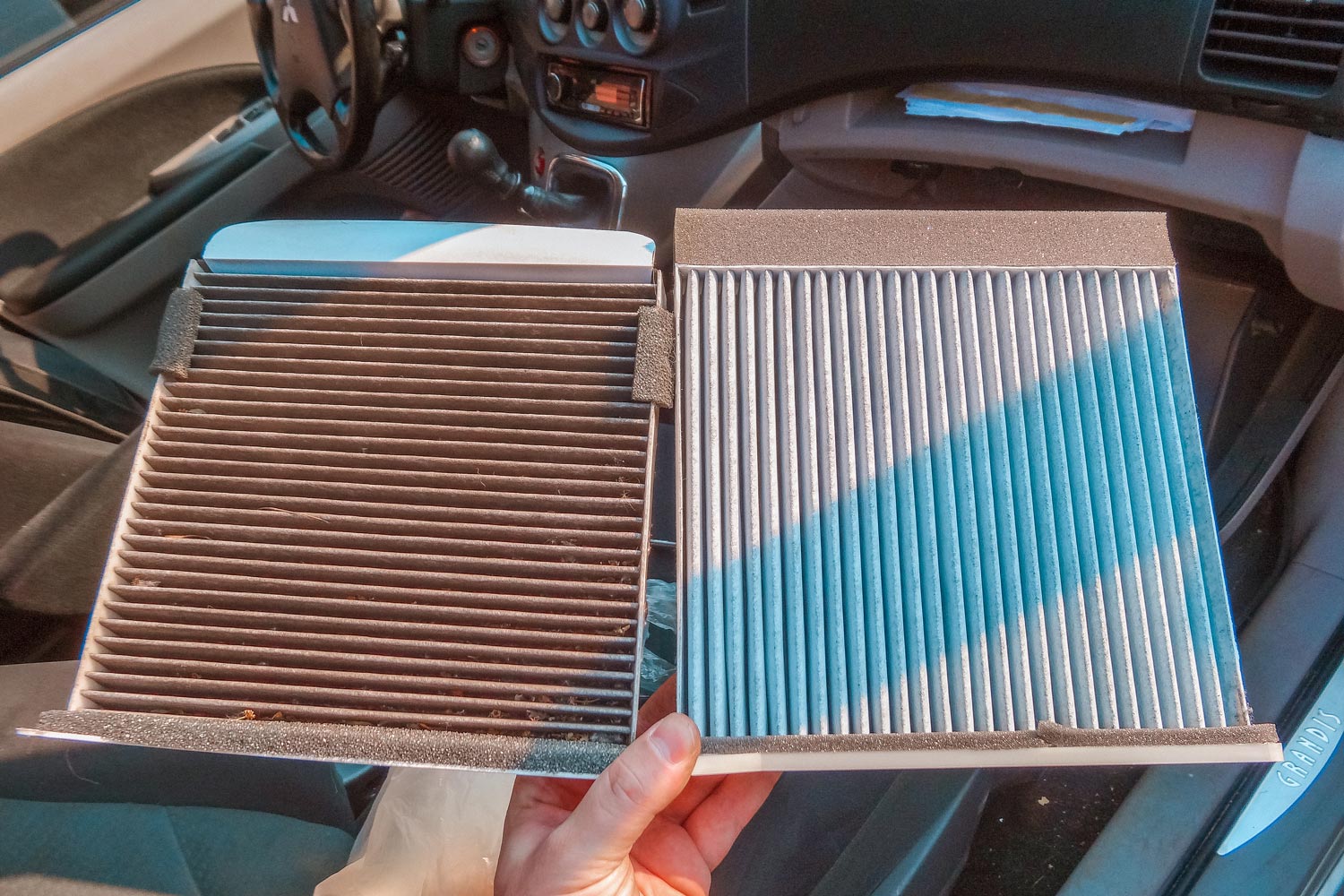
A musty smell inside your car can indicate a dirty filter. Accumulated dust and debris can cause these odors. Changing the filter can help keep the air fresh. It’s an easy fix that makes a big difference.
Increased Allergens Inside
A dirty filter can allow pollen and dust into the cabin. This can trigger allergies and discomfort for passengers. Keeping the filter clean reduces allergens and improves air quality. Protect your health and enjoy a cleaner environment.
Toyota’s Recommended Replacement Interval
Maintaining your Toyota’s cabin air filter is crucial for a clean and fresh environment inside your vehicle. Toyota has guidelines for when to replace this essential component to ensure optimal performance and air quality. Understanding the recommended replacement interval helps in keeping your car’s air system efficient and healthy.
Toyota’s Suggested Frequency
Toyota suggests changing the cabin air filter every 15,000 to 30,000 miles. This range depends on driving conditions and environment. Dusty or polluted areas might require more frequent replacements.
Importance Of Regular Changes
A clean air filter enhances air quality inside your car. It reduces allergens and pollutants, providing a healthier atmosphere. Regular changes keep the air conditioning system running smoothly.
Signs Of A Dirty Filter
A musty odor inside the vehicle could signal a dirty filter. Reduced airflow from vents indicates a clogged filter. Visible dirt and debris on the filter also show it’s time for a change.
Benefits Of Following Toyota’s Interval
Adhering to Toyota’s guidelines ensures better air quality. It prolongs the life of your car’s HVAC system. Improved airflow enhances passenger comfort and vehicle efficiency.
Factors Affecting Replacement Frequency
Changing the cabin air filter in your Toyota is vital. It ensures clean air inside the vehicle. Several factors influence how often you should change it. Understanding these factors helps maintain good air quality. It also extends the life of your vehicle’s HVAC system.
Driving Conditions
Where you drive affects your cabin air filter’s life. City driving with lots of traffic wears out filters faster. Dust and pollution levels are higher in urban areas. Rural roads with dirt and gravel can also clog filters quickly. Long highway trips in clean air may extend filter life.
Environmental Factors
The environment plays a role in filter replacement frequency. Areas with heavy pollen or pollution impact filters. High pollen seasons can clog filters swiftly. Living near construction sites or factories also reduces filter lifespan. Consider the climate too. Humid areas may promote mold growth in filters.
Frequency Of Vehicle Use
How often you drive your Toyota matters. Frequent use means the filter works harder. A daily commute or frequent trips means replacing the filter more often. Occasional drivers may find their filters last longer. Regular checks help determine if replacement is necessary.
Diy Replacement Steps
Change your Toyota cabin air filter every 15,000 to 25,000 miles. Dust and pollen can clog it. Keep air fresh and healthy in your car. Easy task for better air quality.
DIY cabin air filter replacement can save money. Toyota models often have accessible filters. Changing the filter ensures cleaner air inside your car. Follow these steps to replace it yourself.
Gather Necessary Tools
Start with the right tools. You need a screwdriver. Choose one that fits your car’s screws. Also, get a new cabin air filter. Check your Toyota manual for the correct size. Gloves are optional but useful. They keep your hands clean.
Locate The Filter Compartment
Find where your cabin air filter is. It’s usually behind the glove box. Open the glove box slowly. Remove any items inside. Look for tabs or screws that hold it in place. Consult your manual for exact location details.
Remove And Replace The Filter
Once you find the compartment, remove the old filter. Carefully pull it out. Note its orientation. Install the new filter in the same direction. Ensure it fits snugly. Close the filter compartment securely. Test to see if it’s properly installed. Regular maintenance keeps your Toyota running smoothly. Clean air is essential. DIY steps make it easy.
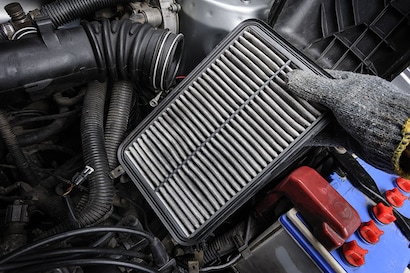
Credit: www.elgintoyota.com
Choosing The Right Cabin Air Filter
Choosing the right cabin air filter for your Toyota is important. It impacts air quality and overall comfort in your vehicle. With several options available, making the right choice can feel overwhelming.
Understanding the types of filters and their benefits can help. Consider OEM and aftermarket options before making a decision.
Types Of Filters
Cabin air filters come in several types. Each serves a unique purpose. The most common types include particulate filters, carbon filters, and hybrid filters.
Particulate filters capture dust and pollen. They are basic but effective. Carbon filters also remove odors and gases. They offer a more comprehensive solution.
Hybrid filters combine both features. They provide the best of both worlds. Choose based on your needs and environment.
Oem Vs. Aftermarket Options
OEM filters are made by Toyota. They ensure compatibility and quality. These filters fit perfectly and meet Toyota’s standards.
Aftermarket options come from other manufacturers. They offer more variety and often cost less. Quality can vary, so check reviews before buying.
Both OEM and aftermarket filters have pros and cons. Consider your budget and priorities. Make an informed choice for your Toyota’s cabin air filter.
Benefits Of Regular Replacement
Regularly replacing the cabin air filter in your Toyota offers many benefits. It ensures cleaner air inside your car. It also helps your car’s systems work better. Don’t overlook this small part. It can make a big difference. Let’s explore the key benefits of regular replacement.
Improved Air Quality
A clean cabin air filter keeps dust and pollen out. It traps these particles, preventing them from entering your car. This means you breathe cleaner air. It is especially important for those with allergies. Regular replacement ensures a healthier environment inside your car. Enjoy fresher air on every drive.
Enhanced Hvac Performance
Your car’s HVAC system needs a clean filter to work well. A dirty filter can block airflow. This makes the system work harder. It can lead to poor heating or cooling. Replacing the filter regularly helps maintain efficient HVAC performance. It keeps your car comfortable in all weather conditions.
Increased Vehicle Lifespan
Regular filter changes can extend your vehicle’s life. A clean filter reduces strain on the HVAC system. Less strain means less wear and tear. This can prevent costly repairs in the future. Keeping the cabin air filter clean is a simple way to protect your investment. It helps ensure your Toyota runs smoothly for years.
Credit: www.reddit.com
Common Mistakes To Avoid
Changing the cabin air filter in your Toyota is crucial for maintaining a healthy and comfortable driving environment. However, many people unknowingly make mistakes that can compromise the efficiency of their car’s filtration system. By recognizing these common mistakes and avoiding them, you can ensure your vehicle stays fresh and clean, providing optimal air quality for you and your passengers.
1. Ignoring Manufacturer Recommendations
One of the biggest mistakes is disregarding the manufacturer’s recommended replacement interval. Toyota usually suggests changing the cabin air filter every 15,000 to 25,000 miles. If you ignore this, the filter can become clogged, reducing air flow and making your air conditioner work harder. Trust the experts—follow the guidelines provided in your car’s manual.
2. Choosing the Wrong Filter
Not all air filters are created equal. Buying a cheap, low-quality filter might save you a few bucks upfront, but it can lead to poor air filtration and potentially harm your car’s system. Opt for a high-quality filter that’s specifically designed for Toyota vehicles. This ensures optimal performance and longevity.
3. Overlooking Environmental Factors
Are you driving in dusty areas or dealing with heavy pollen? These environmental factors can clog your filter faster than normal conditions. Consider inspecting your filter more frequently if you frequently drive in such environments. This proactive approach can prevent unnecessary wear and tear on your air system.
4. Assuming One Size Fits All
Ever tried fitting a universal filter into your Toyota? It might seem convenient, but it’s not the best choice. Different models have different filter sizes and specifications. Using a universal filter can lead to improper sealing and reduced efficiency. Make sure you buy the exact filter suited to your specific model.
5. Neglecting Regular Inspections
Waiting until your air filter is visibly dirty or your air conditioner starts underperforming can be a costly mistake. Regular inspections can catch problems early before they affect your vehicle’s air quality. A quick monthly check can save you from future headaches.
In your experience, have you ever noticed a sudden drop in air quality in your car? Did you check your cabin air filter? Share your thoughts and let us know how you handle your car maintenance routine.
Professional Maintenance Services
Toyota recommends changing the cabin air filter every 15,000 to 25,000 miles. Clean filters ensure fresh air inside your car. Regular maintenance keeps your vehicle running smoothly and improves air quality for passengers.
When it comes to maintaining your Toyota, changing the cabin air filter is a task that might not be on your radar. However, opting for professional maintenance services can make this process seamless and efficient. Imagine driving in a fresh, clean atmosphere every day. Professional services not only ensure that your filter is replaced correctly but also save you time and potential hassle.
Cost Considerations
You might wonder about the cost of professional maintenance services for changing the cabin air filter. Generally, the cost can vary depending on your location and the service provider you choose. Some dealerships might charge more, but they often provide guarantees on their work. On the other hand, independent mechanics may offer competitive prices. It’s crucial to weigh the cost against the quality and convenience of the service. Would you prefer a quick, reliable service at a slightly higher cost, or are you seeking the cheapest option available?
Finding A Reliable Service Provider
Locating a trustworthy service provider can be a task in itself. Start by asking for recommendations from friends or family who own Toyotas. They might have insights into local mechanics who excel in customer service and quality work. Online reviews and ratings can also be a helpful resource. Look for service providers with high ratings and positive feedback. You want someone who values your time and provides a thorough, professional service.
Consider visiting the service center before making an appointment. A clean, organized workshop can be a good indicator of professionalism. Would you trust your car to a service provider who doesn’t maintain their workspace? Choosing professional maintenance services for your Toyota’s cabin air filter change can be a wise decision. It ensures that the job is done right, freeing you to enjoy a clean and refreshing driving experience.
Credit: www.capitalone.com
Frequently Asked Questions
How Long Does A Toyota Cabin Air Filter Last?
Toyota cabin air filters typically last between 15,000 and 25,000 miles. Regular maintenance ensures clean air inside your vehicle. Check your owner’s manual for specific recommendations. Replace the filter if you notice decreased air quality or airflow. Proper care extends the filter’s lifespan, keeping your driving experience comfortable and healthy.
How Often Do You Really Need To Replace A Cabin Air Filter?
Replace your cabin air filter every 15,000 to 30,000 miles. Check your vehicle’s manual for specific guidance. Regular replacement ensures clean air and optimal HVAC performance. Dusty environments may require more frequent changes. Keep your car’s interior fresh and allergen-free by maintaining a clean cabin air filter.
How Much Does It Cost To Replace A Cabin Air Filter In A Toyota?
Replacing a cabin air filter in a Toyota typically costs between $30 and $70. Prices vary by model and location. Labor might add extra fees if not done yourself. Regular replacement ensures better air quality and efficiency. Always consult your vehicle’s manual for specific guidance.
How To Tell If A Cabin Air Filter Needs Replacing?
Check for reduced airflow from vents or a musty odor. Listen for unusual noises from the fan. Inspect the filter for dirt and debris. Replace it every 12,000 to 15,000 miles or according to the manufacturer’s recommendations.
Conclusion
Changing your Toyota’s cabin air filter regularly is essential. It keeps your air clean and fresh. Aim to replace it every 15,000 to 30,000 miles. Check your owner’s manual for specific guidance. A clean filter improves air quality inside your car.
It also ensures your HVAC system works efficiently. Notice any unusual odors or reduced airflow? These might indicate it’s time for a change. Taking care of your cabin air filter is simple. It protects both your health and vehicle. Stay proactive for a comfortable driving experience.
Prioritize your car’s maintenance for long-lasting benefits.

Automotive Specialist & Expert Mechanic
Noah Brooks is a skilled automotive expert with a passion for both the technical and creative aspects of the automotive world. With years of experience in repairing, restoring, and enhancing vehicles, Noah is known for his deep knowledge of car mechanics, parts, and accessories. His expertise extends to welding, troubleshooting, and offering advice on the latest car technologies and trends. Whether it’s diagnosing complex issues or guiding readers through DIY car repairs, Noah’s blog posts are filled with hands-on insights that appeal to both novice and experienced car enthusiasts. When he’s not writing, Noah is working on his own car projects, continually learning and sharing his automotive passion with the world.