When to Use Low Beam Headlights: Essential Guidelines
Ever found yourself squinting through the windshield on a dark road, wondering if you’re using the right lights? Understanding when to use low beam headlights can make all the difference in your nighttime driving experience.
It’s not just about following road rules; it’s about ensuring your safety and the safety of others around you. Imagine driving with confidence, knowing you can see clearly without blinding oncoming traffic. Doesn’t that sound reassuring? By the end of this article, you’ll be equipped with practical knowledge to make smart decisions about your headlights.
Ready to drive safer and smarter? Let’s dive in!
Basics Of Low Beam Headlights
Driving at night or in poor visibility demands careful attention. Low beam headlights are essential for safe driving. Understanding their basics ensures you use them effectively. They provide a clear view of the road without blinding others.
What Are Low Beam Headlights?
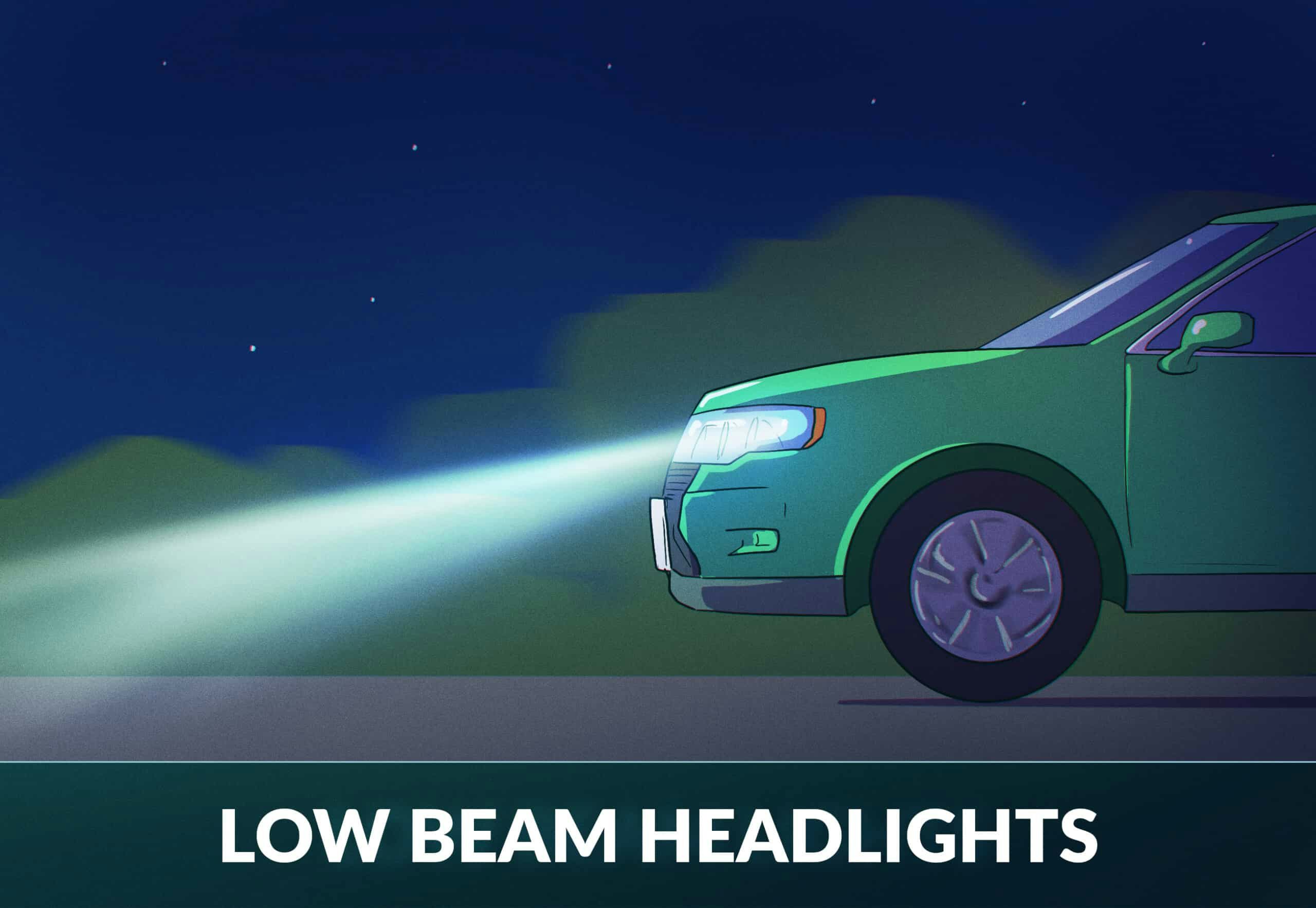
Low beam headlights illuminate the road directly ahead. They cover a shorter distance compared to high beams. The light is directed downwards, reducing glare for oncoming traffic. This feature makes them ideal for city driving and busy roads.
Why Use Low Beam Headlights?
Low beams are crucial in low visibility conditions. They help drivers see the road clearly. Use them during rain, fog, or dusk. They improve your ability to spot pedestrians and obstacles. Keep the road safe for everyone.
How Do Low Beam Headlights Work?
Low beam headlights use a specific lens and reflector setup. This directs light downwards and sideways. The beam pattern is wide but not far-reaching. It ensures visibility without causing glare. They are designed to enhance safety.
When To Switch To Low Beam Headlights?
Switch to low beams in crowded areas. Use them when approaching other vehicles. They are perfect for driving in residential zones. Switch when visibility is moderate. Avoid using high beams in these scenarios.
Daytime Usage
Low beam headlights play a crucial role during daytime driving. They improve visibility and safety, especially in challenging weather. Understanding when to use them can enhance your driving experience.
Foggy Conditions
Fog reduces visibility significantly. Low beam headlights help you see the road better. They also make your vehicle visible to others. In fog, high beams create glare. This makes it harder to see. Low beams cut through the fog efficiently. They keep you and others safe on the road.
Rain And Snow
Rain and snow create tricky driving conditions. Low beams are essential in such weather. They illuminate the road without causing glare. This helps you navigate safely. High beams can reflect off wet surfaces. This reduces visibility further. Low beams provide a clear view. They ensure safer driving in rain and snow.
Nighttime Driving
Driving at night can be daunting, especially when visibility is a concern. As the sun sets, your low beam headlights become your trusty companions. They help you navigate roads safely and communicate with other drivers. Knowing when to use them effectively enhances your driving experience and ensures safety.
Urban Areas
In bustling urban environments, low beam headlights are essential. These areas are often well-lit, but streetlights can create confusing shadows. Low beams provide just the right amount of light without overwhelming oncoming drivers or pedestrians.
Have you ever found yourself blinded by overly bright headlights? In cities, you want to avoid being that driver. Low beams help you maintain clarity while respecting others on the road.
Oncoming Traffic
Encountering oncoming traffic requires courtesy and caution. Low beams prevent glare and ensure you don’t blind drivers heading your way. It’s not just about following the rules; it’s about mutual respect and safety.
Imagine driving down a narrow two-lane road. You see headlights approaching, and instinctively, you switch to low beams. That simple act can prevent accidents and keep everyone calm and focused.
Have you ever felt the discomfort of bright lights in your eyes while driving? Low beams are crucial here, offering a more pleasant experience for both you and others.
In nighttime driving, low beam headlights are your allies. They offer visibility without the risk of dazzling others. So, as you navigate through urban areas or approach oncoming traffic, think about how you can contribute to safer roads. How often do you switch to low beams at night? Is it time to make it a habit?
Credit: zutobi.com
Rural And Highway Driving
Driving on rural roads and highways often requires low beam headlights at night or in foggy conditions. Their focused light helps see the road ahead without dazzling oncoming drivers. Remember to switch to low beams when approaching other vehicles to ensure safety and clear visibility.
Driving through rural areas or along highways often presents unique challenges. Unlike city streets, these roads may have fewer streetlights and can be darker. This is where low beam headlights become essential. They help you navigate safely while ensuring you don’t blind other drivers.
Avoiding Glare
Glare from high beams can be blinding, especially in rural areas. Imagine driving on a narrow road with oncoming traffic. Your high beams might make it difficult for the approaching driver to see their lane. Using low beam headlights can prevent this situation. Have you ever driven home late at night and found it difficult to see because of other drivers’ bright lights? That’s the glare you want to avoid. By switching to low beams, you improve visibility for everyone on the road. You might notice how much easier it is to focus on the road ahead without straining your eyes.
Animal Crossing Zones
Rural and highway driving often involves areas where wildlife crosses the road. These zones are marked with signs, but animals don’t always follow the rules. Low beams are crucial here because they illuminate the road directly in front of you, helping you spot animals in time to react safely. Have you ever had a deer dart across the road unexpectedly? It’s a heart-stopping moment. Low beams give you a better chance to spot these animals early. They provide just enough light to see any movement on the roadside without startling the animals with intense brightness.
Rural and highway driving demands attention and caution. Using low beam headlights can make your journey safer and more comfortable. Next time you find yourself on a dark road, consider how your choice of headlights impacts your driving experience.
Safety Benefits
Low beam headlights play a crucial role in road safety. These lights are designed to illuminate the road ahead without blinding other drivers. Using them correctly can prevent accidents and improve driving visibility.
Visibility Enhancement
Low beam headlights enhance visibility during low light conditions. They are effective during dusk and dawn. These times often have tricky lighting conditions. Low beams help drivers see the road clearly. Pedestrians and cyclists become more visible too. This reduces the chance of collisions. Proper use of low beams ensures a safer driving experience for everyone.
Reducing Accidents
Using low beams reduces accidents significantly. They prevent glare that can blind other drivers. Glare causes confusion and increases accident risk. Low beams focus light on the road without scattering it. This focused light improves road visibility. Drivers can react quickly to obstacles. Reduced glare helps drivers maintain control and avoid crashes. Low beams are essential for safe driving.
Legal Considerations
Understanding legal considerations for low beam headlights is crucial for safe driving. Low beams are essential in fog, rain, or nighttime to enhance visibility without blinding other drivers. Familiarize yourself with local laws to ensure compliance and avoid penalties.
Driving with the right headlights is more than just a safety measure—it’s a legal requirement. Understanding when to use low beam headlights not only keeps you safer on the road but also ensures you’re abiding by the law. Legal considerations can vary significantly, and knowing the rules in your area could save you from fines or penalties.
State Laws
Different states have different rules regarding low beam headlights. In some states, you must use low beams during certain weather conditions, like rain or fog, even in daylight. Others require you to switch to low beams when you’re within a specific distance of another vehicle, typically around 500 feet. Have you ever traveled across state lines and been unsure of local headlight laws? It’s always a good idea to check the specific regulations for each state you drive through. Websites like the Department of Motor Vehicles can offer up-to-date information.
Penalties For Misuse
Misusing your headlights can lead to fines. These penalties might seem small, but they can add up quickly if you’re not careful. Some states have stricter penalties for repeated offenses. Imagine being pulled over on a road trip just because you didn’t switch to low beams in time. Are you willing to risk a fine for something so simple to avoid? Staying informed about when to use low beam headlights could save you not just money, but a lot of hassle on the road.
Common Misconceptions
Driving at night can be tricky, especially if you’re unsure about when to use low beam headlights. There are several common misconceptions that can lead to unsafe driving practices. Let’s clear up these misunderstandings and help you drive more safely.
Low Beam Vs. High Beam
Many drivers think low beams are only for city driving. This isn’t true. Low beams are essential in various situations, like foggy weather or when you’re driving behind another vehicle. High beams can blind other drivers, making low beams the safer choice.
Next time you’re on a dimly lit road, ask yourself: Is it more important to see far ahead or to ensure others can see too? Low beams provide enough light for you to navigate while respecting others’ visibility.
Visibility Myths
Some believe that high beams are always better for visibility. This is misleading. High beams can reflect off fog, rain, or snow, making it harder to see. Low beams, on the other hand, cut through adverse weather conditions better.
I remember driving through a heavy downpour and switching from high to low beams. The difference was immediate and remarkable. Low beams made the road clearer and reduced glare, proving their utility beyond city streets.
Do you often find yourself squinting in poor weather? Try low beams. They might just surprise you with how well they improve your visibility.
Misconceptions about low and high beams can lead to unnecessary risks on the road. By understanding the real benefits of low beams, you’re not only improving your safety but also contributing to a safer driving environment for everyone. Always consider the conditions and the presence of other road users when choosing your headlights.
Maintenance Tips
Low beam headlights are essential for safe driving. Regular maintenance ensures their effectiveness. Simple tips can keep them in great condition. This section covers key maintenance practices.
Checking Bulb Brightness
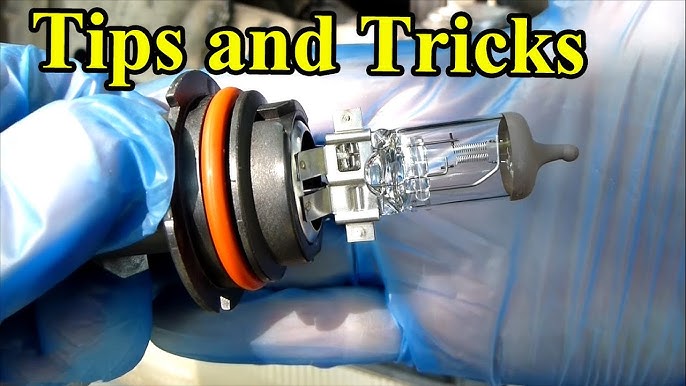
Bulb brightness affects visibility. Check them regularly. Ensure they’re not dim or flickering. Replace bulbs that lose brightness. Use quality bulbs for consistent performance. Avoid cheap options that wear out quickly. Regular checks prevent unexpected failures.
Cleaning Headlight Lenses
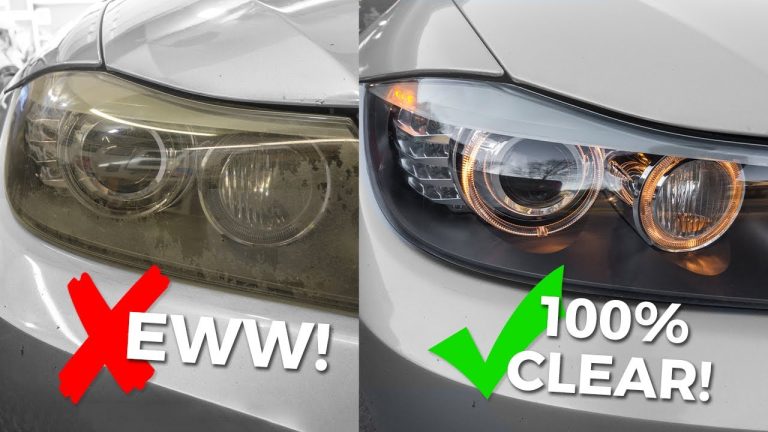
Dirty lenses reduce light output. Clean them often. Use gentle soap and water. Avoid harsh chemicals. Scratches can form from rough cleaning. Polish lenses to remove minor scratches. Regular cleaning maintains optimal light projection. Clear lenses improve visibility at night.

Credit: www.xenonpro.com
Frequently Asked Questions
When Would You Use Low Beam Headlights?
Use low beam headlights during fog, rain, or snow for better visibility. They are ideal for city driving and approaching traffic. Avoid high beams in crowded areas to prevent blinding other drivers. Low beams help maintain safety in adverse conditions and ensure clear vision on roads.
When To Switch From High To Low Beams?
Switch to low beams when approaching oncoming traffic or driving behind another vehicle. Use them in fog, rain, or snow for better visibility. High beams can blind other drivers, so switch to low beams in populated areas or narrow roads.
Always prioritize safety and visibility.
Should You Use Low Or High Beam Headlights?
Use low beams in fog, heavy rain, or snow for better visibility. Use high beams on dark roads without traffic.
When Should You Use Low Beam Headlights?
Use low beam headlights in foggy, rainy, or snowy conditions. They provide better visibility and reduce glare. Low beams are also ideal in urban areas and on well-lit roads. They’re less likely to blind other drivers, ensuring safety for everyone on the road.
Conclusion
Using low beam headlights enhances safety on the road. They reduce glare for oncoming drivers. Use them in fog, rain, or snow. They work well in urban areas with streetlights. Low beams help during twilight and dawn. Ensure your headlights are clean and functional.
Regular checks can prevent accidents. Always follow traffic rules and guidelines. Keep others and yourself safe. Proper use of headlights promotes responsible driving. Stay aware and drive cautiously. Remember, safety first.

Automotive Specialist & Expert Mechanic
Noah Brooks is a skilled automotive expert with a passion for both the technical and creative aspects of the automotive world. With years of experience in repairing, restoring, and enhancing vehicles, Noah is known for his deep knowledge of car mechanics, parts, and accessories. His expertise extends to welding, troubleshooting, and offering advice on the latest car technologies and trends. Whether it’s diagnosing complex issues or guiding readers through DIY car repairs, Noah’s blog posts are filled with hands-on insights that appeal to both novice and experienced car enthusiasts. When he’s not writing, Noah is working on his own car projects, continually learning and sharing his automotive passion with the world.