How Long Does It Take to Charge a Chevrolet Volt?
Are you considering purchasing a Chevrolet Volt or already own one? One of the most important aspects you might be curious about is charging time.
Charging your electric vehicle efficiently can make all the difference in your daily routine. Understanding how long it takes to charge your Chevrolet Volt can help you better plan your schedule and ease any range anxiety you may have. This guide is designed to provide you with straightforward insights and practical tips on charging your Volt, so you can hit the road with confidence.
Dive into the details and discover how you can maximize your vehicle’s potential and make the most out of your electric driving experience.
Chevrolet Volt Charging Basics
The Chevrolet Volt offers efficient electric driving. Understanding its charging process is key. Knowing the basics helps in planning your charging schedule. It ensures your Volt is always ready for a drive.
There are different charging options for the Chevrolet Volt. This affects how long it takes to charge. Let’s explore the essentials of Volt charging.
Level 1 Charging: Standard Outlet
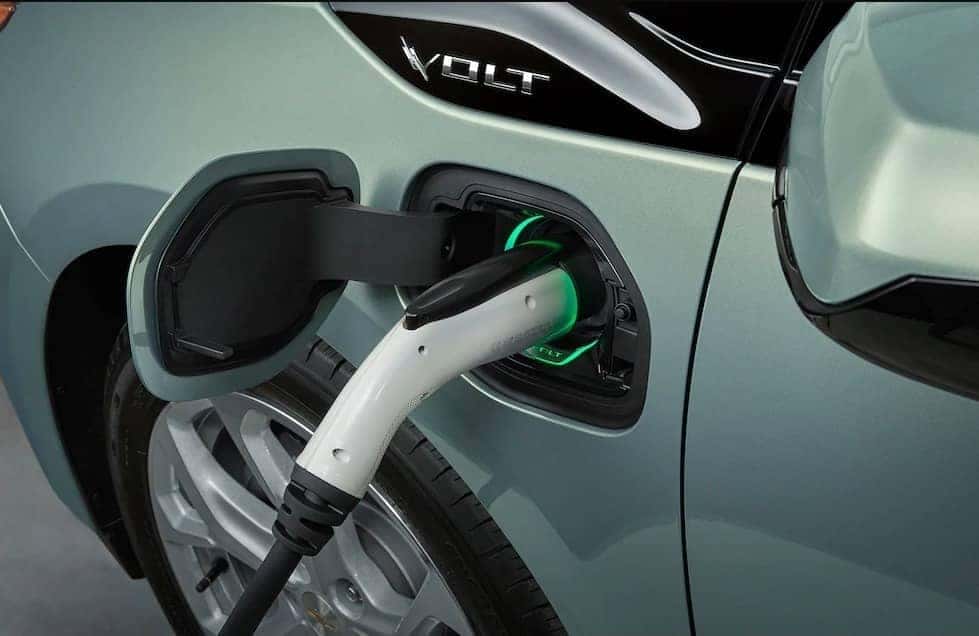
Level 1 charging uses a standard 120-volt outlet. It’s the most accessible option. This method is slower but convenient at home. Expect a full charge in about 13 hours. Perfect for overnight charging.
Level 2 Charging: Faster Home Option
Level 2 charging requires a 240-volt outlet. It charges the Volt much faster. A full charge takes around 4.5 hours. This option is ideal for daily drivers. Consider installing a Level 2 charger at home.
Public Charging Stations
Public charging stations offer both Level 1 and Level 2 options. They provide flexibility during long trips. Use an app to locate nearby stations. Charging time varies by station type.
Charging Time Factors
Several factors affect charging time. Battery level, ambient temperature, and charger type play a role. Plan your charging based on these factors. This ensures efficient use of time and resources.
Types Of Charging Options
Charging your Chevrolet Volt is straightforward. Different charging options impact how long it takes. Understanding these options helps you plan better.
Level 1 Charging
Level 1 charging uses a standard household outlet. It delivers 120 volts. This option is the slowest. Expect it to take around 13 hours for a full charge. It’s suitable for overnight charging. Perfect for daily commutes.
Level 2 Charging
Level 2 charging needs a special charging station. It provides 240 volts. This option is faster than Level 1. It usually takes about 4 to 5 hours for a full charge. Ideal for quick charging at home or public stations.
Dc Fast Charging
DC Fast Charging is the quickest option. It requires special equipment. Some Volt models may not support it. If available, it can charge the battery to 80% in about 30 minutes. Great for long trips and quick stops. Ensure compatibility before choosing this option.
Factors Affecting Charging Time
Charging your Chevrolet Volt can feel like a waiting game. But why does it sometimes take longer than expected? Several factors can influence the charging time of your Volt. Understanding these can help you optimize your charging routine and ensure your car is ready when you are. Let’s dive into the specifics.
Battery Size
The Chevrolet Volt is equipped with a robust battery designed for efficiency. However, larger batteries take longer to charge. Think of it like filling a tank—the bigger the tank, the longer it takes to fill. If you’re planning a long drive, it might be worth considering the time needed to fully charge the battery. Have you ever found yourself waiting impatiently for those last few percentage points to tick up? Adjusting your schedule to accommodate battery size can make a difference.
Charger Output
The power of your charger plays a crucial role. A higher output charger delivers more electricity, reducing charging time significantly. If you’re using a standard household outlet, expect a slower charge compared to a dedicated charging station. Upgrading your home setup might be worth the investment if you’re frequently on the road. Do you have access to a public charging station with faster output? Using these can shave off precious minutes from your charging time.
Ambient Temperature
Did you know that the weather outside can affect your Volt’s charging time? Extreme temperatures—whether too hot or too cold—can slow down the charging process. Batteries are like us; they prefer mild conditions. Charging in a garage or shaded area during summer can help maintain an optimal temperature. In winter, a heated garage might prevent slower charging due to cold temperatures. How often do you think about the weather when planning your charge?
Understanding these factors gives you the control to plan your charging routine efficiently. With a little foresight, you can ensure your Volt is always ready for the road ahead.
Credit: www.stingraychevrolet.com
Charging Time Estimates
Charging a Chevrolet Volt is not just about plugging it in and waiting. It’s about understanding the different charging options available to you and how they fit into your lifestyle. Whether you’re using a basic household outlet or a high-speed charger, each option offers different charging times. Let’s break down the charging time estimates for your Chevrolet Volt.
Using Level 1 Charger
If you’ve just parked your Chevrolet Volt at home, using a Level 1 charger is the simplest option. These chargers use a standard 120-volt outlet, which you probably already have in your garage. However, this convenience comes at the cost of time.
A full charge using a Level 1 charger can take anywhere from 10 to 16 hours. This might seem like a long time, but it’s perfect for overnight charging. You plug it in before bed, and by morning, your Volt is ready to go.
But is this option really practical for your daily needs? Consider how you typically use your vehicle. If your daily driving range is modest, a Level 1 charger might be all you need.
Using Level 2 Charger
If you want to cut down on charging time, a Level 2 charger is a faster alternative. These chargers require a 240-volt outlet, similar to what you use for a dryer, and often require professional installation.
A Level 2 charger can fully charge your Volt in about 4 to 5 hours. This is a great option if you have a busy schedule or need to top up your battery during the day.
Think about the flexibility this could offer you. Could a quicker charge fit better into your routine, giving you more freedom to drive when you need to?
Using Dc Fast Charger
For those always on the move, a DC Fast Charger is the fastest way to charge a Chevrolet Volt. However, it’s important to note that the Chevrolet Volt is not equipped to handle DC Fast Charging. This is typically reserved for fully electric vehicles, not plug-in hybrids.
While you won’t be able to use a DC Fast Charger with a Volt, understanding its limitations can help you make informed decisions about your charging infrastructure.
Have you considered how these charging time estimates fit into your daily life? Evaluating your driving habits and charging needs can help you choose the best option for your Chevrolet Volt.
Tips For Efficient Charging
Charging your Chevrolet Volt efficiently can save you time and extend the lifespan of your battery. Whether you’re a seasoned EV owner or new to the world of electric vehicles, understanding the nuances of charging can make a big difference. Let’s dive into practical tips that can help you charge your Volt more efficiently and keep your battery in top shape.
Optimal Charging Schedule
Timing is everything when it comes to charging your Volt. Charging during off-peak hours can save you money. Many utility companies offer lower rates at night. Check your local provider for specific details. You might find that charging overnight is not just convenient, but also cost-effective.
Another strategy is to avoid charging your battery to 100% every time. Keeping it between 20% and 80% can prolong battery life. This might sound surprising, but it’s a tip that many EV enthusiasts swear by.
Maintaining Battery Health
Battery health is crucial for the longevity of your Volt. Regular maintenance doesn’t just apply to the car itself, but to the battery too. Make sure your battery’s software is up-to-date. Manufacturers often release updates that optimize battery performance.
Extreme temperatures can affect battery health. Try to park your car in a garage or shaded area during hot days. Likewise, during cold weather, a heated garage can prevent the battery from draining faster than usual.
Using Charging Stations Effectively
Public charging stations can be a lifesaver. But not all charging stations are created equal. Look for stations that offer fast charging capabilities. These can significantly reduce your charging time.
Consider joining networks that offer mobile apps to locate nearby stations and check their availability. This can save you time on the road and ensure you’re never left searching for a charge.
Also, ask yourself: are you taking advantage of all available charging options? Many workplaces and shopping centers are now equipped with charging stations. These can be convenient places to top up your battery during the day.
Efficient charging isn’t just about speed; it’s about strategy. By optimizing when and where you charge, you can make the most of your Chevrolet Volt’s capabilities.
Credit: www.chevroletofnaperville.com
Future Of Electric Vehicle Charging
Charging a Chevrolet Volt can take about 2. 3 hours with a Level 2 charger. For a full charge using a standard household outlet, expect around 10 to 16 hours. Electric vehicle charging infrastructure continues to improve, promising quicker and more efficient options in the future.
The future of electric vehicle charging is bright and promising. As more people choose electric vehicles, charging technology evolves. This brings new opportunities for faster and more efficient charging. The Chevrolet Volt, a popular plug-in hybrid, benefits from these advancements. Let’s explore how technology and infrastructure shape the future of charging.
Technological Advancements
Charging technology is advancing rapidly. Faster charging times are becoming a reality. Innovative battery designs reduce charging times significantly. This means less waiting and more driving. Wireless charging is also gaining traction. It offers the convenience of charging without cables. This technology could change how we charge our vehicles. Imagine parking your car and charging starts automatically.
Infrastructure Development
Infrastructure plays a key role in charging electric vehicles. More charging stations are being built worldwide. Cities and rural areas are becoming more accessible. This makes electric cars more practical for everyone. Governments support this growth by investing in infrastructure. Businesses are also installing charging stations. This helps meet the increasing demand for electric vehicle charging. The future promises a network of charging stations everywhere. This ensures electric car owners always have access to power.
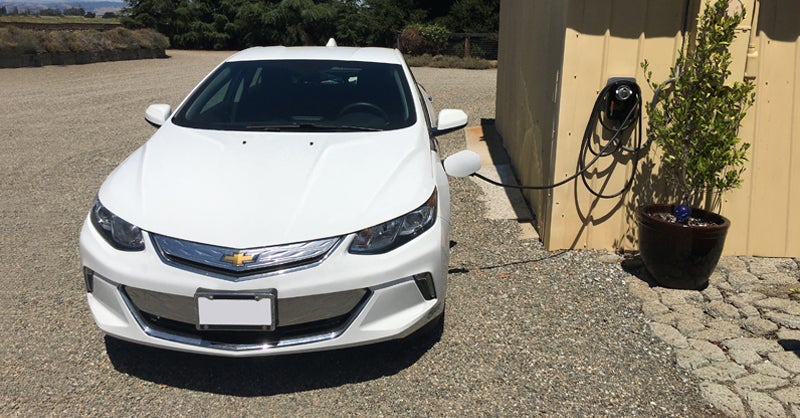
Credit: www.chargepoint.com
Frequently Asked Questions
How Long Does It Take To Fully Charge A Chevy Volt?
A Chevy Volt typically takes about 4. 5 hours to fully charge using a 240-volt outlet. Charging with a standard 120-volt outlet can take around 13 hours. Efficient charging depends on the outlet type and battery level. Ensure proper setup for optimal charging speed.
How Many Miles Can A Chevy Volt Go On A Full Charge?
A Chevy Volt typically goes up to 53 miles on a full electric charge. This range varies based on driving conditions and habits. Combining electric and gasoline power, the Volt can cover over 400 miles. Regular maintenance ensures optimal performance and extends battery life.
Should I Plug-in My Chevy Volt Every Night?
Plugging in your Chevy Volt every night ensures it’s charged and ready for daily use. Regular charging helps maintain battery health and optimizes performance. Charging at night can also take advantage of lower electricity rates, saving you money. Always refer to your Volt’s manual for specific charging recommendations.
What’s The Fastest You Can Charge A Chevy Bolt?
A Chevy Bolt can charge fastest using a DC fast charger. It can add about 100 miles in 30 minutes. Ensure the charger delivers up to 55 kW for optimal speed. Check compatibility with your Bolt model for efficient charging.
Regularly updated charging stations improve performance.
Conclusion
Charging a Chevrolet Volt is straightforward with several options. Home charging using a standard outlet takes about 13 hours. A Level 2 charger speeds it up to 4. 5 hours. Fast charging stations offer even quicker solutions. Always consider your daily driving needs.
Plan charging times around your schedule. This ensures your Volt is ready when needed. Understanding charging times helps in planning better. It enhances your electric vehicle experience. Owning a Volt means enjoying efficient and eco-friendly driving. So, keep these charging tips in mind.
Enjoy the ride with your Chevrolet Volt!

Ethan Montgomery is the administrator of carweldhub.com and an expert in the automotive industry. With hands-on experience in welding and a deep understanding of automotive parts and accessories, Ethan brings a wealth of practical knowledge to his work. His passion for the automotive field extends to blog writing and editing, where he shares valuable insights and tips with enthusiasts and professionals alike. Whether you’re looking for detailed technical advice or the latest trends in automotive technology, Ethan’s expertise makes him a trusted resource in the automotive community.