How Does a Power Steering Pump Work: Smooth Driving
Have you ever wondered what makes turning your car’s steering wheel feel so smooth and effortless? The secret lies in a small but powerful part called the power steering pump.
Understanding how this pump works can help you appreciate your vehicle more and even spot problems before they become serious. You’ll discover exactly how a power steering pump keeps your steering light and easy, so you can drive with confidence every time.
Keep reading, and you’ll soon see why this little device is a big deal for your car’s performance.

Credit: lenferauto.com
Power Steering Pump Basics
Understanding the basics of a power steering pump can change how you think about your car’s steering. This small but mighty component plays a key role in making your driving experience smooth and controlled. Let’s break down what it does and why it matters to your vehicle’s steering system.
Role In Steering System
Your power steering pump works like a heart for the steering system. It generates the hydraulic pressure needed to assist your effort when turning the steering wheel.
Without this pressure, steering would be much harder, especially at low speeds or when parking. The pump draws fluid from the reservoir and pushes it through the steering gear, reducing the physical effort you need to steer.
Think about the last time you struggled to turn your steering wheel in a tight spot. That resistance often means the pump or its fluid system needs attention.
Types Of Power Steering Pumps
There are mainly two types of power steering pumps you’ll encounter:
- Vane Pumps:Most common in older cars, these pumps use a rotor with sliding vanes to move fluid. They’re reliable but can wear out over time.
- Variable Displacement Pumps:Found in newer vehicles, these adjust the amount of fluid flow based on the steering demand, improving efficiency and fuel economy.
Knowing which type your vehicle has can help you troubleshoot issues better. For example, if your steering feels heavy only sometimes, a variable displacement pump might be failing to adjust properly.
Have you checked your power steering fluid level lately? It’s a simple step that can save you from costly repairs down the road.
Core Components
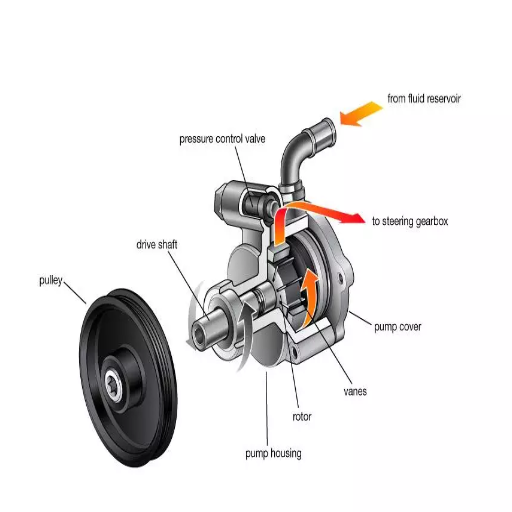
The power steering pump is a crucial part of your vehicle’s steering system. Understanding its core components helps grasp how it functions. These components work together to ensure smooth and effortless steering. Let’s explore each of these vital parts.
Pump Housing
The pump housing encases the pump’s internal parts. It provides protection and support. Typically made of aluminum or cast iron, it withstands high pressure. Its design ensures durability and long-lasting performance.
Rotary Vane
The rotary vane is the heart of the pump. It consists of a rotor with sliding vanes. These vanes move within the pump housing. As the rotor spins, the vanes create pressure. This pressure pushes hydraulic fluid through the system.
Reservoir
The reservoir stores the hydraulic fluid. It is usually located above the pump. This ensures a steady supply of fluid. A transparent design helps monitor fluid levels easily. Regular checks prevent low fluid levels, which can damage the pump.
Drive Mechanism
The drive mechanism powers the pump. It connects to the engine via a belt. As the engine runs, it drives the pump. This mechanism is vital for generating the required pressure. A well-maintained belt ensures efficient operation.
Working Mechanism
The power steering pump plays a crucial role in making steering easier and smoother. It works by moving fluid and creating pressure that helps turn the wheels with less effort. Understanding its working mechanism reveals how it supports the driver during steering.
Fluid Movement Process
The pump draws hydraulic fluid from a reservoir. It pushes this fluid into the steering system through connected hoses. The fluid flows continuously while the engine runs. This movement is vital for transmitting force to the steering parts.
Pressure Generation
Inside the pump, a rotating vane or gear creates pressure. This pressure pushes the hydraulic fluid to the steering gear. The higher the pressure, the more assist the system provides. The pump adjusts pressure based on steering demand.
Assisting Steering Effort
The pressurized fluid helps move the steering gear. This reduces the force the driver must apply on the wheel. It makes turning smooth and less tiring. The power steering pump ensures easier control, especially at low speeds.
Hydraulic Fluid Importance
Hydraulic fluid plays a crucial role in the operation of a power steering pump. It transmits the force needed to steer your vehicle smoothly and efficiently. Without the right fluid, your steering system can’t function properly, leading to stiffness, noise, or even damage.
Fluid Types
Not all hydraulic fluids are the same. Most vehicles require specific power steering fluids designed to handle high pressure and temperature changes. Using the wrong fluid can cause wear and tear on the pump and other components.
- DOT 3 or DOT 4 brake fluid:Sometimes used in older systems but not recommended for most power steering pumps.
- Automatic Transmission Fluid (ATF):Common in many power steering systems, but check your owner’s manual.
- Dedicated power steering fluid:Formulated specifically for modern systems to prevent foaming and corrosion.
Double-check your vehicle’s manual before adding or changing fluid. Using the wrong type can lead to costly repairs.
Maintenance Tips
Keeping your hydraulic fluid clean and at the right level ensures your power steering pump works well for years. Regularly check the fluid reservoir and top it off if it’s low.
Change the fluid according to your vehicle’s maintenance schedule. Over time, fluid degrades and loses its effectiveness.
- Inspect for leaks around hoses and the pump.
- Flush the fluid periodically to remove contaminants.
- Use a clean funnel to avoid introducing dirt when adding fluid.
Signs Of Fluid Problems
Are you hearing whining noises when turning the wheel? This often points to low or dirty hydraulic fluid. It can also cause your steering to feel heavy or jerky.
Look out for fluid leaks under your vehicle or a burning smell from the engine bay. These are red flags that the power steering system needs attention.
- Difficulty steering, especially at low speeds.
- Foamy or dark-colored fluid in the reservoir.
- Visible leaks or puddles under the car.
Ignoring these signs can lead to pump failure, which is more expensive to fix. Have your fluid checked regularly to avoid surprises.
Common Issues And Symptoms
Power steering pumps are vital for smooth steering. Problems with these pumps can cause serious driving issues. Recognizing common symptoms helps in early diagnosis and repair. This section covers typical signs of power steering pump trouble.
Noise And Whining Sounds
A failing power steering pump often makes noise. Whining or groaning sounds usually come from the engine area. These noises often increase when turning the steering wheel. They indicate low fluid or worn pump components. Ignoring these sounds can lead to pump failure.
Leaking Fluid
Leaking power steering fluid is a clear sign of trouble. Fluid leaks often appear under the car or near the pump. Low fluid levels reduce pump efficiency and cause steering problems. The fluid is usually red or pink and slippery to touch. Fixing leaks quickly prevents damage to other parts.
Steering Difficulty
Hard or stiff steering is a common symptom of pump issues. The steering wheel may feel heavy or slow to respond. This problem occurs when the pump cannot supply enough pressure. It makes driving unsafe, especially at low speeds. Repairing or replacing the pump restores smooth steering.

Credit: www.youtube.com
Maintenance And Repair
Maintaining and repairing your power steering pump is essential to keep your vehicle’s steering smooth and responsive. Ignoring early signs of wear can lead to costly repairs or even complete steering failure. Let’s look at how you can keep your pump in top shape and recognize when it’s time for professional help.
Routine Checks
Regularly checking your power steering system can prevent unexpected breakdowns. Start by inspecting the power steering fluid level and its condition—dark or dirty fluid often signals trouble.
Listen for unusual noises like whining or groaning when you turn the wheel; these sounds often mean the pump is struggling. Also, look for leaks around the pump or hoses, as fluid loss affects performance.
How often have you checked your fluid lately? Small efforts like these save you big headaches down the road.
Pump Replacement Indicators
Knowing when to replace the power steering pump can save your vehicle from steering damage. Common signs include persistent whining noises even after topping up fluid, increased steering effort, and visible fluid leaks that won’t stop.
Another red flag is a jerky or uneven steering feel, which suggests the pump isn’t supplying consistent pressure. If you notice any of these symptoms, acting quickly can prevent accidents and further damage.
Have you noticed your steering getting harder or noisier lately? That’s your pump asking for attention.
Diy Vs Professional Service
Deciding whether to repair or replace your pump yourself depends on your comfort level and the tools you have. Simple tasks like checking fluid levels or tightening hoses are manageable for most car owners.
However, replacing a power steering pump involves draining fluid, removing components, and bleeding the system—steps that require skill and proper equipment. Incorrect handling can lead to air in the system or leaks, causing more problems.
When was the last time you felt confident under the hood? If you hesitate, it’s wise to seek professional help to ensure safety and proper repair.
Advancements In Power Steering
Power steering technology has evolved significantly over the years. These advancements improve driving comfort and vehicle performance. The shift from traditional hydraulic systems to modern electric solutions marks a major change. Newer systems offer better control and efficiency. They also reduce the overall effort needed to steer the vehicle. Understanding these changes helps appreciate how power steering pumps work today.
Electric Power Steering Pumps
Electric power steering pumps use an electric motor to assist steering. They replace the hydraulic pump driven by the engine belt. Sensors detect steering wheel movement and adjust assistance accordingly. This system provides variable support based on speed and driving conditions. It also reduces energy waste by operating only when needed.
Benefits Over Hydraulic Systems
- Lower energy consumption, improving fuel efficiency
- Reduced maintenance as there is no hydraulic fluid to replace
- Quieter operation without pump noise
- More precise steering control with electronic adjustments
- Improved safety features integrated with vehicle electronics

Credit: www.carsales.com.au
Frequently Asked Questions
What Is The Main Function Of A Power Steering Pump?
A power steering pump helps reduce steering effort by providing hydraulic pressure. It circulates fluid to assist in turning the wheels smoothly and easily. This pump makes steering safer and more comfortable, especially at low speeds or when parking.
How Does A Power Steering Pump Generate Pressure?
The pump uses a belt-driven rotor inside a housing. As the rotor spins, it forces hydraulic fluid through the system. This pressurized fluid assists the steering mechanism, making it easier to turn the vehicle’s wheels with less manual effort.
What Are Common Signs Of A Failing Power Steering Pump?
Symptoms include whining noises, stiff steering, and fluid leaks. Difficulty in turning the wheel or uneven steering response also indicates pump issues. Early detection helps prevent further damage and maintains safe vehicle handling.
How Often Should Power Steering Pump Fluid Be Replaced?
Fluid replacement varies by manufacturer but generally occurs every 50,000 to 75,000 miles. Fresh fluid ensures proper hydraulic pressure and prevents pump wear. Regular checks and timely changes extend the pump’s lifespan and improve steering performance.
Conclusion
A power steering pump helps you turn the wheel with less effort. It moves fluid to create pressure that assists your steering. This makes driving smoother and safer, especially at low speeds. Knowing how it works can help you spot problems early.
Keep the pump and fluid in good condition for best results. Simple care can prevent costly repairs down the road. Understanding this system makes you a smarter, safer driver.

Colin Radner is an automotive enthusiast with a deep passion for cars and welding. With over five years of hands-on experience in welding, Colin brings a unique perspective to the automotive world. His expertise in welding, combined with his love for all things car-related, allows him to write insightful and informative blog posts that resonate with automotive lovers and DIY mechanics alike. When he’s not writing, you can find him working on car repairs, restoring vintage models, or exploring the latest trends in the automotive industry. Colin’s dedication to the craft and his ability to break down complex topics makes him a trusted voice in the automotive blogosphere.