Can You Use a Bike Pump for a Football: Expert Tips Revealed
Have you ever found yourself ready for a game, only to realize your football is flat? You might wonder, “Can I use a bike pump to inflate my football?” It sounds like a simple fix, but there’s more to it than just attaching the pump and pumping away.
If you’re curious about whether your bike pump can do the job without damaging your ball or wasting your time, keep reading. This guide will help you understand exactly how to get your football game-ready using the tools you already have.
Don’t let a flat ball stop your fun—find out the best way to pump it up right now!

Credit: www.amazon.ca
Bike Pump Basics
Understanding the basics of a bike pump can help you decide if it’s a good tool for inflating your football. A bike pump is designed primarily for bike tires, but its simple mechanism means it might work for other inflatables too. Knowing how it works and the types available can save you time and frustration when you need to add air.
Types Of Bike Pumps
Bike pumps come in several styles, each with its own advantages. The most common are:
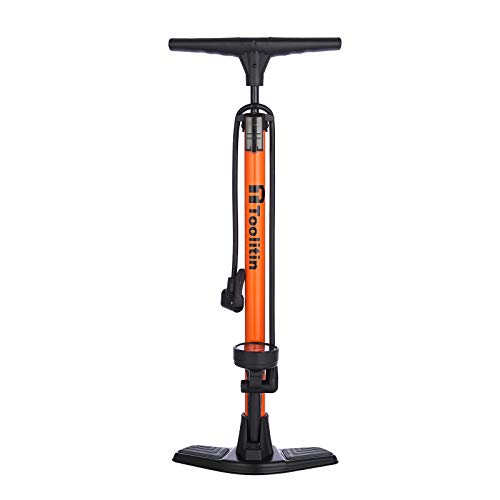
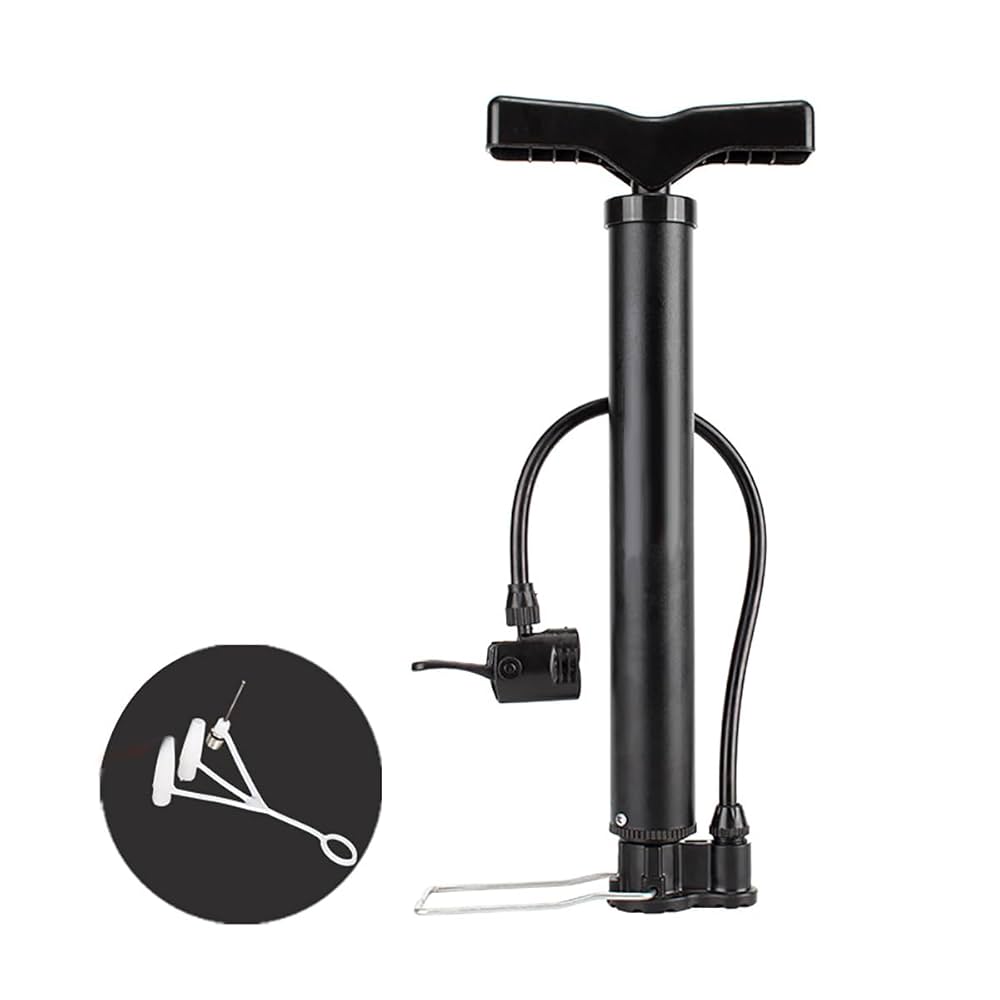
- Floor Pumps:These are large, stable, and ideal for quickly inflating tires. They usually have a pressure gauge for accuracy.
- Hand Pumps:Compact and portable, perfect for emergencies but require more effort.
- CO2 Pumps:Use compressed gas cartridges for fast inflation, but you need to replace cartridges frequently.
Which type do you have at home? Knowing this can help you figure out if it will work well with your football.
How Bike Pumps Work
Bike pumps push air into a tire by forcing air through a valve. When you pull the handle up, air enters the pump chamber. Pressing down then pushes that air into the tire or inflatable object.
The key to using a bike pump on a football is the valve connection. Bike pumps usually fit Schrader or Presta valves, but footballs have a needle valve that requires a special adapter. Without it, you risk damaging the ball or the pump.
Have you checked if your pump has or can fit an adapter? This small detail makes all the difference in success.
Football Inflation Essentials
Inflating a football correctly ensures optimal performance and longevity. Using the right equipment and understanding essential inflation details are crucial. While a bike pump can inflate a football, knowing the specific needs of football inflation is key. From pressure levels to the types of footballs, each element plays a vital role. Let’s explore the essentials of football inflation.
Recommended Pressure Levels
Every football requires a specific pressure level for best performance. Typically, footballs need between 8.5 and 15.6 PSI. This range ensures the ball is neither too hard nor too soft. Check the recommended PSI on the football’s packaging or near its valve. Maintaining the right pressure improves control and bounce.
Inflation Need For Different Footballs
Various footballs have unique inflation needs based on their use. Professional footballs often require higher pressure for competitive play. Training footballs may need less pressure for practice sessions. Youth footballs generally require lower pressure to suit young players’ needs. Always use a pressure gauge for accurate inflation.
Using A Bike Pump On A Football
Using a bike pump to inflate a football might seem like a quick fix, especially when you don’t have a specialized football pump on hand. But can you really do it without damaging the ball or the pump? Understanding the details about compatibility and the right inflation process can save you time and avoid frustration.
Compatibility Of Pump Needles
Not all pump needles are created equal. A standard bike pump needle is usually designed for bike tires, which have a different valve size compared to footballs.
Football needles are typically thinner and longer to fit the ball’s inflation valve properly. Using the wrong needle might either fail to fit or damage the valve, causing air leaks.
Before you try inflating your football with a bike pump, check if your pump has a detachable needle compatible with sports balls. Many bike pumps come with extra needles for balls, but if yours doesn’t, you can buy a suitable needle separately.
Step-by-step Inflation Guide
- Locate the valve:Find the small inflation valve on your football, usually near the laces.
- Attach the correct needle:If your bike pump has a sports needle, screw it on securely.
- Moisten the needle:Slightly wetting the needle helps prevent damage when inserting it into the valve.
- Insert the needle gently:Push the needle straight into the valve without forcing it.
- Pump air carefully:Inflate slowly, checking the ball’s firmness regularly to avoid overinflation.
- Remove the needle smoothly:Take it out straight to avoid harming the valve.
- Check the ball’s bounce and feel:It should be firm but not rock hard.
Have you ever struggled with a flat football right before a game? Using a bike pump can be a handy solution if you have the right needle and follow these simple steps. It’s about treating your ball and your equipment with care to get the best results.

Credit: www.amazon.co.uk
Common Challenges
Using a bike pump to inflate a football might seem like a quick fix, but it comes with several challenges you should be aware of. These challenges can affect the ball’s performance and even damage it. Understanding these common issues helps you avoid mistakes and keep your football in top shape.
Potential Risks
One major risk is damaging the needle or valve. Bike pump needles are not always designed for sports balls, and forcing the pump can bend or break the needle. This can lead to air leaks or a complete inability to inflate the ball properly.
Another risk is uneven inflation. Unlike ball pumps, bike pumps might not provide a steady, controlled airflow, causing the football to inflate unevenly. This affects how the ball feels and performs during play.
Avoiding Over-inflation
Over-inflating a football is easy when using a bike pump because it lacks a pressure gauge specifically for balls. Too much air can make the ball hard and prone to popping or losing shape quickly.
To prevent this, check the recommended pressure printed on the football. Use a separate pressure gauge if your bike pump doesn’t have one. Pump in small bursts and test the ball’s firmness regularly—don’t rely on guesswork.
Alternative Inflation Tools
Alternative inflation tools make pumping footballs easier and faster. They provide options beyond a regular bike pump. These tools are designed to fit the ball’s valve and maintain proper pressure.
Hand Pumps Designed For Footballs
Hand pumps for footballs are small and lightweight. They come with needles that fit the ball’s valve perfectly. These pumps work well for quick inflation and adjustments on the field. Their compact size makes them easy to carry in sports bags. Many models have pressure gauges to avoid overinflation.
Electric Inflators
Electric inflators save time and effort by automating the process. They connect directly to the football valve with a needle attachment. These inflators can fill the ball quickly to the right pressure. Some models include digital pressure displays for accuracy. They are ideal for coaches and players who need fast, reliable inflation.

Credit: www.amazon.co.uk
Maintenance Tips
Keeping your bike pump in top shape is key to ensuring it works well for inflating your football or any other sports gear. Proper maintenance not only extends the life of the pump but also saves you from frustrating moments when the needle bends or the pump fails. Let’s dive into simple yet effective tips to care for your pump needles and store your pump correctly.
Caring For Pump Needles
The needle is a delicate part of your pump that deserves special attention. Avoid forcing the needle into the ball valve; gentle and steady pressure works best.
If the needle bends or gets clogged, it might not inflate the ball properly. Try cleaning it with warm water or a small brush to remove dirt or debris.
Keep a few spare needles on hand. I once had a needle snap right before a game, and having a backup saved me from missing out on playtime. How prepared are you for such moments?
Storage Recommendations
Proper storage can prevent damage and keep your pump ready to use. Store the pump in a dry place to avoid rust, especially if you live in a humid area.
Use a small container or bag to keep the pump and its accessories together. This helps you avoid losing the needle or other small parts.
Don’t leave the needle attached to the pump after use; it can bend or get damaged. Instead, detach it and store it safely. Have you checked where your pump is right now?
Frequently Asked Questions
Can I Use A Bike Pump To Inflate A Football?
Yes, you can use a bike pump if it has a needle adapter. The needle fits the football’s inflation valve perfectly. Without this adapter, the pump won’t work properly or may damage the ball.
What Type Of Needle Fits Both Bike Pump And Football?
A standard inflation needle is compatible with most bike pumps and footballs. This needle allows air to pass through and fits snugly into the valve. Make sure to use a clean, undamaged needle for efficient inflation.
Will Using A Bike Pump Damage My Football?
Using a bike pump correctly won’t damage your football. Avoid excessive pressure to prevent valve or ball damage. Always use the proper needle and pump carefully to maintain the ball’s shape and longevity.
How Long Does It Take To Inflate A Football With A Bike Pump?
Inflating a football with a bike pump usually takes 1 to 3 minutes. The exact time depends on the pump’s efficiency and the ball’s current pressure. Check the ball’s firmness regularly during inflation.
Conclusion
Using a bike pump for a football works in many cases. The needle fits most football valves well. Just be gentle to avoid damage. Check the pressure often to keep the ball firm. This method saves money and time. Always handle the pump and ball with care.
Now, you can keep your football ready to play anytime. Simple tools can solve everyday problems easily.

Colin Radner is an automotive enthusiast with a deep passion for cars and welding. With over five years of hands-on experience in welding, Colin brings a unique perspective to the automotive world. His expertise in welding, combined with his love for all things car-related, allows him to write insightful and informative blog posts that resonate with automotive lovers and DIY mechanics alike. When he’s not writing, you can find him working on car repairs, restoring vintage models, or exploring the latest trends in the automotive industry. Colin’s dedication to the craft and his ability to break down complex topics makes him a trusted voice in the automotive blogosphere.