How to Find Tire Size on Car: Quick Guide
Are you puzzled about how to determine the right tire size for your car? You’re not alone.
Many car owners face this challenge, often unsure where to look or what those numbers and letters mean. Knowing your tire size is crucial for maintaining the safety and performance of your vehicle. Plus, it can save you time and money when you’re shopping for replacements.
Imagine the peace of mind you’ll have, knowing you’re equipped with the knowledge to make informed decisions about your tires. In this guide, we’ll walk you through a simple, step-by-step process to find your car’s tire size effortlessly. Let’s get started on your path to being a more confident and informed car owner.
Locating Tire Information
Locating the right tire information on your car is crucial for ensuring the safety and performance of your vehicle. Incorrect tire sizes can affect your car’s handling and fuel efficiency. Knowing where to look for this essential information can save you time and money. So, how can you easily find the tire size your car needs? Let’s explore the key locations where this information is often displayed.
Checking The Sidewall
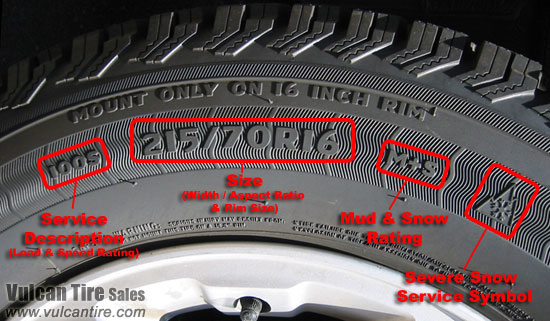
The sidewall of your car’s tire holds more secrets than you might think. It’s like the tire’s ID card, detailing everything from the size to the type of tire. Look for a series of numbers and letters, like “P215/65R15.”
These numbers tell you the width, aspect ratio, and diameter of the tire. Have you ever wondered what those mysterious codes mean? Understanding them will ensure you buy the right size tire when replacement time comes.
Owner’s Manual Reference
Your car’s owner’s manual is a goldmine of information. It’s where you can find detailed specifications, including the recommended tire size. If the sidewall numbers seem confusing, this reference guide is your backup.
Have you misplaced your manual? Many manufacturers offer digital versions on their websites. This makes it easy to access vital information with just a click.
Driver’s Side Door Placard
Peek inside the driver’s side door, and you’ll find a placard or sticker with crucial details. This often-overlooked spot is where manufacturers conveniently list the original tire size and pressure recommendations.
Have you checked here before? If not, give it a look next time you hop in your car. It’s a quick and reliable source for confirming tire details without needing to decode sidewall hieroglyphics.
Finding your car’s tire size doesn’t have to be a daunting task. By knowing where to look, you make sure your vehicle runs smoothly and safely. What tips do you have for finding tire information on your car? Share your insights below!

Credit: canadacustomautoworks.com
Understanding Tire Size Codes
Understanding tire size codes might seem like deciphering a secret language. Yet, these codes are crucial for ensuring your vehicle performs optimally. Knowing what each part of the tire size represents helps you make informed choices when it’s time to replace your tires. Let’s dive into what these codes mean and why they’re important for your driving experience.
Width And Aspect Ratio
Imagine a friend asking you about the width of your car tires. Would you know it offhand? Tire width is the measurement from one sidewall to the other, expressed in millimeters. A wider tire often offers better grip but may affect fuel efficiency. The aspect ratio follows the width and represents the height of the tire’s sidewall as a percentage of the width. If your tires read 205/55, the width is 205mm and the aspect ratio is 55% of that width. Have you checked yours lately?
Construction Type
Next up is the construction type, indicated by a letter right after the aspect ratio. The most common is ‘R,’ which stands for radial construction. Radial tires are designed with layers running radially across the tire, allowing for better road contact and improved comfort. Knowing the construction type can help you assess the tire’s longevity and performance. Do you know if your tires are radial?
Wheel Diameter
Wheel diameter is the size of the wheel that the tire fits onto, measured in inches. This number is crucial when purchasing new tires, as it must match the diameter of your wheel. If your tire reads 205/55R16, the ’16’ indicates a wheel diameter of 16 inches. Have you ever wondered why mismatched tires and wheels can cause problems? It’s all about compatibility.
Load Index And Speed Rating
Finally, we have the load index and speed rating. These numbers and letters tell you the maximum weight your tires can support and the top speed they can handle safely. If your load index is 91, your tire can support up to 615 kg. The speed rating usually follows, such as ‘V,’ which means a maximum speed of 240 km/h. Do you trust your tires at high speeds?
Understanding tire size codes isn’t just for car enthusiasts; it’s vital for anyone who drives. Properly sized tires ensure safety and efficiency, and knowing these details can even save you money in the long run. Next time you glance at your tires, take a moment to decode those numbers and letters—they hold the key to your ride’s safety and performance.
Tools For Measuring Tire Size
Knowing how to measure your tire size is crucial for maintaining your vehicle’s performance and safety. Whether you’re replacing old tires or upgrading for better traction, accurate measurement is key. But what tools do you need to get this right? Let’s explore some simple yet effective tools you can use to measure your tire size accurately.
Tire Gauge Utilization
A tire gauge is not just for checking air pressure; it can also assist in measuring tire size. When you use a tire gauge, you ensure that your tires are neither too big nor too small for your vehicle. This tool is handy for confirming the tire diameter and width when you’re unsure.
Imagine checking your tire pressure and realizing your tires are the wrong size. A tire gauge can prevent such mishaps. Make sure to invest in a quality gauge that provides accurate readings. Have you ever considered using a tire gauge for more than just pressure checks?
Digital Calipers
Digital calipers offer precision in measuring the width of your tires. With their easy-to-read digital screens, you can quickly determine whether your tires fit your car’s specifications. These tools are indispensable for those who like things to be precise.
Have you ever tried using digital calipers for tire measurement? They provide a more accurate reading than a regular ruler or tape measure. The digital display removes any guesswork, ensuring you have the exact measurements needed to find the perfect tire size.
Using the right tools can make tire measurement straightforward and accurate. Whether you’re using a tire gauge or digital calipers, ensuring your tires are the correct size can enhance your driving experience significantly. What tools do you rely on for tire measurements?

Credit: www.sullivantire.com
Common Tire Size Mistakes
Finding the correct tire size on a car can prevent common mistakes. Check the driver’s side door jamb or the owner’s manual for this information. Incorrect tire sizes can affect fuel efficiency and safety. Always match the size to the manufacturer’s specifications.
Finding the right tire size for your car is important. Many people make mistakes that lead to problems. These errors can affect driving safety and comfort. Knowing common tire size mistakes helps avoid them. Understanding these mistakes can save time and money.Ignoring Vehicle Specifications
Vehicle specifications matter when selecting tire sizes. Each car has a recommended tire size. This information is in the owner’s manual or on the driver’s door. Ignoring these specifications leads to mismatched tires. This can result in poor handling and reduced fuel efficiency. Always check the recommended tire size before buying.Mismatched Tire Sets
Having mismatched tire sets is another common mistake. Different tire sizes can affect car performance. This includes braking, steering, and overall stability. Using mismatched tires may also impact the wear and tear of the suspension. It is crucial to have all tires of the same size and type. Matching tire sets ensure smoother rides and better control.Tips For Accurate Tire Size Identification
Accurate tire size identification is crucial for maintaining your vehicle’s performance and safety. Whether you’re buying new tires or checking your car’s current ones, knowing the correct size is essential. Imagine investing in new tires only to find out they don’t fit properly—frustrating, right? Here are some practical tips to ensure you nail down the exact tire size for your car.
Regular Tire Checks
Regularly checking your tires can save you from unexpected surprises. Make it a habit to inspect your tires every few months. Look for markings on the tire sidewall; these numbers are your tire’s size. The first number usually indicates the tire width in millimeters. The second number represents the aspect ratio, and the last one is the wheel diameter in inches.
Have you ever glanced at these numbers and thought they looked like a secret code? They’re not as intimidating as they seem. Once you understand what they mean, you’ll find it easier to remember your tire size for future reference.
Consulting Tire Professionals
Sometimes, you need a little help from the experts. Tire professionals can provide valuable insights about tire size and compatibility. If you’re unsure about reading those tire markings, these experts can clarify everything. They can also suggest alternatives if your preferred tire size isn’t available.
Have you ever asked a tire expert for advice and discovered options you never considered? These professionals have the experience and knowledge to guide you in making the best choice. Don’t hesitate to reach out to them for advice.
Finding the right tire size doesn’t have to be a daunting task. With regular checks and professional advice, you can ensure your vehicle runs smoothly and safely. So, the next time you’re faced with the task of identifying tire size, remember these tips. How confident are you about your tire size knowledge now?
Credit: www.dracuttire.com
Frequently Asked Questions
Where Do I Find My Tire Size On My Car?
Check the sidewall of your tire for numbers like 225/50R17. Also, find it on the driver’s side door jamb. Your vehicle’s manual contains this information too. These numbers indicate tire width, aspect ratio, and diameter.
Can I Look Up Tire Size By Vin Number?
Yes, you can find tire size using the VIN number. Visit the manufacturer’s website or contact the dealership for details. They can provide the original tire specifications based on the VIN. Keep in mind, tires may have been changed from the original specifications.
How To Find The Right Tire Size For Your Car?
Check your car’s owner’s manual for tire specifications. Inspect the sidewall for size markings. Consult online tire guides for compatibility. Visit a professional tire shop for expert advice. Ensure proper alignment with your vehicle’s requirements.
How Do You Read A Tire Size?
To read a tire size, check the sidewall for a sequence like “P215/65R15. ” “P” indicates passenger vehicle, “215” is the width in millimeters, “65” is the aspect ratio, “R” denotes radial construction, and “15” is the rim diameter in inches.
This sequence provides essential tire information.
Conclusion
Finding your car’s tire size is easy with these steps. Check the sidewall of your tire. Look for a series of numbers and letters. This is your tire size. It includes width, aspect ratio, and diameter. These numbers ensure the right fit.
Always refer to your vehicle’s manual too. It provides accurate information. Correct tire size improves safety and efficiency. Ensure you replace tires with the exact size. Stay safe and enjoy a smooth drive. Happy driving!

Automotive Specialist & Expert Writer
Tyler Kingston is a passionate automotive writer with a wealth of knowledge in all things cars. With years of experience in the automotive industry, Tyler specializes in everything from vehicle maintenance to the latest car technologies and innovations. He is known for his ability to break down complex automotive concepts into easily digestible, engaging content for both novice and experienced car enthusiasts. Whether it’s detailing car repair techniques, reviewing new car models, or diving into the world of auto accessories, Tyler’s articles provide valuable insights to readers. His hands-on experience, combined with a genuine love for cars, allows him to deliver expert advice, tips, and news that keeps readers coming back for more.