How a Hydraulic Pump Works: Essential Guide for Beginners
Have you ever wondered what powers the heavy machines that build roads, lift cars, or even operate your car’s brakes? The secret often lies in a small but mighty device called a hydraulic pump.
Understanding how a hydraulic pump works can unlock a whole new level of appreciation for the machines you see every day. You’ll discover the simple yet fascinating process behind these pumps, why they’re essential, and how they keep powerful systems running smoothly.
Stick with me, and by the end, you’ll see hydraulic pumps in a whole new light.

Credit: hydraulicpump-suppliers.com
Basics Of Hydraulic Pumps
Hydraulic pumps are vital machines that move fluid in hydraulic systems. They change mechanical energy into hydraulic energy. This process powers tools and machines in many industries.
Understanding the basics of hydraulic pumps helps you see how they support heavy lifting and precise movements. These pumps are simple but powerful devices.
Hydraulic System Components
A hydraulic system has several key parts that work together:
- Hydraulic Pump:Moves fluid through the system.
- Hydraulic Fluid:The liquid that transmits power.
- Actuators:Convert fluid power into mechanical motion.
- Valves:Control fluid flow and pressure.
- Reservoir:Holds the hydraulic fluid.
- Pipes and Hoses:Carry fluid to different parts.
Each part must work well for the system to operate smoothly.
Role Of Hydraulic Pumps
The hydraulic pump’s job is to push fluid from the reservoir into the system. It creates flow and pressure needed to move parts.
Pumps come in various types, like gear, vane, and piston pumps. Each type suits different needs and pressures.
Without the pump, the system would not have power. It turns engine or motor energy into fluid movement. This movement makes machines work.
Credit: www.appropedia.org
Types Of Hydraulic Pumps
Hydraulic pumps move fluid to create power in machines. Common types include gear, vane, and piston pumps. Each works by pushing fluid through different mechanisms to generate force.
Understanding the various types of hydraulic pumps is key to choosing the right one for your needs. Different pumps serve different functions, and their design affects their performance and suitability for specific applications. Let’s explore the primary types of hydraulic pumps, each offering unique advantages.Gear Pumps
Gear pumps are known for their simplicity and reliability. They operate using two meshing gears to move fluid. This design makes them durable and easy to maintain. They are often used in applications where a constant flow is essential. Their straightforward design minimizes the risk of failure. However, they might not be the best choice if you need variable flow rates.Vane Pumps
Vane pumps utilize a series of vanes mounted on a rotor to create a pumping action. These pumps excel in providing a smooth, consistent flow. One of their standout features is the ability to handle a wide range of viscosities, making them versatile. They are commonly found in automotive transmissions and power steering systems. Are you considering a vane pump for your needs? It’s worth noting they often require more maintenance due to the complexity of their design.Piston Pumps
Piston pumps are known for their high efficiency and pressure capabilities. They use a series of pistons to move the fluid, which makes them ideal for high-pressure applications. They are often used in heavy machinery and industrial settings where substantial power is required. Despite their efficiency, they can be more costly and complex to maintain. Have you ever worked with equipment that demands high pressure? A piston pump might just be what you need to ensure optimal performance. Each type of hydraulic pump has its strengths and potential drawbacks. Understanding these can significantly impact your system’s efficiency and longevity. Which type aligns with your requirements?How Hydraulic Pumps Move Fluid
Understanding how hydraulic pumps move fluid is key to grasping the power behind many machines you encounter daily. These pumps don’t just push fluid randomly; they follow a precise process to create movement and force. Let’s break down how they intake and discharge fluid to keep systems running smoothly.
Fluid Intake Process
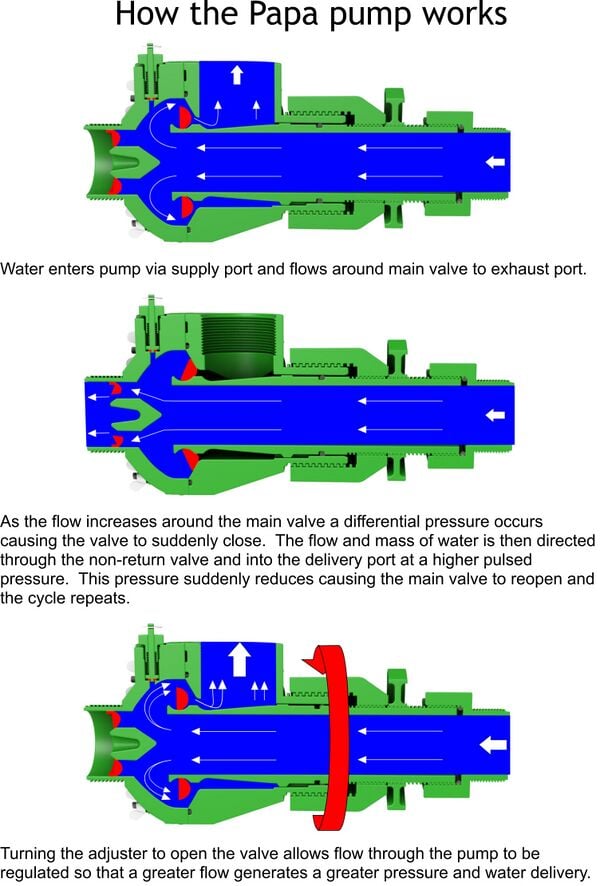
The intake process starts when the pump creates a low-pressure zone inside its chamber. This drop in pressure causes the hydraulic fluid to flow into the pump from the reservoir. The fluid enters through an inlet valve, which opens only when the pressure inside the pump is lower than outside.
Think about it like sipping a drink through a straw—when you pull up, the liquid rushes in to fill the space. Similarly, the pump’s internal parts, such as gears or pistons, move to increase volume inside the chamber, encouraging fluid to flow inward. This process ensures a continuous supply of fluid is ready to be pushed out under pressure.
Fluid Discharge Process
Once the fluid fills the chamber, the pump’s moving parts reduce the volume inside, raising the pressure on the fluid. This increase forces the fluid out through the discharge valve into the hydraulic system. The valve only opens when the pressure inside exceeds the system pressure, preventing backflow.
The fluid exits at high pressure, ready to do work, whether lifting a heavy load or powering machinery. Have you ever noticed the difference in power when a hydraulic jack lifts a car? That’s the discharge process at work, turning fluid movement into strong mechanical force.

Credit: www.lubrizol.com
Factors Affecting Pump Performance
Understanding the factors that affect hydraulic pump performance can save you time and money. These factors directly influence how well your pump operates and its lifespan. Paying attention to them helps you spot issues early and maintain smooth system function.
Flow Rate And Pressure
Flow rate and pressure are the backbone of any hydraulic pump’s operation. If the flow rate drops, your system won’t deliver enough fluid to perform tasks efficiently. On the other hand, if pressure is too high or too low, it can strain the pump and connected components.
Have you ever noticed a machine working slower than usual? It might be due to incorrect flow or pressure settings. Checking these regularly helps avoid unexpected downtime and costly repairs.
Pump Efficiency
Efficiency measures how well your pump converts power into hydraulic energy. A drop in efficiency means wasted energy and higher operating costs. Dirt, wear, or poor maintenance usually cause efficiency to slip.
Simple habits like changing filters and using clean fluid can keep efficiency high. Think about the last time you skipped maintenance—did your pump’s performance suffer? Keeping efficiency in check ensures you get the most from your equipment.
Common Issues
Several common problems can hurt your pump’s performance. Leaks, cavitation, and overheating are among the top offenders. For instance, cavitation happens when air bubbles form and collapse inside the pump, causing damage over time.
Ignoring warning signs like unusual noises or temperature spikes can lead to pump failure. Are you paying close enough attention to your equipment’s behavior? Early detection of these issues makes repair easier and less expensive.
Applications Of Hydraulic Pumps
Hydraulic pumps power many machines and tools you encounter every day. Understanding where they are used helps you see their importance beyond just the mechanics. These pumps convert mechanical energy into hydraulic energy, making heavy lifting and precise movements possible.
Industrial Uses
Hydraulic pumps are essential in factories and manufacturing plants. They drive machines that cut, press, and shape metals with high precision.
Think about assembly lines where speed and accuracy are critical. Without hydraulic pumps, many of these processes would slow down or fail to handle heavy loads.
- Metal stamping presses
- Injection molding machines
- Hydraulic lifts and cranes
Have you noticed how smoothly large machines operate? That’s the power of hydraulic pumps at work.
Mobile Equipment
Hydraulic pumps are the heart of mobile machines like excavators and forklifts. They provide the force needed to move arms, buckets, and other attachments.
Without them, lifting heavy materials on construction sites would be nearly impossible. The precise control also helps operators perform delicate tasks safely.
- Construction excavators
- Forklifts and loaders
- Dump trucks with hydraulic lifts
Next time you see a bulldozer in action, consider how the hydraulic pump lets it handle tons of material effortlessly.
Agricultural Machinery
Hydraulic pumps also play a vital role on farms. They power equipment that tills soil, plants seeds, and harvests crops efficiently.
Farmers rely on these pumps for tasks that require both strength and precision. This helps increase productivity while reducing physical labor.
- Tractors with hydraulic lifts
- Harvesters and combines
- Seed drills and sprayers
Have you ever thought about how much easier farming becomes with hydraulic power? It’s not just about strength but also control and efficiency.
Maintenance Tips For Hydraulic Pumps
Proper maintenance keeps hydraulic pumps working smoothly and extends their lifespan. Regular care prevents costly breakdowns and improves efficiency. Simple steps can save time and money in the long run.
Regular Inspection
Check the pump and its components often for signs of wear or damage. Look for leaks, cracks, or unusual noises. Tighten loose bolts and clean dirt or debris around the pump. Early detection helps avoid bigger problems later.
Fluid Replacement
Hydraulic fluid loses its quality over time. Replace the fluid according to the manufacturer’s schedule. Use the correct type of fluid to match the pump’s requirements. Clean fluid ensures smooth operation and protects parts from wear.
Troubleshooting
Watch for changes in pump performance, such as slow operation or strange sounds. Identify the cause by checking fluid levels, filters, and connections. Fix simple issues like clogged filters or low fluid immediately. Seek professional help for complex problems to prevent damage.
Frequently Asked Questions
What Is The Primary Function Of A Hydraulic Pump?
A hydraulic pump converts mechanical energy into hydraulic energy. It generates fluid flow and pressure to power hydraulic systems efficiently.
How Does A Hydraulic Pump Create Pressure?
It forces fluid through a narrow outlet. This restriction increases the fluid pressure to perform work in hydraulic machinery.
What Are The Common Types Of Hydraulic Pumps?
The main types include gear, vane, and piston pumps. Each varies in design, efficiency, and application suitability.
Why Is Fluid Flow Important In Hydraulic Pumps?
Fluid flow determines the speed and power of hydraulic systems. Proper flow ensures smooth and effective operation.
Conclusion
Hydraulic pumps move fluid to create power. They turn small energy into strong force. This makes machines work smoothly and safely. Knowing how they work helps you understand many tools. Pumps are in cars, planes, and factories. They keep things moving every day.
Simple parts work together in a smart way. Now you see why hydraulic pumps matter. They make heavy tasks easier and faster. Learning about them opens up new ideas.

Colin Radner is an automotive enthusiast with a deep passion for cars and welding. With over five years of hands-on experience in welding, Colin brings a unique perspective to the automotive world. His expertise in welding, combined with his love for all things car-related, allows him to write insightful and informative blog posts that resonate with automotive lovers and DIY mechanics alike. When he’s not writing, you can find him working on car repairs, restoring vintage models, or exploring the latest trends in the automotive industry. Colin’s dedication to the craft and his ability to break down complex topics makes him a trusted voice in the automotive blogosphere.