How Does a Septic Pump Work: Essential Guide to Efficient Waste Management
Have you ever wondered what happens beneath your home when you flush the toilet or run the sink? Your septic pump plays a crucial role in keeping your plumbing system running smoothly.
Understanding how a septic pump works can help you spot problems early and avoid costly repairs. You’ll discover the simple yet powerful way this device keeps your wastewater moving, so you can keep your home clean and comfortable without worry.
Keep reading to learn how your septic pump works and what you can do to take care of it.
Septic System Basics
Understanding the basics of your septic system is essential for keeping it running smoothly. A septic system handles all the wastewater from your home, treating it safely underground. If you’ve ever wondered how the liquid waste moves and gets processed, knowing the system’s key parts can help you spot issues early and avoid costly repairs.
Key Components
Your septic system mainly consists of a few important parts that work together:
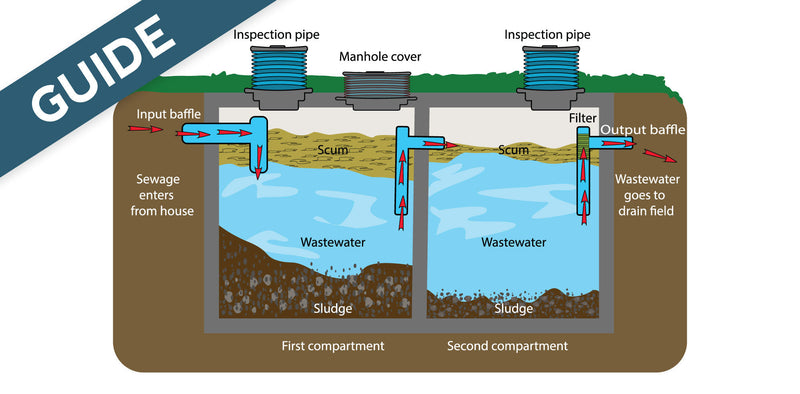
- Septic Tank:This is a large, buried container where wastewater first collects. It separates solids from liquids and starts breaking down waste.
- Drain Field:Sometimes called a leach field, this area allows the liquid waste to slowly soak into the soil, where natural bacteria finish the treatment.
- Septic Pump:This pump moves the wastewater from the tank to the drain field, especially when the land is uneven or the drain field is uphill.
Knowing these parts helps you understand how your system handles daily waste. Have you checked if your septic system has all these components working properly?
Role Of The Septic Pump
The septic pump plays a crucial role in moving wastewater through your system. It activates when the liquid in the septic tank reaches a certain level.
Once triggered, the pump pushes the wastewater into the drain field. This prevents the tank from overflowing and keeps the entire system balanced.
Without the pump, wastewater could back up into your home or cause damage to the system. Have you ever noticed unusual noises or smells near your septic tank? That might signal a pump issue worth checking out.
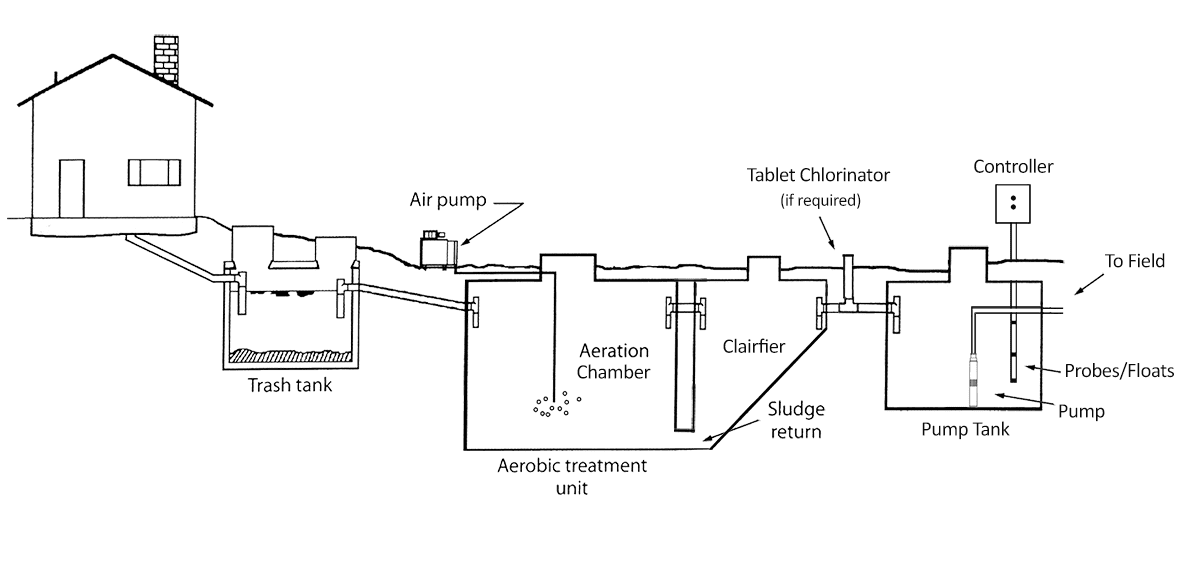
Credit: advancedaerobic.systems
Septic Pump Types
Septic systems rely on pumps to manage waste efficiently. Different septic pump types serve various needs. Understanding these types helps in choosing the right one for your system. Here, we’ll explore three common types: submersible pumps, effluent pumps, and grinder pumps.
Submersible Pumps
Submersible pumps sit directly in the septic tank. They work underwater and push waste to the drain field. This type is quiet and efficient. It prevents clogging by handling solids well. Submersible pumps are durable, offering long-lasting service.
Effluent Pumps
Effluent pumps handle the liquid waste after solids settle. They move this water to a disposal area. These pumps are essential for systems with high water tables. Effluent pumps keep the system balanced and prevent overflow. They are reliable for moving large volumes quickly.
Grinder Pumps
Grinder pumps are powerful and versatile. They shred solid waste into smaller pieces. This process ensures smoother waste flow. Grinder pumps are ideal for homes with complex plumbing. They prevent blockages and protect the septic system.
Pump Operation Process
The pump operation process is the heart of how a septic system keeps your home’s wastewater moving smoothly. Understanding this process helps you spot potential issues early and ensures your system runs efficiently. Let’s break down how the pump works step by step to handle your household waste.
Wastewater Collection
Wastewater from your sinks, showers, and toilets flows into the septic tank first. This tank acts as a settling area where solids separate from liquids. The pump only deals with the liquid layer, called effluent, which collects at the bottom of the tank.
Have you ever wondered why solids don’t clog your pump? That’s because the pump is designed to handle mostly clear liquid. Solids stay behind in the tank, reducing wear on the pump itself.
Pumping Mechanism
Inside the septic tank, a float switch monitors the effluent level. When the liquid reaches a certain height, this switch signals the pump to turn on. The pump then pushes the effluent out of the tank toward the drain field or treatment area.
The pumping action is powerful enough to move the wastewater uphill or through pipes, but gentle enough to avoid damaging the system. Pumps often use impellers to create this flow, similar to how a small fan moves air.
Discharge And Treatment
Once the effluent leaves the septic tank, it enters the drain field or a secondary treatment unit. Here, the wastewater undergoes further purification. Soil and microbes break down remaining contaminants, returning cleaner water back to the environment.
Have you checked your drain field recently? A failing pump or clogged pipes can cause wastewater to back up or pool on the surface. Routine inspections help you catch problems before they become costly repairs.
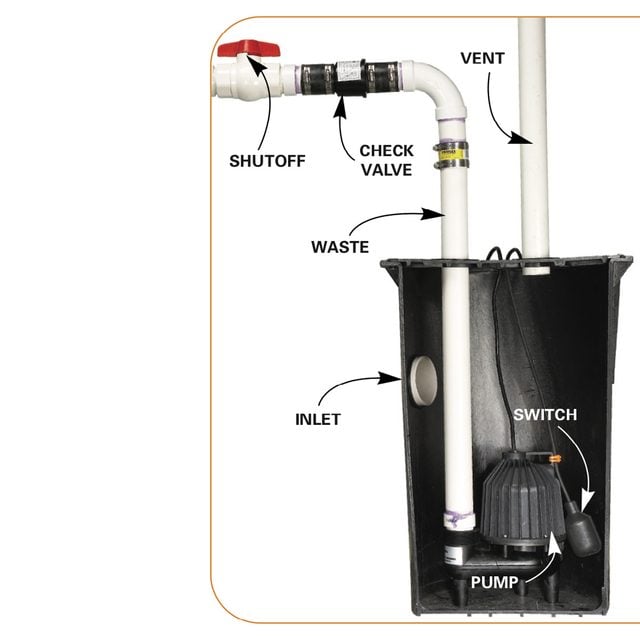
Credit: www.familyhandyman.com
Signs Of Pump Issues
Recognizing signs of septic pump problems helps avoid costly repairs. Early detection protects your home’s plumbing and yard. Watch for unusual symptoms that indicate the pump struggles to work properly.
Slow Drains
Drains that empty slowly may signal a pump issue. Water takes longer to leave sinks, tubs, or toilets. This happens because the pump cannot push waste efficiently. Slow drainage often means the pump is clogged or failing.
Unusual Noises
Strange sounds from the septic system need attention. Buzzing, grinding, or humming noises suggest mechanical trouble. The pump might have worn parts or debris caught inside. Ignoring these sounds could lead to a complete pump failure.
System Backups
Wastewater backing up into the home is a major warning. It shows the pump cannot move the sewage properly. Backups cause bad smells and unsanitary conditions. Immediate action is necessary to prevent health hazards and property damage.
Maintenance Tips
Keeping a septic pump working well needs regular care. Maintenance stops problems early. It saves money and avoids bad smells or backups. Simple steps help your system last longer and work smoothly.
Regular Inspections
Check the septic pump often. Look for leaks, strange noises, or slow drains. Watch the alarm panel for warnings. Inspect wiring and floats to ensure they work. Regular checks catch small issues before they grow.
Cleaning And Repairs
Clean the pump and tank to remove buildup. Remove solids that block pipes or damage parts. Fix broken parts quickly to avoid bigger damage. Use a professional service for deep cleaning and repairs. Clean filters and screens regularly to keep flow steady.
Preventive Measures
- Do not pour grease or chemicals down drains.
- Avoid flushing hard items like wipes or plastics.
- Limit water use to prevent overload.
- Plant grass, not trees, near the tank to protect pipes.
- Keep heavy vehicles off the tank area to avoid damage.
These steps reduce wear and keep your septic pump safe. A little care goes a long way.
Choosing The Right Pump
Choosing the right septic pump is essential for efficient wastewater management. The pump must match the system’s needs to avoid frequent repairs or failure. Understanding key factors helps pick the best pump for your septic system. Consider capacity, energy use, and durability to make an informed choice.
Capacity Considerations
Select a pump that handles the daily wastewater volume. Too small a pump clogs easily and wears out fast. Too large wastes energy and costs more initially. Check the septic tank size and household water use. Match the pump’s flow rate and lift height to these needs. This balance keeps the system working smoothly.
Energy Efficiency
Energy-efficient pumps reduce electricity bills and environmental impact. Look for pumps with low power consumption but strong performance. Some models have automatic shut-off features to save energy. Choosing efficient pumps means long-term savings and less strain on power resources.
Durability Factors
Septic pumps face harsh conditions with solids and chemicals. Pumps made from corrosion-resistant materials last longer. Check for seals and parts designed to resist wear and tear. Pumps with easy-to-service designs save time and money. Durable pumps ensure reliable operation and fewer breakdowns.
Common Problems And Fixes
Septic pumps are vital for moving wastewater from your home to the septic tank. Problems with these pumps can cause serious issues like backups and foul odors. Knowing common problems and their fixes helps keep your system running smoothly. This section explains typical issues and how to address them.
Clogs And Blockages
Clogs happen when solids or debris block the pump or pipes. This stops wastewater from flowing properly. Common causes include grease, hair, and non-flushable items.
Fixes for clogs:
- Use a plumber’s snake to clear blockages in pipes.
- Flush the system carefully to avoid pushing more debris.
- Remove visible debris from the pump area.
- Schedule regular tank cleanings to prevent build-up.
Pump Failure Causes
Pump failure can occur from electrical issues, worn parts, or motor burnout. Overuse and poor maintenance increase failure risks.
Signs of pump failure include:
- Unusual noises from the pump.
- Water backup in the house or yard.
- Pump not turning on or off properly.
Fixes involve:
- Checking and resetting electrical connections.
- Replacing damaged parts like float switches.
- Installing a new pump if necessary.
Diy Vs Professional Help
Small issues like minor clogs can be fixed with basic tools. Simple cleaning and part replacement are manageable for many homeowners.
Professional help is best for:
- Complex electrical repairs.
- Major blockages deep in the system.
- Pump replacement and system inspection.
Experts ensure safety and proper function. They have tools and knowledge for thorough repairs.

Credit: www.biocleanseptic.in
Environmental Impact
Septic pumps play a vital role in managing household wastewater. Their operation directly affects the environment. Properly functioning septic systems reduce pollution risks. They prevent harmful substances from reaching soil and water sources. Understanding their environmental impact helps promote safer waste disposal and cleaner surroundings.
Wastewater Management Benefits
Septic pumps move wastewater from homes to septic tanks efficiently. This process helps break down solids and separate liquids. It reduces the chance of untreated waste leaking into nature. Good wastewater management protects groundwater and nearby water bodies. It also lowers the risk of diseases caused by pollution.
Eco-friendly Practices
Using septic pumps supports eco-friendly waste treatment at home. These pumps enable natural breakdown of waste by bacteria in the tank. They reduce the need for chemical treatments and energy-heavy processes. Regular pump maintenance prevents spills and contamination. Homeowners can also conserve water to lessen pump strain. Together, these habits help keep the environment safe and clean.
Frequently Asked Questions
How Does A Septic Pump Transfer Wastewater?
A septic pump moves wastewater from the septic tank to the drain field. It uses an electric motor to push liquid through pipes. This prevents backup and ensures proper waste disposal. The pump activates when wastewater reaches a set level in the tank.
Why Is A Septic Pump Important For Septic Systems?
A septic pump prevents system overflow by moving sewage efficiently. Without it, waste may back up into your home or yard. It maintains the flow of wastewater to the drain field. This keeps the septic system functioning properly and avoids costly repairs.
How Often Should A Septic Pump Be Maintained?
Septic pumps should be inspected and serviced every 1 to 3 years. Regular maintenance prevents pump failure and extends its lifespan. Check for electrical issues, clogs, and wear. Proper care ensures the septic system works smoothly and avoids costly breakdowns.
What Signs Indicate A Failing Septic Pump?
Common signs include slow drains, sewage odors, and wet areas near the tank. Frequent pump cycling or no pump activity also signals trouble. Early detection allows timely repairs and prevents system damage. Address issues promptly to maintain a healthy septic system.
Conclusion
A septic pump moves wastewater from your tank to the drain field. It helps keep your system working well and avoids backups. Regular checks and cleaning can stop problems before they start. Knowing how your septic pump works saves time and money.
Small steps keep your home safe and clean. Simple care makes a big difference. Trust your system to do its job smoothly.

Colin Radner is an automotive enthusiast with a deep passion for cars and welding. With over five years of hands-on experience in welding, Colin brings a unique perspective to the automotive world. His expertise in welding, combined with his love for all things car-related, allows him to write insightful and informative blog posts that resonate with automotive lovers and DIY mechanics alike. When he’s not writing, you can find him working on car repairs, restoring vintage models, or exploring the latest trends in the automotive industry. Colin’s dedication to the craft and his ability to break down complex topics makes him a trusted voice in the automotive blogosphere.