How to Use a Vacuum Pump for Ac: Guide to Success
If you own an air conditioner, knowing how to use a vacuum pump can save you time and money. Whether you’re fixing leaks or installing a new unit, a vacuum pump is key to keeping your AC running smoothly.
But using it the wrong way can cause damage or poor performance. In this guide, you’ll learn simple steps to handle your vacuum pump like a pro. Ready to make your AC work better and last longer? Let’s dive in and get you confident with every step.
Choosing The Right Vacuum Pump
Choosing the right vacuum pump is essential for efficient and safe AC servicing. The pump you select directly affects how well you remove air and moisture from the system, which impacts performance and longevity. Let’s look at what you need to know to pick the best vacuum pump for your AC tasks.
Types Of Vacuum Pumps
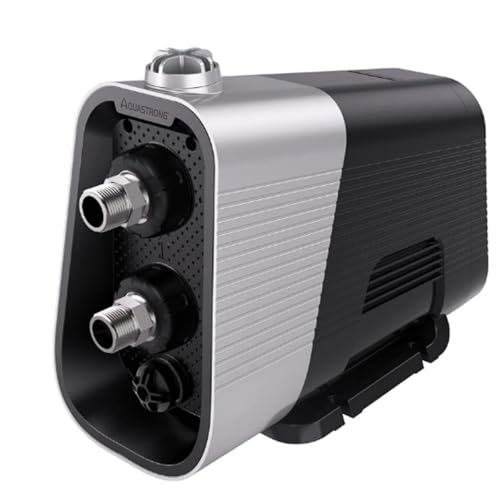
There are several types of vacuum pumps, but not all are suitable for AC work. The most common type used is the rotary vane vacuum pump, known for its reliability and ability to reach deep vacuum levels.
- Rotary Vane Pumps:Great for HVAC systems, they provide steady suction and are easy to maintain.
- Diaphragm Pumps:These are quieter and oil-free, but usually don’t achieve the deep vacuum needed for AC evacuation.
- Piston Pumps:Less common in HVAC, they can be bulky and less efficient for moisture removal.
Understanding these types helps you avoid buying a pump that won’t meet the demands of your AC system.
Factors To Consider
How do you know which vacuum pump fits your specific needs? Start by considering the pump’s capacity, measured in cubic feet per minute (CFM). A higher CFM means faster evacuation, which saves you time on the job.
Also, check the ultimate vacuum level the pump can reach. You want a pump that can pull at least 500 microns to ensure the system is free of moisture and air.
Don’t overlook durability. If you work on multiple or large AC units, choose a pump built for heavy use. Portability and noise level might also matter if you move between job sites frequently.
Safety Precautions
Using a vacuum pump involves more than just plugging it in. Always ensure the pump is properly grounded to avoid electrical hazards.
Wear safety goggles and gloves to protect yourself from refrigerant vapors and oils that might leak during evacuation.
Never operate the pump in a closed area without ventilation. The exhaust can contain harmful substances, so directing it outside is crucial.
Have you ever considered how skipping these precautions could affect your health or the equipment? Taking a few extra minutes to follow safety steps can prevent costly accidents.

Credit: www.youtube.com
Preparing The Ac System
Start by turning off the AC and disconnecting power. Attach the vacuum pump to the service port to remove air and moisture. This ensures the system is clean before recharging with refrigerant.
Preparing your AC system for vacuuming is crucial. The process ensures proper maintenance and efficiency. You need to follow a few steps for a smooth operation.Gathering Necessary Tools
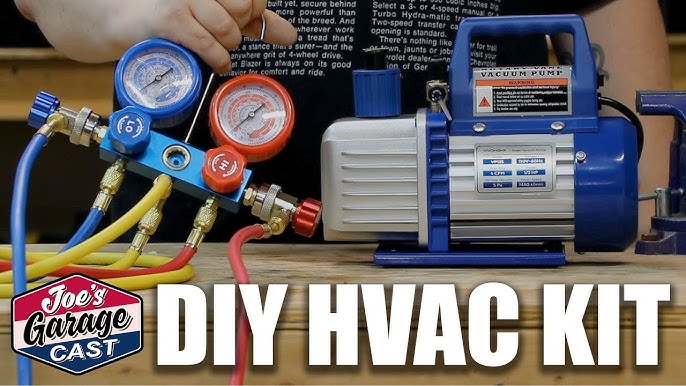
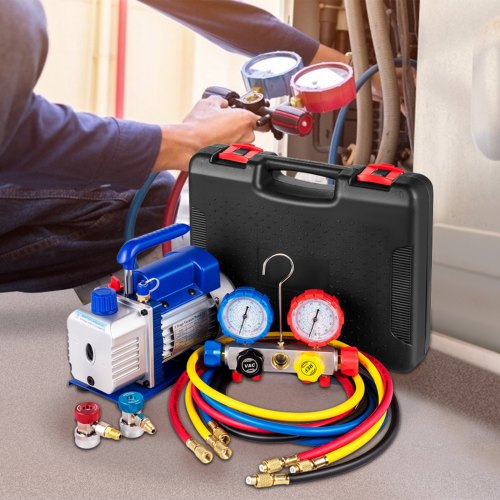
Start by collecting all essential tools. A vacuum pump is the main tool. You’ll also need gauge manifolds and hoses. Ensure you have safety goggles and gloves. These protect you during the process. Having the right tools makes the job easier and safer.Locating Service Ports
Next, locate the service ports on your AC system. These ports are usually near the condenser unit. Look for two ports: low-pressure and high-pressure. The low-pressure port is larger. Knowing their locations is important for connecting your tools.Ensuring System Readiness
Before starting, check the AC system. Make sure it’s off and unplugged. Check for any visible damages or leaks. Fix any issues before using the vacuum pump. A well-prepared system ensures effective vacuuming.Connecting The Vacuum Pump
Connecting the vacuum pump properly is crucial to ensure your AC system is evacuated efficiently and safely. This process requires attention to detail and a steady hand to avoid mistakes that could damage your equipment or lead to inaccurate readings. Let’s break down how to connect your vacuum pump step-by-step to get the best results.
Attaching Hoses Correctly
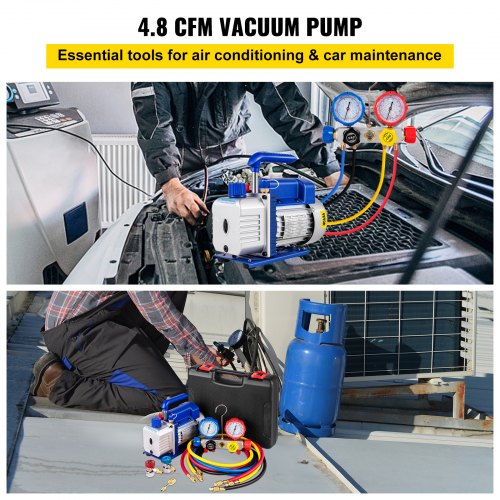
Start by identifying the service ports on your AC system—these are usually marked as high and low pressure. Attach the hoses from the vacuum pump manifold to these ports carefully. Make sure each hose is connected to the correct port to avoid cross-contamination or incorrect vacuum readings.
Use the hose ends that fit snugly without forcing them. A loose connection can cause air leaks, which will make the vacuum pump work harder or give false readings. I once skipped double-checking hose placement and ended up wasting an hour troubleshooting a non-existent leak.
Sealing Connections
After attaching the hoses, you must seal every connection tightly. Use clamps or quick-connect fittings designed for your hoses to secure the joints firmly. Sealing prevents air from entering the system during evacuation, which is essential for achieving a deep vacuum.
If you notice any cracks or worn-out parts on your hoses or fittings, replace them immediately. Even a tiny gap can let air in, ruining the vacuum process. Have you ever struggled with a stubborn air leak only to find it was due to an old, cracked hose?
Checking For Leaks
Before turning on the vacuum pump, inspect all connections visually and by hand for leaks. You can apply a small amount of soapy water around joints and look for bubbles that indicate escaping air. This quick test saves time and frustration by catching leaks early.
Once the pump is running, monitor the vacuum gauge closely. If the pressure doesn’t drop steadily or holds at a higher value, there might still be a leak. Don’t ignore these signs—addressing leaks promptly ensures your AC system is properly evacuated and ready for refrigerant charging.
Credit: www.vevor.ca
Operating The Vacuum Pump
Operating the vacuum pump correctly is essential for maintaining the efficiency and longevity of your AC system. It ensures that all moisture and air are removed, preventing damage and improving performance. Let’s look at how you can operate the pump effectively for the best results.
Starting The Pump
Before turning on the vacuum pump, double-check that all connections are secure to avoid leaks. Connect the pump to the AC system using the correct hoses and fittings, then open the valves slowly. Once everything is set, power on the pump and listen for a steady, consistent sound—this indicates the pump is running smoothly.
Monitoring Pressure Levels
Keep a close eye on the pressure gauge during operation. The goal is to reach a deep vacuum, often measured in microns, which shows that air and moisture are effectively removed. If the pressure levels don’t drop as expected, it might mean there’s a leak or blockage you need to address before continuing.
Duration Of Evacuation
The length of time you run the vacuum pump depends on the size of your AC system and the level of contamination. Typically, you should evacuate the system for at least 15 to 30 minutes. Have you noticed that rushing this step can lead to poor system performance? Taking the time ensures your AC runs smoothly and lasts longer.
Completing The Process
Completing the vacuum pump process for an AC system is a critical step. It ensures the system is properly prepared for refrigerant charging. Careful attention is needed to avoid air or moisture entering the system. Follow these steps to finish the process safely and effectively.
Shutting Down The Pump
Turn off the vacuum pump first. Allow it to run for a few minutes after reaching the desired vacuum level. This helps stabilize the vacuum inside the system. Once stable, switch off the pump completely. Unplug the pump from the power source to ensure safety.
Closing Service Valves
Close the service valves on the AC system carefully. This seals the system and prevents air from entering. Use the correct tools to avoid damaging the valves. Tighten the valves just enough to stop leaks without over-tightening.
Verifying System Vacuum
Check the vacuum gauge to confirm the vacuum level holds steady. A stable reading means no leaks or moisture are present. Monitor the gauge for several minutes to be sure. If the vacuum drops, recheck the connections and repeat the process if needed.
Troubleshooting Common Issues
Troubleshooting common issues with your vacuum pump is key to keeping your AC system running smoothly. Problems like inadequate vacuum levels or leaks can cause inefficient cooling or even damage your system. Understanding how to spot these issues early saves you time, money, and frustration.
Inadequate Vacuum Levels
If your vacuum pump isn’t reaching the proper vacuum level, it may struggle to remove all moisture and air from the AC system. Check the vacuum gauge regularly; a healthy vacuum should typically be below 500 microns.
Low vacuum levels might mean there’s moisture trapped inside or the pump isn’t functioning optimally. Have you noticed the pump running longer than usual without achieving a deep vacuum? This often signals a problem that needs attention.
Try running the pump longer or double-check your connections. If the issue persists, inspect the pump oil or consider that the pump itself might need servicing.
Leaks And How To Find Them
Leaks are often the culprit behind poor vacuum performance. Even a tiny leak can let air back into your system, preventing a strong vacuum and causing your AC to underperform.
To find leaks, start by visually inspecting all fittings and hoses for cracks or loose connections. You can also use soapy water—apply it around joints and watch for bubbles, which indicate escaping air.
Another practical approach is using an electronic leak detector, especially for hard-to-see leaks. How confident are you in your system’s seals? Regularly testing for leaks can avoid costly repairs down the line.
Pump Maintenance Tips
Regular maintenance keeps your vacuum pump working at peak performance. Change the pump oil according to the manufacturer’s recommendations or whenever it looks dark and dirty.
Keep the pump clean and free from dust or debris. This simple step extends the life of your equipment and prevents overheating.
Also, check for worn-out parts like gaskets or seals and replace them promptly. Small maintenance tasks done consistently can prevent major headaches later.
Credit: www.vevor.ca
Frequently Asked Questions
What Is A Vacuum Pump Used For In Ac Systems?
A vacuum pump removes air and moisture from AC systems. This process prevents corrosion and ensures efficient refrigerant flow. It is essential before charging the system with refrigerant.
How Do I Connect A Vacuum Pump To My Ac Unit?
Connect the vacuum pump to the AC service port using proper hoses. Ensure all valves are closed before turning on the pump. Follow safety guidelines to avoid leaks.
How Long Should I Run A Vacuum Pump On Ac?
Run the vacuum pump for at least 15 to 30 minutes. This duration ensures complete removal of moisture and air. Longer times may be needed for larger systems.
Can I Use Any Vacuum Pump For Ac Servicing?
Use a vacuum pump specifically designed for HVAC systems. These pumps have the right capacity and features to handle refrigerants safely. Avoid using general-purpose pumps.
Conclusion
Using a vacuum pump for AC helps remove air and moisture. This keeps the system clean and working well. Always follow safety steps to avoid damage. Check connections and run the pump for the right time. Clean equipment makes your AC last longer.
Small efforts bring big benefits. Keep your AC cool and fresh with proper care. Simple tools and patience do the job right. Maintenance saves money and avoids future problems.

Colin Radner is an automotive enthusiast with a deep passion for cars and welding. With over five years of hands-on experience in welding, Colin brings a unique perspective to the automotive world. His expertise in welding, combined with his love for all things car-related, allows him to write insightful and informative blog posts that resonate with automotive lovers and DIY mechanics alike. When he’s not writing, you can find him working on car repairs, restoring vintage models, or exploring the latest trends in the automotive industry. Colin’s dedication to the craft and his ability to break down complex topics makes him a trusted voice in the automotive blogosphere.