How to Change HID Headlights: A Step-by-Step Guide
Have you ever driven down a dark road and struggled to see what’s ahead? Your HID headlights might be the reason why.
These powerful lights ensure you have a clear view, enhancing safety and comfort during night drives. But what happens when they start to dim or fail? You might think changing them is a daunting task, but it’s simpler than you imagine.
You’ll discover easy-to-follow steps to replace your HID headlights, ensuring your nighttime visibility remains top-notch. Whether you’re a seasoned car enthusiast or a beginner, you’ll find the tips and tricks you need to tackle this task with confidence. Don’t let dim headlights compromise your safety—learn how to change them and keep your driving experience bright and safe.
Tools Needed
Essential tools include a screwdriver and wrench for loosening bolts. Gloves protect hands while handling bulbs. A flashlight helps in dim lighting, ensuring precise installation.
Changing HID headlights might seem daunting, especially if you’re not a car enthusiast. However, with the right tools at your disposal, it becomes a manageable task. Think of it as an opportunity to not only save money but also gain a sense of accomplishment. Let’s dive into the tools you’ll need to make this process smooth and hassle-free.1. Basic Tool Kit
You don’t need to own a mechanic’s toolbox to change your HID headlights. A basic tool kit usually suffices. Essential items include a set of screwdrivers, both flathead and Phillips. You’ll also need a socket wrench set. These tools help you access the headlight housing without causing damage.2. Work Gloves
Protecting your hands is crucial. HID bulbs can become extremely hot. Work gloves ensure you don’t burn yourself while handling the bulbs. Plus, they offer a better grip, preventing accidental drops.3. Voltage Tester
Safety first—always. A voltage tester is important to ensure there’s no electrical current flowing when you disconnect the headlights. This tool helps prevent electrical shocks, keeping you safe during the process.4. Replacement Bulbs
Of course, you’ll need the new HID bulbs that match your vehicle’s specifications. Double-check the model and type before purchasing. It’s frustrating to dismantle everything only to realize you have the wrong bulbs.5. User Manual Or Online Guide
Your car’s user manual often contains crucial information about headlight replacement. If you don’t have it, find a reliable online guide. Knowing the specific instructions for your vehicle model can save time and prevent errors.6. Clean Cloth Or Microfiber Towel
Handling HID bulbs with bare hands can leave oils and dirt on them, potentially causing damage. Use a clean cloth or microfiber towel to hold the bulbs during installation. This ensures longevity and optimal performance of your new headlights. Are there other tools you find indispensable when replacing your HID headlights? Equip yourself with these essentials, and you’re well on your way to mastering this DIY task.Safety Precautions
Ensure the car is off and cool before starting. Wear gloves to protect your hands from sharp edges. Disconnect the battery to prevent electrical hazards.
Changing HID headlights can seem daunting, but prioritizing safety can make the process smooth and secure. It’s essential to focus on precautions to prevent any mishaps. Whether you’re a seasoned mechanic or trying this for the first time, safety should always be your top priority.Wear Protective Gear
Before you begin, ensure you have the right protective gear. Gloves are crucial to avoid burns or cuts when handling hot or sharp components. Safety goggles protect your eyes from debris and accidental splashes. Keeping yourself covered reduces risks and keeps your focus sharp.Disconnect The Battery
Working with HID headlights involves dealing with electrical systems. Disconnecting the car battery is a simple yet effective way to prevent electrical shocks. This step ensures that no current flows through the wires while you work. Taking this precaution means you can work confidently and safely.Check The Surrounding Area
Make sure the area around your vehicle is clear. A cluttered workspace can lead to accidents or misplaced parts. It’s wise to have a designated spot for all tools and components. Imagine searching for a misplaced screw while balancing a headlight in your hand—frustrating, right?Handle Bulbs Carefully
HID bulbs are sensitive and can break easily. Always handle them by the base, not the glass. If the bulb shatters, not only will you need a replacement, but there’s also a risk of injury from broken glass. A steady hand can save you time and ensure your safety.Ensure Adequate Lighting
Good lighting is crucial. If you’re working in dim conditions, you might miss important details or make mistakes. Using a flashlight or work lamp will illuminate your workspace. When you see clearly, you work efficiently and reduce the chance of errors.Seek Assistance If Needed
There’s no shame in asking for help. If you find yourself unsure about a step, consulting a friend or a professional can be invaluable. Sometimes, a second pair of eyes can catch what you might miss. Wouldn’t you rather have help than risk damaging your vehicle? Incorporating these safety precautions ensures that your HID headlight replacement goes smoothly and safely. Your attention to detail not only protects you but also enhances the quality of your work. Safety first, always.Locating The Headlight Assembly
Start by locating the headlight assembly. It’s often found behind the front bumper or near the engine compartment. Understanding its position is essential for a smooth HID headlight change.
Locating the headlight assembly is a crucial step in changing HID headlights. You might think it’s straightforward, but finding the right spot can sometimes be a bit challenging, especially with different car models. Once you get the hang of it, though, you’ll feel like a pro.Understanding Your Car’s Layout
Every car is unique, and so is the location of its headlight assembly. Typically, you’ll find it at the front of your vehicle, but the exact position can vary. Refer to your car manual for precise details. It’s a small step that saves time and avoids frustration.Opening The Hood
Begin by popping the hood. The headlight assembly is usually accessible from the engine bay. This is where it helps to be familiar with your car’s layout. If you’ve never opened your car’s hood, don’t worry—it’s easier than you think.Identifying The Headlight Assembly
Once the hood is up, look for the back of the headlights. They often have a plug with wires leading to them. This is your headlight assembly. Seeing this for the first time can be exciting because it’s the starting point for making that necessary change.Checking For Obstacles
Inspect if there are any components blocking your access. Sometimes, you might need to remove a cover or a part to reach the assembly. Don’t let this deter you—it’s a minor hurdle in the bigger picture of fixing your headlights.Using A Light Source
Good lighting is essential. Use a flashlight if necessary to see all the details clearly. A bright workspace ensures you don’t miss anything crucial and keeps your work safe and efficient.Personal Experience
When I first tried changing my car’s headlights, I was surprised by how different each model can be. It took some patience and a bit of trial and error. But once I located the assembly, the rest was smooth sailing. Have you ever faced a similar challenge that seemed daunting at first but was rewarding once you got past it? Locating the headlight assembly might seem daunting at first, but with these steps, you’ll handle it with ease. Take your time, be observant, and soon, changing HID headlights will feel like second nature.
Credit: undergroundlighting.com
Removing The Old Hid Bulbs
Removing old HID bulbs is a crucial step in headlight replacement. Proper handling ensures safety and functionality. Each step requires attention to detail. Let’s dive into the process.
Accessing The Bulb
First, locate the headlight assembly. It’s usually near the front bumper. You might need to open the hood. Some vehicles have covers over the assembly. Remove any coverings carefully. Check your car’s manual if unsure. It provides specific instructions.
Disconnecting The Wiring
Once the bulb is visible, identify the wiring connector. It links the bulb to the power source. Grip the connector firmly. Wiggle it gently to loosen. Press the release tab, if present. Pull the connector straight off. Avoid tugging the wires directly.
Extracting The Bulb
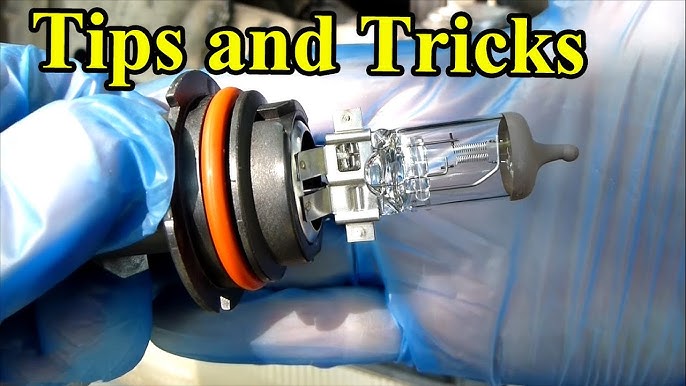
With the wiring disconnected, focus on the bulb itself. Twist it counterclockwise if needed. Some bulbs require a gentle pull. Ensure you don’t touch the glass part. Oils from fingers can damage the bulb. Place the old bulb aside safely. Dispose of it according to local regulations.
Installing The New Hid Bulbs
Installing new HID bulbs can greatly improve your vehicle’s lighting. It requires patience and precision. Follow these steps to ensure a smooth installation process.
Preparing The New Bulb
First, handle the bulb carefully. Wear gloves to avoid fingerprints. Inspect the bulb for damage. Ensure it matches the old bulb’s specs.
Next, clean the bulb gently. Use a soft cloth to wipe it. This helps prevent dirt affecting the bulb’s performance.
Connecting The Wiring
Identify the wiring harness. Connect the bulb’s wiring to it. Ensure a secure fit to avoid loose connections.
Check for any exposed wires. Cover them with electrical tape. This keeps the wiring safe and prevents short circuits.
Securing The Bulb In Place
Insert the bulb into the housing. Align it properly for a snug fit. Turn it gently to lock it in place.
Double-check the bulb’s position. It should not move or wiggle. Secure it firmly to prevent vibration during driving.
Finally, test the headlights. Turn them on to ensure they work correctly. Adjust the alignment if necessary for optimal lighting.

Credit: www.youtube.com
Testing The Headlights
Once you’ve installed new HID headlights, testing them is crucial. Ensuring they work properly helps avoid night driving issues. Let’s delve into the steps for testing your headlights effectively.
Turn On The Headlights
Begin by turning on your car’s headlights. Switch on the ignition if needed. Observe if both headlights illuminate. Check for a consistent and bright light.
Inspect The Light Beam
Examine the beam pattern. Make sure it is even and symmetrical. A lopsided beam indicates installation problems. Adjust the lights if necessary.
Check The Color Temperature
Color temperature should match the specification. It usually ranges from 4300K to 6000K. Ensure both lights display the same color. This ensures uniformity on the road.
Test The High And Low Beams
Activate the high beams. Then switch to low beams. Both should function correctly. High beams should illuminate a larger area.
Ensure Proper Alignment
Check the alignment of your headlights. They should point straight ahead. Misaligned lights can blind other drivers. Adjust them using the alignment screws.
Observe From A Distance
Step back from the vehicle. Assess the brightness and beam spread. Ensure both lights provide sufficient illumination. This ensures safety during night driving.
Listen For Unusual Sounds
Pay attention to any unusual buzzing sounds. HID headlights should operate quietly. Noise may indicate a faulty ballast or bulb.
Testing your headlights ensures safety and functionality. Follow these steps after every installation. Enjoy safer night drives with properly tested lights.
Troubleshooting Common Issues
Changing HID headlights can be tricky. Issues like improper alignment or faulty connections might arise. Ensure you handle components carefully to avoid damage.
Changing HID headlights can be a straightforward process, but sometimes you might encounter a few hiccups. Troubleshooting these common issues can save you time and frustration. Here, we break down some typical problems you might face and how to resolve them effectively.Bulb Flickering
Flickering lights are not just annoying—they’re a sign that something is off. Check if the bulb is securely fastened. Loose connections can cause flickering, so ensure everything is tightened properly. Another common culprit is a failing ballast. The ballast is responsible for regulating the power to your HID bulb. If it’s faulty, replace it promptly to restore stable lighting.Dim Light Output
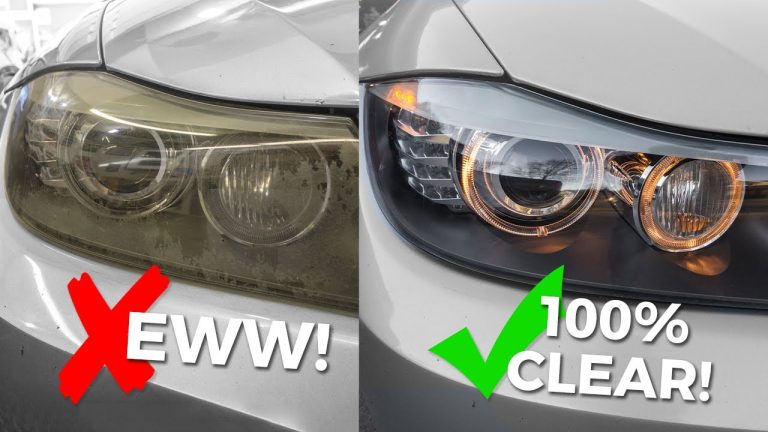
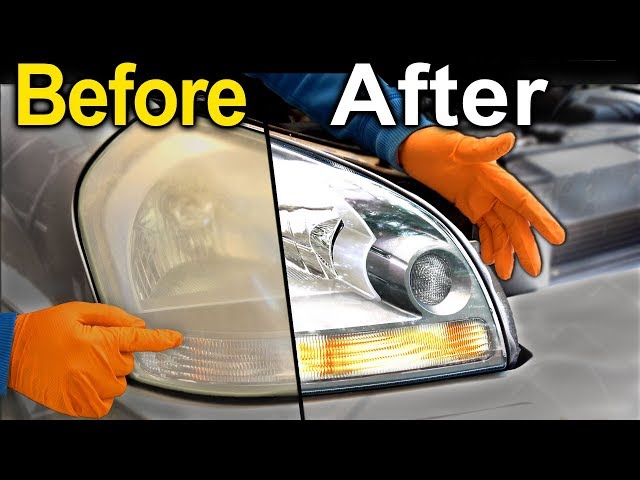
If your headlights seem dim, it might be due to aging bulbs. Over time, HID bulbs lose their brightness. Replacing them can instantly boost your light output. It’s also worth cleaning the headlight lenses. Dirt and grime can obscure the light, so give them a thorough clean. You’ll be surprised how much brighter your lights can be with a simple wash.No Light
No light at all? First, check your fuses. A blown fuse can cut power to your headlights, and replacing it is usually a quick fix. If fuses are intact, inspect the wiring. Damaged wires can disrupt the power flow. Look for visible signs of wear and tear, and repair any issues you find. Have you ever found yourself driving at night, squinting at the road because of headlight issues? Addressing these common problems can make your night drives safer and less stressful. What steps will you take to ensure your headlights are always in top shape?
Credit: www.lasfit.com
Maintenance Tips
Changing HID headlights requires caution and precision. First, ensure the vehicle is off and cool. Disconnect the battery to avoid electric shock. Remove the old bulb carefully, avoiding touching the glass part. Insert the new bulb securely, then reconnect the battery.
Test the headlights to ensure proper installation.
Changing HID headlights can seem daunting, but with the right maintenance tips, you can keep your headlights in top shape and ensure they last longer. Regular care not only boosts their performance but also saves you money in the long run. Let’s dive into some practical steps you can take to maintain your HID headlights effectively.Regular Cleaning
Keeping your headlights clean is crucial. Dirt and grime can reduce their brightness, affecting visibility. Use a soft cloth and mild detergent to wipe them down regularly. Avoid harsh chemicals that can damage the lens.Inspect For Damage
Check your headlights frequently for cracks or chips. Even minor damage can lead to moisture build-up, which can fog up the lights. If you spot any damage, consider a quick replacement to prevent further issues.Check Connections
Loose connections can cause flickering or complete headlight failure. Ensure the wiring and connectors are secure. If you notice any frayed wires, it’s wise to get them fixed immediately to avoid potential hazards.Monitor Brightness
Is your light dimming? This could be an early sign of a bulb nearing the end of its life. Consider replacing the bulb if you notice a significant drop in brightness. A timely replacement maintains optimal visibility while driving.Use Quality Bulbs
Invest in high-quality HID bulbs. They might be pricier upfront, but they offer better longevity and brightness. This choice will save you from frequent replacements and enhance your driving experience.Keep Them Dry
Moisture is the enemy of HID headlights. Ensure the seal around the headlight is intact. A good seal prevents water from sneaking in and causing corrosion or electrical issues. Always dry your headlights thoroughly after washing your car.Ask Yourself: Are You Prepared?
Are you ready to maintain your headlights like a pro? Taking these steps ensures your lights stay bright and reliable. Embrace regular maintenance and enjoy safer, more enjoyable drives. By following these maintenance tips, you’ll prolong the life of your HID headlights and keep your driving experience safe and smooth. So, next time you’re out on the road, you can be confident that your headlights are shining their best.Frequently Asked Questions
Can You Replace Hid Headlights?
Yes, you can replace HID headlights. Ensure compatibility with your vehicle model. Follow the manufacturer’s instructions for installation.
How Much Is It To Replace A Hid Headlight?
Replacing a HID headlight typically costs $100 to $350. Prices vary based on vehicle make and model. Labor charges can increase the total cost. Check local mechanics or auto shops for specific pricing. Consider professional installation to ensure proper alignment and functionality.
What Is The Most Common Problem With Hid Headlights?
The most common problem with HID headlights is flickering. This often results from voltage issues or a failing ballast. Regular inspection and maintenance can help prevent these issues. Replacing faulty components ensures optimal performance and safety.
How To Change Hid Bulb To Led?
To change an HID bulb to LED, first, disconnect the battery. Remove the HID bulb and ballast. Install the LED bulb in the headlight housing. Connect the LED driver to the bulb and vehicle’s power supply. Secure everything in place.
Test the lights to ensure proper functioning.
Conclusion
Changing HID headlights is simpler than it seems. Start with gathering the right tools. Check your car’s manual for specific instructions. Always remember to wear gloves for safety. Remove the old bulb carefully. Install the new bulb without touching it directly.
Make sure it fits snugly in place. Test the headlights to confirm proper installation. Regularly check and clean your headlights for longer life. This ensures better visibility while driving. Happy and safe driving with your new headlights!

Automotive Specialist & Expert Mechanic
Noah Brooks is a skilled automotive expert with a passion for both the technical and creative aspects of the automotive world. With years of experience in repairing, restoring, and enhancing vehicles, Noah is known for his deep knowledge of car mechanics, parts, and accessories. His expertise extends to welding, troubleshooting, and offering advice on the latest car technologies and trends. Whether it’s diagnosing complex issues or guiding readers through DIY car repairs, Noah’s blog posts are filled with hands-on insights that appeal to both novice and experienced car enthusiasts. When he’s not writing, Noah is working on his own car projects, continually learning and sharing his automotive passion with the world.