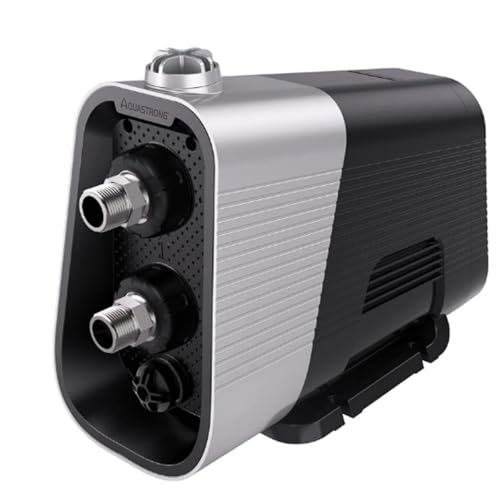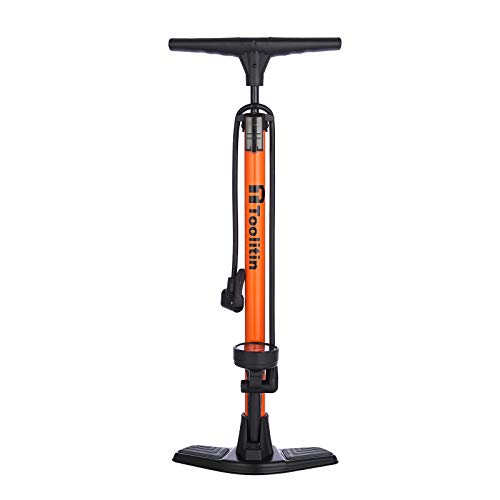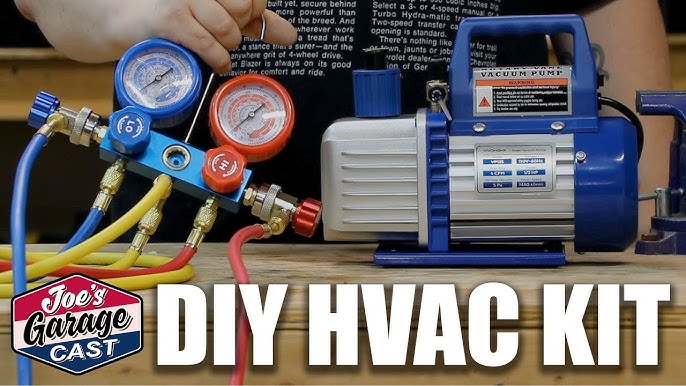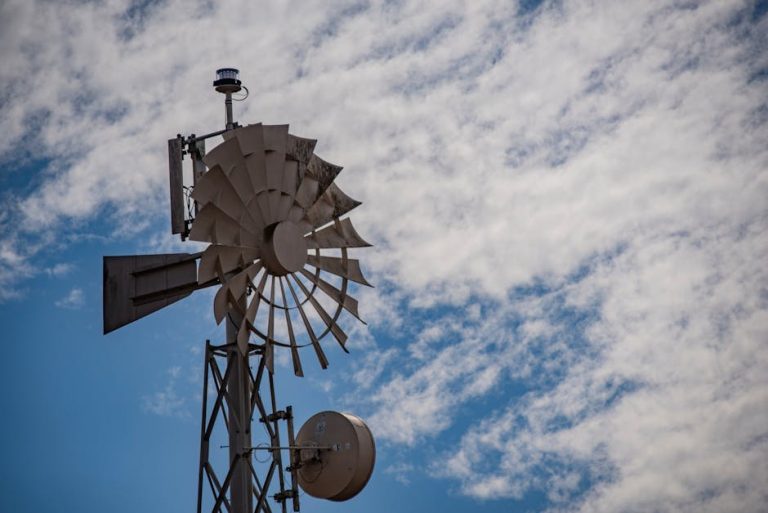
What is a Water Pump: Essential Guide to Types & Functions
Have you ever wondered how water moves from one place to another so easily? Whether it’s getting water to your home, garden, or even your car engine, a water pump plays a key role.
But what exactly is a water pump, and why is it so important for your daily life? Understanding this simple yet powerful device can help you make smarter decisions when it comes to fixing leaks, improving water flow, or choosing the right equipment for your needs.
Keep reading to discover how a water pump works and why it might be the hidden hero in your home or business.

Credit: bepowerequipment.com
Water Pump Basics
Understanding the basics of a water pump is essential if you’re dealing with any system that moves water. Whether it’s for irrigation, a car engine, or household plumbing, knowing how these devices function helps you maintain and troubleshoot them effectively. Let’s break down the fundamentals so you can feel confident handling your water pump.
How Water Pumps Work
A water pump moves water from one place to another by creating pressure. It usually pulls water in through an inlet and pushes it out through an outlet. This process can be powered by electricity, fuel, or even manual effort.
Think about a garden hose with a nozzle. When you squeeze the nozzle, water shoots out faster because pressure builds up. A water pump does something similar but on a much larger and more controlled scale.
Have you ever noticed how your car’s radiator fan turns on when the engine heats up? That fan is often part of a water pump system that keeps the engine cool by circulating coolant. This shows how water pumps play a crucial role in many everyday devices.
Key Components
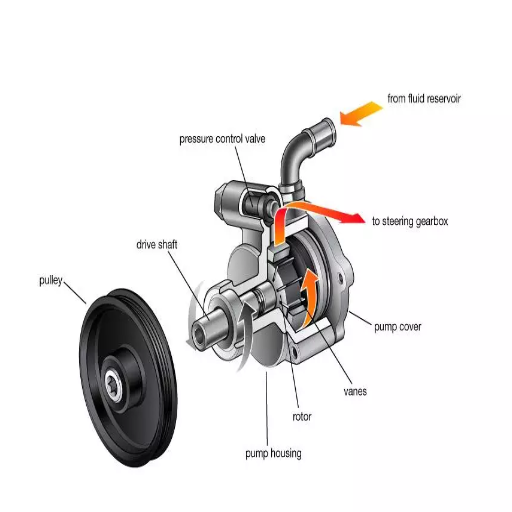
- Impeller:The rotating part that pushes water through the pump.
- Casing:The outer shell that holds the water and directs its flow.
- Inlet and Outlet:Openings where water enters and exits the pump.
- Motor or Engine:Powers the impeller to spin and move water.
- Seals and Bearings:Prevent leaks and allow smooth rotation of parts.
Each component has a specific role, and a failure in any one can stop the pump from working. For example, a worn seal might cause water to leak, reducing pressure and efficiency. Paying attention to these parts can save you from costly repairs.

Credit: www.gz-supplies.com
Common Types Of Water Pumps
Water pumps move water from one place to another for various uses. Common types include centrifugal, submersible, and diaphragm pumps. Each type works differently to suit specific tasks like irrigation or drainage.
When selecting a water pump, understanding the different types can help you make a more informed decision. Each type of pump has unique features and is suitable for specific applications. Let’s explore the common types of water pumps to find out which one might be the best fit for your needs.
Centrifugal Pumps
Centrifugal pumps are among the most popular due to their simplicity and efficiency. They work by converting rotational energy from a motor to move water. These pumps are ideal for transferring large volumes of water quickly, such as in agriculture or municipal water systems.
Submersible Pumps
Submersible pumps are designed to be submerged in water, making them perfect for wells, ponds, and sumps. They are highly efficient because they push water to the surface rather than pulling it, which also reduces the risk of pump cavitation. Submersible pumps are a great choice if you need a quiet and reliable solution.
Jet Pumps
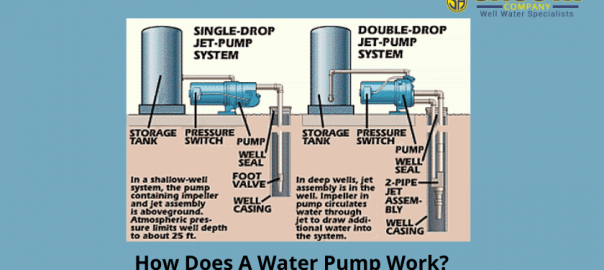
Jet pumps are commonly used in residential wells. They use a combination of suction and pressure to draw water from the ground. There are two main types: shallow well jet pumps and deep well jet pumps, each suited for different depths. Consider a jet pump if you need to lift water from a depth that centrifugal pumps can’t handle.
Diaphragm Pumps
Diaphragm pumps use a reciprocating diaphragm to move water, making them suitable for pumping water with solid particles. They are often used in industries where handling viscous fluids or slurries is required. If you need a pump that can handle debris without clogging, a diaphragm pump might be the answer.
Peristaltic Pumps
Peristaltic pumps, also known as tube pumps, move fluids through a flexible tube using rollers. They are ideal for applications where contamination must be avoided, as the fluid never touches the pump’s internal parts. These pumps are perfect for precise dosing and are commonly used in medical and laboratory settings.
When choosing a water pump, think about the specific requirements of your task. Are you dealing with clean water or water containing solids? Do you need to move large volumes quickly or handle delicate fluids carefully? Each type of pump offers unique advantages tailored to different situations.
Applications Of Water Pumps
Water pumps are vital tools used across many fields. They move water from one place to another quickly and efficiently. Their versatility makes them useful in homes, farms, factories, and businesses. Here are some common applications of water pumps.
Residential Uses
Water pumps help supply clean water to homes. They boost water pressure for showers and taps. Pumps also drain water from basements or flooded areas. Garden irrigation systems often rely on these pumps. They keep water flowing smoothly in residential settings.
Agricultural Uses
Farmers use water pumps for irrigation to grow crops. Pumps move water from rivers, wells, or ponds to fields. They help control water levels in rice paddies and greenhouses. Livestock farmers use pumps to supply water to animals. Pumps make farming more efficient and productive.
Industrial Uses
Factories use water pumps to cool machines and processes. They transport water in chemical, food, and textile industries. Pumps also help in wastewater treatment and recycling. Many industries need pumps to maintain safe and clean operations.
Commercial Uses
Businesses use water pumps for heating and cooling systems. Hotels and offices rely on pumps for water supply and drainage. Pumps support fire protection systems by providing strong water flow. They keep commercial buildings safe and comfortable.

Credit: bepowerequipment.com
Choosing The Right Water Pump
Choosing the right water pump can make a big difference in your project’s success. The pump you pick affects efficiency, cost, and how long the equipment lasts. It’s important to match your pump to the specific needs of your task to avoid common pitfalls like underperformance or premature wear.
Flow Rate And Pressure
Flow rate and pressure are key factors in selecting a water pump. Flow rate measures how much water the pump moves per minute, while pressure indicates the force it can generate. You need to know the water volume and distance it must travel to choose a pump with the right balance.
Think about your water source and how far the water needs to go. A garden irrigation system, for example, requires a different flow rate and pressure than a home well. If you don’t get these right, your pump might run constantly or fail to deliver enough water.
Power Source Options
Water pumps run on various power sources including electricity, gasoline, diesel, or even solar energy. Your location and access to power will guide this choice. For instance, electric pumps work well in homes with reliable electricity, while gasoline or diesel models suit remote sites.
I once helped a friend choose a pump for a cabin without electricity. We went with a solar-powered option that saved money and kept the water flowing without fuel hassles. Consider how often you’ll use the pump and the ease of refueling or recharging when deciding on power.
Material Considerations
The material of the pump affects its durability and suitability for different water types. Pumps made from stainless steel resist rust and corrosion, ideal for salty or dirty water. Plastic pumps are lighter and cheaper but might not last as long in harsh conditions.
Ask yourself what kind of water you’ll be pumping—clean, dirty, hot, or chemically treated. This will help you pick a material that stands up to wear and tear. Choosing the right material upfront can save you from costly repairs or replacements later.
Maintenance Tips
Maintaining a water pump helps it work longer and better. Regular care prevents breakdowns and costly repairs. Simple checks and cleaning keep the pump efficient and safe.
Regular Inspection
Check the water pump often for leaks or strange sounds. Look for cracks or rust on the pump body. Inspect seals and gaskets to avoid water leaks. Make sure the pump is clean and free from dirt. Test the pump’s pressure to ensure it works well.
Common Problems
- Leaks from seals or connections
- Noisy or vibrating pump
- Reduced water flow or pressure
- Overheating of the pump motor
- Clogged or blocked pump parts
These issues may cause the pump to stop working or break down.
Preventive Measures
- Clean pump parts regularly to remove dirt
- Lubricate moving parts to reduce wear
- Replace worn seals and gaskets on time
- Keep the pump dry and protected from weather
- Use the pump within its recommended limits
Following these steps extends the pump’s life and saves money.
Frequently Asked Questions
What Is The Main Function Of A Water Pump?
A water pump moves water from one place to another efficiently. It creates flow and pressure needed for water circulation. Pumps are essential in homes, industries, and agriculture to ensure steady water supply and proper drainage.
How Does A Water Pump Work?
A water pump uses mechanical energy to push water. It typically uses an impeller or piston to create pressure. This pressure forces water through pipes, enabling movement against gravity or resistance in the system.
What Are Common Types Of Water Pumps?
Common types include centrifugal, submersible, and diaphragm pumps. Each type suits different applications based on pressure needs and water source. Centrifugal pumps are widely used for general water transfer and irrigation.
Where Are Water Pumps Commonly Used?
Water pumps are used in homes, farms, industries, and cities. They help with irrigation, water supply, sewage systems, and cooling processes. Pumps ensure water reaches required destinations reliably.
Conclusion
A water pump moves water from one place to another. It helps with many tasks, like watering plants or draining basements. Pumps come in different types and sizes for different jobs. Knowing how a water pump works can help you choose the right one.
It keeps water flowing smoothly and saves time and effort. Understanding this simple tool makes many jobs easier and more efficient. Water pumps play an important role in daily life and work.

Colin Radner is an automotive enthusiast with a deep passion for cars and welding. With over five years of hands-on experience in welding, Colin brings a unique perspective to the automotive world. His expertise in welding, combined with his love for all things car-related, allows him to write insightful and informative blog posts that resonate with automotive lovers and DIY mechanics alike. When he’s not writing, you can find him working on car repairs, restoring vintage models, or exploring the latest trends in the automotive industry. Colin’s dedication to the craft and his ability to break down complex topics makes him a trusted voice in the automotive blogosphere.